 TripMyChinaJOURNEYS THROUGH REAL CHINA✦ AI Trip✦ Plan My Trip
English
简体中文
繁體中文
日本語
한국어
ไทย
Tiếng Việt
Bahasa Indonesia
Italiano
Español
العربية
Русский
Deutsch
Français
Bahasa Malaysia
TripMyChinaJOURNEYS THROUGH REAL CHINA✦ AI Trip✦ Plan My TripMount Kailash · Attractions
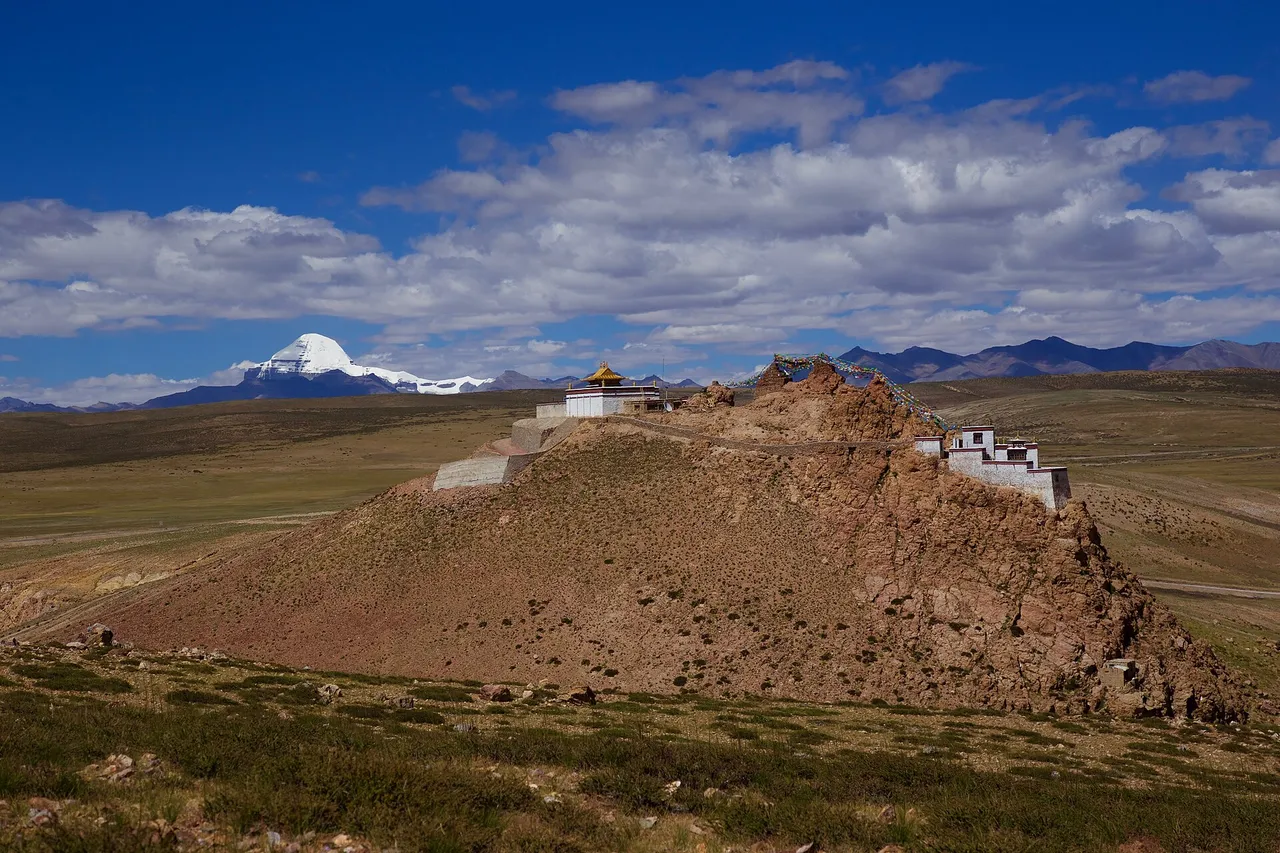
Chiu Gompa clings to a rocky promontory on the shores of Lake Manasarovar, the most storied body of water in Tibet. A small monastery of whitewashed walls and gold-tipped roofs, it watches over the lake that Hindus and Buddhists hold sacred — waters in which pilgrims bathe to cleanse a lifetime's misdeeds. Beyond the views and the prayer flags, Chiu hides a rare high-plain luxury: natural hot springs where an outdoor soak steams beside the turquoise water. It is the single most atmospheric stop on any Manasarovar circuit.
The monastery's name is often rendered as 'little bird' — fitting for a building perched like a wader on the rocks above the waves. Founded well over five hundred years ago and rebuilt after the cultural upheavals of the twentieth century, Chiu belongs to the Nyingma tradition and holds meditation caves in the rock beneath its halls, where teachers including the great Milarepa are said by tradition to have practiced. Its rooftop and upper terrace give the classic panorama: lake to the horizon, Kailash's silhouette to the north on clear days, and Naimona'nyi's ice wall to the south.
Below the monastery, the shore settlement of Chiu village serves pilgrims and travelers with guesthouses and a teahouse, and the hot springs — channeled into simple stone pools — offer a bath for a small fee. Swimming or bathing in the lake itself is an act of pilgrimage, done respectfully and usually briefly; the water is glacially cold at any season. Most itineraries give Chiu an hour or two at midday, but photographers and the pilgrim-minded should aim for dawn, when the ritual of the place, the light on the peak and the stillness of the lake coincide.
Manasarovar is included in the regional scenic-area ticketing collected at route checkpoints, and Chiu may ask a small separate entry fee or donation for the monastery — amounts are modest and have varied over the years, so confirm with your guide on the spot. The hot-spring bath carries its own small charge, payable on site, with basic changing shelters. Village guesthouses charge per bed and are simple but warm. The site is accessible from about May to October when roads are reliable; in winter, staffing and access shrink dramatically. As with all fees in this region, treat quoted figures as indicative and let your driver or guide verify current prices.
Chiu Gompa stands on the lake's northwestern shore in Pulan County, roughly 30 kilometers from Darchen by road — under an hour with any vehicle on the standard western-Tibet circuit. There is no public transport; visitors arrive as part of an agency-organized itinerary between Darchen, the lake's southern shore and Pulan county town. From the parking area, a stone stairway climbs ten minutes to the monastery gate. The hot springs sit just below the compound, and the village guesthouses are beside them. Foreign travelers need the full set of Tibet permits arranged by a licensed agency, as anywhere in the region; the monastery is normally open through the day, with morning the most rewarding time.
Dawn is the moment: the spur faces east, so first light strikes the lake, the monastery's gold roofs and Naimona'nyi's south wall in one composition. Mid-morning brings pilgrim buses and busier courtyards, though the site absorbs them gracefully. Late May to June and September to early October pair the clearest skies with manageable road conditions; July and August are warmer but cloudier over the peaks. Allow time for a hot-spring soak after the viewpoint — afternoon winds can stir the lake, but the stone pools stay sheltered. If your schedule allows only one of the lake's shores, the northwest at Chiu offers the fullest combination of view, ritual and comfort.
Hindus revere it as the lake created from the mind of Brahma, and Buddhists as one of the four great holy lakes; bathing in its waters is believed to cleanse a lifetime's misdeeds. It lies near Mount Kailash, the region's central sacred peak.
Yes — the springs below the monastery are channeled into simple stone pools open to travelers for a small fee. They are the region's most comfortable stop, especially welcome after cold nights.
An hour or two covers the monastery, terrace view and springs. Photographers and pilgrim-minded travelers should target dawn, when light, ritual and stillness align.
About 30 kilometers by road along the lake's northwestern shore, under an hour by vehicle on the standard circuit. It is usually visited en route between Darchen, the southern shore and Pulan town.
 Full day · 8–10 hours
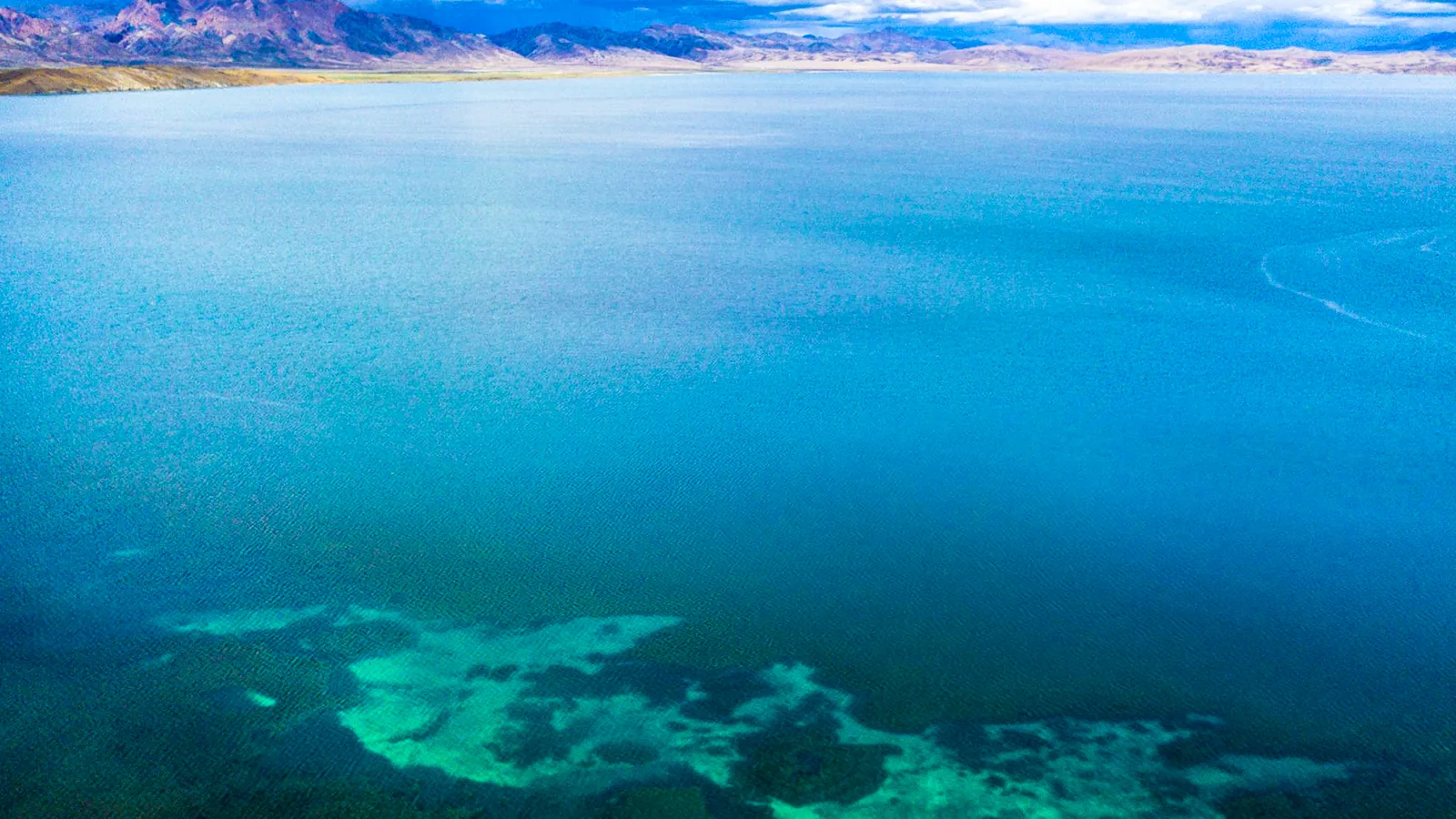
Sunset on a lake at 4,588 metres, then a sky with no light in it, and a bed at the foot of Kailash
View details →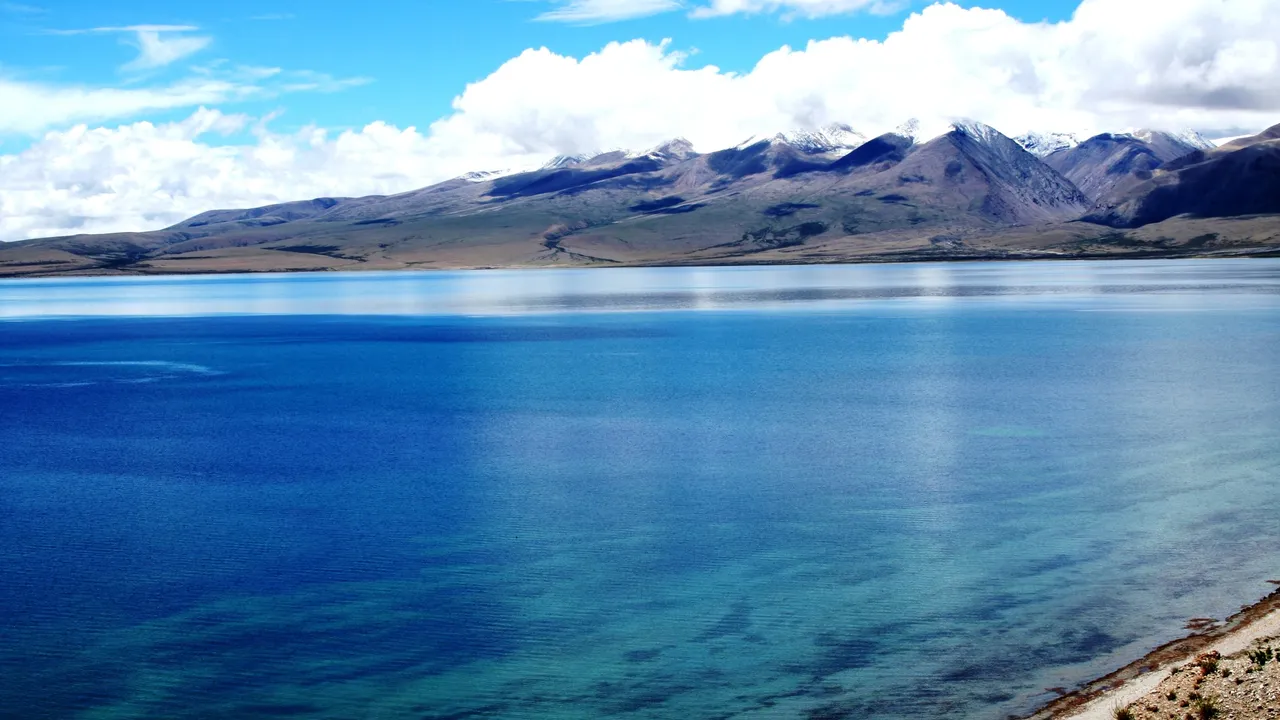 Full day · 8–10 hours
A border valley at 3,900 metres where the greens arrive by truck: yak, potatoes, noodles, and one cook from Sichuan
View details →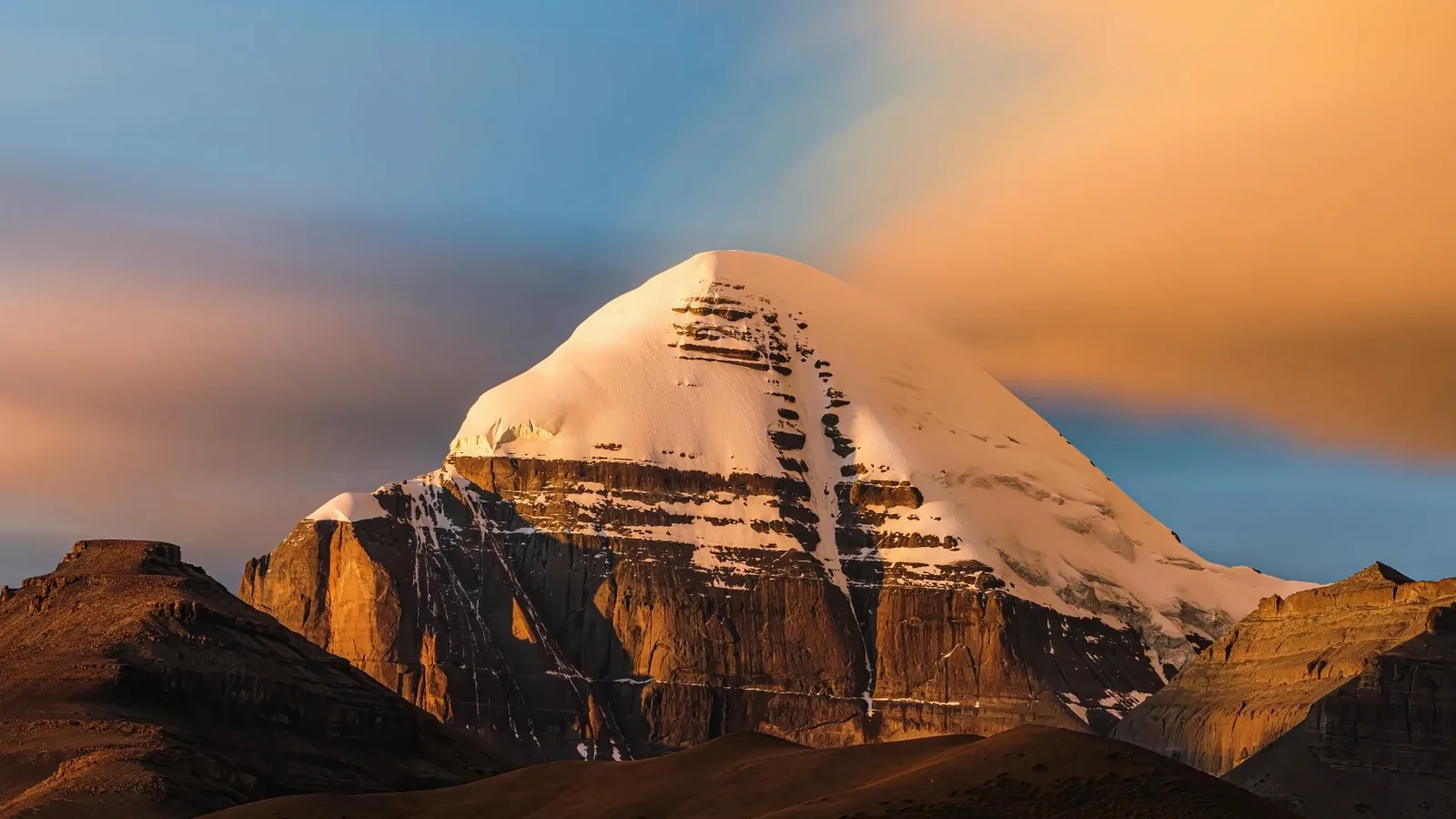 Full day · 8–10 hours
A monastery founded in 996 in the Karnali valley, and a market where Nepali and Indian traders have crossed for centuries
View details →2 days · 1 night · privateA two-day express around Mount Kailash in Pulan County, running from N
View details →3 days · 2 nights · privateThe classic three-day kora itinerary for trekkers who arrive acclimati
View details →Booked a private guide out of Tarchen and we did the first stretch of the kora with the pilgrims. My guide knew when to hang back and when to explain things, which made the whole day feel less like a tour and more like walking with someone who actually lives there. We stopped at a viewpoint for the peak and it just sat there above us, no drama, just huge.
Took the kids to see Rakshastal next to Manasarovar and they were oddly fascinated by the whole Ghost Lake thing. Wind was brutal and my youngest got a bit of altitude headache, so we cut the walk short. Still glad we came, the prayer flags flapping everywhere kept them entertained for way longer than I expected.
Private car & driver, day trips and multi-day routes from Mount Kailash. · Free consultation · reply within 12h