 TripMyChinaJOURNEYS THROUGH REAL CHINA✦ AI Trip✦ Plan My Trip
English
简体中文
繁體中文
日本語
한국어
ไทย
Tiếng Việt
Bahasa Indonesia
Italiano
Español
العربية
Русский
Deutsch
Français
Bahasa Malaysia
TripMyChinaJOURNEYS THROUGH REAL CHINA✦ AI Trip✦ Plan My TripSacred peak and high-altitude lakes — a pilgrimage landscape for kora, prayer flags, and open plateau views.
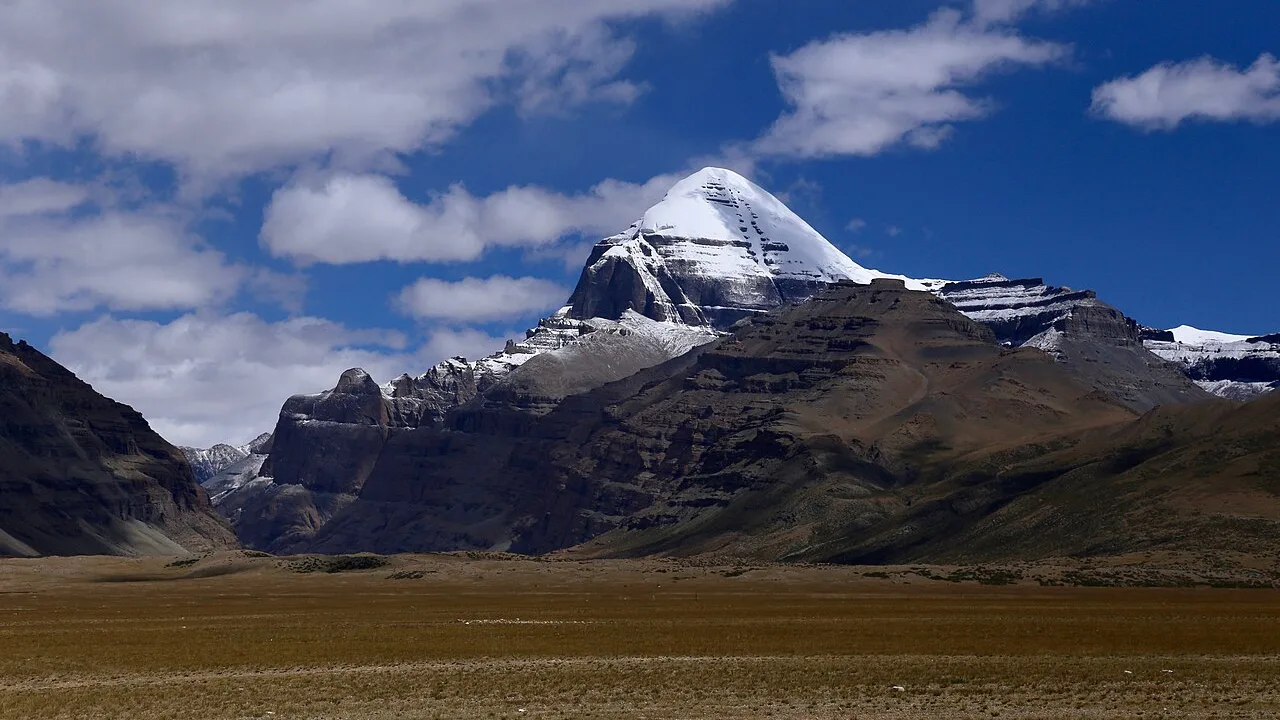
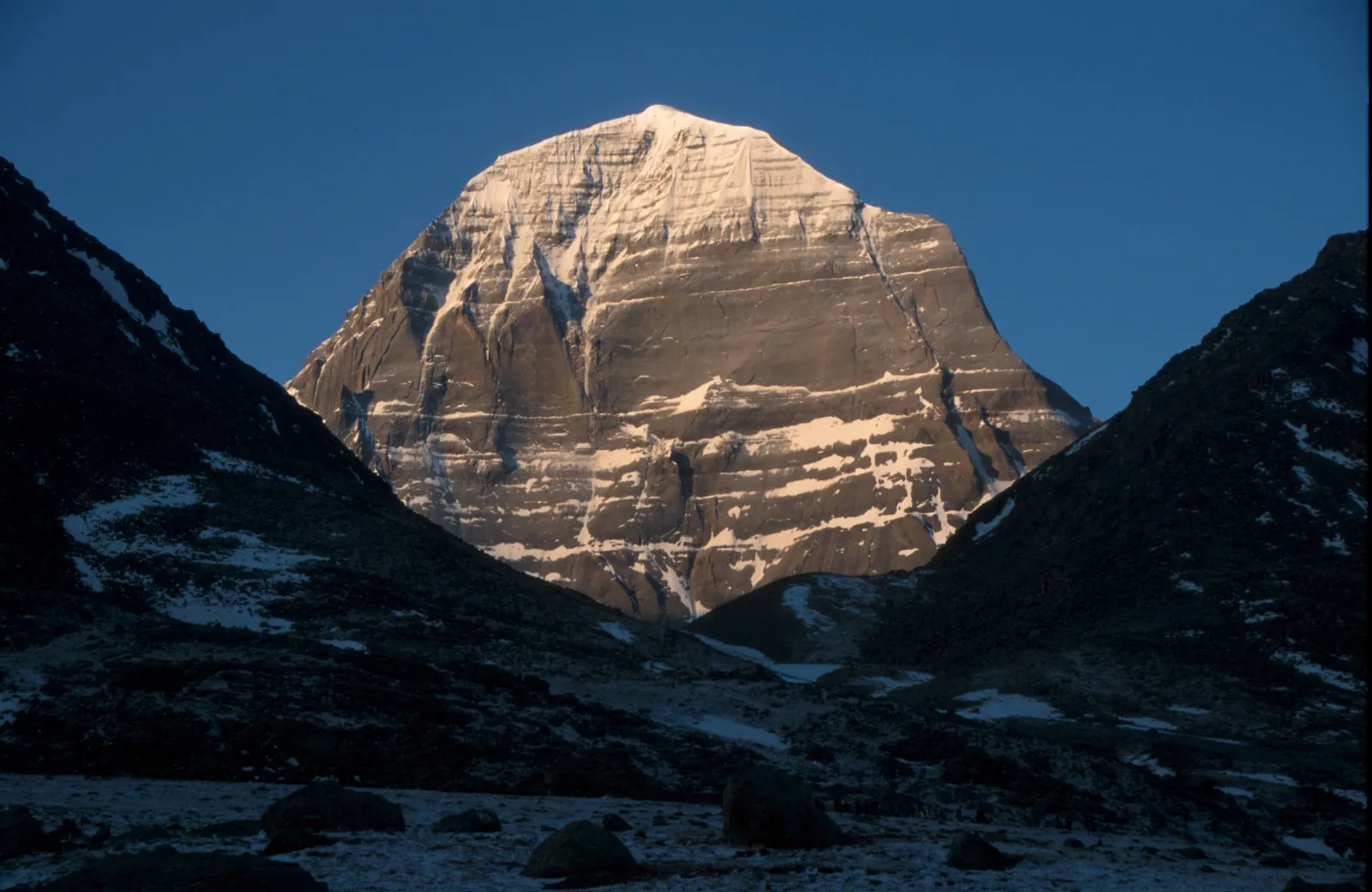
Mount Kailash (Gang Rinpoche) lies in Purang County, Ngari Prefecture, in far western Tibet, close to the borders with India and Nepal. It is a remote high-altitude landscape of open plateau, glacial valleys and large lakes, reached overland from Lhasa or from the Zhangmu/Kyirong side, and is one of the most important pilgrimage destinations in Asia.
The mountain is sacred to Buddhists, Hindus, Jains and Bon followers, each tradition associating it with a different figure or origin story. For centuries pilgrims have walked the circuit around it, and the surrounding plateau has remained thinly populated, shaped more by pastoralism and trade routes than by towns. The atmosphere is austere rather than picturesque: wind, prayer flags, and long views across the plain.
Most visitors come to walk the kora, the circuit around Mount Kailash, starting and ending near Tarchen (Darchen), the small settlement that serves as the trailhead. Along the way are prayer-flag passes and viewpoints of the peak's south face. Nearby, Lake Manasarovar and the darker Lake Rakshastal offer quieter stops, and the shoreline of Manasarovar is used for camping and acclimatisation before or after the kora.
World-class, national and global recognition earned over the decades.
Mount Kailash is revered by Tibetan Buddhism, Hinduism, Jainism and Bon.
The peak stands at 6,656 metres in western Tibet.
Pilgrims from several traditions travel to circumambulate the mountain.
The 52-kilometre kora is a long-established circuit around the peak.

The moments that shaped the city — and the stories its people still tell.
Mount Kailash is identified with sacred geography in the Bon religion.
The mountain is associated with Shiva in Hindu tradition.
Jain tradition connects the mountain with its sacred sites.
Tibetan Buddhists regard the peak as a major sacred mountain.
Circumambulation of the mountain has been practised by pilgrims over generations.
Tarchen serves as the base for pilgrims and visitors to the mountain.
The 52-kilometre circuit is walked by pilgrims over two to three days.
Lake Manasarovar lies near the mountain and is part of the sacred landscape.
Rakshastal, known as the Ghost Lake, is another lake in the area.
Prayer flags and pilgrims are part of the scene around the mountain.
Three paces, one city — every route built from places we actually operate.
Weather, crowds and the best months for what you want to see.
Cold conditions; check official channels for access.
A transitional season; check official channels for conditions.
A common season for pilgrimage; check official channels for details.
Another season used by pilgrims; check official channels for conditions.
What this city is known for — the things worth planning your day around.
The places worth building a day around.
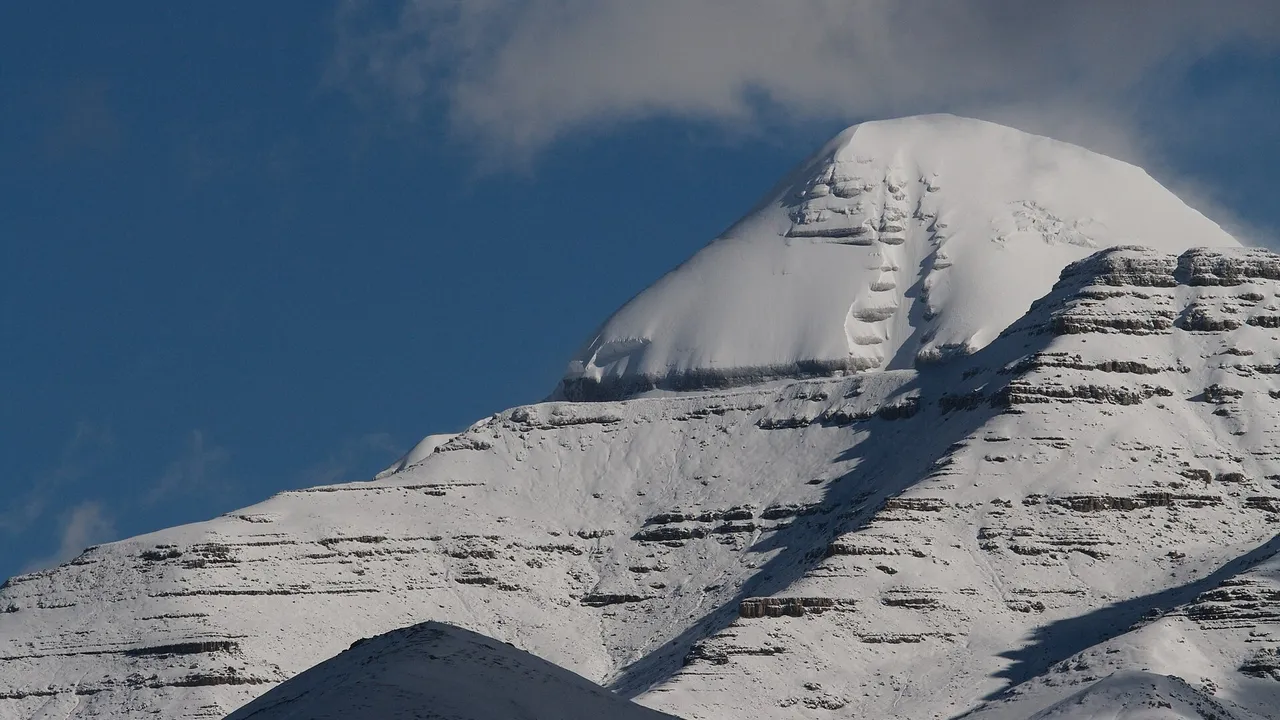
Mount Kailash, the 6,638-meter snow pyramid of Western Tibet, is sacred to Buddhists, Hindus, followers of Bon and Jains alike — a mountain no one cli
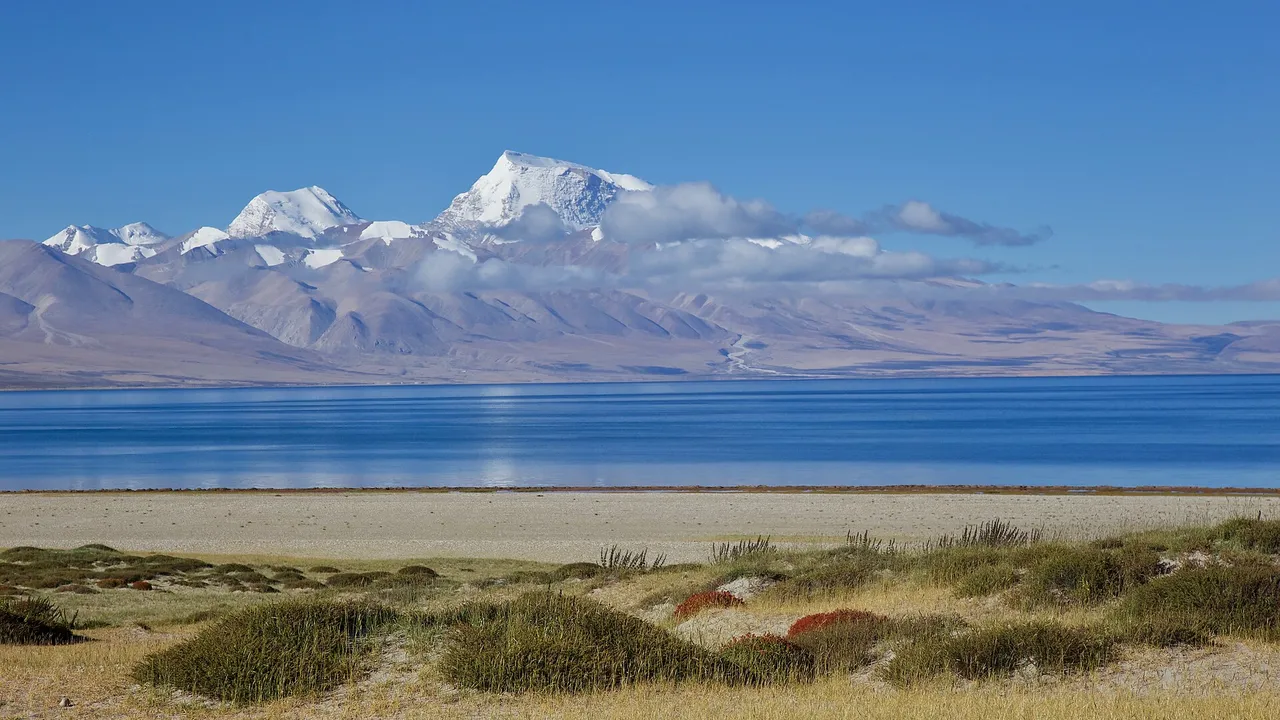
Across the lake from Mount Kailash rises Naimona'nyi — Gurla Mandhata in Tibetan — a 7,694-meter giant whose ice wall drops nearly two vertical kilome
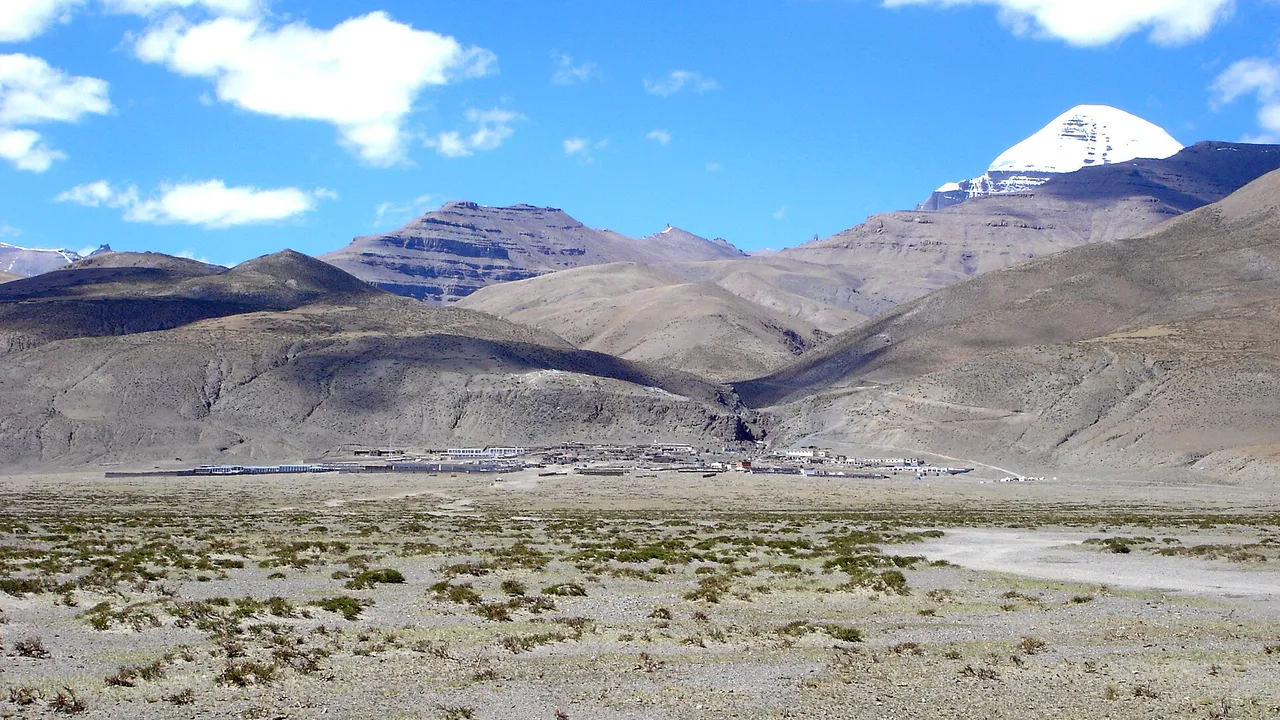
Darchen is the frontier base town of Mount Kailash: a single long street of guesthouses, tea shops and equipment stalls sitting at around 4,700 meters
Where the whole street eats — the city's most famous food streets, each with its own guide page.

A sweet tea house in Tarchen where kora walkers rest and take hot drinks.

A butter tea stall in Tarchen frequented by local pilgrims.
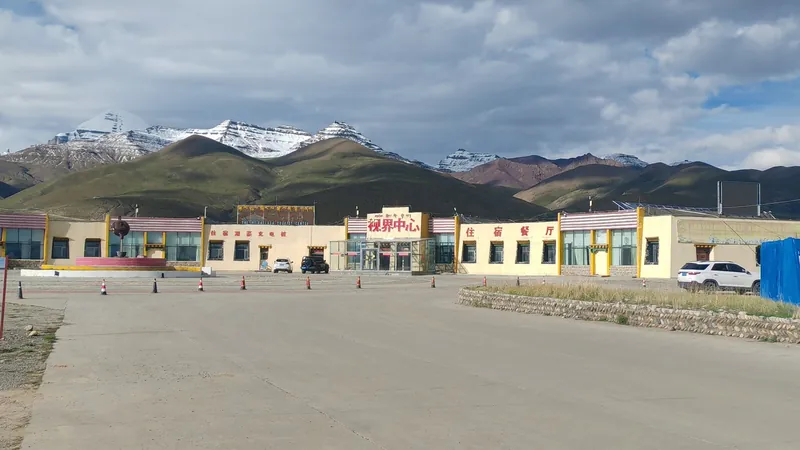
A Tibetan eatery in Tarchen serving pilgrims and travellers before and after the kora.
Simple lodging in Tarchen, the base for the kora; early nights help with altitude.
Clear high-altitude skies away from city light; bring warm layers.
Prayer flags near Tarchen and the lakes move in the evening wind.
A quiet evening walk on the shore, with Mount Kailash in the distance.
Nights here are quiet and cold. Most travellers stay in Tarchen before or after the kora; there is no listed night market or ticketed evening show in this material.
Listed sites and the crafts that made this city famous.
A 6,656 m mountain sacred to Tibetan Buddhism, Hinduism, Jainism and Bon.
A 52 km pilgrimage circuit around Mount Kailash, usually walked in 2–3 days.
A high-altitude lake near Mount Kailash, visited for its shore and views.
Also called Ghost Lake, a saltwater lake near Lake Manasarovar.
Circumambulation of Mount Kailash by pilgrims of four religions; the full circuit is 52 km.
Colourful flags hung at Tarchen and the lakes, moved by the wind.
Some pilgrims perform full-body prostrations along the kora route.
The 5,630 m pass is the highest point of the kora and a focus of prayer.
Pilgrims visit the lake shore for prayer and ritual near Mount Kailash.
The mountain is revered in Tibetan Buddhism, Hinduism, Jainism and Bon.
Senior licensed guides with 10+ years in the field and fluent English — deep on history, culture and local life.

Experienced licensed guides with clear English — solid on city highlights, food and day-to-day logistics.

Licensed guides with workable English — a good-value choice for city days, transfers and standard commentary.

Chauffeur-driven by the day, plus airport and intercity transfers.



Private chauffeur-driven vehicles, priced per vehicle not per person. Airport transfer from $45; intercity transfer from $180.
10 guides split by trip length: one-day city routes, three-day escapes and longer journeys, with stops, costs and transport in each.
Morning views of Mount Kailash from Tarchen, an afternoon pairing sacred Manasarovar wit
Three DaysThree Days in Pulan: The Two Lakes and the Full Kailash KoraDay one pairs the sacred and ghost lakes with adaptation, day two walks the kora to Dira
Multi-DayFive Days in Pulan: Lakes, Kora and the Full Peak, the Standard AnswerOne day adapting with the lakes, two days walking the fifty-two-kilometer kora, one day
Real routes, real travellers — a sense of what a trip looks like.
“We used the first day only to rest at Tarchen; the three-day kora felt manageable after that.”
“Manasarovar at dusk was the quietest part of the trip; we saw Kailash across the water.”
“We crossed Dolma La on day two and finished the 52 km circuit on day three.”
Most travellers spend 3 days here. Add a day for a side trip if you want a slower pace.
Spring and autumn are usually the most comfortable. Check the seasonal notes above before booking.
We arrange airport/rail transfers and private drivers. Tell us your arrival point and we plan the connection.
Send an enquiry and a human expert replies within 12 hours with a draft plan and real prices. Flexible rescheduling; clear cancellation terms in your quote.
2-day private itineraries in Mount Kailash start from $840 per person, two travelling together. Your proposal itemises hotels, tickets, guide and car — no hidden fees.
The kora around Mount Kailash is 52 km and usually takes 2–3 days.
Mount Kailash is 6,656 m above sea level.
Dolma La pass at 5,630 m is the highest point on the 52 km circuit.
Tibetan Buddhism, Hinduism, Jainism and Bon all revere the mountain.
Tarchen, the settlement at the foot of the mountain and the kora start point.
This material does not list ticket prices or opening hours; check official channels.
Lake Manasarovar and Rakshas Tal (Ghost Lake).
Spend at least a day at Tarchen (4,575 m) before starting the 52 km kora; keep daily walking hours short.
Recent listed prices: Mount Kailash ¥150; Naimona'nyi (Gurla Mandhata) 现场购票(以景区公示为准); Darchen (Tarchen) 免费; Chiu Gompa 现场购票(以景区公示为准). Ticket prices change seasonally — we confirm them in your quote.