 TripMyChinaJOURNEYS THROUGH REAL CHINA✦ AI Trip✦ Plan My Trip
English
简体中文
繁體中文
日本語
한국어
ไทย
Tiếng Việt
Bahasa Indonesia
Italiano
Español
العربية
Русский
Deutsch
Français
Bahasa Malaysia
TripMyChinaJOURNEYS THROUGH REAL CHINA✦ AI Trip✦ Plan My TripMount Kailash · Attractions
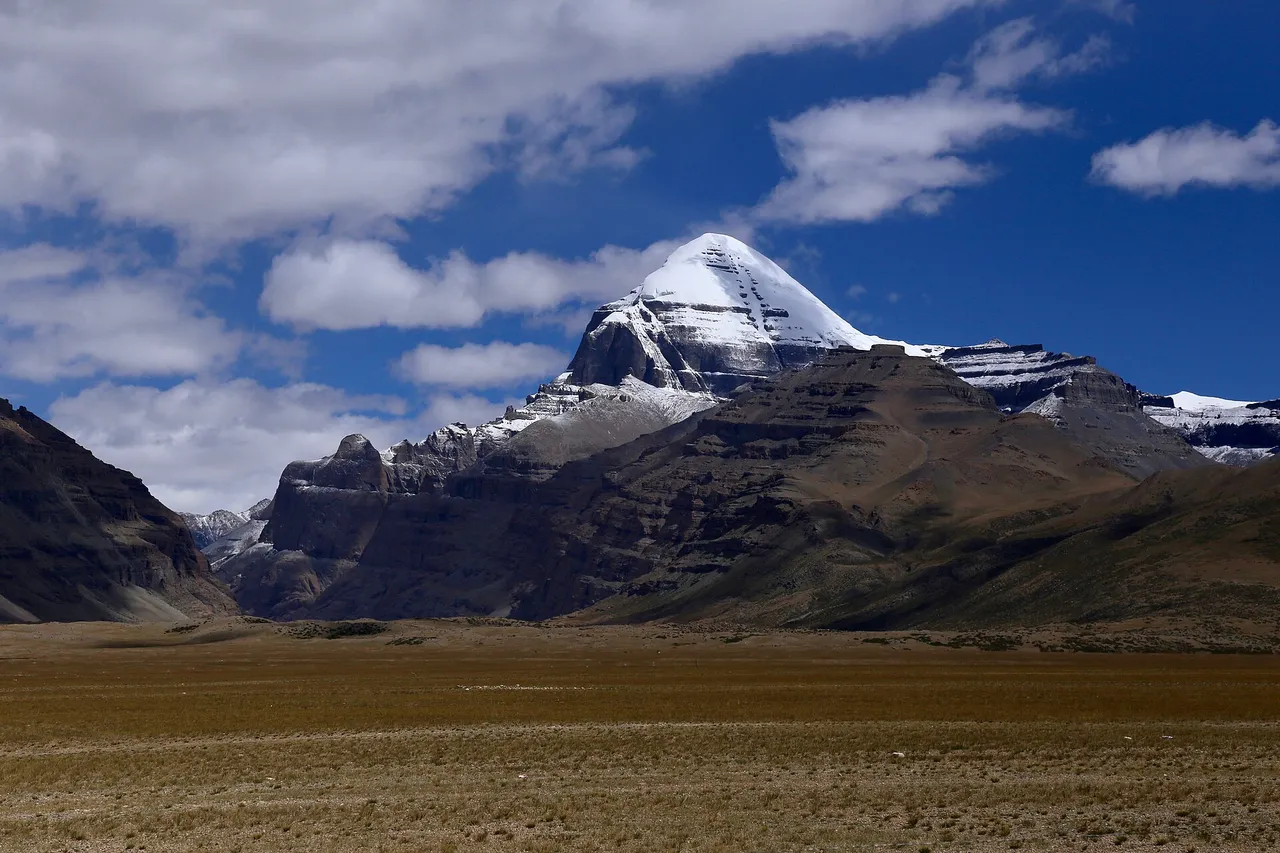
Mount Kailash, the 6,638-meter snow pyramid of Western Tibet, is sacred to Buddhists, Hindus, followers of Bon and Jains alike — a mountain no one climbs, revered by hundreds of millions. For travelers, the draw is the kora: a roughly 52-kilometer pilgrim circuit around its base, starting from the small town of Darchen, crossing the 5,630-meter Dolma La pass and circling back in one to three days. Remote, demanding and utterly singular, it is one of the world's great pilgrimages, and even a glimpse of the peak from Lake Manasarovar or the plains of Pulan is an experience that stays for life.
Kailash's sanctity spans religions: Tibetan Buddhists see the mountain as the abode of Chakrasamvara, Hindus as the throne of Shiva, Bon practitioners as the soul of their faith, and Jains as the site of liberation of their first teacher. Because of this, climbing the peak is forbidden — instead, devotees earn merit by walking around it, a practice so central that pilgrims prostrate their full body length for weeks along the route. Each year, especially during the Saga Dawa festival in late spring, thousands circle the mountain in a moving river of prayer flags.
The circuit itself is a serious high-altitude trek. Starting at Darchen around 4,700 meters, the route passes the Tarboche flagpole and the monastery of Dirapuk below the mountain's sheer north face, climbs over the prayer-flag-draped Dolma La, and descends past Zutrulpuk monastery to close the loop. Acclimatization in Pulan or at Lake Manasarovar for several days is essential, and foreign visitors must travel with the required Tibet permits arranged through a licensed agency. Weather decides everything: the walking season is effectively late spring to early autumn.
Entry to the Kailash area requires a scenic-area ticket purchased at the checkpoint near Darchen, with a modest additional fee for the circuit registration; prices have changed repeatedly in recent years, so treat any figure as indicative and have your guide confirm on arrival. Note that the larger costs are structural: Tibet permits, vehicle with driver, and multi-day overland logistics dominate the budget. Guesthouses in Darchen are simple, charged per bed, and fill up during Saga Dawa. There is no formal opening season or closing date, but winter conditions effectively suspend trekking; the practical window runs from about May to October, weather permitting.
Kailash lies in Pulan (Burang) County in far-western Tibet, served by the town of Darchen at the trailhead. Most travelers arrive overland from Lhasa — a multi-day drive via Shigatse and Saga — or fly to Ngari Gunsa Airport near Shiquanhe and continue by road for a day. Foreign visitors cannot travel independently in Tibet: permits (including the Tibet Travel Permit and additional area permits for the border region) must be arranged through a licensed agency, which typically organizes vehicle, driver and guide. There is no public transport to the trailhead itself, so all itineraries are vehicle-based; Darchen has guesthouses, basic restaurants and equipment-hire of a sort, but bring what you need.
May and June offer the classic window: stable high-pressure days, the Saga Dawa festival atmosphere, and passes clear of the worst snow. September and early October bring crystalline visibility and quieter trails as the pilgrim crowds thin. July and August are warmer but wetter, with afternoon cloud hiding the peak. Whatever the month, plan acclimatization days at Lake Manasarovar or in Pulan county town before walking, start kora days early to cross Dolma La before afternoon winds, and never schedule the circuit immediately after flying to altitude — the mountain rewards patience with weather and body alike.
No — the peak is considered sacred by four religions and climbing is prohibited. The tradition instead holds that circling the mountain on foot, the 52-kilometer kora, brings spiritual merit.
It is physically moderate but altitude makes it demanding: the route starts near 4,700 meters and crosses a 5,630-meter pass. Fit trekkers complete it in one long day, while most pilgrims take three days with overnight stops at Dirapuk and Zutrulpuk.
You need a Tibet Travel Permit plus additional permits for the Ngari border area, all arranged through a licensed travel agency. Independent travel is not permitted in Tibet, so your agency organizes vehicle, driver and guide as part of the itinerary.
Late May to June and September to early October offer the most stable weather and clearest mountain views. Saga Dawa in late spring is the festival high point, with maximum atmosphere and maximum crowds.
 Full day · 8–10 hours
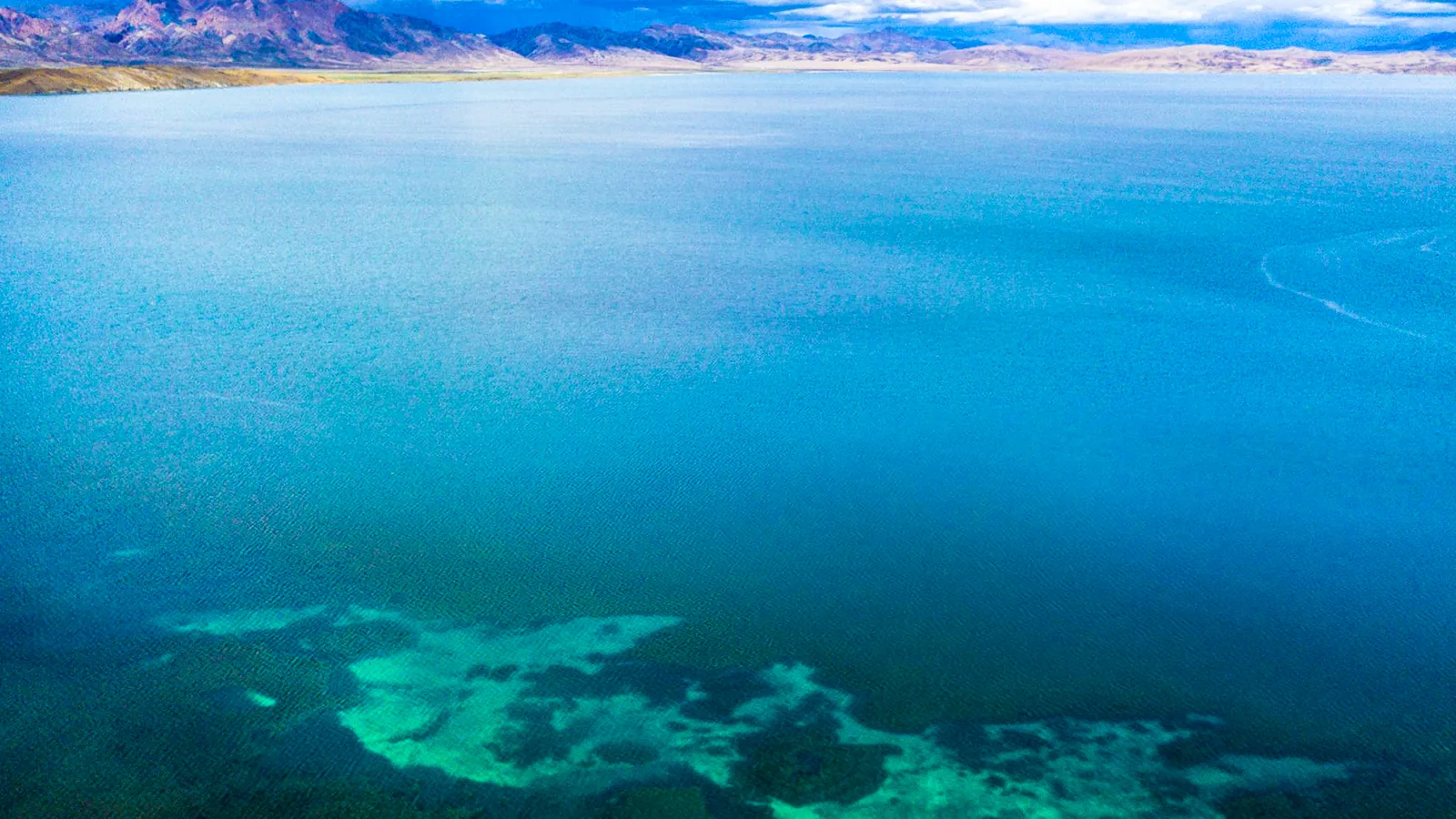
Sunset on a lake at 4,588 metres, then a sky with no light in it, and a bed at the foot of Kailash
View details →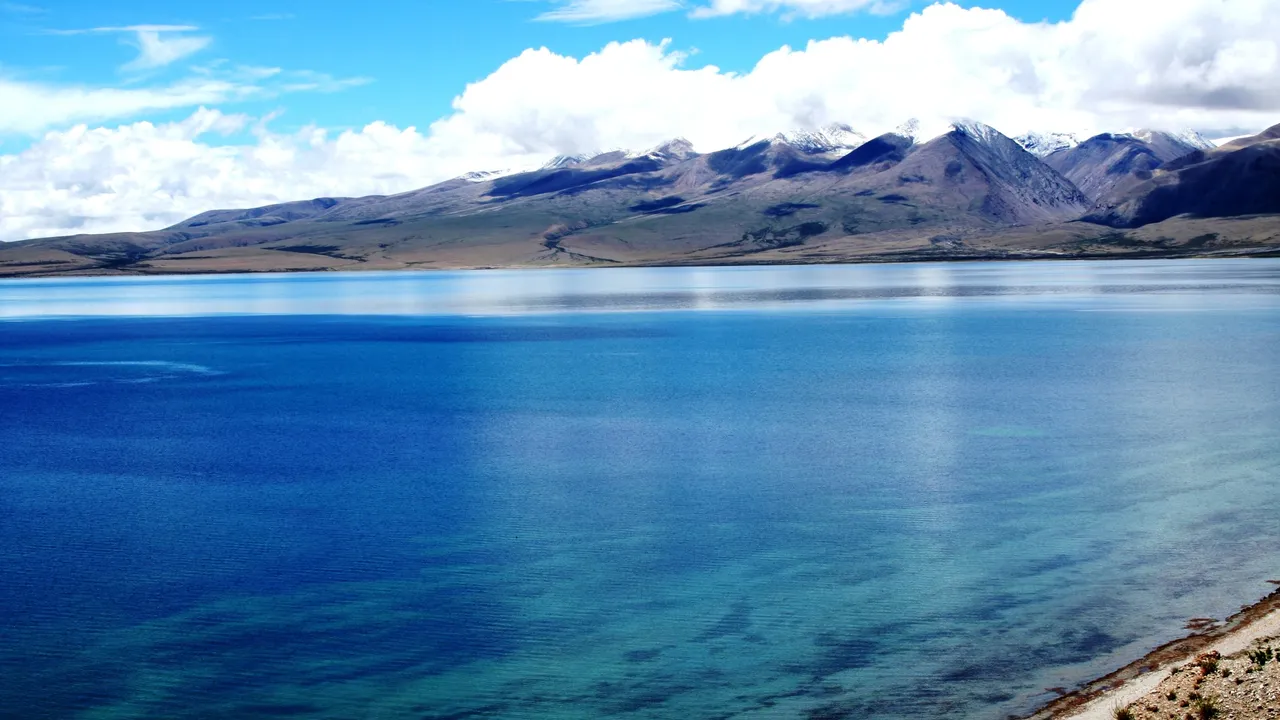 Full day · 8–10 hours
A border valley at 3,900 metres where the greens arrive by truck: yak, potatoes, noodles, and one cook from Sichuan
View details →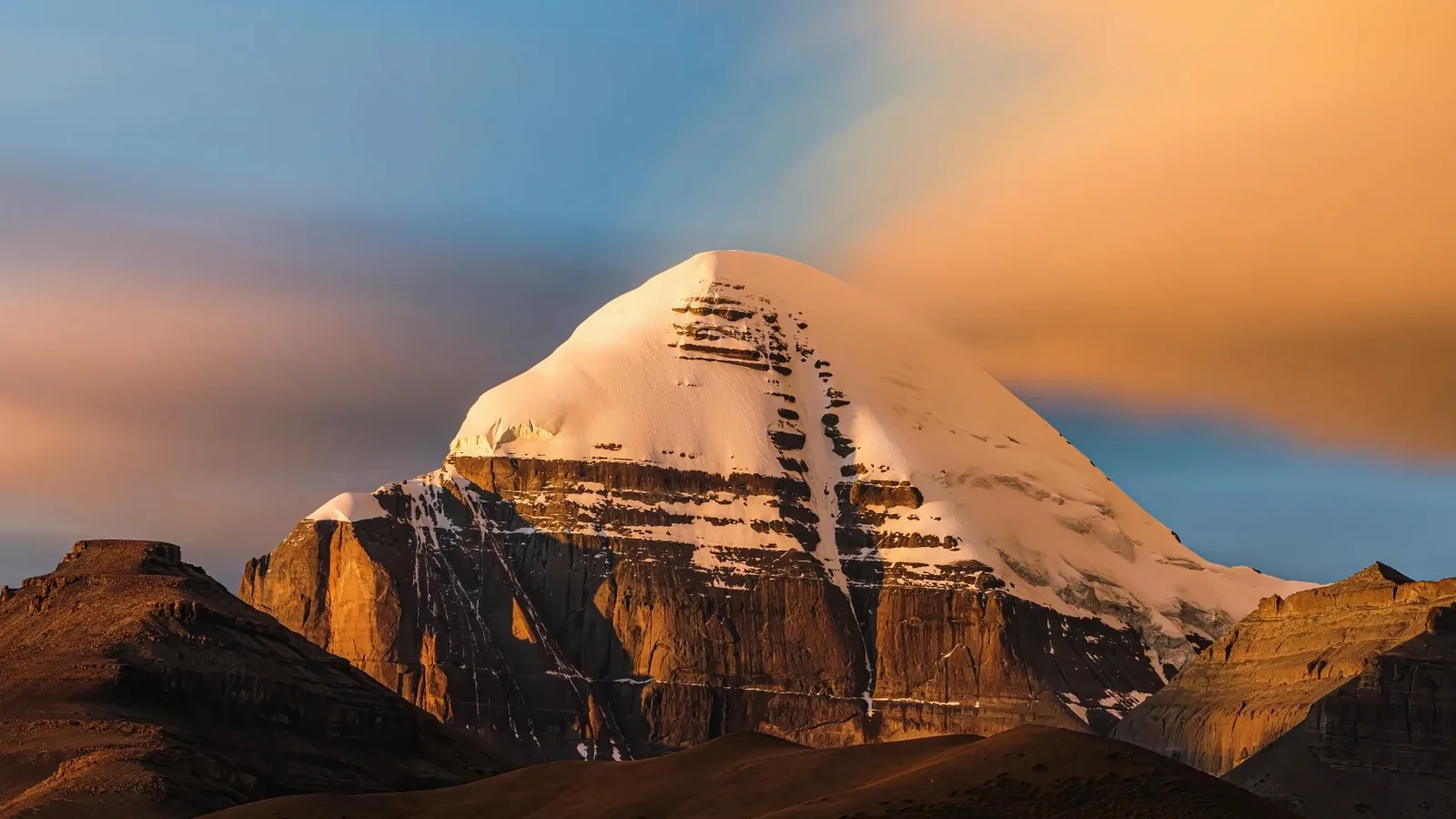 Full day · 8–10 hours
A monastery founded in 996 in the Karnali valley, and a market where Nepali and Indian traders have crossed for centuries
View details →2 days · 1 night · privateA two-day express around Mount Kailash in Pulan County, running from N
View details →3 days · 2 nights · privateThe classic three-day kora itinerary for trekkers who arrive acclimati
View details →Booked a private guide out of Tarchen and we did the first stretch of the kora with the pilgrims. My guide knew when to hang back and when to explain things, which made the whole day feel less like a tour and more like walking with someone who actually lives there. We stopped at a viewpoint for the peak and it just sat there above us, no drama, just huge.
Took the kids to see Rakshastal next to Manasarovar and they were oddly fascinated by the whole Ghost Lake thing. Wind was brutal and my youngest got a bit of altitude headache, so we cut the walk short. Still glad we came, the prayer flags flapping everywhere kept them entertained for way longer than I expected.
Private car & driver, day trips and multi-day routes from Mount Kailash. · Free consultation · reply within 12h