 TripMyChinaJOURNEYS THROUGH REAL CHINA✦ AI Trip✦ Plan My Trip
English
简体中文
繁體中文
日本語
한국어
ไทย
Tiếng Việt
Bahasa Indonesia
Italiano
Español
العربية
Русский
Deutsch
Français
Bahasa Malaysia
TripMyChinaJOURNEYS THROUGH REAL CHINA✦ AI Trip✦ Plan My TripMount Kailash · Attractions
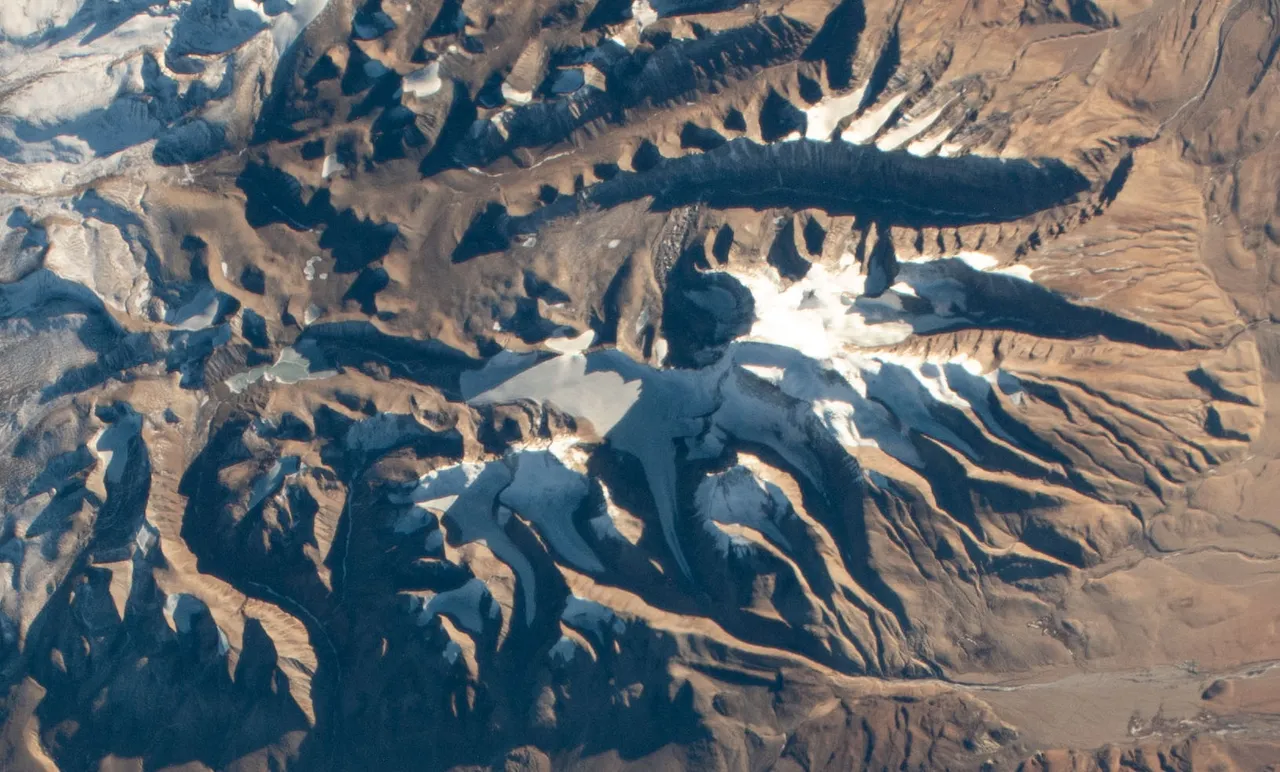
Across the lake from Mount Kailash rises Naimona'nyi — Gurla Mandhata in Tibetan — a 7,694-meter giant whose ice wall drops nearly two vertical kilometers to the shores of Lake Manasarovar. Less famous than its holy neighbor yet visually even more overwhelming, it forms the classic photograph of this region: prayer flags and turquoise water in the foreground, an unbroken rampart of snow above. For travelers based in Pulan, viewpoints along the lakeshore and the Seling-la pass deliver the spectacle without any trekking at all.
Gurla Mandhata is the highest peak of the Nalakankar Himal and one of the great masses of the Tibetan plateau, its summit standing directly south of Lake Manasarovar. Local tradition names the mountain as the consort peak to Kailash — where the holy mountain is austere and pyramidal, Naimona'nyi is broad, glacial and maternal, its ridgelines feeding the streams that replenish the sacred lake. In the local imagination the two mountains and the lake between them form a single sacred geography.
The practical beauty of the peak for visitors is accessibility. The lakeshore road from Darchen to the southern shore passes repeatedly through viewpoints where the entire face of the mountain reflects in Manasarovar's water, especially at dawn. Chiu Gompa on the northwest shore frames the peak behind its monastery rooftops, and the pass roads toward Pulan county town open grand side-on vistas. Climbing history here is thin and expeditionary — for ordinary travelers the mountain is strictly a spectacle, and one that needs no effort beyond stopping the car at the right light.
Viewing the mountain itself costs nothing beyond the regional scenic-area fees already paid for the Manasarovar–Kailash area, which are collected at checkpoints along the route; amounts have changed over the years, so confirm current charges with your guide at the checkpoint. Some lakeside viewpoints and monastery compounds may request a small maintenance donation. The real budget lines remain permits, vehicle and lodging in basic guesthouses at Darchen, lakeside or Pulan town. Access is seasonal: winter storms close passes unpredictably, and the practical sightseeing window runs from about May to October, with June to September offering the most reliable road conditions.
The peak lies in Pulan County, immediately south of Lake Manasarovar, and all viewpoints are reached by road on the standard western-Tibet itinerary between Darchen, the lake and Pulan county town. Travelers typically tour the lakeshore by the same vehicle that brings them from Lhasa or Ngari, stopping at Chiu Gompa, the southern shore villages and the pass viewpoints along the way; there is no hiking required for the classic views. Foreign visitors need Tibet permits and border-area documentation arranged by a licensed agency, and independent road travel is not permitted. Distances are large and fuel stations sparse, so the mountain is always seen as part of a multi-day vehicle circuit rather than a day trip.
Dawn is non-negotiable: the mountain's east-facing wall catches first light in rose and gold while Manasarovar lies wind-still, and the reflection lasts only until the morning breeze arrives. Late May to June and September to October combine stable weather with the clearest air; July and August bring greener lakeshore meadows but frequent afternoon cloud on the summit. Winter offers ferocious clarity for those with proper logistics. Photographers should allow two mornings on the lake — winds and light vary — and build in a stop at Chiu Gompa for the monastery-foreground composition before continuing toward Pulan town.
The peak stands 7,694 meters, making it the highest summit of the Nalakankar Himal and one of the great peaks of the Tibetan plateau. It rises directly south of Lake Manasarovar.
Local tradition pairs the two mountains: Kailash the austere holy pyramid, Naimona'nyi the broad glacial mass whose meltwaters feed the sacred lake between them. Together they form the region's sacred geography.
No — the classic panoramas are all roadside viewpoints along the lakeshore and pass roads. A vehicle circuit between Darchen, Manasarovar and Pulan town covers the best angles.
On calm early mornings, typically before the daily wind picks up. Plan a sunrise stop at the shore, ideally on two different mornings to hedge against wind and cloud.
 Full day · 8–10 hours
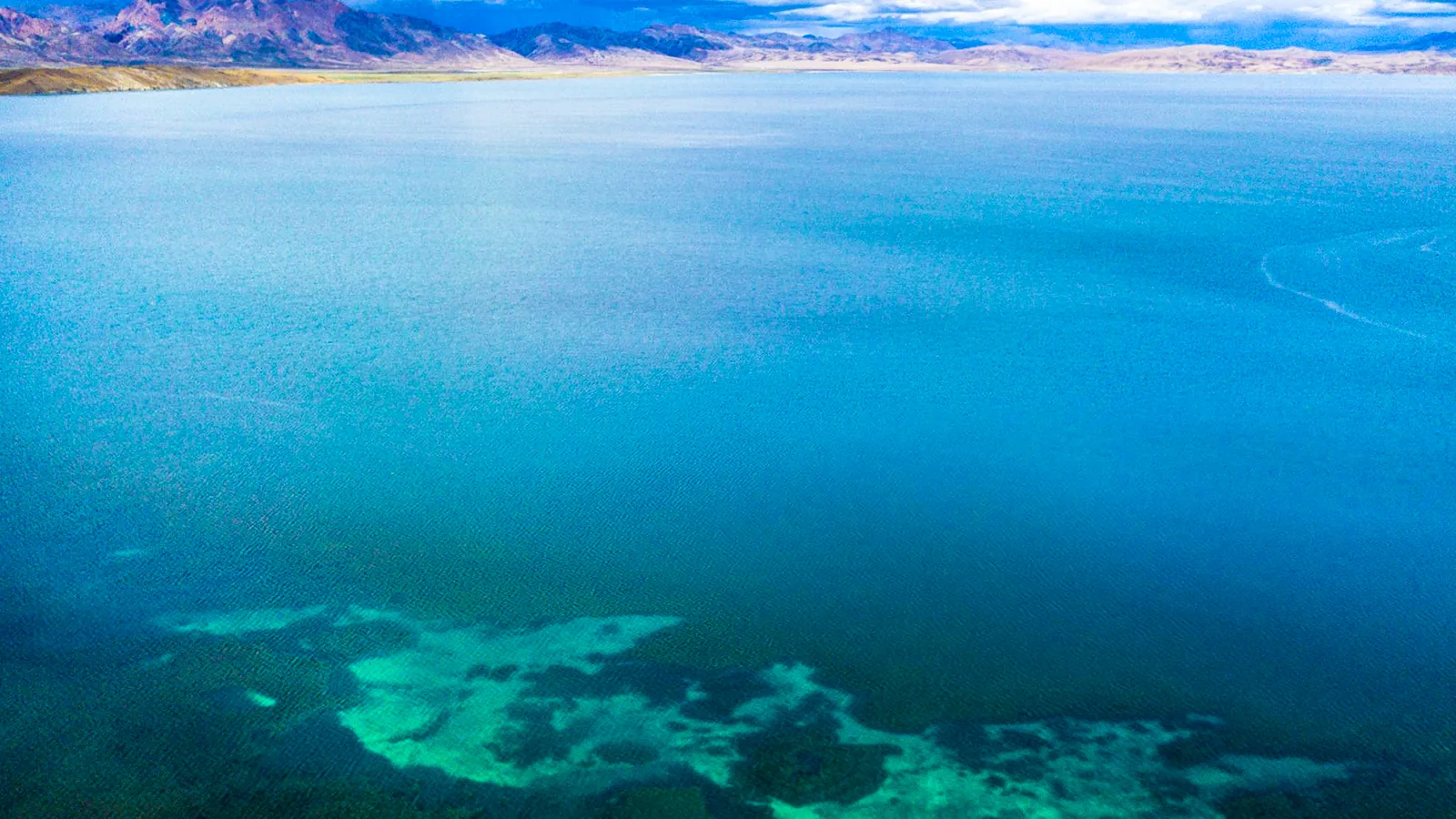
Sunset on a lake at 4,588 metres, then a sky with no light in it, and a bed at the foot of Kailash
View details →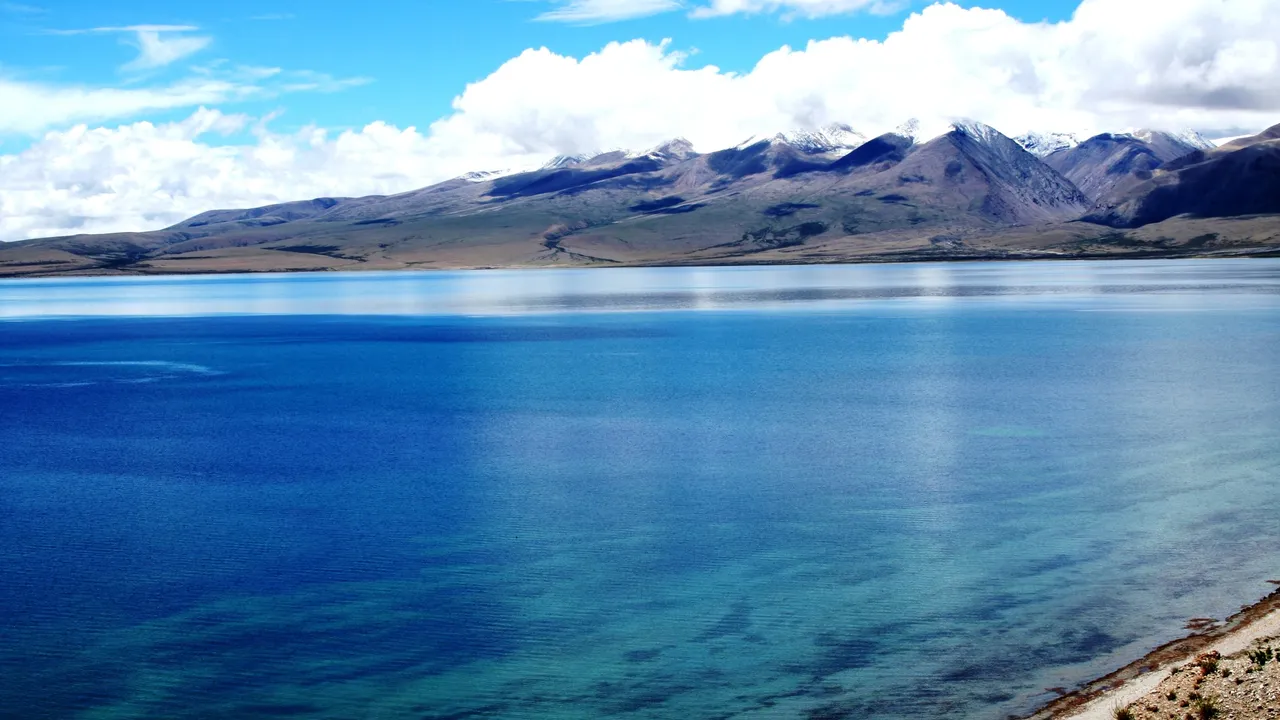 Full day · 8–10 hours
A border valley at 3,900 metres where the greens arrive by truck: yak, potatoes, noodles, and one cook from Sichuan
View details →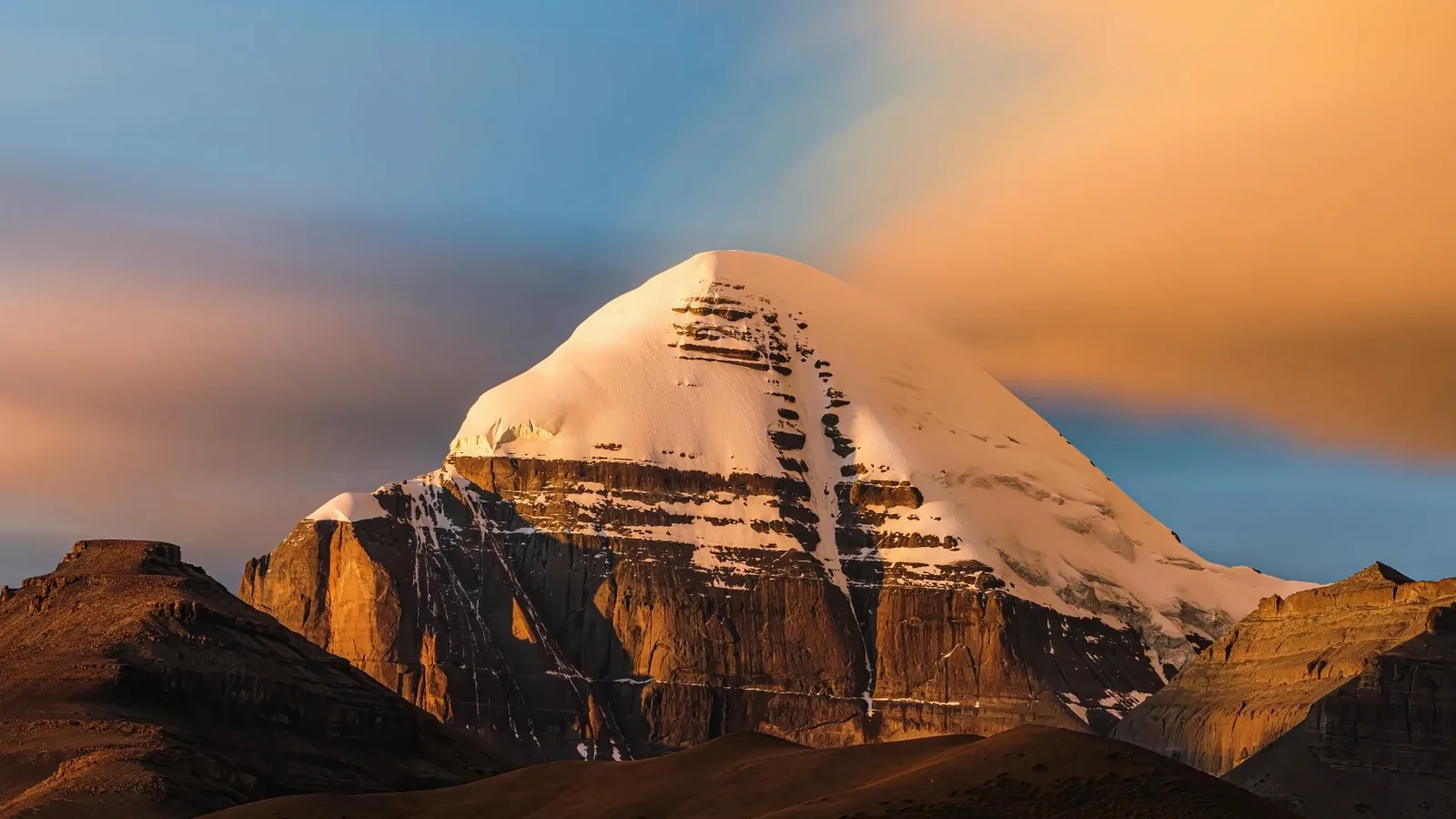 Full day · 8–10 hours
A monastery founded in 996 in the Karnali valley, and a market where Nepali and Indian traders have crossed for centuries
View details →2 days · 1 night · privateA two-day express around Mount Kailash in Pulan County, running from N
View details →3 days · 2 nights · privateThe classic three-day kora itinerary for trekkers who arrive acclimati
View details →Booked a private guide out of Tarchen and we did the first stretch of the kora with the pilgrims. My guide knew when to hang back and when to explain things, which made the whole day feel less like a tour and more like walking with someone who actually lives there. We stopped at a viewpoint for the peak and it just sat there above us, no drama, just huge.
Took the kids to see Rakshastal next to Manasarovar and they were oddly fascinated by the whole Ghost Lake thing. Wind was brutal and my youngest got a bit of altitude headache, so we cut the walk short. Still glad we came, the prayer flags flapping everywhere kept them entertained for way longer than I expected.
Private car & driver, day trips and multi-day routes from Mount Kailash. · Free consultation · reply within 12h