
This is Ngari's classic three-day combination: one day for water, two for the mountain. Day one uses the lakes for acclimatization and visual warm-up, day two leaves Tarchen for the kora's first half and sleeps at Dirapuk, and day three crosses the route's high point at Dolma La pass near 5,630 m, returning via Dzutrul monastery to Tarchen, about fifty-two kilometers all told.
The line's demands on fitness and condition are serious: at least two nights slept at 3,900 m or 4,700 m before starting, with headlamp, insulation, two oxygen canisters and two days of rations as hard requirements. The kora's meaning is not conquest; every protest from the body deserves a hearing, and descent is always an option.
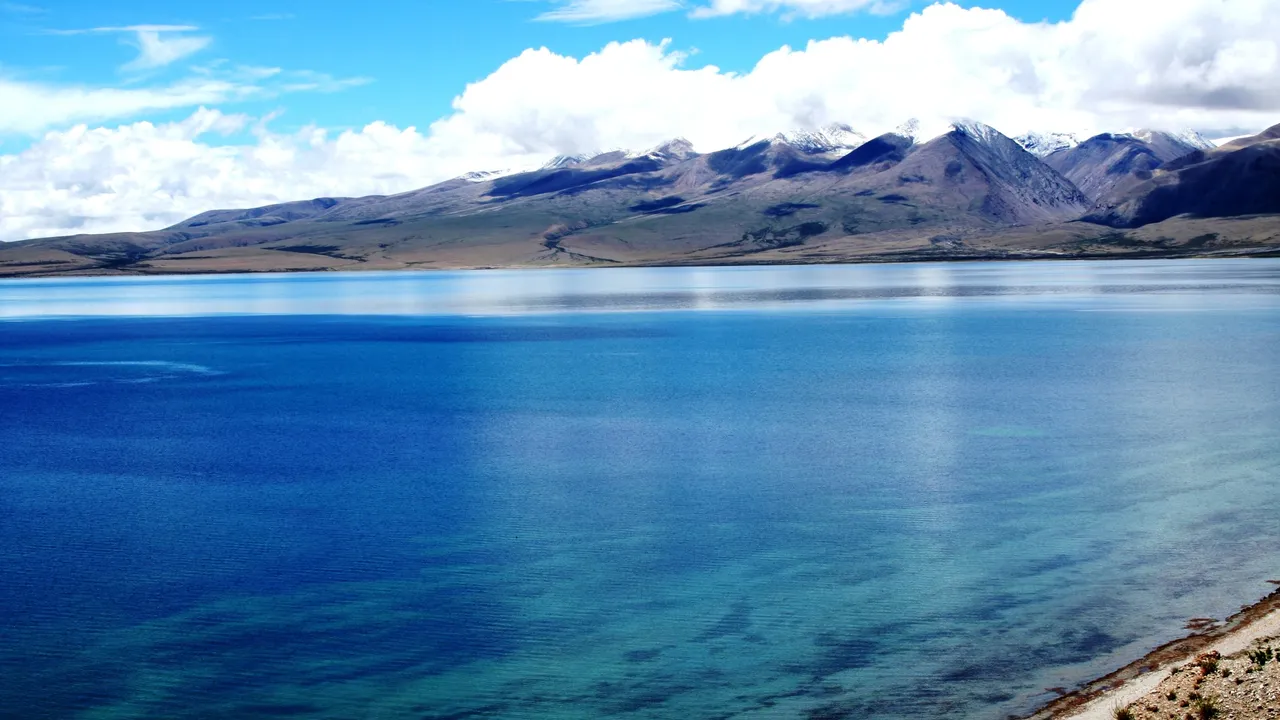
Itinerary at a glance
| Day 1 · 09:30 | Lake Manasarovar: Opening with the Sacred Lake |
| Day 1 · 14:30 | Rakshastal: The Ghost Lake and Naimona'nyi |
| Day 1 · 19:00 | Tarchen: The Kora Eve's Final Preparations |
| Day 2 · 06:00 | Kora Starting Section: Setting Out |
| Day 2 · 12:30 | Chuku Direction Supply Point: Lunch on the Kora |
| Day 2 · 17:00 | Dirapuk Monastery: A Night beneath the North Wall |
| Day 3 · 05:30 | Dolma La Pass: Dawn at 5,630 Meters |
| Day 3 · 10:00 | Dzutrul Monastery: Sweet Tea and the Human World after the Pass |
| Day 3 · 15:00 | Back to Tarchen: Closing the Fifty-Two Kilometers |
The route, stop by stop
Lake Manasarovar: Opening with the Sacred Lake
Day one's morning belongs to the sacred lake. Charter from the county town or Tarchen to the shore, where the water at about 4,588 m bands into blues under morning light. Today's task is the light-load altitude lesson: strolling, sitting, shooting, with the heart rate held to a walking match.
Walk a short clockwise stretch of shoreline, your feet on ground pilgrims have crossed for centuries. No climbing is scheduled on adaptation day; log your body's condition tonight, the data that decides tomorrow's kora departure.
Rakshastal: The Ghost Lake and Naimona'nyi
In the afternoon, continue to Rakshastal. The lead-gray surface shares the frame with the sacred lake's blue, and Mount Naimona'nyi (7,694 m) across the water watches over both. This is the three days' most photogenic spot and the best place to grasp purity and turbidity coexisting.
Forty lakeside minutes, then back, saving the legs for their own two days ahead. Today's total principle is depositing into the body, never overdrawing it. Ask the driver to take the return steadily; the kora's outcome starts accruing interest on today's road down.
Tarchen: The Kora Eve's Final Preparations
Back in Tarchen for the final check: poles, headlamp, two oxygen canisters, two days of rations, glucose and sunblock. Deposit unneeded luggage at lodging or in the car and hold the kora pack under eight kilograms. Early to bed, departing at 5:30 to 6 am.
The kora runs about fifty-two kilometers on the standard two-day plan: roughly twenty kilometers to Dirapuk on day one, about thirty including the pass on day two. Tonight's sleep is tomorrow's fuel.
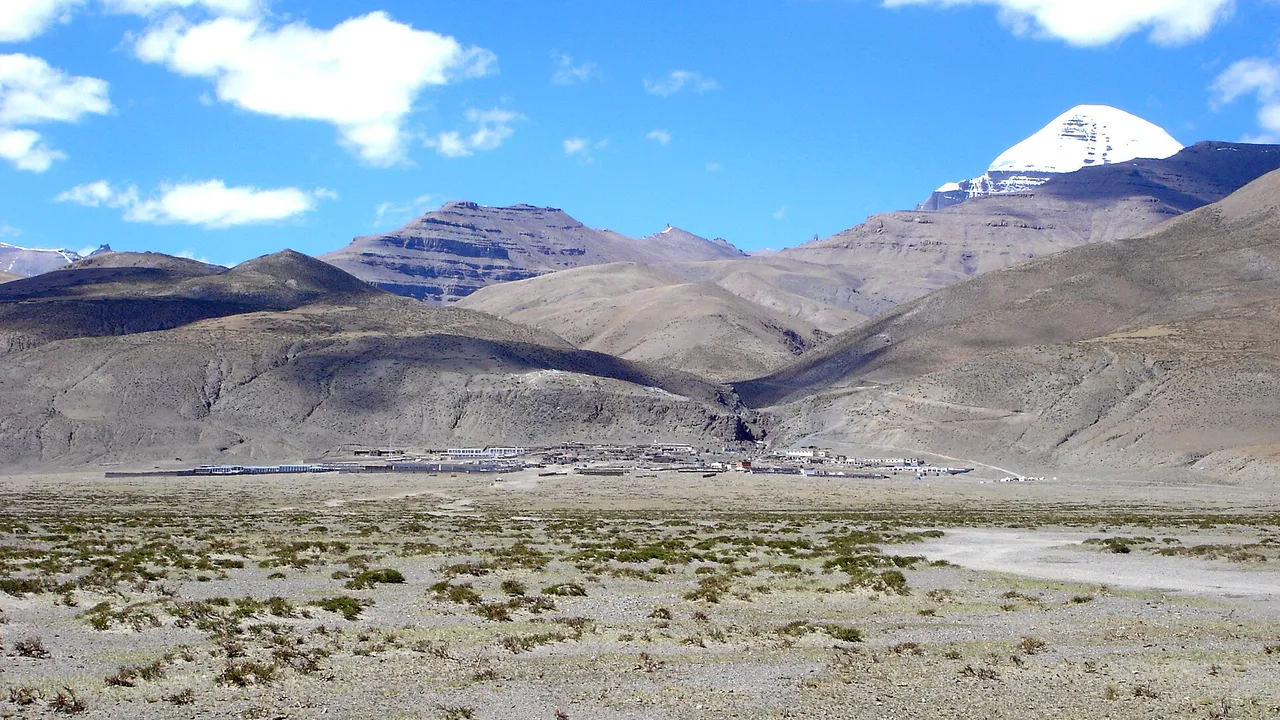
Kora Starting Section: Setting Out
Depart from the town's edge at dawn, entering the valley clockwise. The first kilometers run gentle slopes and river flats, footsteps light, the kora's mood settling from excitement into focus within the first hour. Past the Chuku monastery fork, the valley walls climb and Kailash's west wall flashes through gaps.
Today's twenty kilometers rush for nobody: walk at full-sentence pace, ten minutes of rest each hour. One pilgrim's rest stop is another's start line; nod to everyone you meet.
Chuku Direction Supply Point: Lunch on the Kora
Lunch at a trail supply point on hot food: instant noodles, butter tea, hot water and simple egg fried rice, prices climbing with altitude, which you accept. Sit forty minutes, shoes off, feet in the sun, the kora walker's proper midday rest.
The afternoon climbs slowly, the valley narrowing, wind descending from the glacier. Past a zone dense with mani piles, the north wall's full outline begins to enter view.
Dirapuk Monastery: A Night beneath the North Wall
Reach Dirapuk by early evening at about 5,200 m, with Kailash's north wall opposite, close enough to steal speech: sunset dyes the immense ice wall from white to gold. Lodge in the monastery guesthouse or neighboring inn, simple but with hot food and shared bunks.
Tonight's rules match the base-camp night: no shower, early sleep, oxygen for headache. The good news: tomorrow's pass is high but only thirty kilometers from town, and every hardship has an end.
Dolma La Pass: Dawn at 5,630 Meters
Set out before dawn on day three, headlamps on the trail, air below freezing. Three hours of climbing bring Dolma La pass, the route's high point: flags thick as walls, pilgrims hanging cloth, casting windhorse, weeping or laughing in the wind. Whatever you feel here needs no name.
Stay ten to fifteen minutes: photos, your flag, one clockwise circuit of the flag tower, then descend at once. The pass is the route's strongest point of arrival and the plateau's sternest test of restraint.
Dzutrul Monastery: Sweet Tea and the Human World after the Pass
The descent passes Dzutrul monastery, where most kora walkers take the route's most ceremonial rest: a bowl of sweet tea, a bowl of noodles, reconciliation with the self that crossed the pass. Inside, Milarepa's meditation cave and its hand- and footprint on the wall are the journey's hidden cultural easter egg.
About twelve kilometers of gentle downhill remain to Tarchen, legs already in machine mode. Every mani stone on this stretch knows the expression you are wearing.
Back to Tarchen: Closing the Fifty-Two Kilometers
Back in town by afternoon, the kora complete. The town's teahouses run the closing ceremony automatically: hot tea, hot food, boots off, and a calm that resists explanation to anyone who has not walked it. The clockwise circle has closed beneath your feet.
Rest completely tonight and schedule low-altitude activity or departure tomorrow. The body's immunity right now resembles an army just off the battlefield, so book nothing hard.
| Getting around |
|
| Budget | Kora entry follows the posted notice; charter shares, lodging and meals total roughly RMB 1,500-2,800 pp. |
| Best time | May-June and September-October are best: pass snow melted, daylight ample; April and late October may hold pass snow needing microspikes, while July-August turns wet and slick. |
FAQs
How fit do you actually need to be for the kora?
Lower than most imagine, higher than sightseeing: fifty-two kilometers over two days, thirty at most in one, gentle grades but altitude above 4,700 m throughout, a test of endurance and adaptation, not speed. Anyone who can walk fifteen kilometers continuously in the city can, with two adaptation days, finish in the great majority of cases. The core variable is altitude, not legs.
What is lodging at Dirapuk like?
Simple but with a floor: shared bunks, blankets, hot food, rationed hot water, dry toilets. The 5,200 m night is survived by gear, not facilities; a sleeping-bag liner and warm hat outvalue any star rating. Beds run tight in kora season, booked a day ahead through your Tarchen lodging; the fastidious can hire yaks to haul luggage and lighten the load.
What is the greatest danger on Dolma La pass?
Not the height itself but a combination of three: pre-dawn cold, broken-rock footing, and altitude-impaired judgment. The counters are full insulation, high-cut boots with microspikes, and slow group travel. In foul weather, abandoning the pass and returning from Dirapuk the way you came is the orthodox option; the kora holds no rule that you must finish, only that you must come home alive.
What if I want to quit mid-kora?
Real exits exist: on day one you can turn back before the Chuku direction, a few hours' walk to town; on day two, return from Dirapuk before the pass; after the pass, only forward remains. Horse exit means agreeing the price with the horseman in advance. When the body's signals are clear, quitting is not failure but another way of completing the practice.