
Tarchen's food logic is shaped by the kora: high energy density, fast service, warmth first. The day eats vertically, from sweet tea to butter tea to a Tibetan spread to simple meals, four shops forming the complete supply chain around a kora and an introduction to plateau taste.
Three rules first: stop at seven-tenths full and leave the gut's blood supply to the altitude; choose hot over cold and fresh over stored; drink tea without limit, since dehydration is altitude sickness's accomplice. The rest belongs to the tongue.
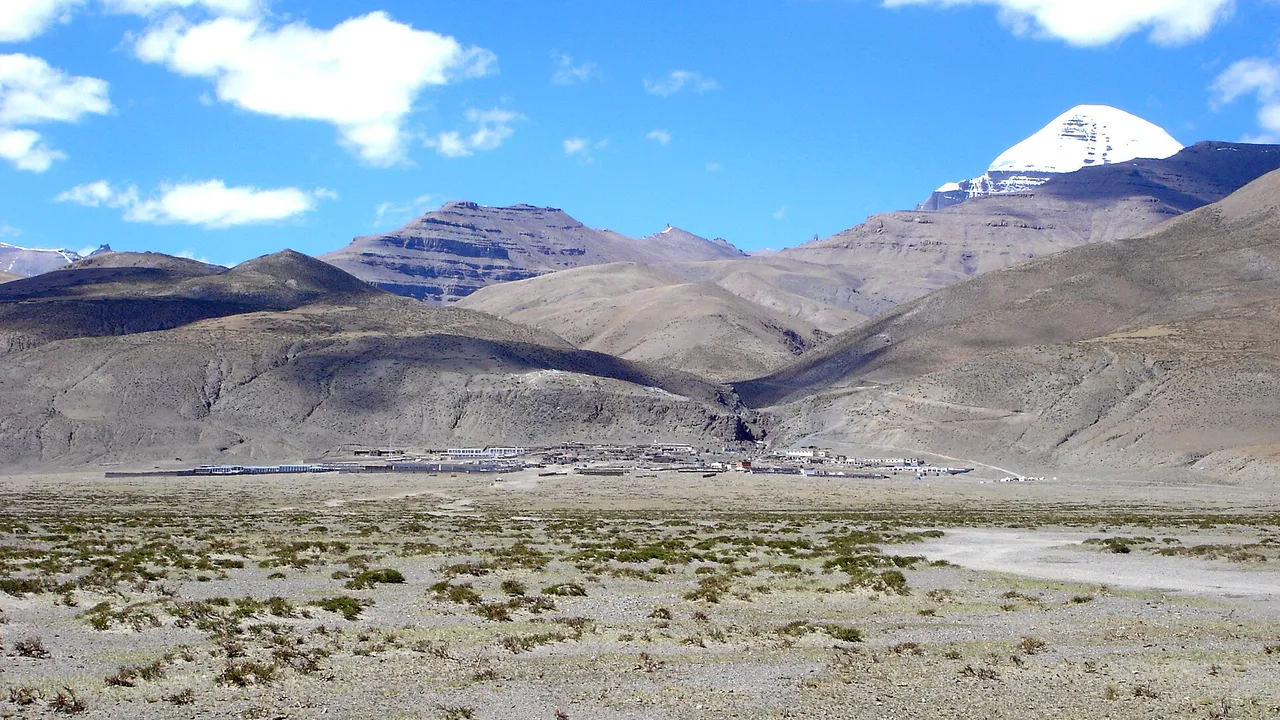
Itinerary at a glance
| 08:00 | Tarchen Sweet Tea House: The Correct Plateau Breakfast |
| 11:00 | Tarchen Butter Tea Stall: The Salty Mid-Morning Tea |
| 14:00 | Tarchen Tibetan Eatery: The Midday Main-Event Hour |
| 18:00 | Tarchen Simple Meals: Dusk Carbohydrate Repair |
The route, stop by stop
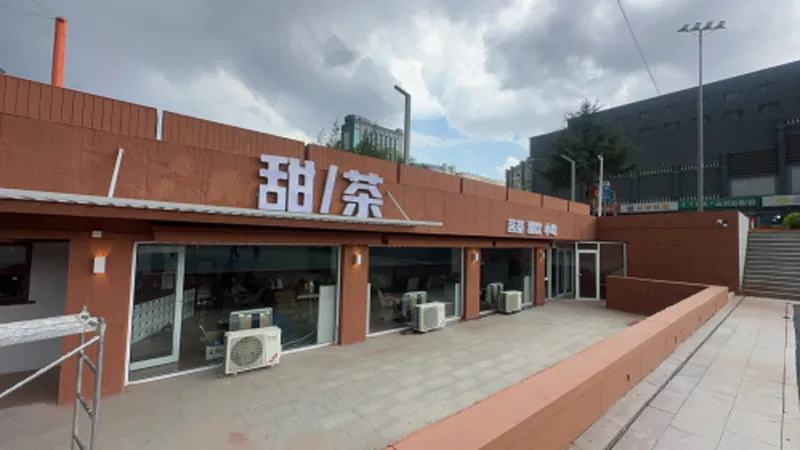
Tarchen Sweet Tea House: The Correct Plateau Breakfast
At dawn the sweet teahouse seats last night's returned trekkers and this morning's departing pilgrims, both drinking the same tea. Tibetan noodles with sweet tea is the standard breakfast: one hot bowl into the stomach, one flask warming the hands, gut and mood aligned at once.
Reading the breakfast tables is a shortcut to understanding the kora: the outbound eat little and fast, the returned eat much and slow. Your own role is your choice, and playing the slow eater today has its joys.
Tarchen Butter Tea Stall: The Salty Mid-Morning Tea
The late-morning butter-tea stall bridges from sweet to salty, thin to thick: brick tea churned with butter and salt, extremely calorie-dense, the herding world's weapon against cold and expenditure. With curds and fried kase pastry, one sitting fuels two hours.
First-timers should start with half a bowl: the triple shock of salty, oily and thick takes acclimatizing. The stall's warmth and tea aroma will argue your second half-bowl for you.
Tarchen Tibetan Eatery: The Midday Main-Event Hour
The noon Tibetan eatery serves the day's heaviest sitting: yak stewed with radish, Tibetan steamed buns and noodle-flake soup form the base, with blood sausage and meat sausage for the organ-brave. Around a kora, protein and salt are hard currency.
Order on the two-people-three-dishes rule: one meat, one soup, one staple, plus a pot of plain tea to cut the richness. Tibetan cooking salts higher than lowland food, so asking the kitchen to go light is a fair request.
Tarchen Simple Meals: Dusk Carbohydrate Repair
The dusk simple-meals shop closes the day: fried rice, fried noodles, egg-fried bread slices and instant soups, fast out of the kitchen and steaming, the town's best-value sitting. The kora's returned repair carbohydrates here, and tomorrow's starters bank energy in advance.
One lesson from a day of eating: at altitude, dine hot, small bowls, multiple rounds; the shop's window seat overlooks the kitchen, where you can watch the wok's fresh fire. Afterward a slow ten-minute walk along the main street turns four sittings into tomorrow's strength.
| Getting around |
|
| Budget | A full day of eating runs about RMB 100-180 pp, with the Tibetan main meal at RMB 40-80 pp and tea almost a rounding error. |
| Best time | Edible year-round; the kora season of April to October brings the freshest supplies and every kitchen open, while in winter some close but the regulars' places stay lit. |
FAQs
How should dinner work the night before the kora?
The rule is familiar, hot, carbohydrate-rich: noodle-flake soup, fried rice or Tibetan buns, letting the gut pass the night at zero risk; no raw or cold food, no heavy meat, no alcohol, which the altitude amplifies. Seven-tenths full, a cup of sweet tea or hot water before bed, and some dry rations again before setting out at dawn.
What is the smartest first meal after finishing the kora?
The scientific order is water before food: half a liter of warm water or sweet tea on return, half an hour of rest, then the proper meal. Hot noodle-flake soup or congee, soft staples first, moderate protein, easy on fat, a gentle slope for spent digestion. Binging is the return day's top error, causing bloating at best and overnight trips to the toilet at worst.
How should sensitive stomachs eat in Tarchen?
Three moves: fresh-cooked hot food throughout, skipping cold salads and long-stored dishes; sample butter tea shallowly before refilling; and carry stomach remedies plus oral rehydration salts. Drink bottled or boiled water in town, while teahouse tea is all boiled and safe. With diarrhea, rehydration beats anti-diarrheals as the first move, since dehydration at altitude doubles its danger.
Are the four shops expensive? Any tipping?
Not expensive: four sittings total RMB 100-180 a day, with tea refills almost free. No tipping custom; pay the listed price. Noodles and sweet tea rank among the cheapest items in plateau pricing, and slight kora-season rises are normal, the logic of a town whose supply lines run seven hundred kilometers.