
Most people treat Tarchen as a kora staging post, one night and gone, which is why the town keeps such an unusual texture: everything here turns around the peak, teahouse talk is about the mountain, shops sell kora gear, and half the pedestrians are setting out while half are coming home. Spending a day on foot to read it through beats passing through ten times.
The town is small, twenty minutes end to end. The day stays deliberately loose: dawn at the kora's starting stretch among flags and departing pilgrims, mid-morning in the sweet-teahouse, afternoon at the butter-tea stall, dusk at the town edge for sunset. All walking, at the pace of being able to stop anywhere, anytime.
Itinerary at a glance
| 08:00 | Kora Starting Section: The Morning Ritual of Departure |
| 10:00 | Tarchen Sweet Tea House: The Town's Intelligence Center |
| 14:00 | Tarchen Butter Tea Stall: Another Kind of Plateau Time |
| 17:30 | The Town Edge at Dusk: The Peak's Curtain Call |
The route, stop by stop
Kora Starting Section: The Morning Ritual of Departure
The kora runs about fifty-two kilometers and starts at the town's edge, where dawn is Tarchen's most solemn hour: pilgrims tighten their loads and laces, join palms toward the peak, and prayer flags snap overhead. You need not set out; you only need to be present.
Watching one full cycle of departures takes about forty minutes: some prostrate every three steps, some stride fast, some travel as whole families. Kora and lake circumambulation both run clockwise, so watch from beside the path, never inside it.
Tarchen Sweet Tea House: The Town's Intelligence Center
The sweet teahouse is Tarchen's living room: returning trekkers debrief here, the outbound scout road conditions, and locals sit in clusters talking. A flask of sweet tea costs a few yuan with free refills, and nobody hurries you through the morning.
Every conversation here rewards eavesdropping: which day turns clear, how thick the blankets at Dirapuk run, where the pass snow has just melted, all first-hand and fresh. Understanding it all matters less than feeling this life's radius, centered on the mountain.
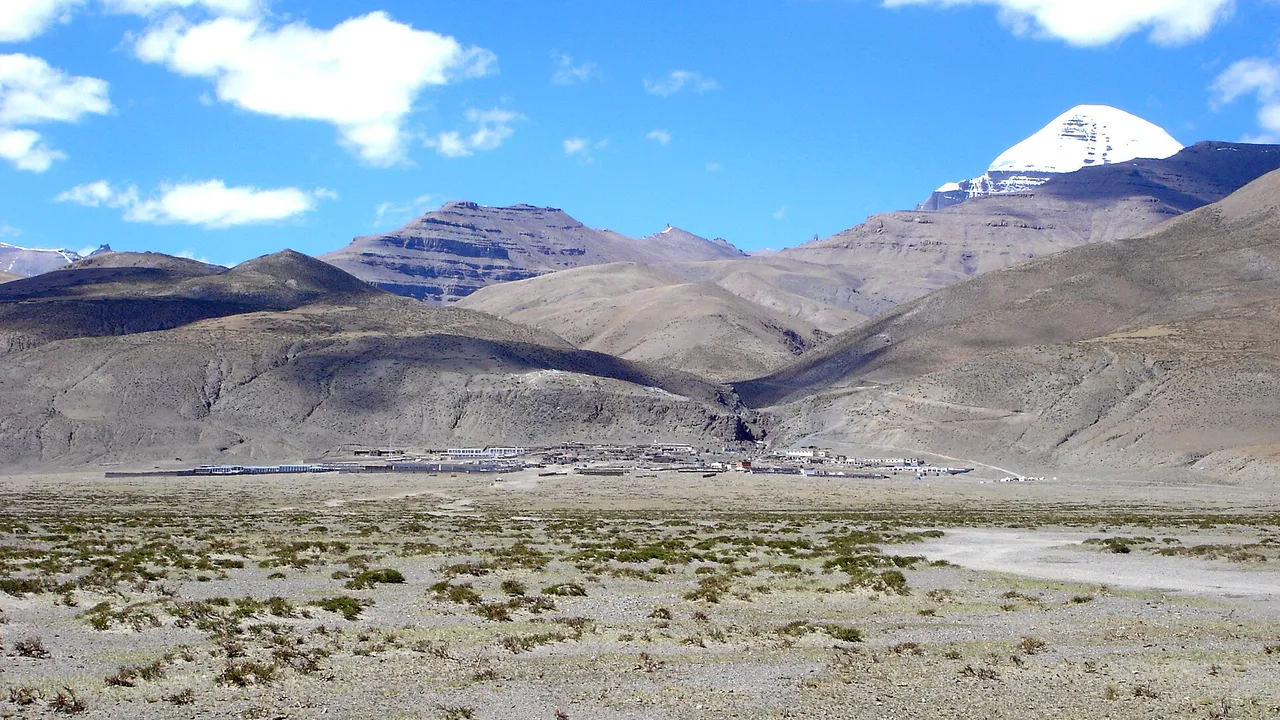
Tarchen Butter Tea Stall: Another Kind of Plateau Time
The afternoon butter-tea stall runs slower and more local than the teahouse: butter tea, salty and substantial, with curds or kase pastry, the orthodox taste of the herding world. A first cup feels strange, which is normal; sip it with pastry, and by the second cup many are hooked.
Pilgrims back from the kora often rest here, their boots still carrying mud from Dolma La pass. Finishing one cup beside them brings you closer to the kora's truth than ten guidebooks.
The Town Edge at Dusk: The Peak's Curtain Call
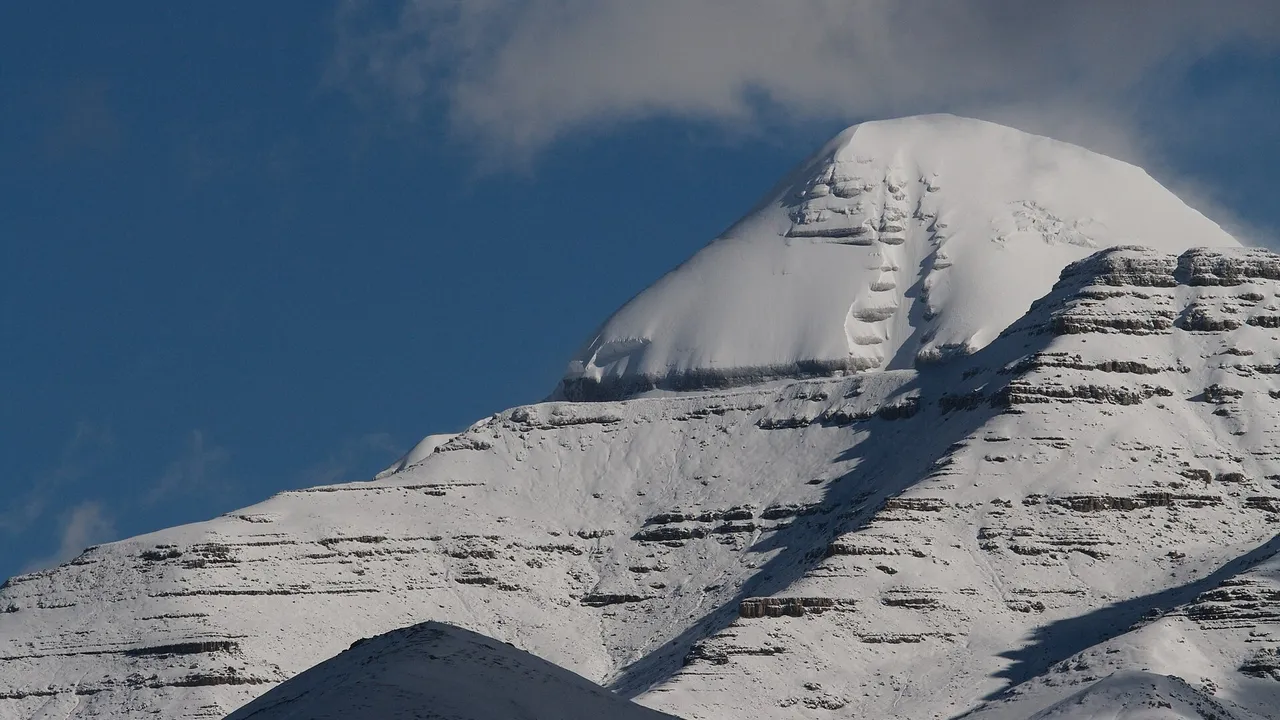
Tarchen's dusk offers the town's cheapest and most expensive view: from the west-edge open ground, Kailash's west wall turns from white to gold to red as the sun drops, and the flags at its foot catch fire in the same light. The town's dogs lie in the middle of the road watching the peak, and nobody shooes them.
After sunset, resist going indoors for ten more minutes and wait for the blue hour. The plateau's twilight bands are exquisitely layered, the changeover between the daytime peak and the night's stars.
| Getting around |
|
| Budget | No transport cost all day on foot; sweet tea, butter tea and meals total roughly RMB 80-160 pp. |
| Best time | Apr-Jun and Sep-Oct pack the town with pilgrims at their liveliest; some shops close in winter, yet pilgrims still come and the town turns cold, spare and real. |
FAQs
Is a day in Tarchen without the kora boring?
Not if you swap watching the peak for watching the life: the whole town turns around the kora, the dawn departures, teahouse debriefs, returned pilgrims in the stalls, a full cycle of the pilgrimage ecosystem in one day. If you need density of natural spectacle, take the two-lakes line; if you want to understand why the kora exists, this day is the first half of the answer.
How high is Tarchen, and will altitude sickness hit hard?
Tarchen sits near 4,700 m, clearly above Lhasa and Shigatse, so headache and shallow sleep are common. The counter is walking only, no climbing, on arrival day, warm water in quantity, and no shower that night; sleeping first in Pulan county town near 3,900 m before coming up softens symptoms greatly. Persistent vomiting or fierce headache means descending to the county town.
Are the teahouses and butter-tea stalls friendly to visitors?
Yes, Tarchen's teahouses have hosted kora travelers for decades and have seen every face. Three courtesies suffice: hat off at the door, keep the voice low, smile and nod; find your own seat, and settle tea by cash or code. Understanding no Tibetan is fine, since a smile is the best passport.
Is there still time for dinner after the dusk show?
Yes: sunset falls around 8 pm, varying by season, and most eateries run to about 10. The smooth order is ordering before sunset so dishes arrive as you walk back in; in winter sunset comes earlier and shops close sooner, so move dinner up another hour.