
Not everyone should spend the first night at 4,700 m: the core of a three-day Tarchen base is managing that first night. Day one is zero-climbing adaptation inside town, every stop within walking range, with the bed available for flat-lying whenever headache calls; days two and three go out in half-day units, always back in town by afternoon.
The line covers all of Tarchen's essence: the teahouse and butter-tea stall's everyday face, the flags and kora start's faith face, the viewpoint and sacred lake's scenic face. By day three you have seen the kora town inside and out, and your body likely feels better than the sprinters'.
Itinerary at a glance
| Day 1 · 11:00 | Tarchen: Arrival and First Town Reconnaissance |
| Day 1 · 15:00 | Tarchen Sweet Tea House: Adaptation-Day Afternoon Tea |
| Day 1 · 18:30 | Tarchen Butter Tea Stall and Dinner: Warmth before the First Night |
| Day 2 · 08:30 | The Flag Grounds and Mani Piles: Day Two Opens in Color |
| Day 2 · 10:30 | Kora Starting Section: The Morning Departure Tide |
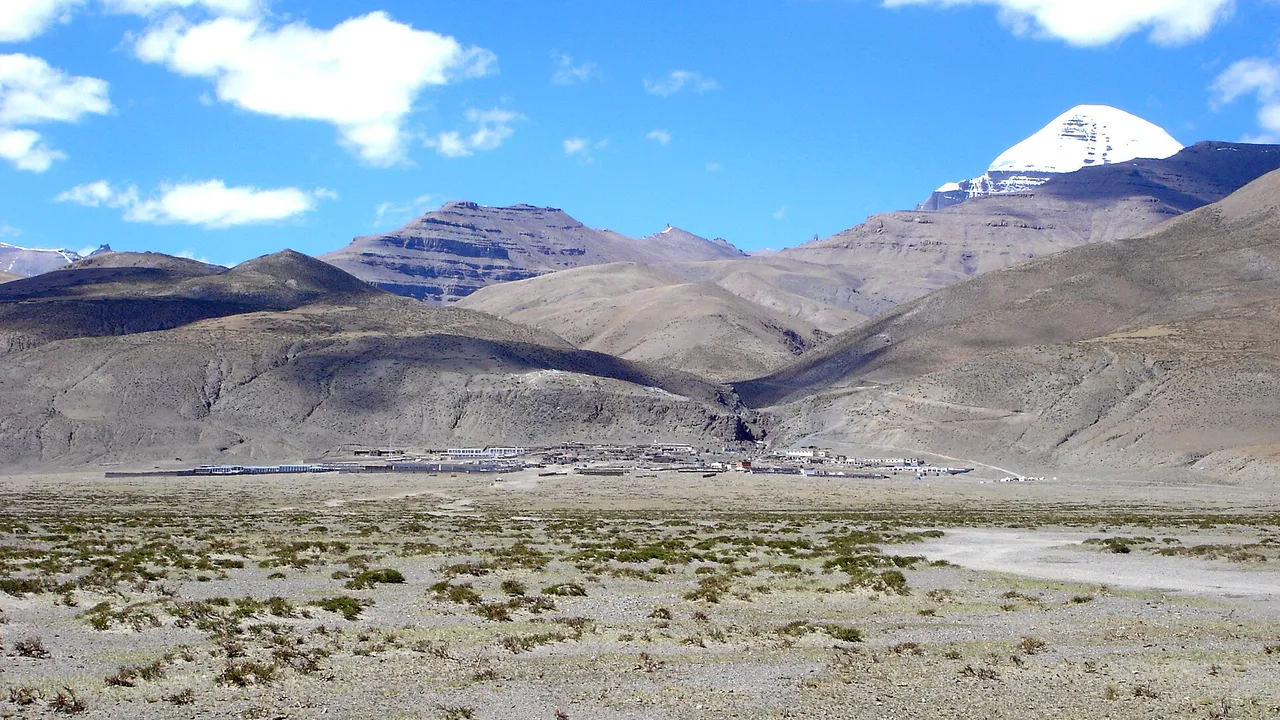
| Day 2 · 14:00 | Mount Kailash Up Close: The Peak at High Noon |
| Day 2 · 18:00 | Tarchen at Dusk and a Yak Dinner |
| Day 3 · 09:00 | Lake Manasarovar: The Half-Day Sacred Lake |
| Day 3 · 15:00 | Tarchen Simple Meals: The Three-Day Close |
The route, stop by stop
Tarchen: Arrival and First Town Reconnaissance
Arrive around midday of day one and, after checking in, do one thing: a twenty-minute walk to map the main street, marking teahouse, eatery, gear shop and clinic. Day one's exertion caps at learning the streets.
The afternoon means flat-lying or half-sitting rest with hot water between. The first night at 4,700 m is the day's pivotal event: hot dinner, seven-tenths full, no shower.
Tarchen Sweet Tea House: Adaptation-Day Afternoon Tea
The afternoon teahouse is adaptation-day standard: hot sweet tea, a window seat, a book you can drop anytime. One of altitude's best adaptations is simply sitting at low intensity, letting heart rate and breathing find their new equilibrium on their own.
The walls carry notes on kora group-ups and gear resale; worth a full read even if you are not walking, since that board holds the town's entire social news.

Tarchen Butter Tea Stall and Dinner: Warmth before the First Night
The dusk butter-tea stall lays the first night's groundwork in salt and warmth: half a bowl of butter tea, a few curds, calories and electrolytes topped together. Dinner at a Tibetan eatery, noodle-flake soup or yak stew, following the three rules of hot, soft, digestible.
Sleep early tonight without forcing sleep: shallow rest at 4,700 m is normal, and flat-lying still counts. Mild head heaviness sits within normal; act only if it keeps building.
The Flag Grounds and Mani Piles: Day Two Opens in Color
Day two's body state is the three days' watershed, and the morning tests it lightly: walk from lodging to the town-edge flag grounds, five colors and windhorse in morning light. Steady steps and unchanged headache mean today's outings all stay on the board.
Circle the mani piles clockwise, adding one small stone within permitted participation. Back to the main street for breakfast, Tibetan noodles with sweet tea. The circuit doubles as today's body test; light steps and a clear head keep every outing on the board.
Kora Starting Section: The Morning Departure Tide
Reach the kora start before 10 am for the day's densest departure tide: laden trekkers, whole families, full prostrators, all entering the same valley from the same gate. Forty minutes from the roadside, and this is Tarchen's most staggering human scene.
After the tide, walk one kilometer up the trail and turn back, sampling the kora's gravel and grade. If the body allows, that kilometer brings you nearer the peak than any platform.
Mount Kailash Up Close: The Peak at High Noon
Charter in the early afternoon to the viewpoint, when the peak's frontal light runs hardest: the pyramid's edges, the west wall's ice grooves, all legible. At 6,638 m with no reference objects on the plateau, distance turns dishonest, and no photograph reproduces the scale illusion.
Twenty minutes at the viewpoint, slow-motion and few words. Have the driver take the return gently, then an hour's nap back in town to clear two and a half days' accumulated account.
Tarchen at Dusk and a Yak Dinner
Return to the town edge at dusk for the peak's sunset, day two's farewell rite: Kailash runs white to gold to red while pilgrims' silhouettes move beneath the flags. Dinner on yak stew, protein refilling the day's base consumption.
Two days in, the body has staged itself at 4,700 m, and tonight's sleep usually beats the first night's, the adaptation curve doing its work.
Lake Manasarovar: The Half-Day Sacred Lake
Day three's morning charters to the sacred lake for the journey's scenic finale: shoreline walking, watching the water change color, a short clockwise stretch of the circumambulation path. Late morning runs the calmest water and fullest reflections, the photographer's best slot.
Two lakeside hours, then back to town for lunch. The sacred lake's blue keeps fermenting after you leave, becoming the color this trip recalls most.
Tarchen Simple Meals: The Three-Day Close
Back in town on day three's afternoon, close the journey over a simple meal: fried rice or noodles with sweet tea, auditing three days of photos and expenses. The town's afternoon runs quiet until the returned walkers refill it after four.
Settle with the driver and confirm your transfer. You chased no mandatory sight across three days, yet you have seen the town in its most complete form, which is the whole point of the base plan.
| Getting around |
|
| Budget | Short charters, lodging and meals total roughly RMB 900-1,600 pp; in-town spending weighs most but stays friendly per item. |
| Best time | April to October opens the town fully and smoothest; winter halves the shops and the plan still runs with a narrower menu. |
FAQs
Are three days all in Tarchen worth it?
Worth it, if the town itself interests you: Tarchen is no ordinary town but the gathering point of the world's kora walkers, with rare human density. Three days deliver adaptation, both of the town's faces in full, and complete time slots for peak and lake alike. Quantity-driven travelers should switch to the compact two-lakes-plus-kora line.
What if the first night's altitude kills my sleep?
Normal. The sequence: lie flat, relax the breathing, sip warm water, half an hour of oxygen if needed; no phone, no clock-checking. Most improve clearly by the second night. A wholly sleepless night with vomiting or fierce headache means dropping to the county town near 3,900 m by morning, which the base plan supports at any time.
Is day two overloaded?
Slightly full but controllable, since every stop is light: an hour at the flags, an hour at the start, forty minutes at the viewpoint, with the midday nap as backstop. The execution rule is subtraction: on any real discomfort, cut the next stop on the spot. Across three days, the legal option of doing nothing is always on the table.
Do these three days need a guide?
No: town walking cannot get lost, and the viewpoint and lake arrive by driver. Guides earn their fee on the kora and deep cultural narration, which the base plan never touches. Saving that budget for a good driver and extra flasks of sweet tea is the better trade.