
Five days is Pulan in full: the lakes for the eyes, the kora for the body, the teahouses for the heart. Three modules structure it, day one for lakes and adaptation, days two and three for the kora's roughly fifty-two kilometers, day four for rest, day five for flags, teahouses and departure. Each day holds one clear task, none crowding another.
The fault-tolerance design deserves its own note: the rest day before the kora is the safety valve, the rest day after it the recovery valve. On a plateau, time is not for chasing sights but for digesting altitude, and five days settles that account exactly.
Itinerary at a glance
| Day 1 · 10:00 | Lake Manasarovar: Arrival Day's First Lesson |
| Day 1 · 15:00 | Rakshastal: The Day's Second Face |
| Day 2 · 06:00 | Kora Starting Section: The Formal Departure |
| Day 2 · 13:00 | The Chuku Direction Stretch: The North Wall Emerges |
| Day 2 · 17:30 | Dirapuk Monastery: The Night beneath the North Wall |
| Day 3 · 05:00 | Dolma La Pass: The Route's Highest Point |
| Day 3 · 10:30 | Dzutrul Monastery: The First Sweet Tea after the Pass |
| Day 3 · 15:00 | Back to Tarchen: The Kora Complete |
| Day 4 · 10:00 | Tarchen Sweet Tea House and Butter Tea Stall: The Rest Day |
| Day 5 · 09:00 | The Flags and the Town Edge: Five Days' Close and Departure |
The route, stop by stop
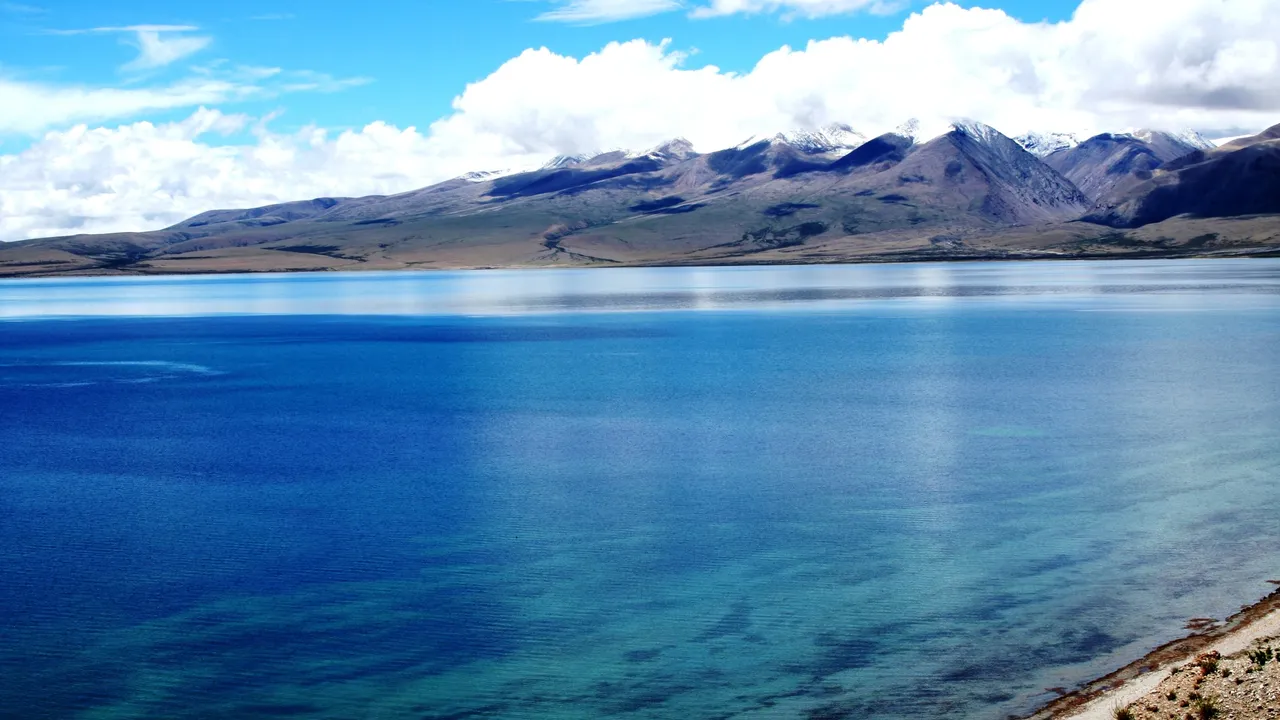
Lake Manasarovar: Arrival Day's First Lesson
Day one charters to the sacred lake in the morning, completing arrival day's entire task with walking and sitting. The water at about 4,588 m lays Ngari's bluest blue before you; today you do not judge it, only adapt to it.
Three lakeside kilometers, then back for an afternoon nap. Tonight sleeps in Pulan county town near 3,900 m or Tarchen near 4,700 m, the latter for good condition, the former for ordinary.
Rakshastal: The Day's Second Face
The afternoon adds the ghost lake en route: lead-gray water, stony shore, Naimona'nyi across, the sacred and ghost lakes completing their contrast statement in afternoon light. Forty minutes, no excess shooting, no nearing the waterline.
If the return passes pastures, ten minutes watching herds from afar, then on. Day one's whole meaning is the body remembering how high this is, not one more sight collected.
Kora Starting Section: The Formal Departure
Depart clockwise at dawn on day two, the kora's first twenty kilometers. The early valley runs gentle grades, ground for warm-up and pace testing; rest ten minutes each hour, heart and breath held at conversation level.
The kora's pace philosophy is slow is fast: anyone overdrafting day one pays at the pass on day two. Today's goal is not speed but delivering the body smoothly to Dirapuk.
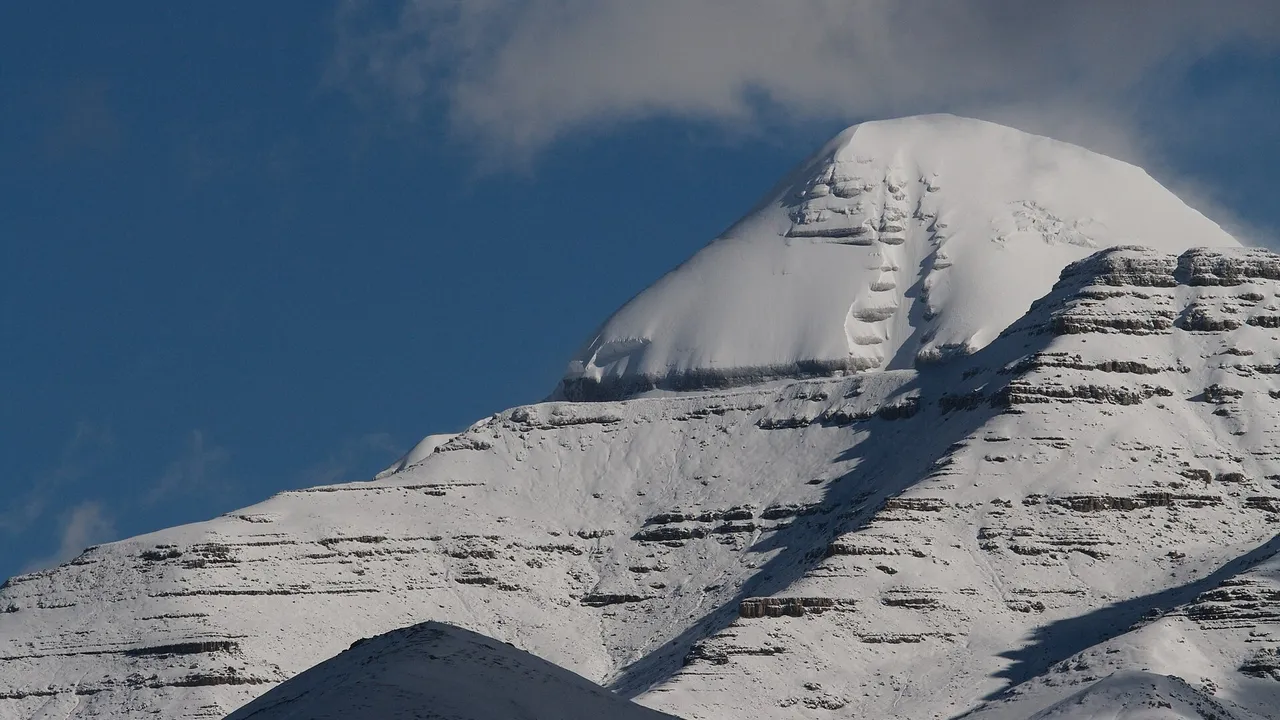
The Chuku Direction Stretch: The North Wall Emerges
The afternoon passes the Chuku direction as the valley narrows and Kailash's north wall begins to peer over the ridges. Day one's scenery is gradual, the mountain testing patience, revealing itself layer by layer.
Lunch at a trail supply point: hot noodles, butter tea, eggs. Altitude climbs through the afternoon, so slow the pace half a notch, and shortening sentence length is the self-monitoring signal.
Dirapuk Monastery: The Night beneath the North Wall
Reach Dirapuk by early evening at about 5,200 m. First act after dropping the pack: look at the mountain, sunset turning the north wall's ice from white to gold, day one handing over its climax here. The monastery guesthouse offers bunks, hot food, rationed hot water.
Tonight's rules: early sleep, oxygen staged, no shower. Set the alarm for 4:30 am, since tomorrow's pass starts in darkness. Split tomorrow's rations and water into side pockets, so the pre-dawn start needs no headlamp rummage.
Dolma La Pass: The Route's Highest Point
Set out at 5 am for the pass, headlamp, full insulation, measured climbing. Three hours later stands Dolma La at about 5,630 m: flags like walls, windhorse filling the air, the spiritual apex of fifty-two kilometers and the body's test apex alike.
The pass routine: one clockwise circuit of the flag tower, hang a flag or cast windhorse, photos, then descend at once. Fifteen minutes maximum, since the downhill scree demands more focus than the climb.
Dzutrul Monastery: The First Sweet Tea after the Pass
Descend to Dzutrul monastery, the route's most soothing supply point: sweet tea, hot noodles, benches and sun. Milarepa's meditation cave lies here, its wall prints worth a dedicated look. Sit forty minutes before the temple, heart rate and mood landing together.
About twelve gentle downhill kilometers remain to Tarchen, legs in machine mode. Shoot less, walk more; the body now most needs a regular stride.
Back to Tarchen: The Kora Complete
Back in town by afternoon, fifty-two kilometers closed underfoot. The teahouse's hot tea, boots off, and a quiet sense of completion form the standard post-kora scene. Tonight ranks among the five days' most important sleeps, repair beginning here.
Hot, soft dinner, then fifteen minutes of hot-water foot soak. Any fever or persistent cough means contacting the clinic at once, for inflammation at altitude runs faster than the lowlands.
Tarchen Sweet Tea House and Butter Tea Stall: The Rest Day
Day four is the licensed nothing day: the teahouse debrief and family check-in through the morning, the butter-tea stall and street-watching through the afternoon. The rest day's value shows only after forty-eight hours, and day five's condition will deliver the verdict.
If energy allows, photograph the town-edge flag grounds slowly in the afternoon; the sole discipline is no climbs, no fast walking, no side trips over an hour's drive.
The Flags and the Town Edge: Five Days' Close and Departure
The last morning revisits the town-edge flags, the five-day line's final dawn facing the peak. By now you have walked the kora, seen the lakes, worn the teahouse seat familiar; the same flags in day-five eyes make another picture.
Back in town before noon to settle and load, departing after lunch for station or airport. The five days close the right way: what you carry home is not conquest but a stretch of living in which the peak and the lake took part.
| Getting around |
|
| Budget | Kora costs follow the posted notice; five-day charter shares, lodging and meals total roughly RMB 2,200-4,000 pp. |
| Best time | May-June and September-October are the golden windows, pass clear of deep snow and daylight ample; April and late October need microspikes, and July-August runs wet and slick. |
FAQs
Is one adaptation day before the kora enough?
Tight but feasible for most, provided the approach itself was high: those adapting all the way from Lhasa manage on one day; those flying straight into Gunsa Airport should take two. The test is the eve-of-kora night and morning: sleeping, eating, headache-free means go; any item short means wait another day.
Can the kora be walked in three days?
Yes, and it is the recommended form for ordinary fitness: day one toward Chuku with lodging or a return folded in, day two up to Dirapuk, day three over the pass and finishing unhurried. The three-day form drops the biggest single day from thirty to around twenty kilometers, at the cost of one more day's time and lodging. Time-rich, fitness-conservative travelers should take it.
Which day is the hardest of the five?
Day three: a pre-dawn start, the 5,630 m pass, then nearly twenty kilometers of descent, about thirty kilometers in total. It is also the best-repaid day. Day four's rest is not optional but mandatory, executed as day three's continuation.
Can I depart right after finishing the kora?
Not advised: right after the kora the immune system runs at a low ebb, and an immediate long drive stacks infection risk onto motion sickness. One rest night is the floor, and day four exists precisely for it. If you must go, take an afternoon departure, pack motion medicine and warm water, and walk about every two hours.