
Seven days is Kailash's luxurious form: the kora ceases to be a schedule-squeezed item and becomes the core event, underwritten by two adaptation days and escorted by two rest days. Pulan's time structure shifts accordingly: you did not come to see the peak, you came to live a week at its foot, and the kora is simply that week's most important two days.
The structure runs in four movements: days one and two adapt across Tarchen and the lakes, days three and four walk the kora's roughly fifty-two kilometers, days five and six rest and go deep into town life, day seven says farewell and departs. Every day carries a weather alternate and a body alternate; half a seven-day plan is the schedule, and half is how to change it gracefully.
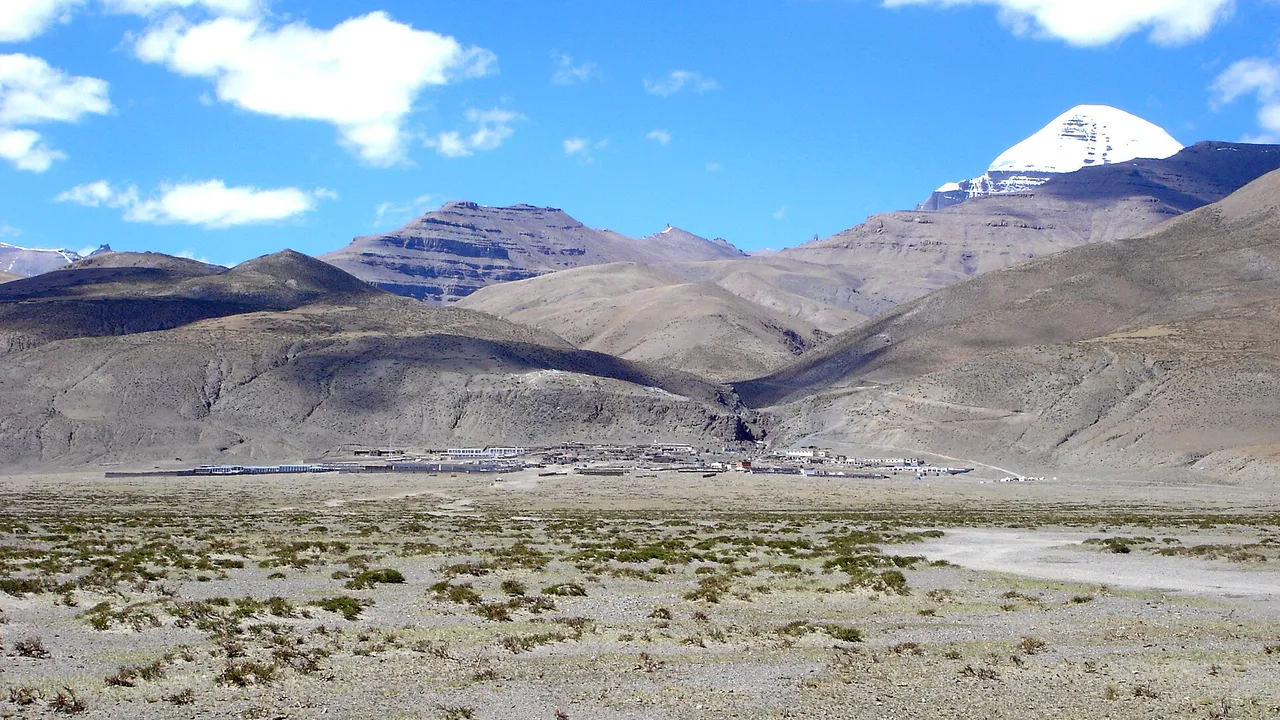
Itinerary at a glance
| Day 1 · 14:00 | Tarchen: Arrival and Setting the Seven-Day Tempo |
| Day 2 · 09:00 | Tarchen Sweet Tea House: The Adaptation Morning |
| Day 2 · 14:00 | Prayer Flags and Mani Piles: The Town Edge Afternoon |
| Day 2 · 17:30 | Mount Kailash Viewpoint: The Adaptation Day's First Look |
| Day 3 · 09:30 | The Manasarovar Circumambulation Stretch: Two Lakes, Opening with the Sacred One |
| Day 3 · 14:30 | Rakshastal: The Two-Lakes Day's Second Half |
| Day 4 · 06:00 | Kora Starting Section and the Chuku Direction: Kora Day One |
| Day 4 · 17:00 | Dirapuk Monastery: The First Night beneath the North Wall |
| Day 5 · 08:00 | Dolma La Pass: The Morning at 5,630 Meters |
| Day 5 · 11:30 | Dzutrul Monastery: Post-Pass Sweet Tea and Reconciliation |
| Day 5 · 16:00 | Back to Tarchen: The Fifty-Two Kilometers Close |
| Day 6 · 10:00 | Tarchen Butter Tea Stall and Tibetan Eatery: The Rest Day |
| Day 6 · 17:00 | Mount Kailash: The Farewell Angle |
| Day 7 · 09:00 | Tarchen: Settling, Farewells and Departure |
The route, stop by stop
Tarchen: Arrival and Setting the Seven-Day Tempo
Arrive in Tarchen by afternoon of day one and, checked in, set up the week's base: your adopted teahouse, laundry and hot-water points, where oxygen and rations restock. At 4,700 m, day one's exertion caps at one lap of the main street.
At dusk, meet the driver and lay out the week's skeleton and slack: which two days walk, which two see lakes, which rests, and the Plan B for when weather holds.
Tarchen Sweet Tea House: The Adaptation Morning
Day two's morning belongs to the teahouse: hot sweet tea, the window seat, kora walkers streaming past. The adaptation day's core metrics are heart rate and headache grade, and seated observation complies by nature. Check in with family and back up the seven-day plan with someone trusted.
Read the wall's group-ups and weather intelligence, noting rumors of which day the pass clears, since the seven-day plan's time margin lets you move by choice.

Prayer Flags and Mani Piles: The Town Edge Afternoon
Walk to the town-edge flag grounds in the afternoon, five colors rolling in the plateau's hard wind. The flags and mani piles are Tarchen's spiritual front yard; watch locals add stones, change flags, and circle, and seven days suffice to turn you from spectator into a recognized regular.
Complete one ritual act here: sponsor a prayer flag, hung by or with local guidance. It carries your wish into the wind before you ever reach Dolma La.
Mount Kailash Viewpoint: The Adaptation Day's First Look
The viewpoint empties by evening, the peak spreading the west wall's detail before dusk. You will come more than once in seven days, and the first visit's only task is acquaintance: its outline, its light direction, its daily traffic with clouds.
Return after sunset, soak the feet after dinner, sleep early. The two adaptation days' account balance pays out with interest on the walking days. Give poles, headlamp and bottles a final check and stand them by the door; tomorrow's dark departure finds everything.
The Manasarovar Circumambulation Stretch: Two Lakes, Opening with the Sacred One
Day three charters the two-lakes day, the morning for the sacred lake: a short clockwise stretch of the circumambulation path, the water's blues banding open at about 4,588 m. Circumambulators move along the shore, and for a few kilometers your traveler's pace walks beside their devotion.
The sacred lake's emotional key is stillness: speak little, watch the water much. Lunch lakeside on packed rations, watching Naimona'nyi trade shapes with the clouds while the gear checklist runs itself in your head.
Rakshastal: The Two-Lakes Day's Second Half
The afternoon moves to Rakshastal one road away: lead-gray water, gravel flats, an atmosphere apart from the sacred lake, turning purity and turbidity from concept into scene. Give these quiet waters forty minutes and set them beside the morning's blue in memory.
On the return, view lakeside pastures and herds from a distance without nearing tents. Back in Tarchen by dusk for the kora's final gear check. Run the list: poles, headlamp, two oxygen canisters, two days of rations, glucose and sunblock; fill tonight whatever is missing.
Kora Starting Section and the Chuku Direction: Kora Day One
Depart clockwise at dawn into kora day one, about twenty kilometers aimed at Dirapuk. The valley opens on gentle grades, the valley walls narrow past the Chuku direction, and the north wall unveils through the afternoon. The pace law: full sentences throughout, ten minutes of rest each hour.
Day one's classic error is excitement overspeed. The kora is fifty-two kilometers of practice, and day one's restraint is day two's ticket. Hold the pace at singing level; overspeed's bill arrives on tomorrow's slopes.
Dirapuk Monastery: The First Night beneath the North Wall
Reach Dirapuk by early evening at about 5,200 m. The north wall turns from white to gold in the sunset, day one's climax and day two's psychological reserve alike. The monastery's bunks run simple, hot food and water rationed.
Tonight runs the full night protocol: no shower, early sleep, oxygen staged at the bedside. The 4:30 am alarm and the will both set for the pass.
Dolma La Pass: The Morning at 5,630 Meters
Depart in darkness for the pass and, three hours later, stand on Dolma La, the route's highest point. Flags like walls, windhorse riding the thin air, the kora's entire meaning rendered physical in this moment. One clockwise circuit of the flag tower, hang the flag, photograph, then descend with restraint.
Fifteen minutes at the pass, maximum. You walked four days for this, but the pass belongs to greetings, not to lingering. Halve the pace for the first two hundred meters down; scree demands full attention until the gentle grade returns.
Dzutrul Monastery: Post-Pass Sweet Tea and Reconciliation
Descend to Dzutrul monastery, the kora's gentlest supply point: sweet tea, hot noodles, benches, sun, and the thousand-year marks of Milarepa's cave. Reconciling here with the self that crossed the pass is every walker's required module.
About twelve gentle downhill kilometers remain to Tarchen, legs in machine mode. Shoot less, walk more, letting the body digest today through a regular stride.
Back to Tarchen: The Fifty-Two Kilometers Close
Back in town by afternoon, the kora complete. The teahouse runs the celebration automatically: hot tea, hot food, boots off, a quiet sense of completion. Four and a half days of setup, two of walking, the seven-day plan's midsection closes here.
Tonight ranks among the journey's most important sleeps, repair starting now. A hot foot soak after dinner, early to bed, and tomorrow's schedule is legally blank.
Tarchen Butter Tea Stall and Tibetan Eatery: The Rest Day
Day six is the licensed rest day: the butter-tea stall through the morning, watching the returned and the departing trade places; a proper post-kora lunch at the eatery, protein and salt repaid in full.
The afternoon digests the trip's first six days slowly: return the rented gear, say goodbyes at the teahouse, leave contacts with new friends. The rest day's discipline holds: no climbs, no fast walking, no alcohol.
Mount Kailash: The Farewell Angle
Day six's dusk revisits the viewpoint, and your standing has changed: you are now someone who walked the kora, saw the lakes, and wore the teahouse seat familiar. The same mountain in a seventh kind of light belongs only to those who stayed a week.
At sunset, make the peak a farewell gesture that only you know. The seven-day close needs no ceremony for others; the copyright of this memory is entirely yours.
Tarchen: Settling, Farewells and Departure
The last morning settles the seven days in town: lodging accounts, driver's payment, teahouse farewells. The kora town keeps an invisible farewell etiquette, thanking one by one everyone who poured your tea, held your bed, and pointed your way.
Depart after lunch for station or airport. What you carry from seven days exceeds photographs and a certificate-style sense of completion: a rhythm recalibrated by the sacred peak, slow, steady, and certain about when to stop.
| Getting around |
|
| Budget | Kora costs follow the posted notice; seven-day charter shares, lodging and meals total roughly RMB 3,200-5,600 pp. |
| Best time | May-June and September-October first: seven days can wait out separate clear windows for kora and lakes alike; in the Horse Year crowds multiply, so widen the schedule further. |
FAQs
What exactly do the two extra days of the seven-day plan buy?
They buy two valves: the extra pre-kora adaptation day presses the pass risk down another notch, and the second post-kora rest day restores the body to safely endure the long return drive. Beyond that, seven days hold the freedom to move by weather, letting kora and lakes each wait for their best day. Money cannot buy the peak's weather, but time can.
If the body underperforms all seven days, how do you decide on the kora?
The decision tree is clean: on the kora eve, score sleep, appetite and headache; two of three green means go. Dirapuk on day one is the second gate, and a poor night there means returning the way you came. The dawn before the pass is the last gate. The seven-day plan's ease is that any gate's no still leaves two days to finish Pulan's other faces, and the trip stands complete.
Should the lakes day sit before or after the kora?
Before the kora: the sacred lake is the perfect adaptation field, with light activity at 4,600 m staging the body; after the walk, legs and mood both need a gentle bridge, and the lakes' stillness supplies it. If weather inverts, kora days clear and lake days gray, order by weather, since the seven-day structure supports any sequence.
Where does the seven-day budget mainly sit, and can it compress?
Charter dominates: seven days of vehicle cost, split, usually exceeds lodging and meals combined; next come seven nights and kora-related expenses. Compression lives in lodging tier and group size, never in driver quality or oxygen and medicines, which are the safety floor, and economizing there is wagering your life.