 TripMyChinaJOURNEYS THROUGH REAL CHINA✦ AI Trip✦ Plan My Trip
English
简体中文
繁體中文
日本語
한국어
ไทย
Tiếng Việt
Bahasa Indonesia
Italiano
Español
العربية
Русский
Deutsch
Français
Bahasa Malaysia
TripMyChinaJOURNEYS THROUGH REAL CHINA✦ AI Trip✦ Plan My TripTaiyuan · Attractions
Shanxi is the province that powered China, and the China Coal Museum in Taiyuan is where you understand how. This national-level museum walks visitors through the whole story of coal: how ancient forests became seams of black rock over hundreds of millions of years, how generations of miners wrestled the fuel to the surface, and how the industry transformed Shanxi into the energy heart of the world's fastest-growing economy. The star attraction is unique among museums anywhere — a full-scale simulated mine underground, where visitors don helmets with lamps, board a mine cart and rattle through reconstructed tunnels alive with working machinery. Surprising, hands-on and thoroughly Shanxi, it is a must for curious travelers.
The museum's galleries cover coal from every angle. Fossil halls display the fern forests of the Carboniferous period that became Shanxi's coal measures; geology exhibits explain how seams fold and tilt through the mountains; and history rooms trace mining from hand picks and oil lamps to mechanized longwalls, alongside the human story of the miners who powered the country's factories, railways and winter stoves. Exhibits on coal chemistry — coke, gas, chemicals and modern clean-coal research — round out the picture of an industry far larger than most visitors imagine.
The simulated mine is the reason many come. Guided down a shaft in a rattling cage and through tunnels fitted with real machinery — cutting heads, conveyors, support props — you experience something of the underground world in safety, with a guide explaining each stage of extraction. It is genuinely popular with Chinese school groups, so weekday timing helps. The museum sits beside Yingze Park in central Taiyuan, an easy taxi ride from most hotels, and pairs naturally with an evening at the <a href="/attractions/shipin-street/">Food Street</a>. For travelers who wondered what lies beneath China's industrial provinces, this answers it better than any lecture.
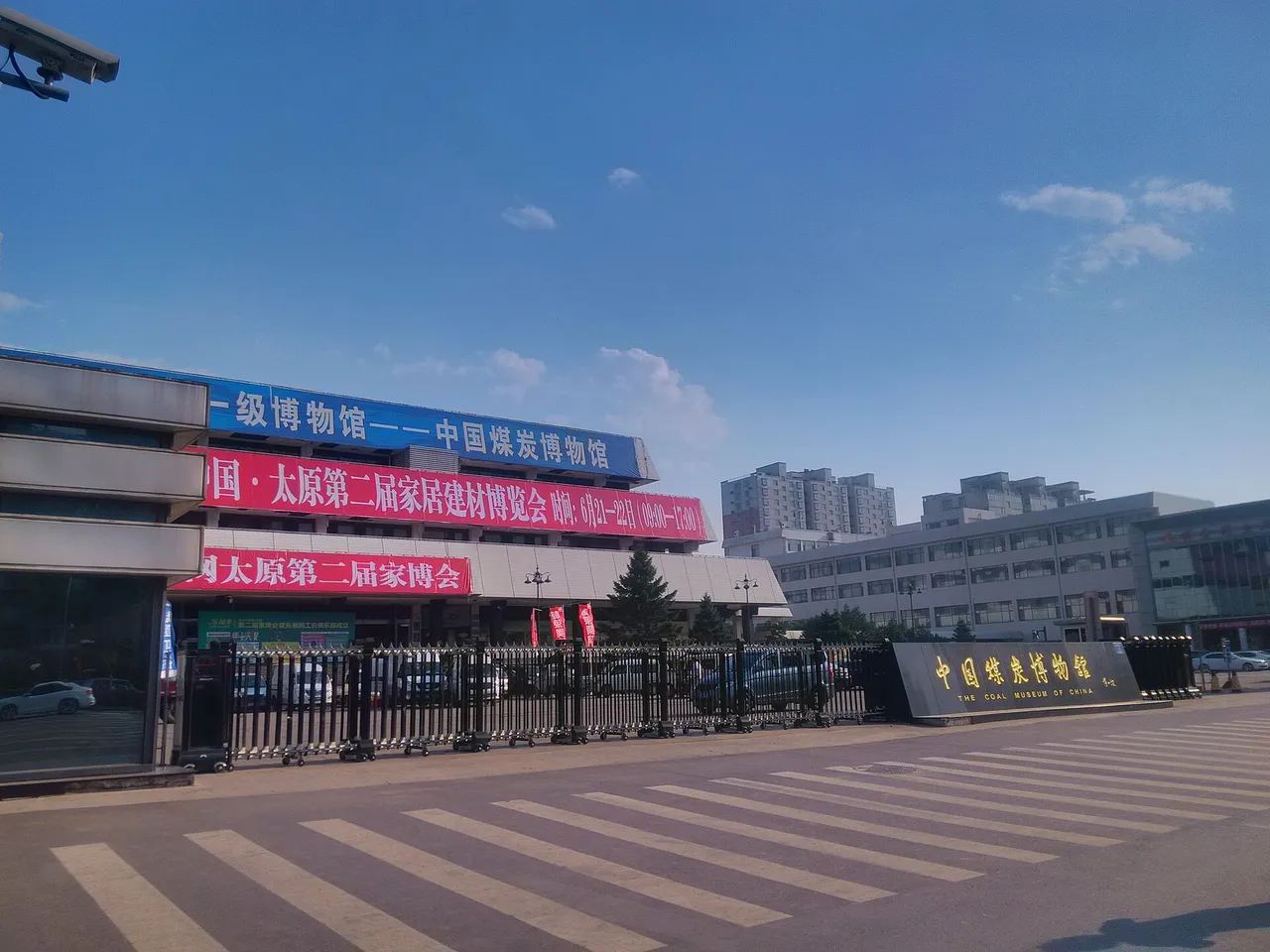
Admission covers the main galleries, while the simulated mine experience traditionally carries a separate modest fee included in combination tickets; prices change occasionally, so confirm at the desk or let your guide arrange it. The mine runs with guided groups at set intervals and in limited numbers, so arrive early or book the first session of the day. Hours run through the daytime, and the museum typically closes one weekday — verify the current schedule, especially around holidays. Identification is needed for ticket registration, so carry your passport. Allow about two hours, slightly more with the mine tour. Photography is permitted in most areas; flash rules apply underground.
The museum stands beside Yingze Park in central Taiyuan, one of the city's most convenient cultural stops. Taxis and ride-hailing cars arrive from most downtown hotels in ten to fifteen minutes, and from the railway stations in about twenty; metro and buses serve the surrounding streets — check current stops. The site combines easily with a stroll through Yingze Park next door and an evening at the Food Street downtown. The simulated mine runs with guided groups at intervals, so on arrival ask for the next tour time and plan the galleries around it. The whole visit fits comfortably into two hours.
As an indoor museum it suits every season, and in Taiyuan's cold winters and hot summers it is the city's most comfortable educational stop. Weekday mornings are ideal, both for quiet galleries and for the first mine tours of the day, which avoid school groups. Avoid national holidays, when the underground sessions book out early. The natural pattern is a museum morning, lunch nearby, and afternoon sights or a park stroll — and an evening at the Food Street completes a day of Shanxi culture, from the rock that fueled it to the noodles that sustain it.
Its unique simulated underground mine, where visitors wearing lamp helmets ride a mine cart through tunnels fitted with working machinery, plus comprehensive galleries on coal geology, mining history and Shanxi's role as China's energy heartland.
Very much so — it is a favorite of Chinese school groups, and the guided ride through the tunnels thrills most kids. Adults prone to claustrophobia should think twice, though the passages are wider than a real working mine's.
Advance booking is not usually required on weekdays, but the mine runs with guided groups at set intervals and capacities, so arriving early and registering for the first session is the reliable strategy. Holiday periods can sell out.
About two hours covers the galleries and the mine tour comfortably. Add time if you linger in the geology and history halls, or combine it with Yingze Park next door for a half-day outing.
 Full day · 8–10 hours
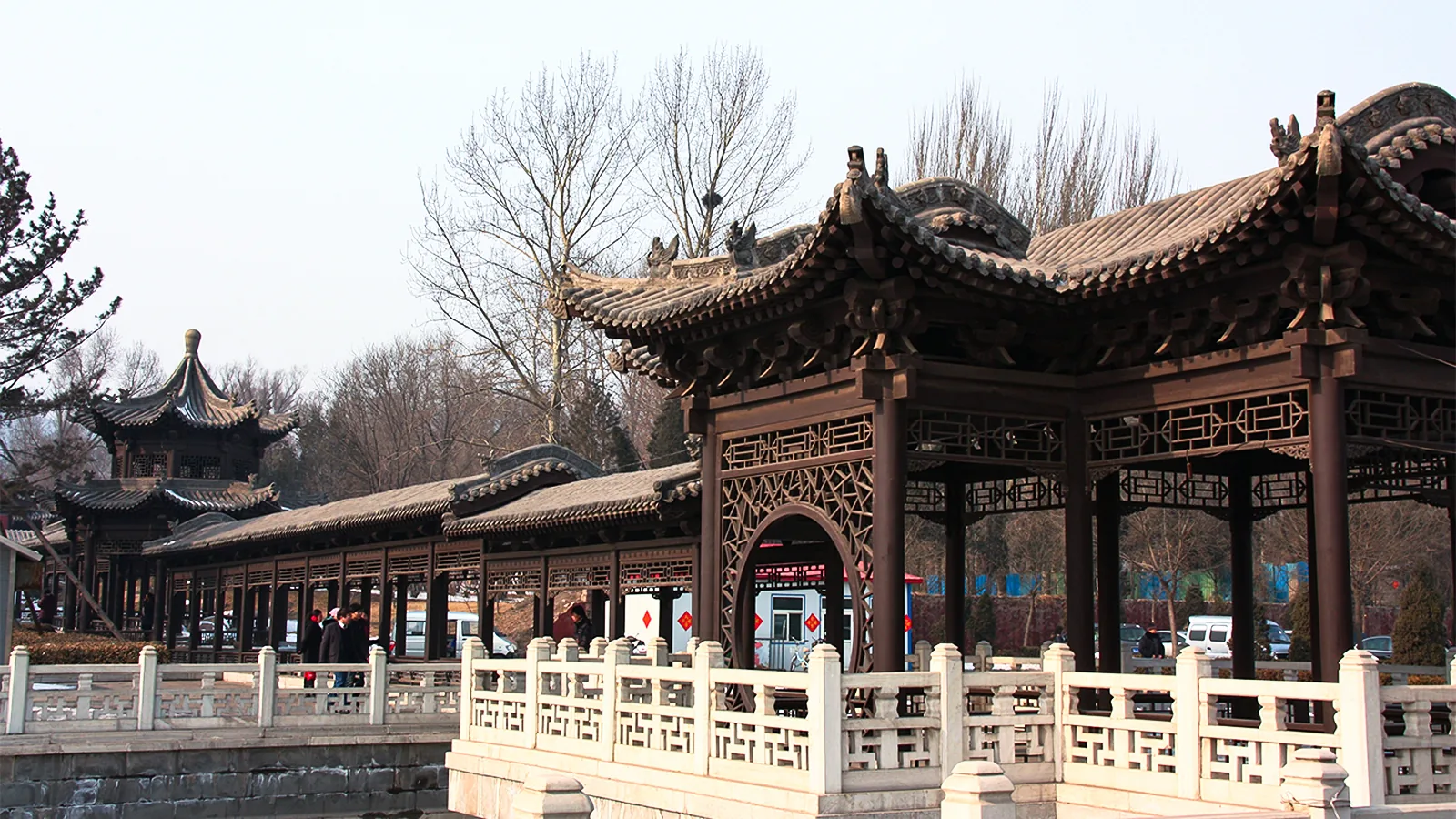
A Northern Song hall standing behind a cross-shaped stone bridge over a spring, then caves cut into a cliff above the Fen
View details →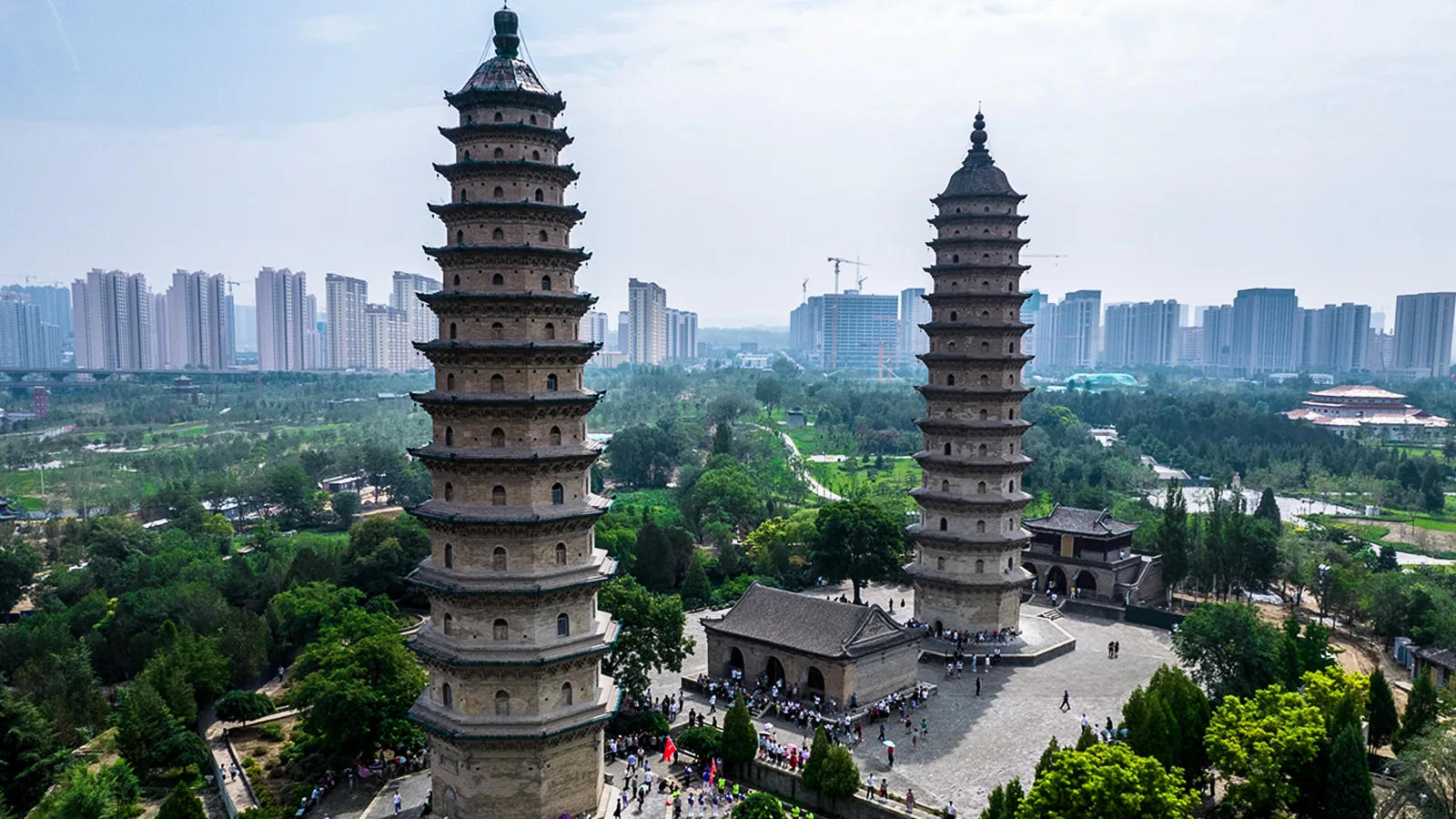 Full day · 8–10 hours
A Northern Qi cliff Buddha, a Tang underground palace, and a ridge that turns red in late October
View details →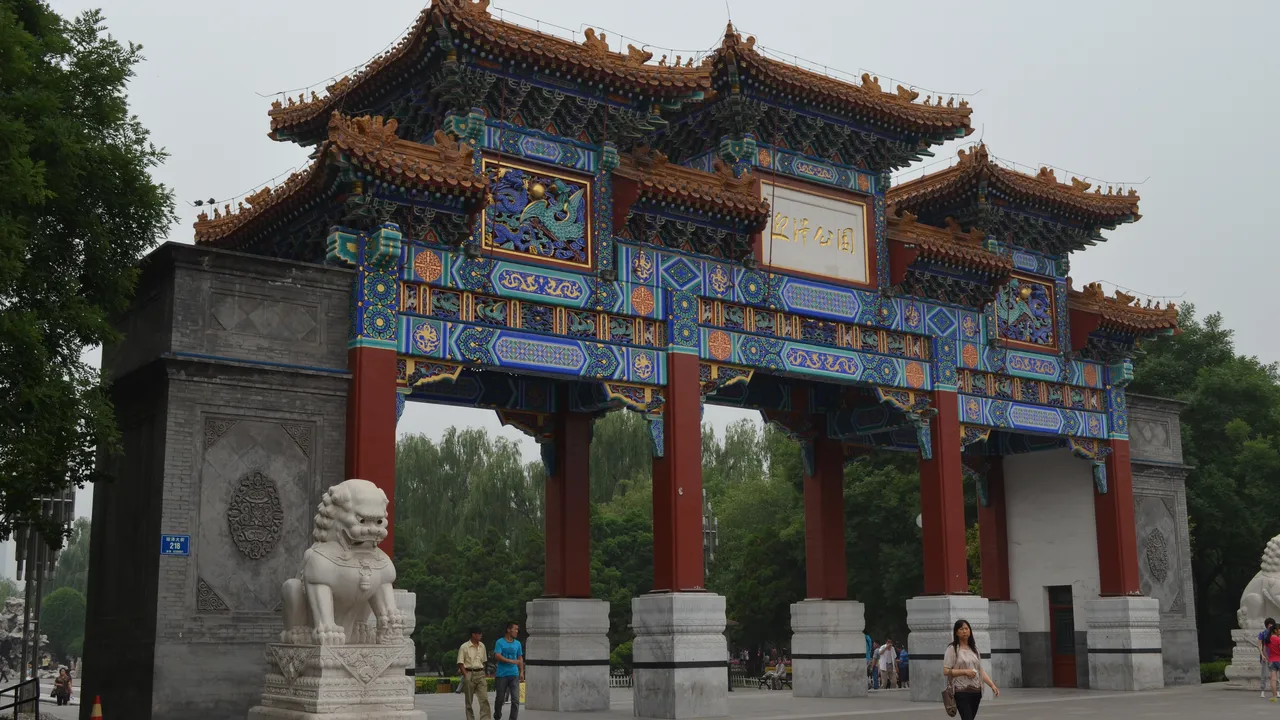 Full day · 8–10 hours
A free museum holding a bronze bird from the Jin marquis tombs, then sand and animals in one afternoon
View details →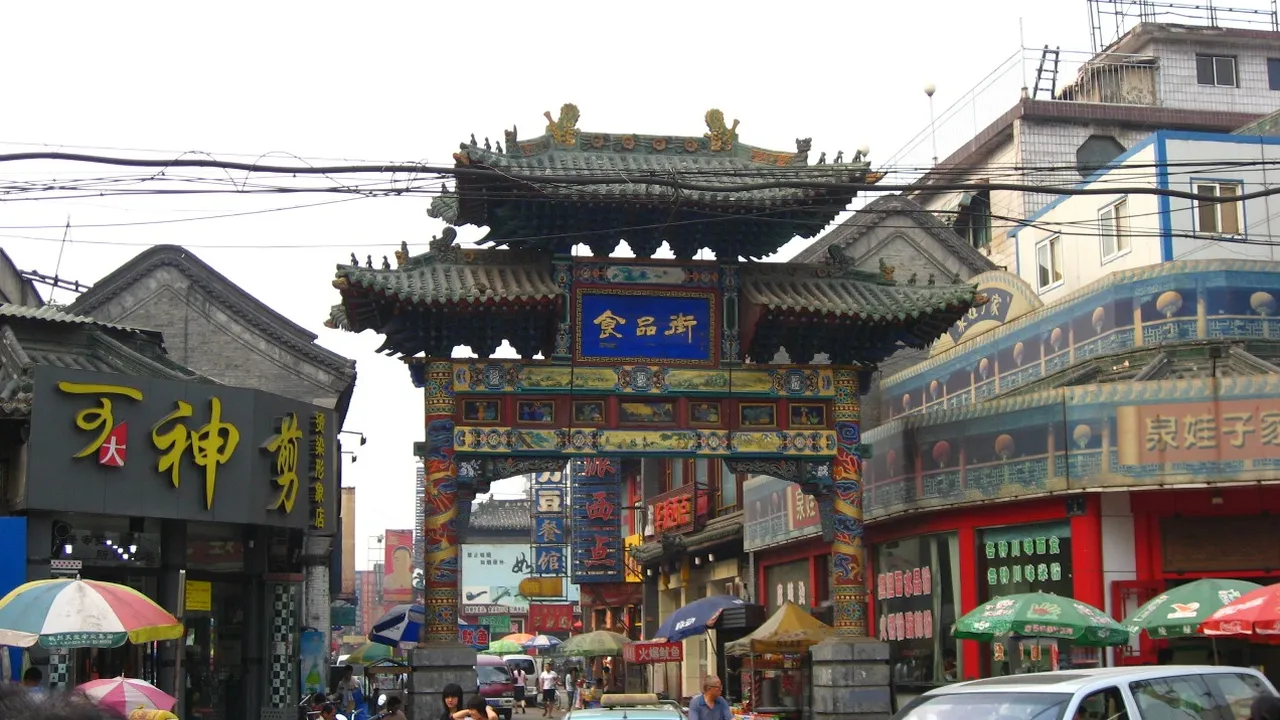 2 days · 1 night · private
A compact first-visit loop of Taiyuan: the Song-dynasty halls of Jinci
View details →3 days · 2 nights · privateThe classic Taiyuan triangle: the Song halls and springs of Jinci, the
View details →Booked a private guide for Jinci mainly because I wanted someone to explain what I was looking at, and it paid off. The Hall of the Holy Mother is Song dynasty, over 900 years old, and our guide pointed out details in the wooden brackets I'd have walked right past. Crossing the Fish Pond Flying Beam was a small thing but I still remember it. We found the Never-Aging Spring after and I filled my water bottle there like a local.
Took the kids up Yongzuo Temple — the twin brick pagodas are steep and the stairs are narrow, so my youngest needed a hand most of the way. Worth it for the view over the city. We did Jinci the day before and the kids actually liked comparing the brickwork with the old wooden halls, which surprised me. Only gripe: not much signage in English at the temple, we were guessing a fair bit.
Private car & driver, day trips and multi-day routes from Taiyuan. · Free consultation · reply within 12h