 TripMyChinaJOURNEYS THROUGH REAL CHINA✦ AI Trip✦ Plan My Trip
English
简体中文
繁體中文
日本語
한국어
ไทย
Tiếng Việt
Bahasa Indonesia
Italiano
Español
العربية
Русский
Deutsch
Français
Bahasa Malaysia
TripMyChinaJOURNEYS THROUGH REAL CHINA✦ AI Trip✦ Plan My TripTaiyuan, the capital of Shanxi, holds Song-dynasty timber halls at Jinci, Buddhist carvings at Tianlongshan, and a museum that lays out the province's long history. The old lanes around Liuxiang are where knife-cut noodles, touhao breakfast and aged vinegar show up on the same table.
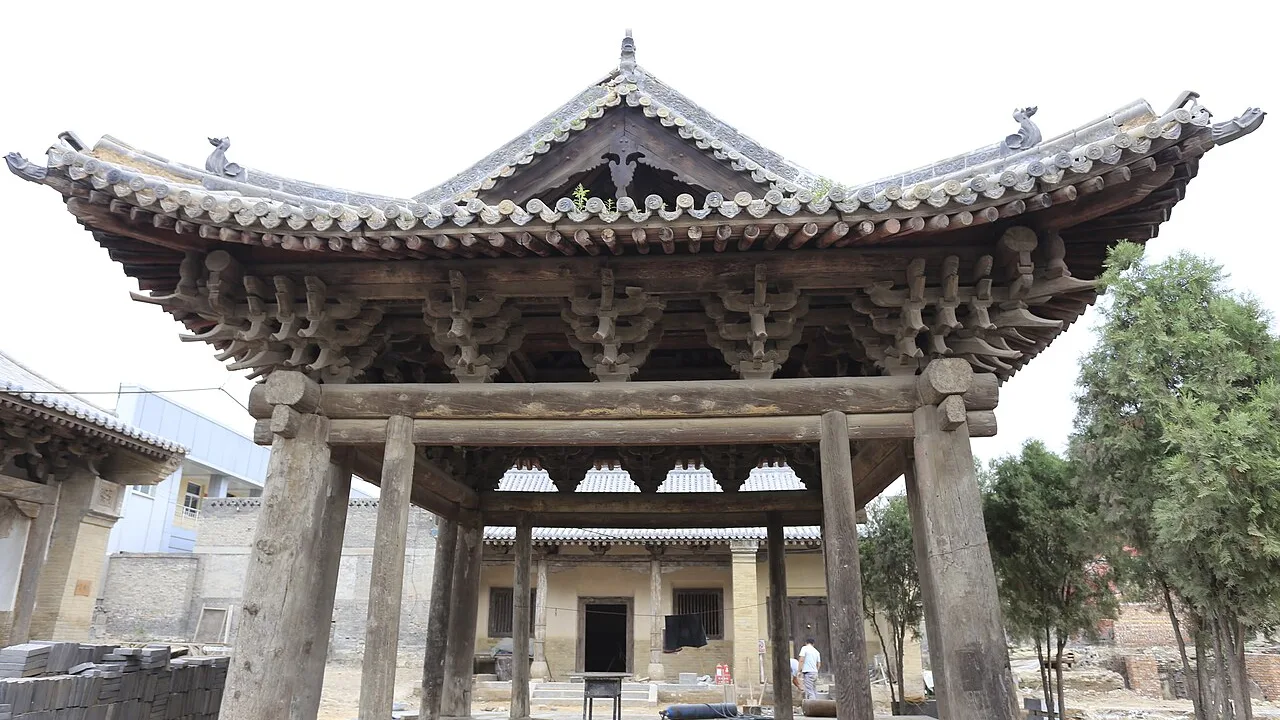
Taiyuan is the capital of Shanxi Province, set in a basin on the Fen River in north-central China, with hills and low mountains rising on several sides. It serves as the provincial hub for government, rail and air travel, and is the usual base for exploring central Shanxi's older sites.
The city has a long record as a regional center in northern China, and its surviving architecture spans several centuries of rebuilding and repair. The tone is practical and lived-in rather than polished: industrial districts, old neighborhoods, and temple complexes sit within the same urban area.
Most visits focus on Jinci, where the Song-dynasty Shengmu Hall, the cross-shaped Yuzhao Feiliang bridge, and the Never-Aging Spring sit in one garden-like compound. The Shanxi Museum gives context for the province's art and history, while the Tianlongshan Grottoes and the Mengshan Buddha lie in the hills outside town. Yongzuo Temple, with its brick pagoda, is an easy stop within the city.
World-class, national and global recognition earned over the decades.
A complex centred on the Song Dynasty Hall of the Holy Mother, with the Fish Pond Flying Bridge and the Never-Aging Spring.
The provincial museum holds major archaeological and artistic collections from Shanxi.
Two brick pagodas from the Ming Dynasty stand as a landmark of Taiyuan.

The moments that shaped the city — and the stories its people still tell.
The main hall of Jinci Temple, a representative work of Song Dynasty architecture.
The temple and its two brick pagodas date from the Ming Dynasty.
Buddhist cave temples carved into the mountainside.
A large seated Buddha carved into the mountain.
The provincial museum preserving Shanxi's archaeological and artistic heritage.
A long-established commercial street in the city centre.
A spring at Jinci Temple whose name refers to its unfailing flow.
The grottoes are known for their Buddhist sculptures cut into the rock.
Three paces, one city — every route built from places we actually operate.
Weather, crowds and the best months for what you want to see.
Mild weather for visiting temples and grottoes.
Warm and green, with occasional rain.
Clear skies and comfortable temperatures.
Cold and dry; indoor sites such as the Shanxi Museum remain options.
Clear, dry weather suits visits to Jinci, the grottoes and the Great Buddha.
What this city is known for — the things worth planning your day around.
The places worth building a day around.
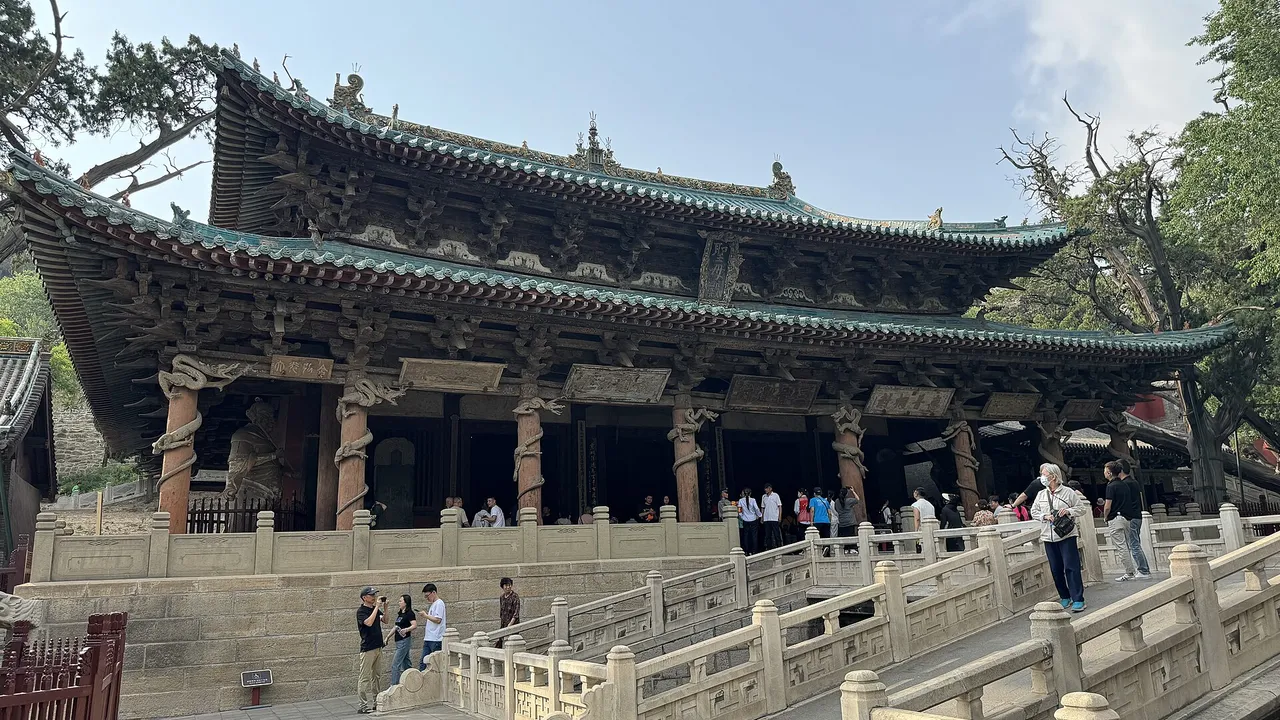
Jinci is where Shanxi keeps its oldest treasures. At the foot of Xuanweng Mountain southwest of Taiyuan, this temple-and-garden complex has grown arou
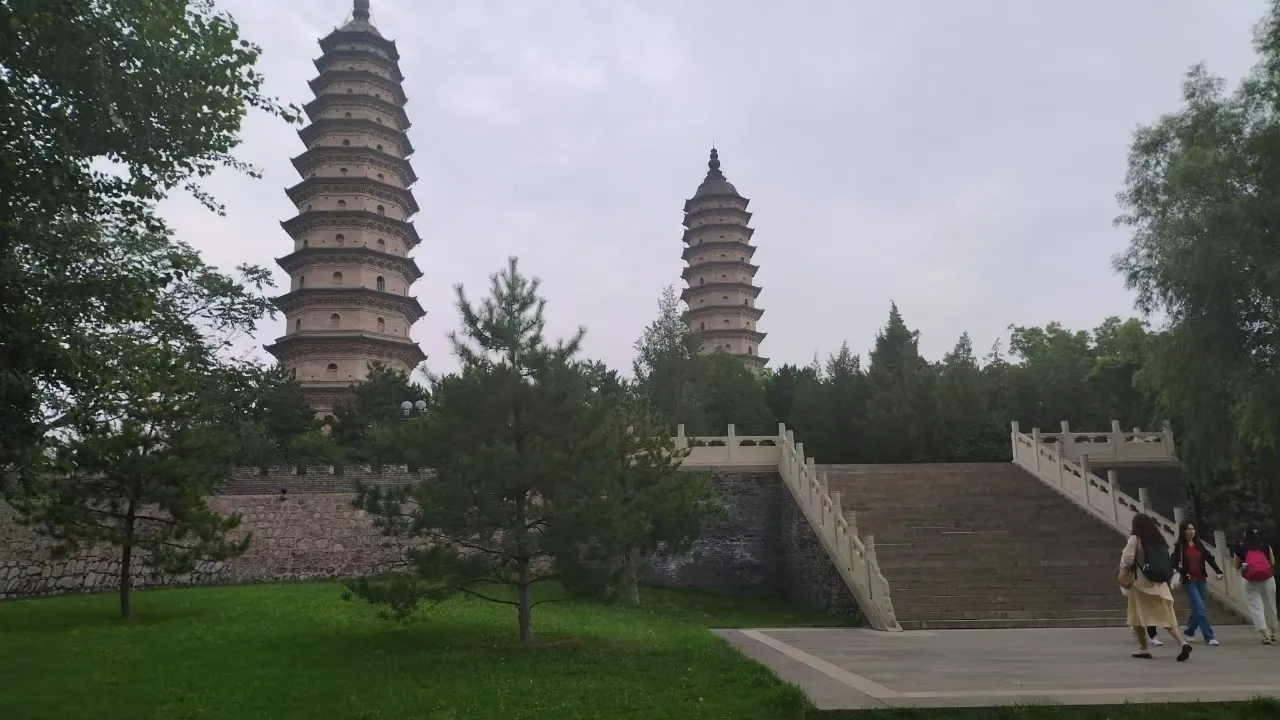
Every city has an emblem, and Taiyuan's is a pair. The twin pagodas of Yongzuo Temple, raised in the Ming dynasty from dark-rust brick, rise more than
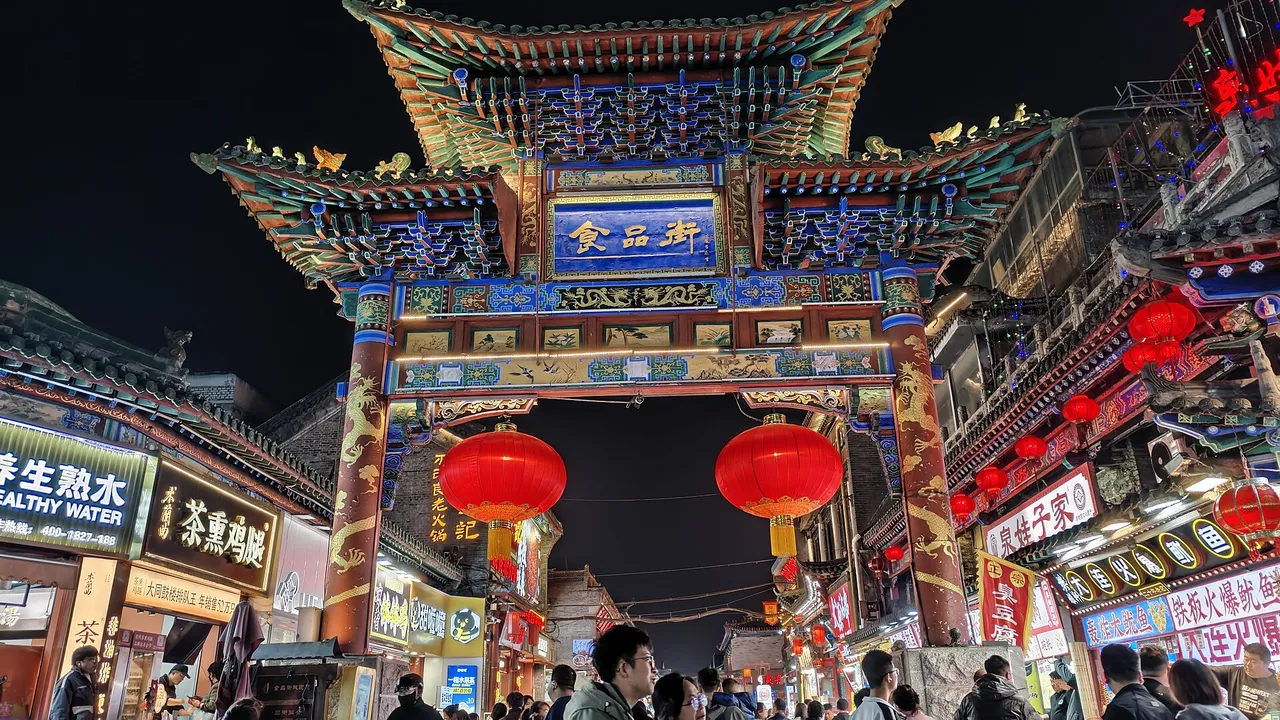
Shanxi is China's noodle heartland and vinegar kingdom, and Taiyuan's Food Street is where both traditions come to the table in one lively lane. Renov
Where the whole street eats — the city's most famous food streets, each with its own guide page.
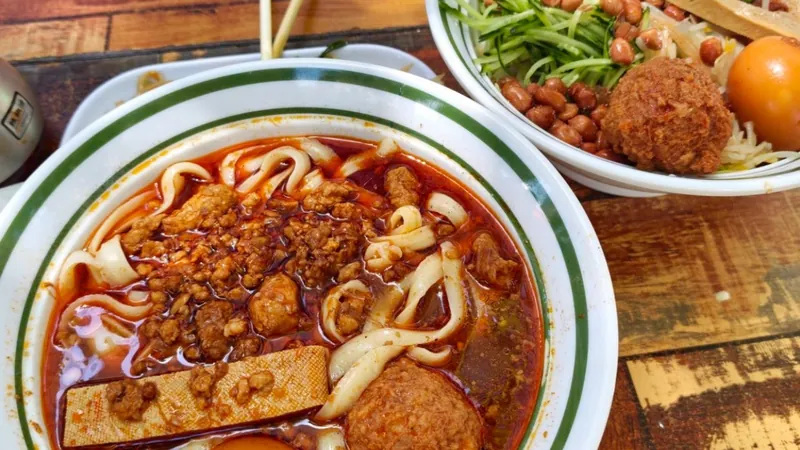
Knife-cut noodles are a common noodle dish in Taiyuan, with the dough sliced directly into the pot.
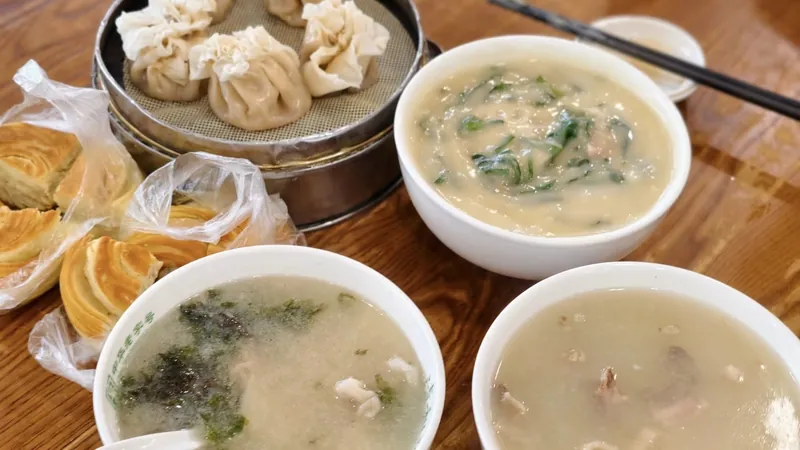
Tounao is a traditional Taiyuan breakfast, a thick soup made with mutton, yam and other ingredients.
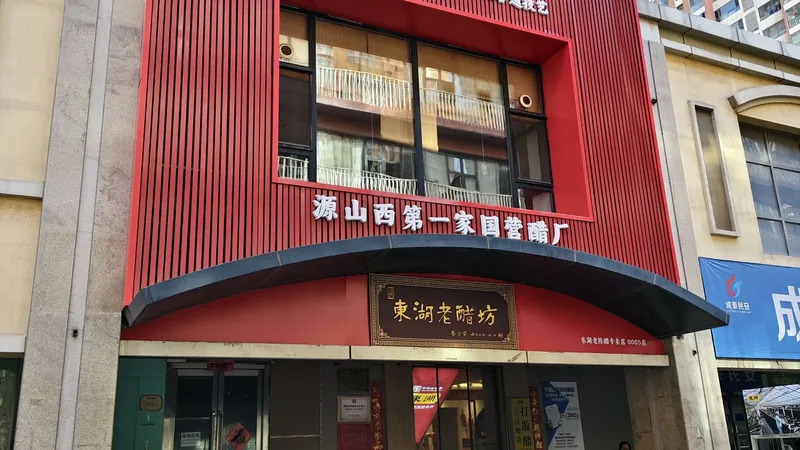
Aged vinegar is a Shanxi speciality widely used in Taiyuan cooking.
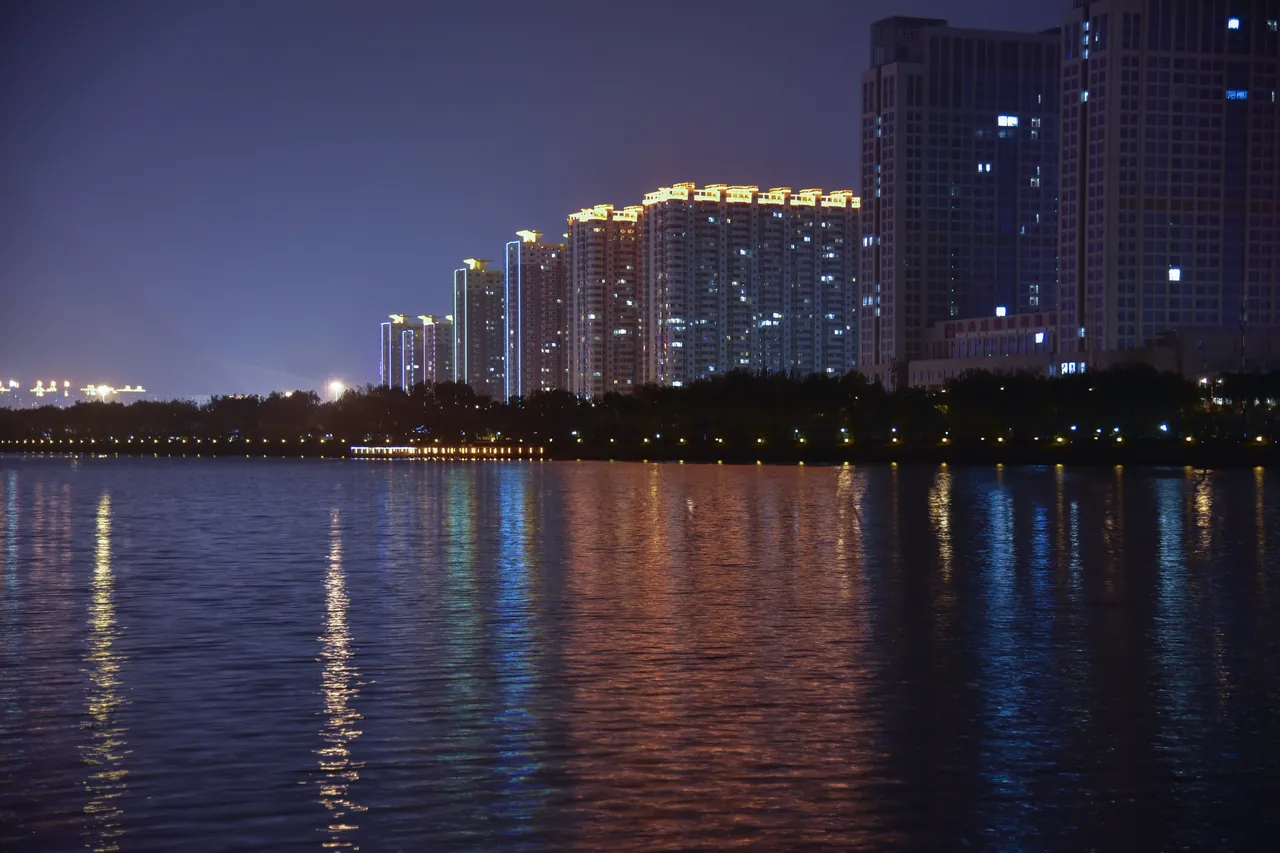
The old commercial street stays busy into the evening; good for a walk and a snack.
Knife-cut noodles are a reliable late meal in the city center.
The museum itself keeps its own hours; the surrounding streets are calm for an evening stroll.
Look for guo you rou and other Shanxi dishes on the menu.
Evenings here are low-key: old streets, noodle shops and a bowl of vinegar-scented food.
Listed sites and the crafts that made this city famous.
Song-dynasty Hall of the Holy Mother, the Fish Pond and Flying Bridge, and the Never-Aging Spring.
A temple known for its pair of pagodas, a landmark of the city.
Buddhist cave carvings in the western hills.
A large seated Buddha carved into the hillside.
Shanxi's signature noodle, cut by hand into the pot.
A traditional Taiyuan soup, often eaten as a morning meal.
A home-style Shanxi dish of sliced pork.
Shanxi aged vinegar is a staple on local tables.
Senior licensed guides with 10+ years in the field and fluent English — deep on history, culture and local life.

Experienced licensed guides with clear English — solid on city highlights, food and day-to-day logistics.

Licensed guides with workable English — a good-value choice for city days, transfers and standard commentary.

Chauffeur-driven by the day, plus airport and intercity transfers.



Private chauffeur-driven vehicles, priced per vehicle not per person. Airport transfer from $45; intercity transfer from $180.
10 guides split by trip length: one-day city routes, three-day escapes and longer journeys, with stops, costs and transport in each.
Start at Jinci for the Song-dynasty clay attendants, climb to the Tianlongshan Grottoes
Three DaysThree Days of Taiyuan's Hills and Waters: Tianlongshan, Mengshan and Both Banks of the FenThree days over Taiyuan's southwestern and northern hill lines: the Tianlongshan and Lon
Multi-DayFive Classic Days in Taiyuan: Jinci, the Grottoes, the Museum and PingyaoFive days collecting the headliners of Taiyuan and Jinzhong: Jinci's Song figures, the T
Real routes, real travellers — a sense of what a trip looks like.
“Spent a day at Jinci and the Shanxi Museum; the Song hall and the spring were the highlights.”
“Three days was right for me: temples and caves, plus noodles every day.”
“Walked Liuxiang in the evening and tried guo you rou and aged vinegar.”
Most travellers spend 3 days here. Add a day for a side trip if you want a slower pace.
Spring and autumn are usually the most comfortable. Check the seasonal notes above before booking.
We arrange airport/rail transfers and private drivers. Tell us your arrival point and we plan the connection.
Send an enquiry and a human expert replies within 12 hours with a draft plan and real prices. Flexible rescheduling; clear cancellation terms in your quote.
2-day private itineraries in Taiyuan start from $540 per person, two travelling together. Your proposal itemises hotels, tickets, guide and car — no hidden fees.
This guide does not list ticket prices or reservation rules. Check official channels for each site before visiting.
One day covers Jinci and the city center; three to five days allow time for Tianlongshan Grottoes and the Mengshan Giant Buddha.
The Song-dynasty Hall of the Holy Mother, the Fish Pond and Flying Bridge, and the Never-Aging Spring.
Liuxiang and the surrounding old streets have noodle shops and local restaurants; look for knife-cut noodles, guo you rou and aged vinegar.
Opening hours are not listed in this guide. Check official channels for each site.
Yes, it is a good introduction to Jin culture and a natural pairing with Jinci.
A traditional Taiyuan soup, often eaten as a morning meal; some shops also serve it later in the day.
They are both in the western hills and are often paired, but this guide does not list travel times or tickets — check official channels.
Recent listed prices: Jinci Temple ¥80; Twin Pagodas of Yongzuo Temple ¥20-30; Food Street 免费; Mengshan Giant Buddha ¥50; China Coal Museum ¥60(学生/老人¥30). Ticket prices change seasonally — we confirm them in your quote.