 TripMyChinaJOURNEYS THROUGH REAL CHINA✦ AI Trip✦ Plan My Trip
English
简体中文
繁體中文
日本語
한국어
ไทย
Tiếng Việt
Bahasa Indonesia
Italiano
Español
العربية
Русский
Deutsch
Français
Bahasa Malaysia
TripMyChinaJOURNEYS THROUGH REAL CHINA✦ AI Trip✦ Plan My TripTaiyuan · Attractions
Every city has an emblem, and Taiyuan's is a pair. The twin pagodas of Yongzuo Temple, raised in the Ming dynasty from dark-rust brick, rise more than fifty meters over the city's southeastern edge, their slender thirteen-story silhouettes so beloved that they appear on the city's official seal. Built as a pair of companions — one to honor learning, the other to complete the temple — they have watched over Taiyuan for four centuries. Below them, a garden of ancient peonies blooms each spring, descended from Ming era plantings, and a small museum completes a visit that takes barely two hours but delivers the single most photogenic skyline in the city.
The temple was founded in the late Ming dynasty, around the turn of the seventeenth century, and its two pagodas rose in sequence: one commissioned by officials to strengthen the region's fortunes in learning, the other added under the temple's own abbot to complete the composition. Both are octagonal, hollow-brick structures of thirteen stories, climbing to roughly fifty-four meters, and their near-identical pairing is a rarity among Chinese pagodas. The brickwork glows a deep umber at sunset, which is when photographers gather on the lawns below.
The temple grounds are compact and pleasant, known especially for peonies: heritage varieties said to descend from Ming dynasty plantings bloom gloriously in late April and early May, drawing flower lovers from across the city. A small museum here — the site now operates as the Twin Pagodas Museum — displays local calligraphy and artifacts, and the walled garden paths make an easy stroll. The temple sits close to the city center, a short taxi ride, and pairs naturally with the <a href="/attractions/shipin-street/">Food Street</a> and downtown in an unhurried half-day. For another brick marvel, the <a href="/attractions/mengshan-buddha/">Mengshan Giant Buddha</a> lies to the southwest.
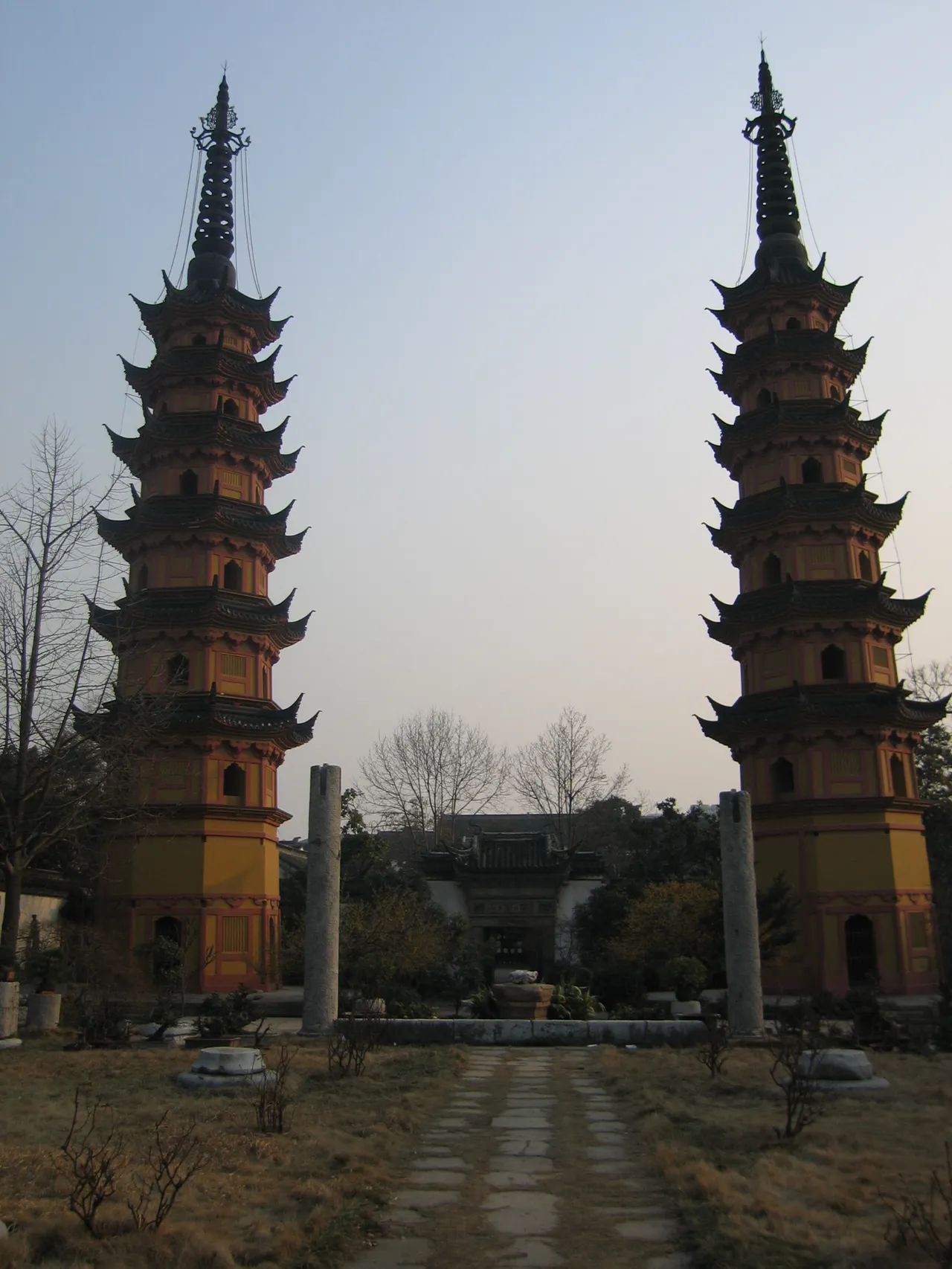
Entry is ticketed at the gate, with modest fees that occasionally change; the site now operates as the Twin Pagodas Museum, so museum ticket policies apply, including standard discounts for students and seniors with identification. Hours run through the daytime with last entry before closing, and the museum may close one weekday — verify the current schedule before going, especially around holidays. Allow about two hours for the pagodas, garden and galleries. Photography is welcomed across the grounds; the best angles are from the garden lawns at sunset. Spring weekends during the peony bloom draw local crowds, so weekday mornings are the quiet choice.
The temple stands on the southeastern side of central Taiyuan, only a few kilometers from the main commercial districts. Taxis and ride-hailing cars arrive in ten to fifteen minutes from most downtown hotels, and city buses stop nearby along the main roads — check current stops as routes adjust. From the railway stations the trip is similarly quick. Many visitors combine the pagodas with downtown sights and an evening at the Food Street, an easy sequence by short taxi hops; a half-day car charter that adds the Mengshan Giant Buddha to the southwest also works well. The grounds are mostly level and manageable in ordinary shoes.
Late spring is the signature season, when the heritage peonies bloom and the garden fills with color — late April to early May is the window, though exact timing shifts with the year. Any season rewards a sunset visit, when the brick towers glow; autumn adds golden leaves to the composition, and winter's clear cold air gives the crispest long-distance views of the city from the garden. Weekday mornings are calm; weekends bring local photographers and family picnics. As a short central sight, the pagodas fit neatly before lunch downtown or as a late-afternoon golden-hour stop.
They are Taiyuan's official emblem, a rare pair of near-identical Ming dynasty brick pagodas rising about fifty-four meters. Their age, their pairing and their place in the city's identity make them the single most representative sight in Taiyuan.
Typically late April into early May, though exact dates shift with each year's weather. The garden's varieties are said to descend from Ming dynasty plantings, and the bloom draws flower lovers from across the city.
Interior access policies vary with preservation schedules and are sometimes restricted to protect the ancient brick. Plan to admire the towers from the gardens, and check on site whether any climbing is permitted that day.
About two hours covers the pagodas, the peony garden and the small museum galleries. It combines easily with downtown sights and an evening at the Food Street.
 Full day · 8–10 hours
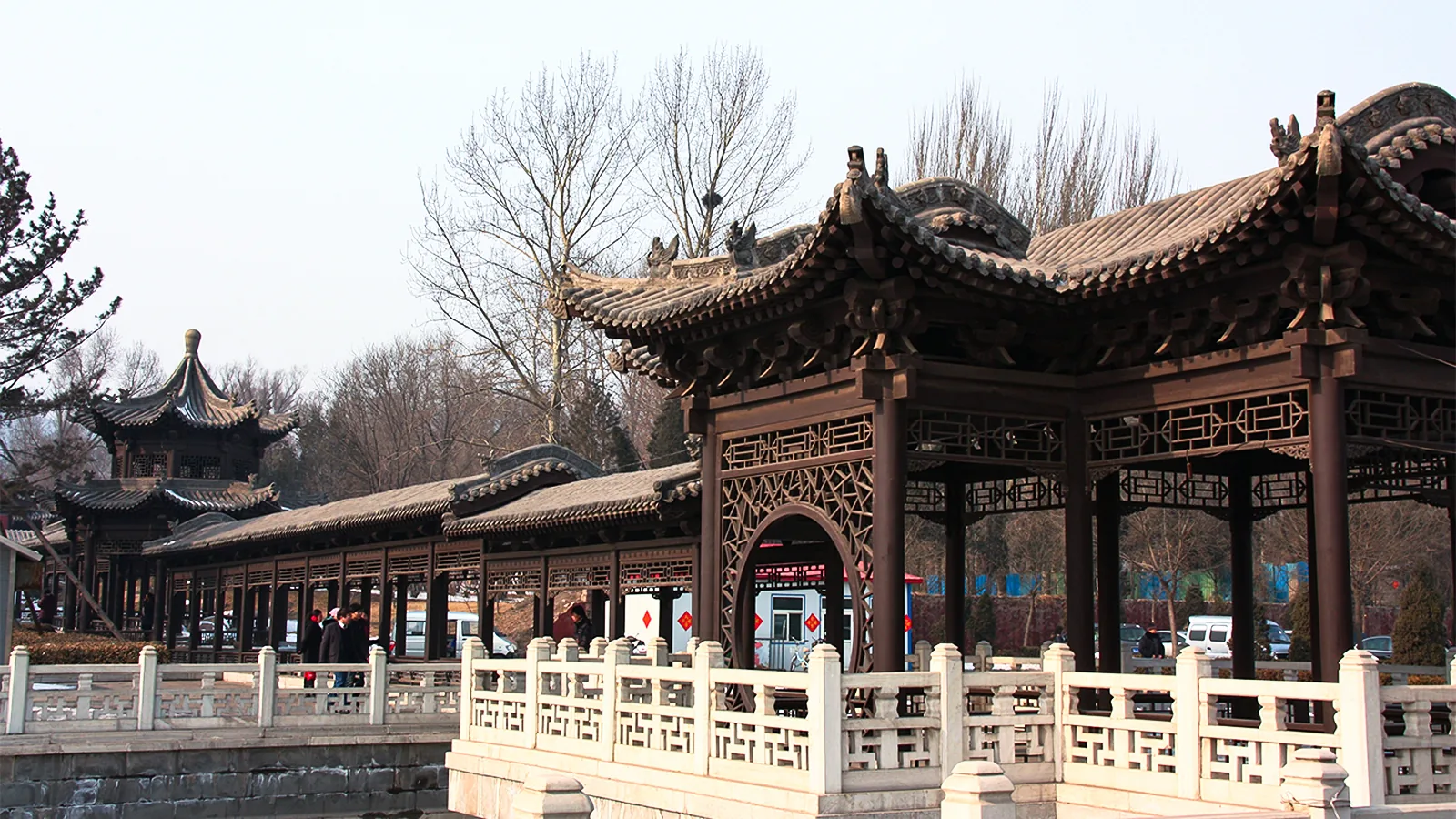
A Northern Song hall standing behind a cross-shaped stone bridge over a spring, then caves cut into a cliff above the Fen
View details →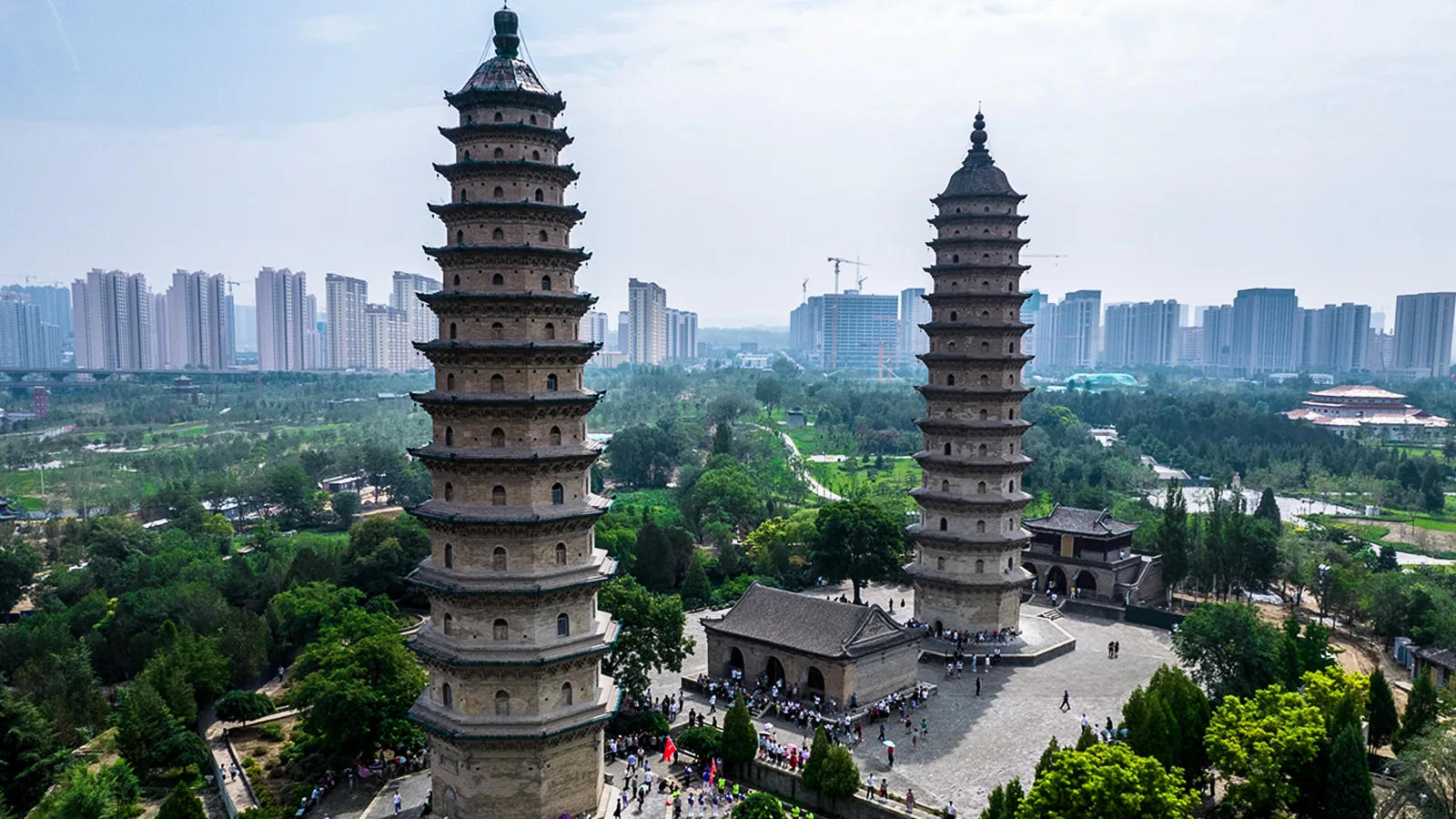 Full day · 8–10 hours
A Northern Qi cliff Buddha, a Tang underground palace, and a ridge that turns red in late October
View details →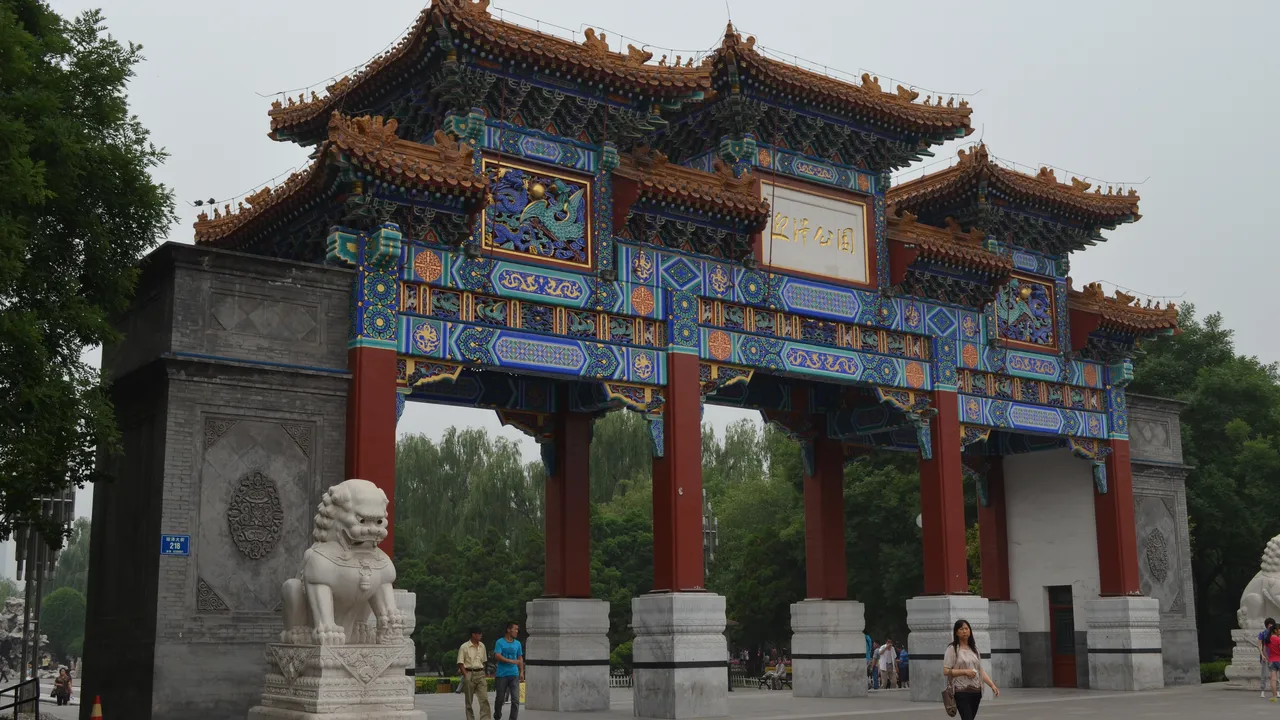 Full day · 8–10 hours
A free museum holding a bronze bird from the Jin marquis tombs, then sand and animals in one afternoon
View details →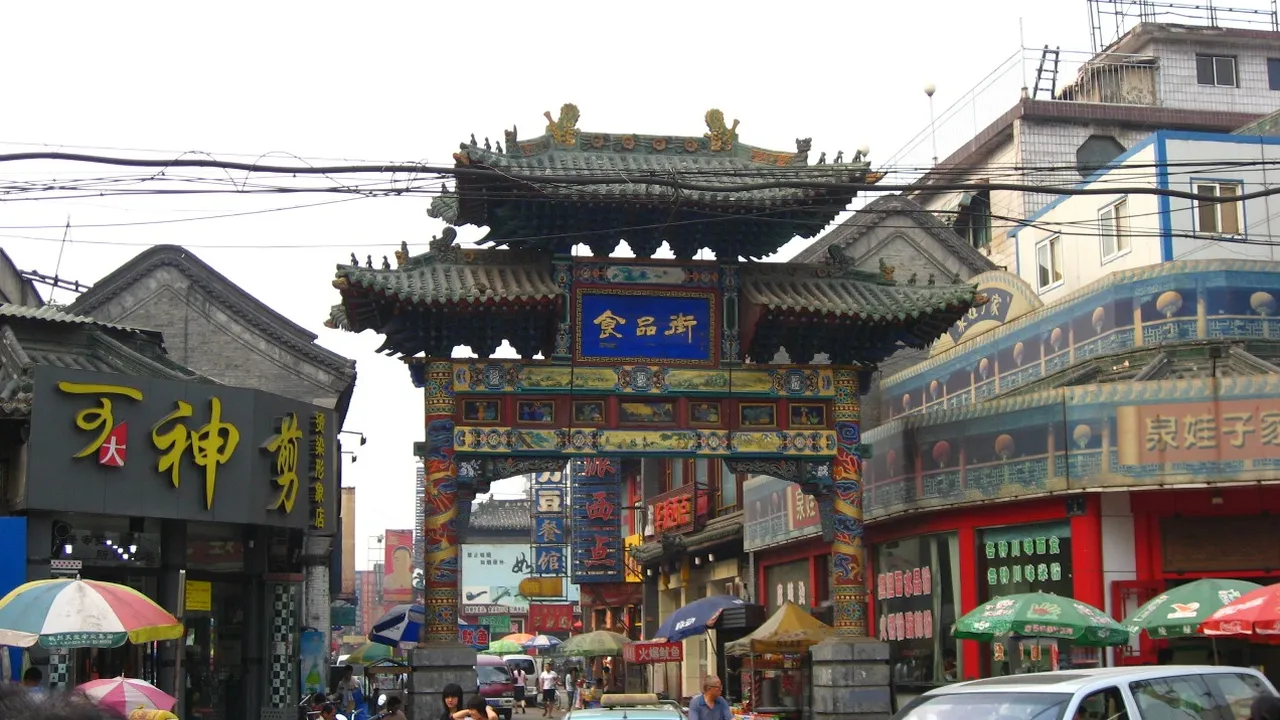 2 days · 1 night · private
A compact first-visit loop of Taiyuan: the Song-dynasty halls of Jinci
View details →3 days · 2 nights · privateThe classic Taiyuan triangle: the Song halls and springs of Jinci, the
View details →Booked a private guide for Jinci mainly because I wanted someone to explain what I was looking at, and it paid off. The Hall of the Holy Mother is Song dynasty, over 900 years old, and our guide pointed out details in the wooden brackets I'd have walked right past. Crossing the Fish Pond Flying Beam was a small thing but I still remember it. We found the Never-Aging Spring after and I filled my water bottle there like a local.
Took the kids up Yongzuo Temple — the twin brick pagodas are steep and the stairs are narrow, so my youngest needed a hand most of the way. Worth it for the view over the city. We did Jinci the day before and the kids actually liked comparing the brickwork with the old wooden halls, which surprised me. Only gripe: not much signage in English at the temple, we were guessing a fair bit.
Private car & driver, day trips and multi-day routes from Taiyuan. · Free consultation · reply within 12h