 TripMyChinaJOURNEYS THROUGH REAL CHINA✦ AI Trip✦ Plan My Trip
English
简体中文
繁體中文
日本語
한국어
ไทย
Tiếng Việt
Bahasa Indonesia
Italiano
Español
العربية
Русский
Deutsch
Français
Bahasa Malaysia
TripMyChinaJOURNEYS THROUGH REAL CHINA✦ AI Trip✦ Plan My TripXishuangbanna · Attractions
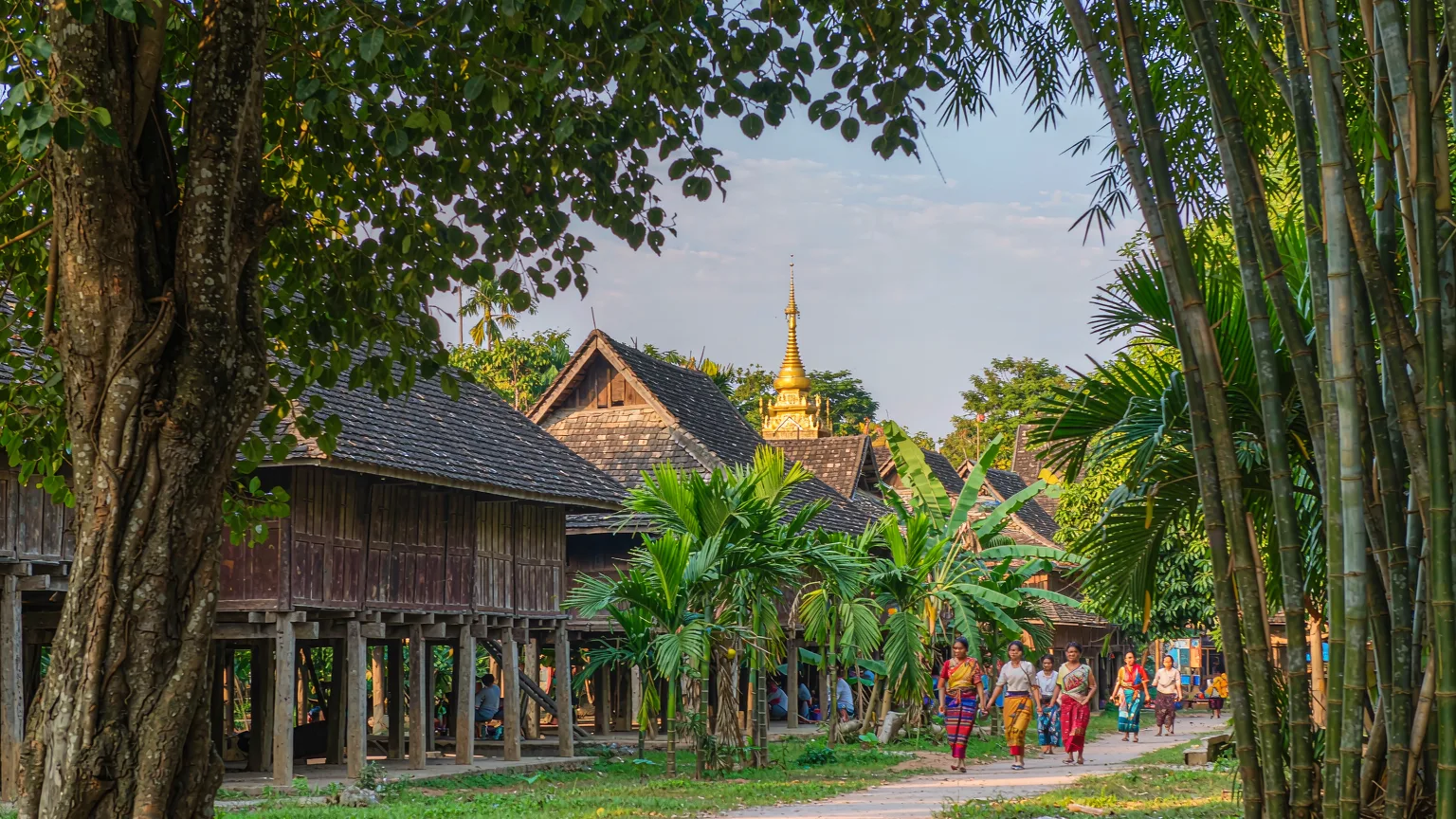
Dai Park covers five Dai villages on a bend of the Lancang River at Ganlanba, 27 km south-east of Jinghong. About 300 households still live inside it, in stilt houses with bamboo floors and tiled roofs, and the park is the villages themselves rather than a reconstruction beside them. The water-splashing sessions in the afternoon are staged for visitors; the temples and the houses are not. It is the easiest place in Xishuangbanna to see how a Dai village is laid out, and the only one where you can walk into a working Buddhist temple without an appointment. The villages sit 1.5 km end to end and the walk between them is flat. Most visitors see only the main lane and miss the houses behind it.
Ganlanba is the old name for the river terrace here, and the five villages, Manjiang, Manchunman, Manzha, Manga and Manting, have been on this bend for centuries. Manchunman Temple, the largest in the park, was founded in the Sui dynasty about 1,400 years ago, and has a courtyard banyan and an ordination hall with murals. Tourism began in 1999, with the aim of keeping the houses occupied rather than turning every one into a shop, and the arrangement has held: most families still farm rice and rubber, and the shops along the main lane are run by the same households that farm them. The five villages share a school, a market and the temple between them, which is how the muang system worked.
The day has a rhythm. Coaches arrive around 10:00; the first splashing is at 14:30 and the second at 16:00, in a concrete pool with a golden naga spout, and anyone can join. Between them there are shows on the village squares: Dai dancing, Hani bamboo-pole dancing, and demonstrations of weaving and slow-wheel pottery. The stalls along the main lane sell the same textiles in every village; the workshops behind them are where the cloth is actually made. Walk one lane back and you are among houses, dogs and rice drying on mats, which is the part worth the trip. The pool is concrete and the water is cold; nobody stays in long. Bring a towel, because none is provided.
45 yuan, 8:00 to 18:00. The splashing and the shows are included.
Buses from Jinghong's south station to Ganlanba take 50 minutes and cost about 15 yuan; the park gate is a 5-minute walk from the stop.
13:30 to 17:00, to catch both splashings and the shows between them.
It is staged daily for visitors at fixed times, not the festival. For the real thing, come in mid-April.
Three hours. Two if you skip the shows and only walk the villages.
 Full day · 8–10 hours
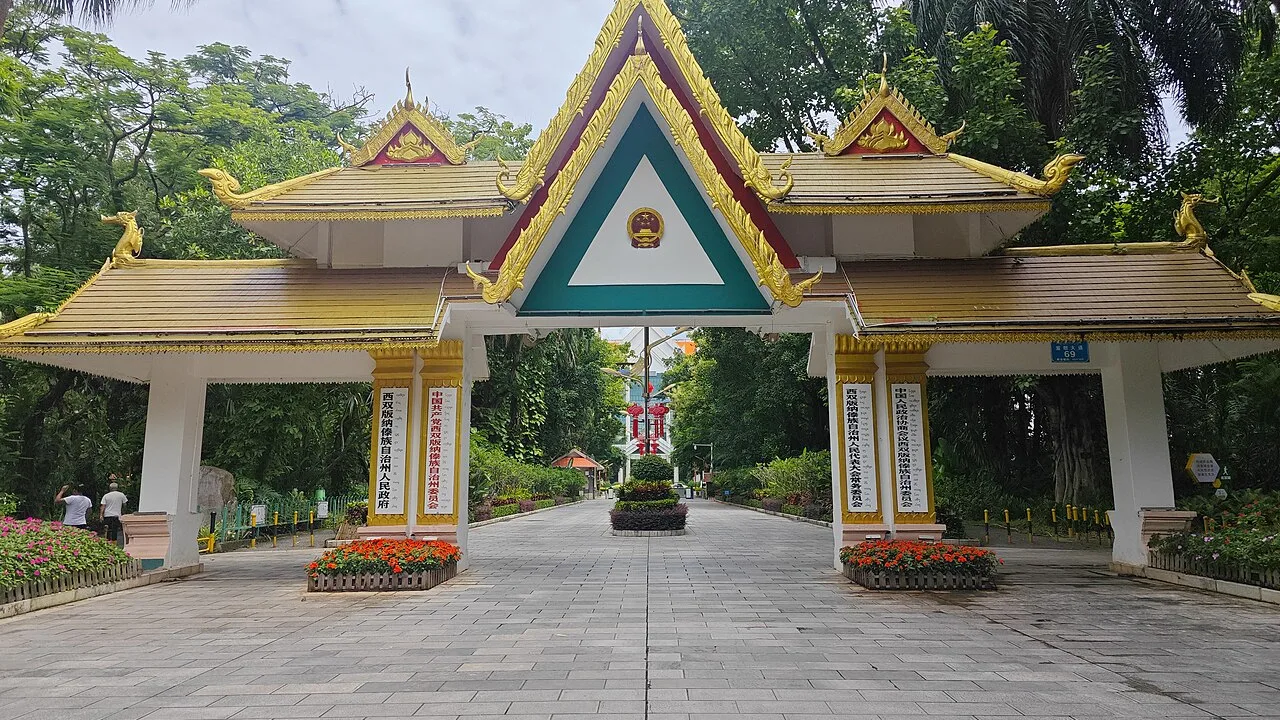
A relaxed full-day introduction to Dai culture, royal gardens and the Mekong-side night bazaar
View details →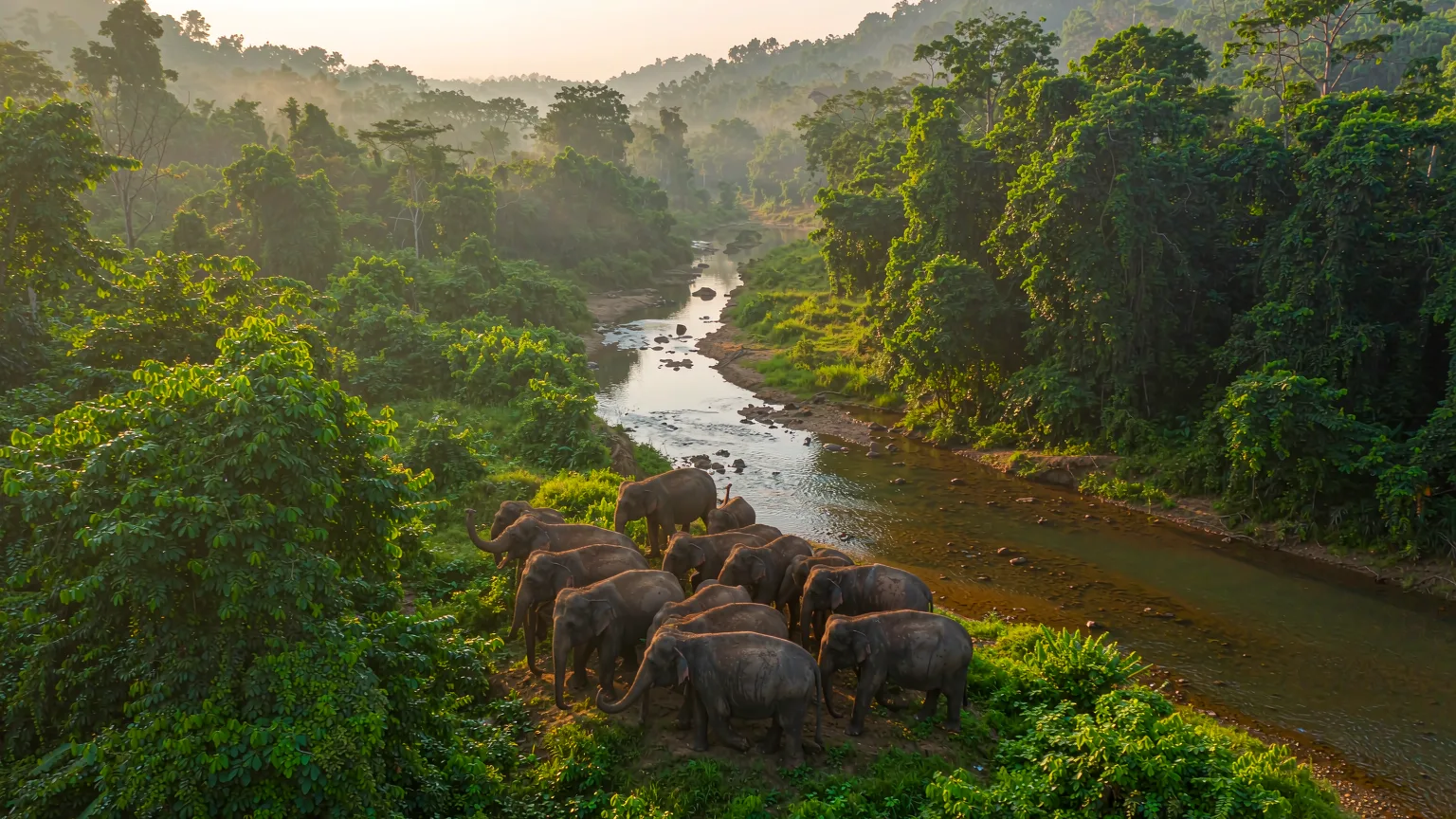 Full day · 8–10 hours
A full-day rainforest and wildlife experience north of Jinghong
View details →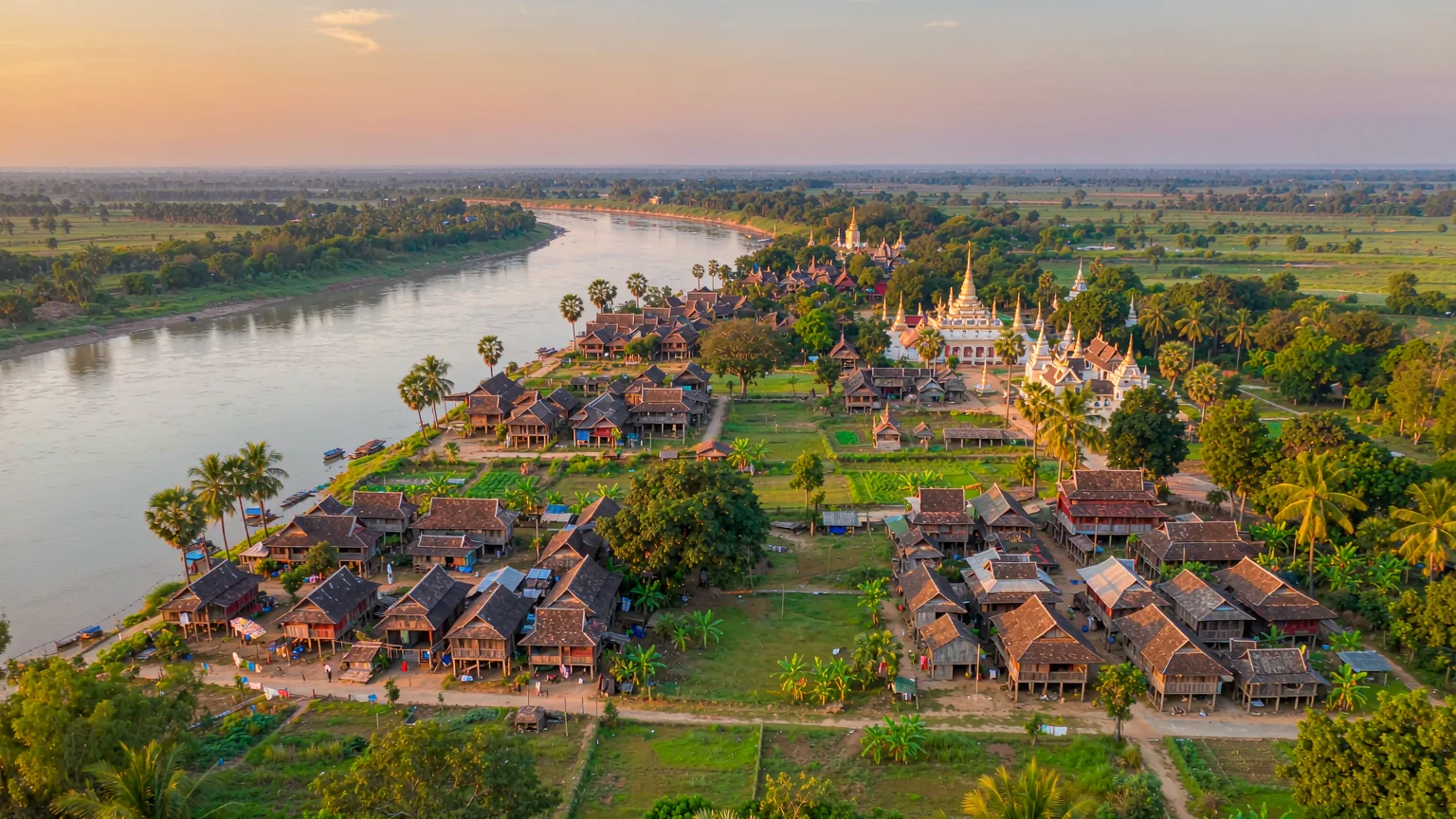 Half day · 4–5 hours
A half-day wildlife encounter in China's tropical rainforest
View details →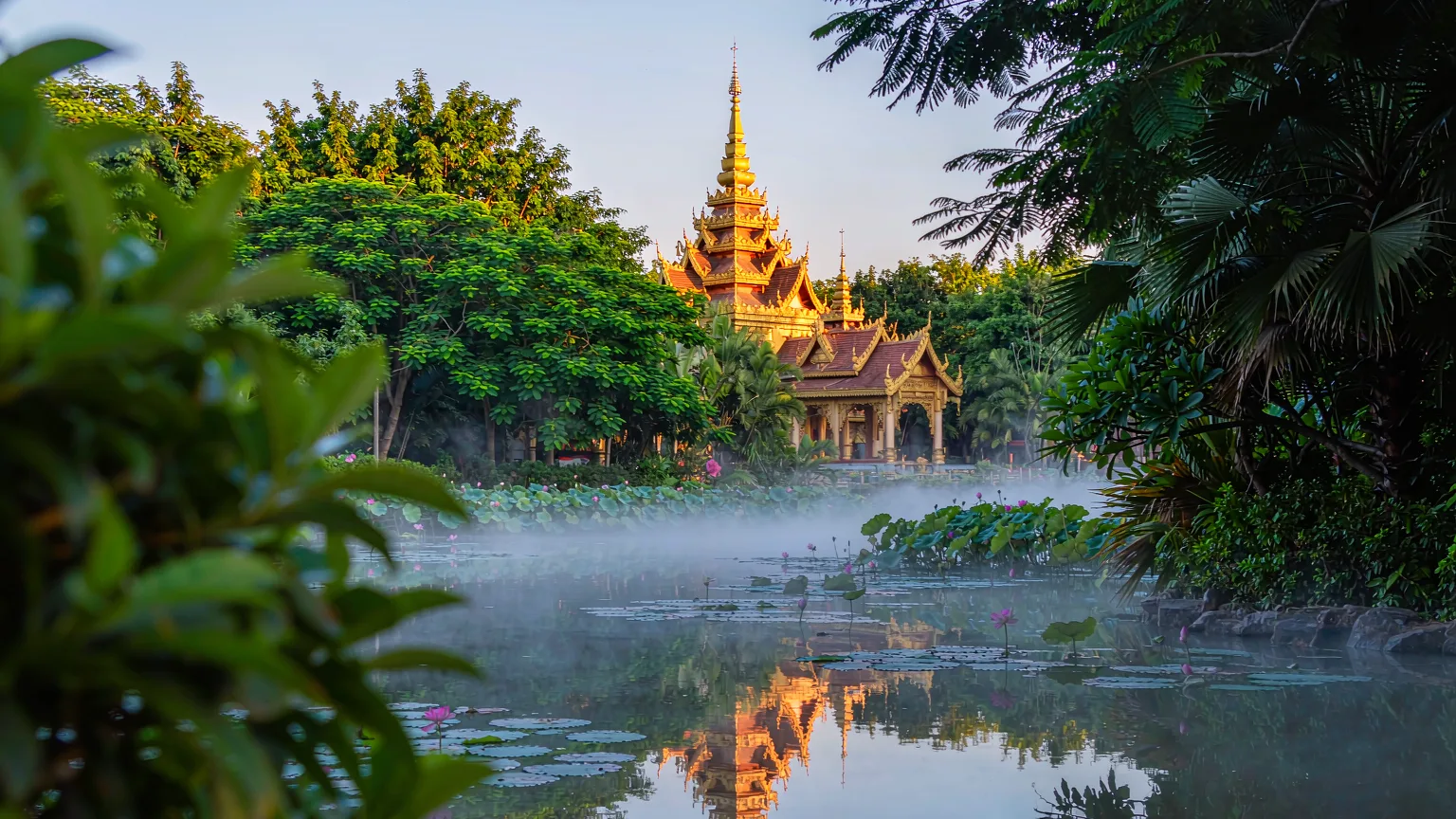 2 days · 1 night · private
Two days capture the quickest flavor of Xishuangbanna. Land in Jinghon
View details →3 days · 2 nights · privateThree days balance city flavor with rainforest day trips. Day one sett
View details →We booked a private guide for three days and it was worth every yuan. Our guide took us to Wild Elephant Valley early in the morning, and we actually saw a wild elephant crossing the road on the way in — our driver stopped and everyone just stared. The botanical garden was the other highlight; our guide knew the name of every plant we pointed at, which my husband tested constantly.
Took the kids to Manting Park and they got absolutely soaked during the water-splashing bit — bring a change of clothes, seriously. The Dai Park dance show was a bit long for our 6-year-old, but the elephant valley made up for it. Only gripe: the taxi from the hotel quoted us one price and charged another, so agree on the fare first.
Private car & driver, day trips and multi-day routes from Xishuangbanna. · Free consultation · reply within 12h