 TripMyChinaJOURNEYS THROUGH REAL CHINA✦ AI Trip✦ Plan My Trip
English
简体中文
繁體中文
日本語
한국어
ไทย
Tiếng Việt
Bahasa Indonesia
Italiano
Español
العربية
Русский
Deutsch
Français
Bahasa Malaysia
TripMyChinaJOURNEYS THROUGH REAL CHINA✦ AI Trip✦ Plan My TripAn oasis on the Tropic of Cancer, Xishuangbanna opens a journey to the south with tropical rainforests, Wild Elephant Valley, and Dai ethnic charm.
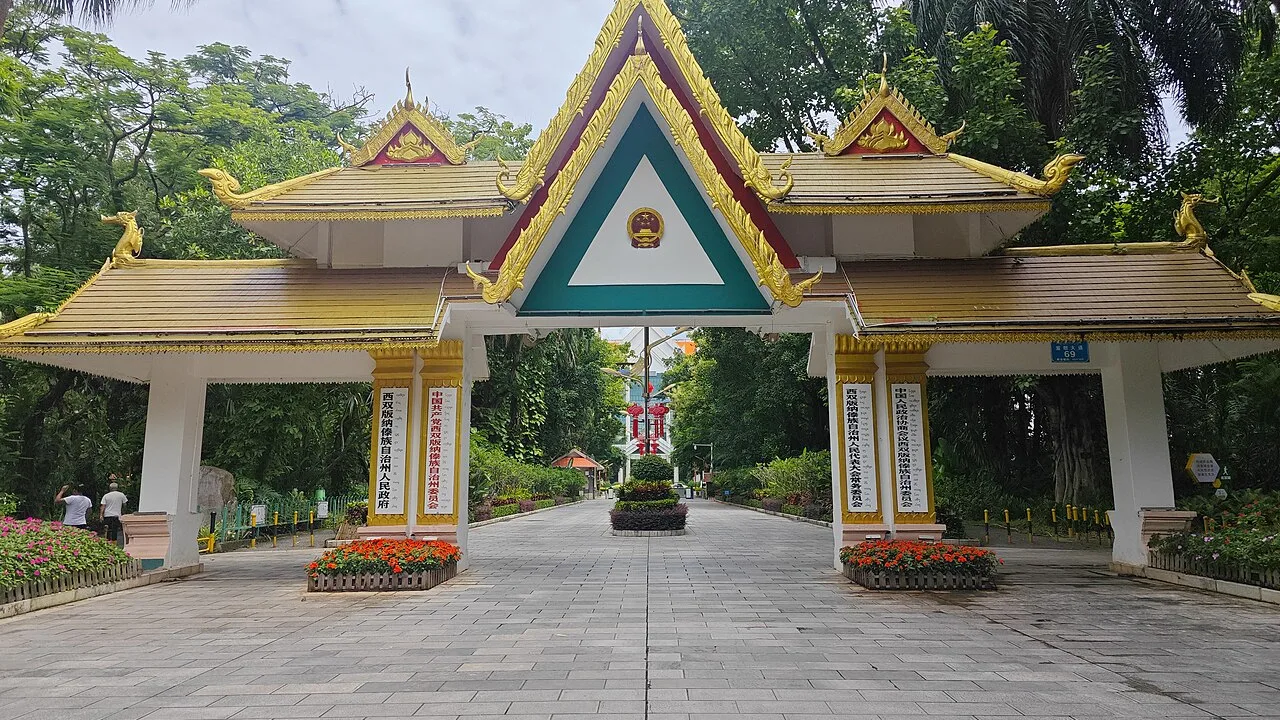
Xishuangbanna Dai Autonomous Prefecture, known in Chinese as 西双版纳, is a lush tropical region in southern Yunnan, China, bordering Myanmar and Laos. Its name derives from the Dai language, meaning 'twelve thousand fields,' reflecting the area's agricultural heritage. Historically part of the Dai kingdom of Mengle, it became part of China in the 1950s and was designated an autonomous prefecture in 1953. The region is celebrated for its rich biodiversity, ethnic diversity, and unique Dai culture, which is closely related to Thai and Lao traditions. Xishuangbanna is also a key area for tea production, particularly Pu'er tea, and is home to the famous ancient tea forests of Jingmai Mountain, a UNESCO World Heritage Site.
The prefecture is divided into three main administrative areas: Jinghong City, Menghai County, and Mengla County. Jinghong, the capital, is the largest city and the main gateway for travelers, situated along the Mekong River (known locally as the Lancang River). Menghai is renowned for its tea plantations and the ancient tea mountains, while Mengla is home to the Xishuangbanna Tropical Botanical Garden, one of China's largest botanical gardens. The region's layout is characterized by river valleys, tropical rainforests, and terraced tea fields, with the Mekong River serving as a vital lifeline and transportation route.
Travelers to Xishuangbanna can expect a sensory feast: the aroma of tropical fruits, the sight of golden Buddhist temples, and the sound of Dai music and dance. The region offers a unique blend of natural wonders and cultural experiences. Visitors can explore the rainforests of Wild Elephant Valley, where Asian elephants roam, or immerse themselves in the vibrant night markets of Jinghong, such as Gaozhuang, which buzz with street food and handicrafts. The Dai Water Splashing Festival in April is a highlight, attracting tourists from around the world. With its warm climate, friendly locals, and rich traditions, Xishuangbanna provides an unforgettable escape into China's tropical south.
Xishuangbanna Dai Autonomous Prefecture covers an area of 19,124.5 square kilometers and has a population of approximately 1.3 million. It is divided into one county-level city (Jinghong) and two counties (Menghai and Mengla). The region is a UNESCO World Heritage Site for its ancient tea forests of Jingmai Mountain and is one of China's most biodiverse areas, home to Asian elephants and over 5,000 plant species.
World-class, national and global recognition earned over the decades.
The prefecture holds the biggest tropical forest in China, on the Mekong border.
Around 300 wild elephants live in the reserves here.
Temples, stilt houses and the April water festival are still part of daily life.
China's largest botanical garden, with 13,000 plant species.
A reserve with an elephant observation corridor and canopy walkway.

The moments that shaped the city — and the stories its people still tell.
A Dai kingdom was founded with Jinghong as its capital.
The territory was divided into twelve units — 'Xishuangbanna' means twelve thousand fields.
The Dai Autonomous Prefecture was established.
UNESCO designated the prefecture a biosphere reserve.
A Dai prince fell in love with a peacock princess who flew down to bathe in a lake — the origin of the peacock dance.
Three paces, one city — every route built from places we actually operate.
Weather, crowds and the best months for what you want to see.
The best months — warm, dry and clear.
Hot, but the mid-April Water Splashing Festival is worth it.
Hot and wet; the forest is lush but trails muddy.
Foggy, cool mornings — bring a layer.
What this city is known for — the things worth planning your day around.
The places worth building a day around.
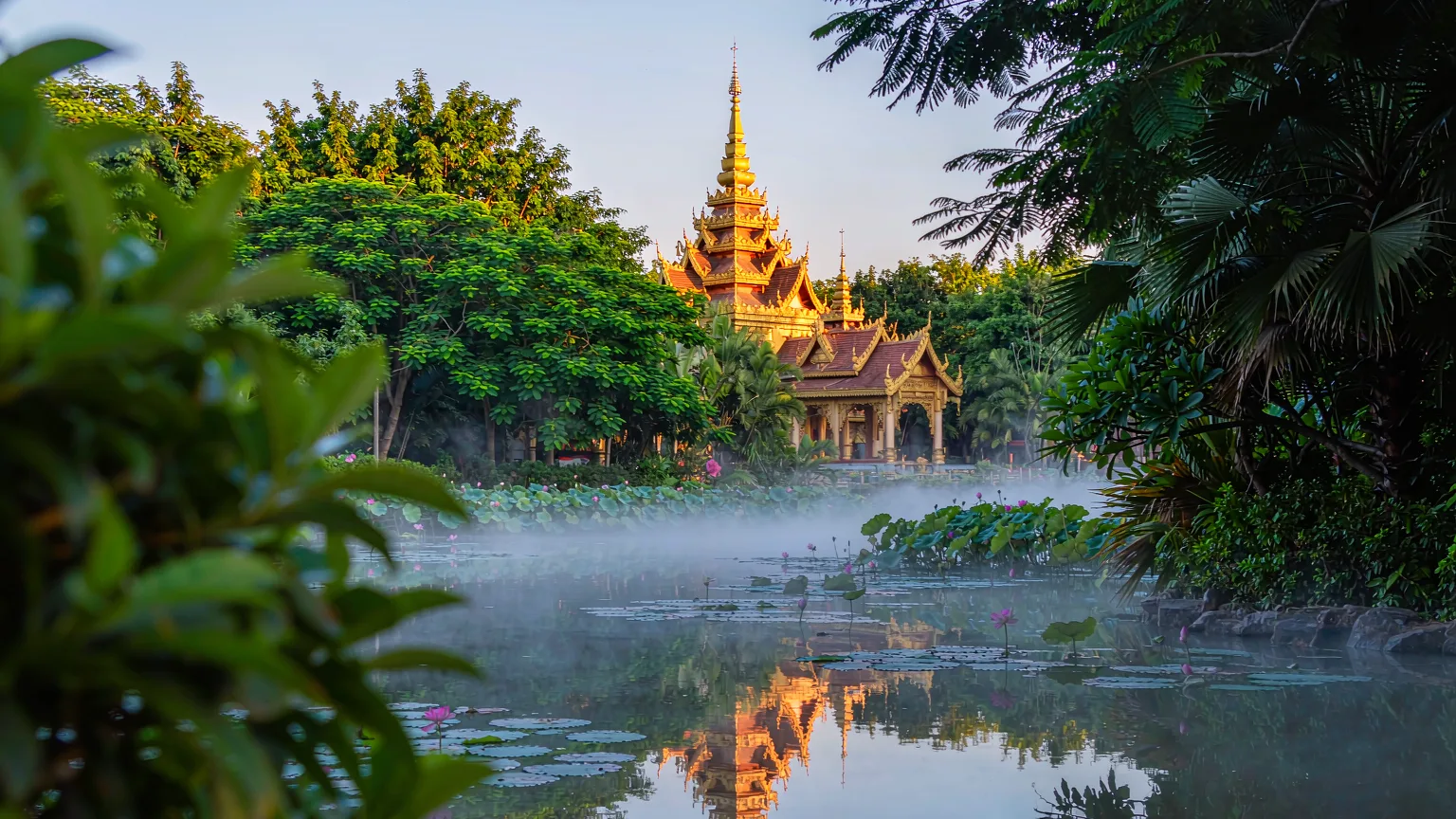
Manting Park was the garden of the Dai rulers of Jinghong, on the bank of the Lancang River, and it has been a garden for about 1,300 years. It is 27
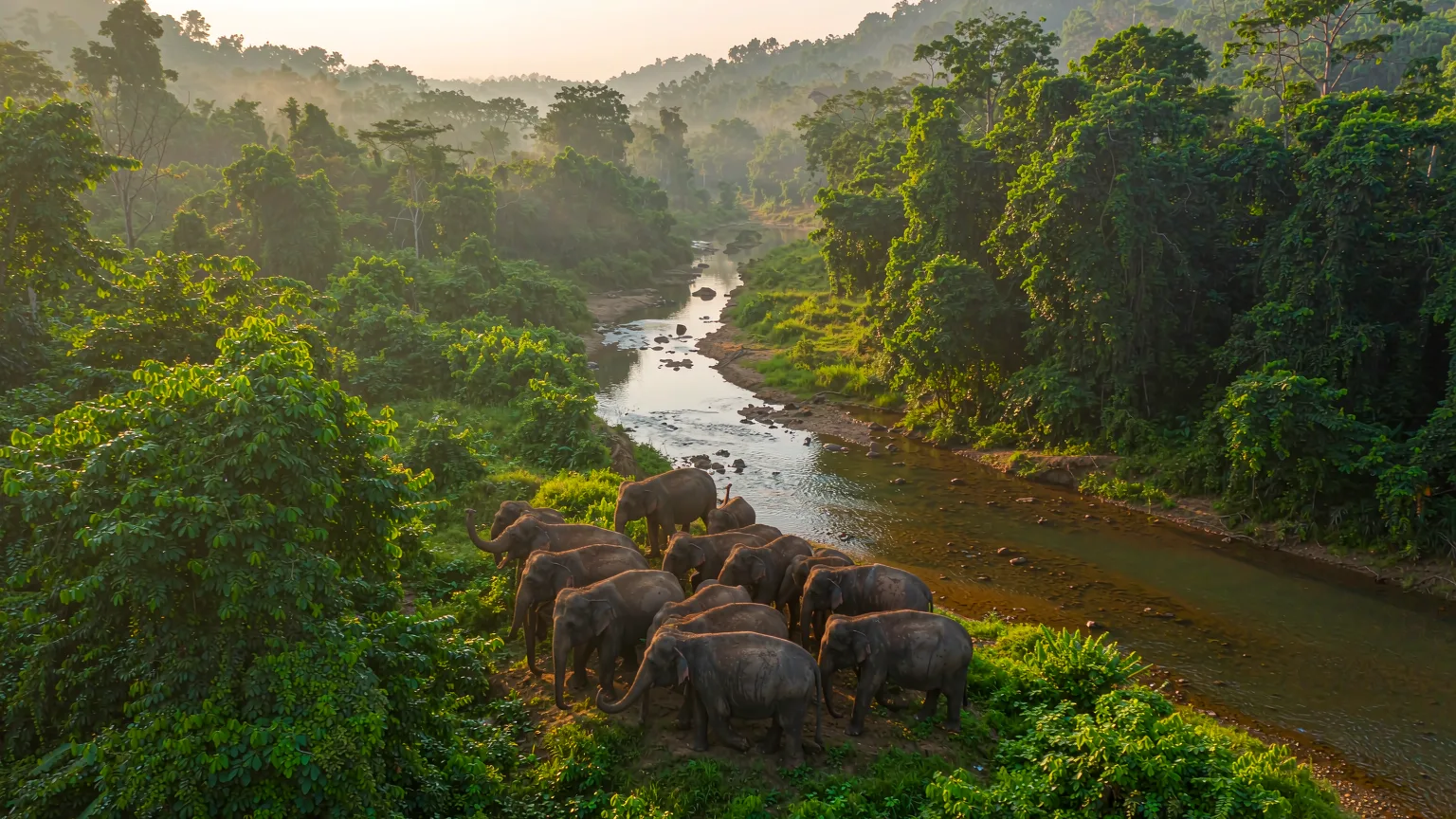
Wild Elephant Valley is a strip of rainforest 36 km north of Jinghong where a small population of Asian elephants still moves through. It has a 2 km e
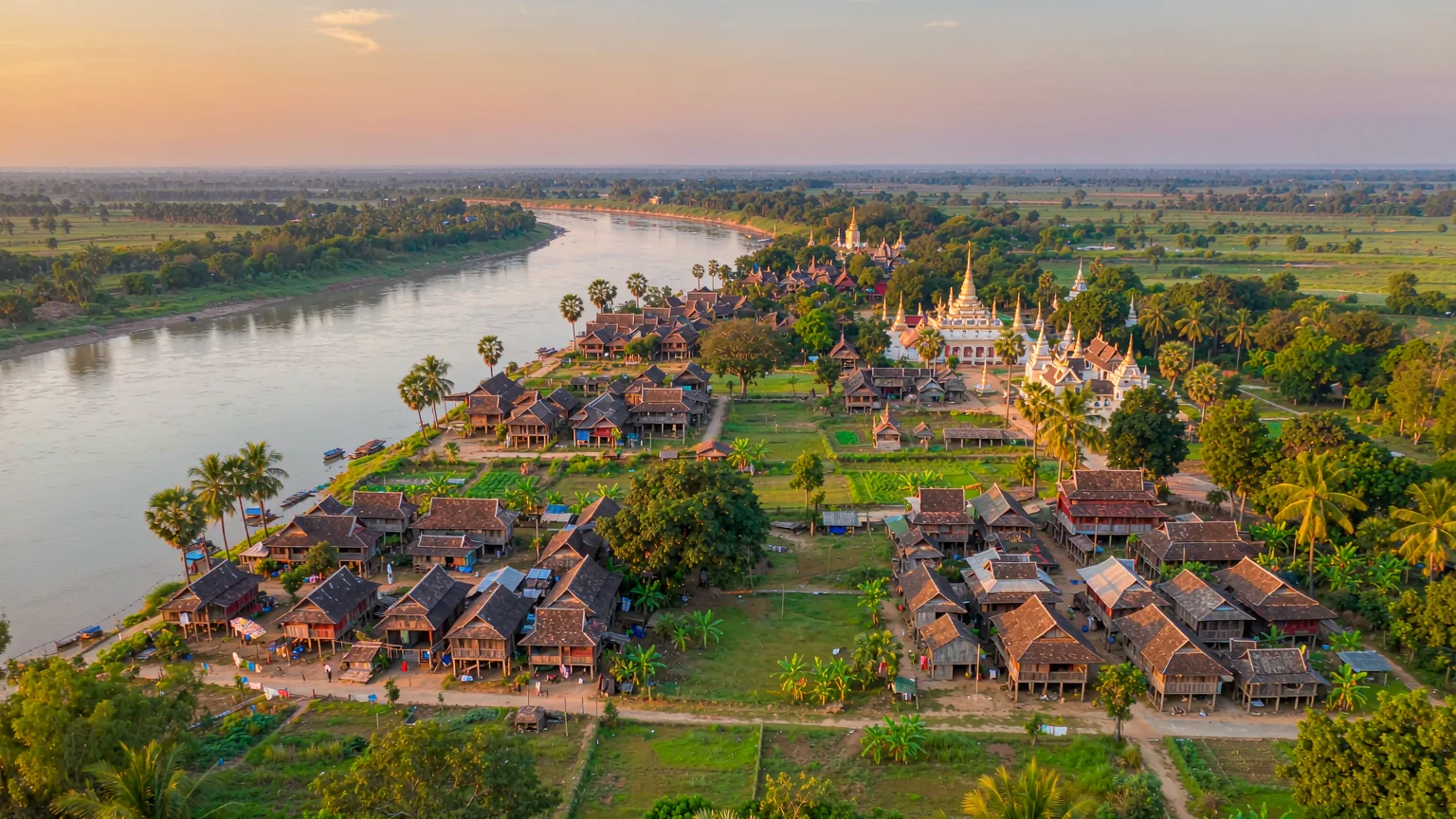
Dai Park covers five Dai villages on a bend of the Lancang River at Ganlanba, 27 km south-east of Jinghong. About 300 households still live inside it,
A little further out, for a spare half-day.
On Mengle Avenue in Jinghong, this open shopping park combines retail, dining and leisure. With brand stores…
On Wanda Plaza Road in the Sunac resort area, this large commercial centre combines shopping, dining and…
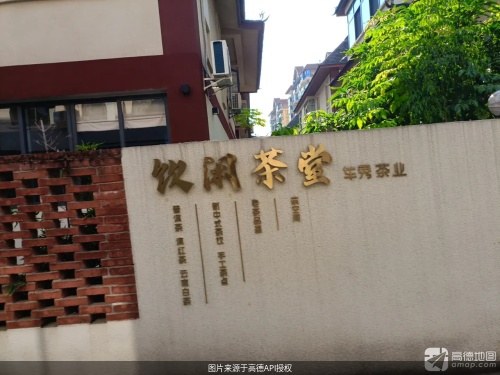
In Manhebeng New Village of Jinghong, this teahouse focuses on pu-erh tea tasting. It displays leaves from…
Museums, galleries and workshops still keeping old crafts alive.
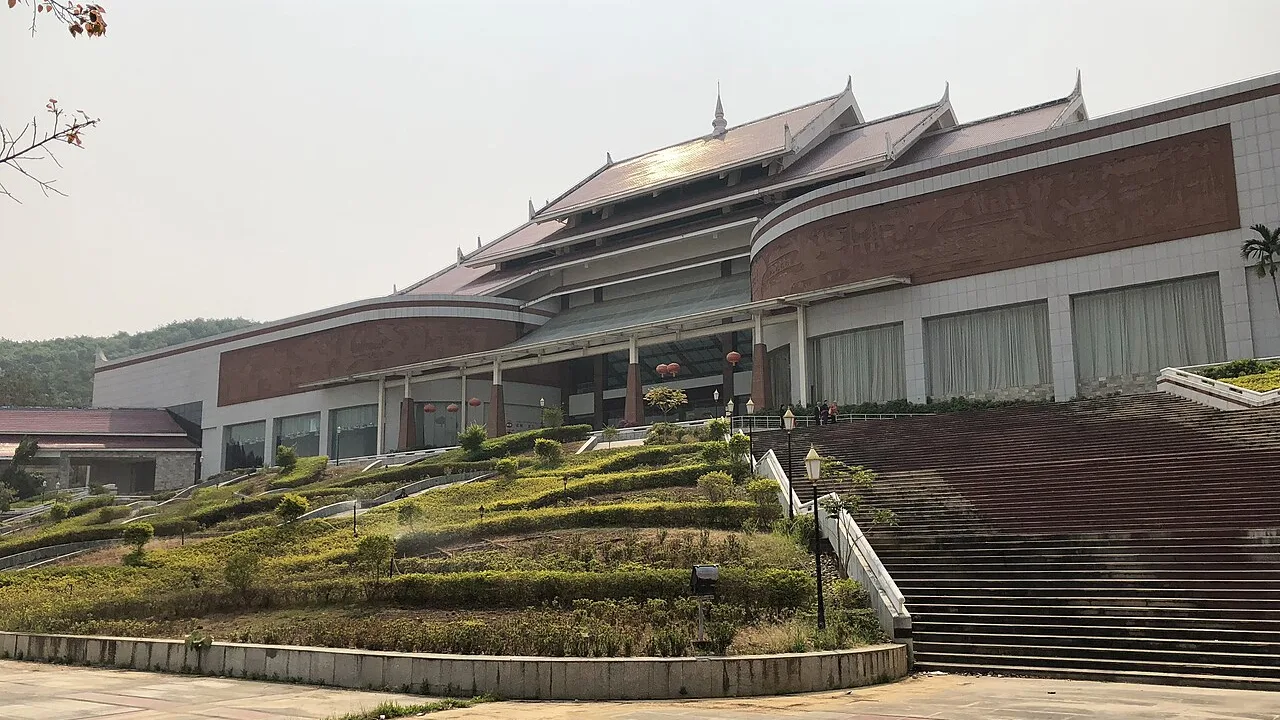
On Yulin Avenue in Jinghong, this museum presents the history and culture of Xishuangbanna's indigenous…
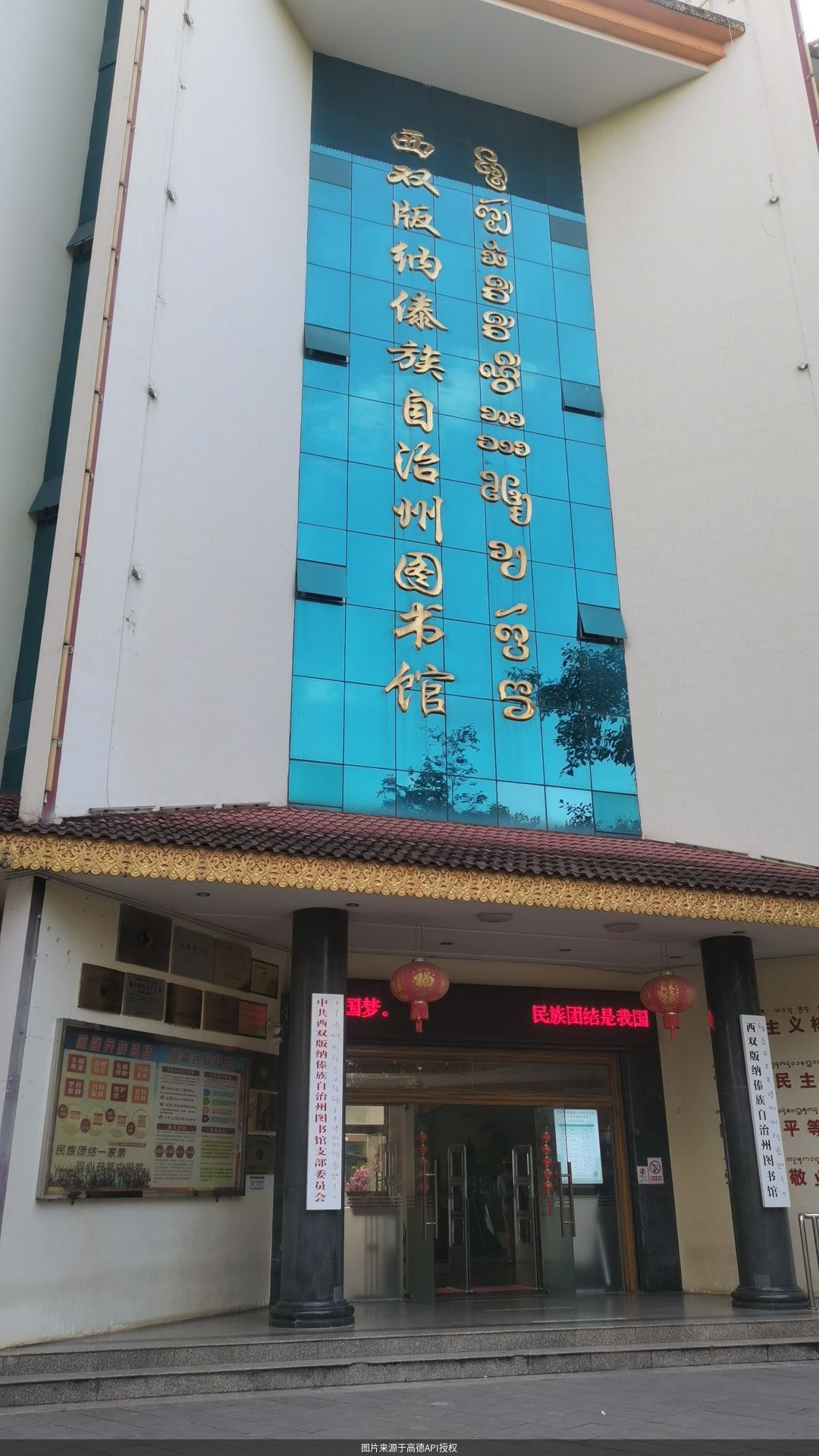
On Mengle Avenue in Jinghong, this is the prefecture's largest public library. Its collection specialises in…
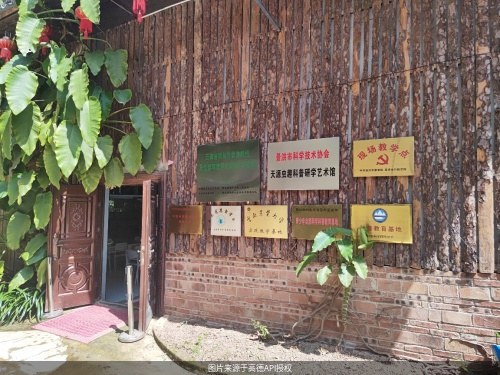
On Galan North Road in Jinghong, this venue promotes science to the public. It offers exhibition and hands-on…
What is on stage after dark.
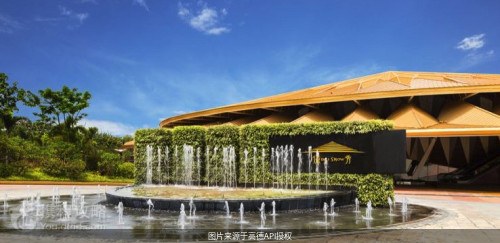
In the Sunac resort area, this is the fixed venue for Wanda's Dai-culture show Dai Xiu. Built on the Peacock…
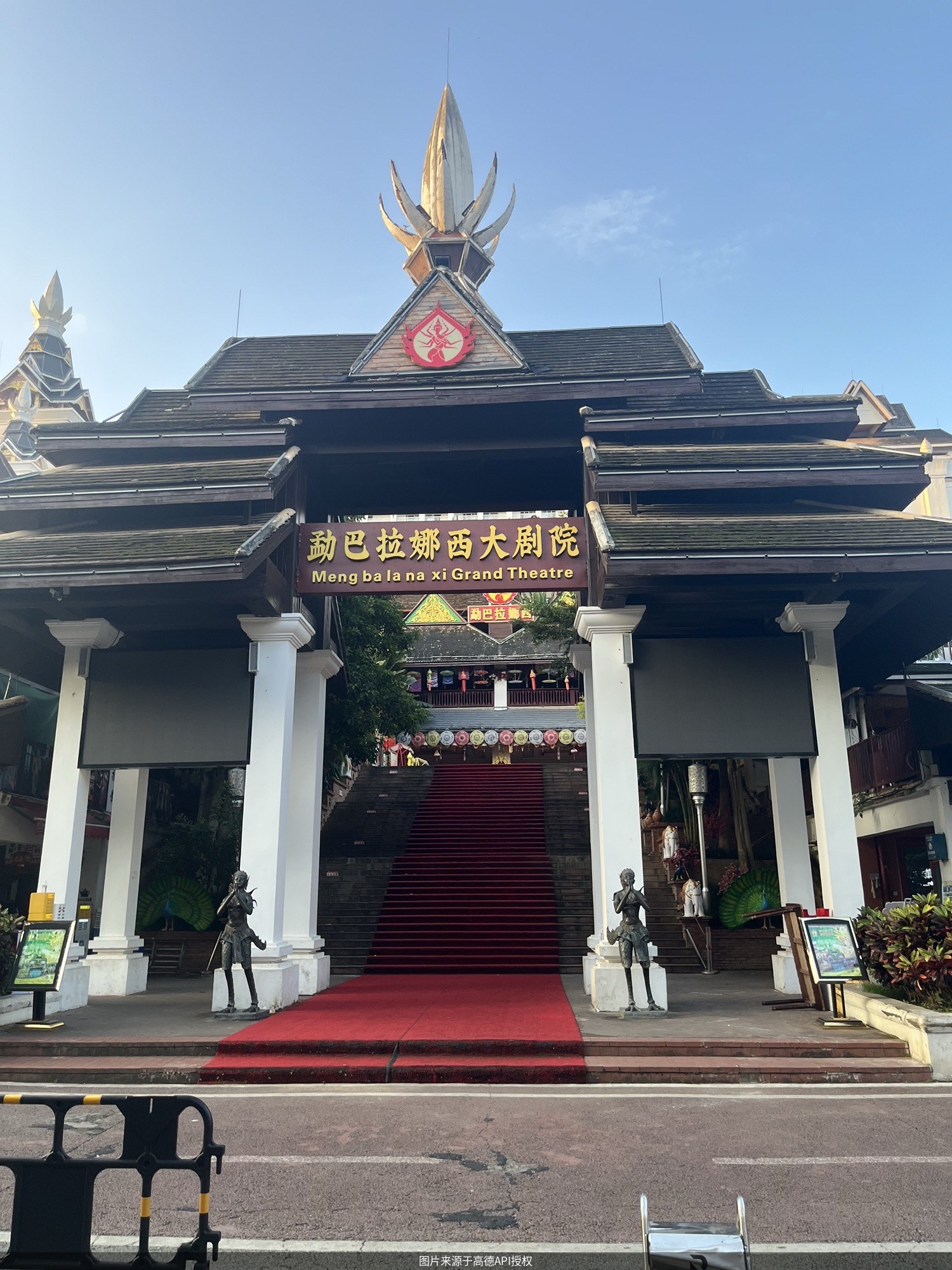
Inside Gaozhuang, this theatre stages the grand Dai song-and-dance gala Mengbalanaxi. Drawing on Lancang…
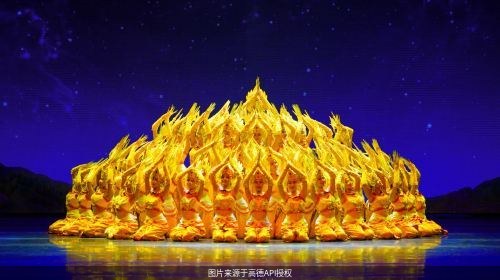
Inside Manting Garden, this well-known bonfire gala draws on the cultures along the Lancang-Mekong River. It…
Where the whole street eats — the city's most famous food streets, each with its own guide page.
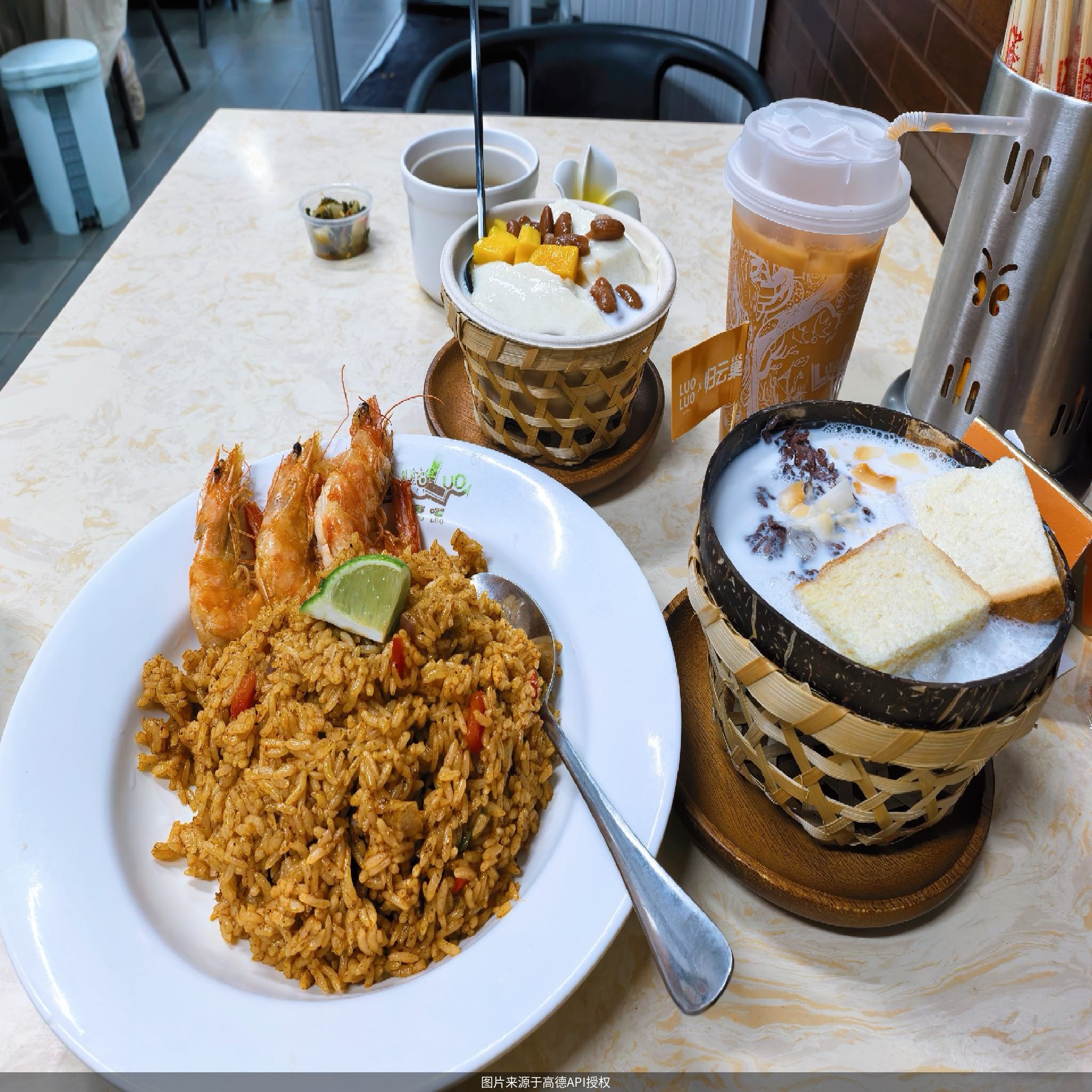
On Xuanwei Avenue in Jinghong, this long-running local dessert house specialises in southern-Yunnan sweets…
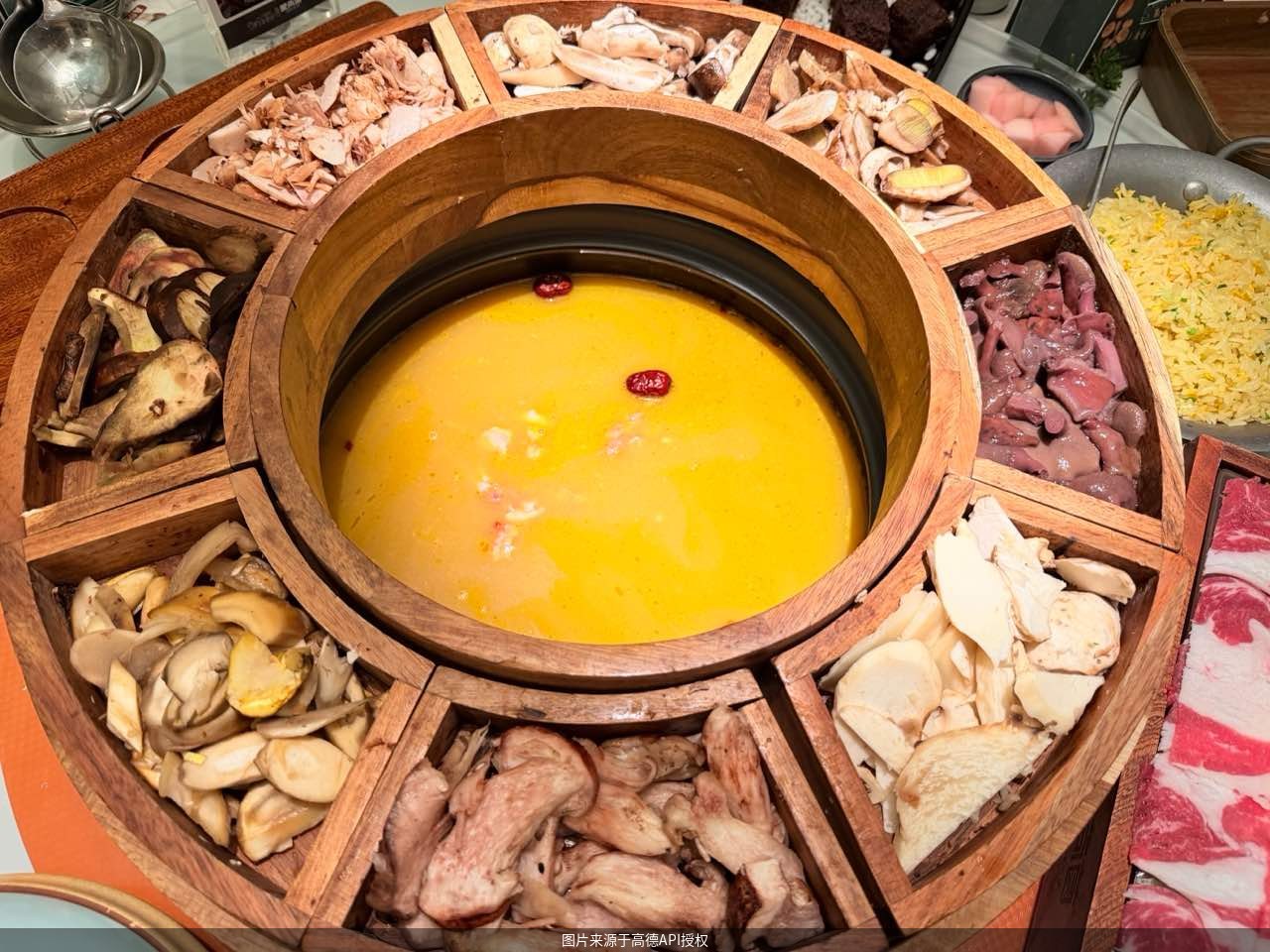
On Menghan Road in Gaozhuang, this restaurant specialises in Yunnan wild-mushroom hotpot. Seasonal matsutake…
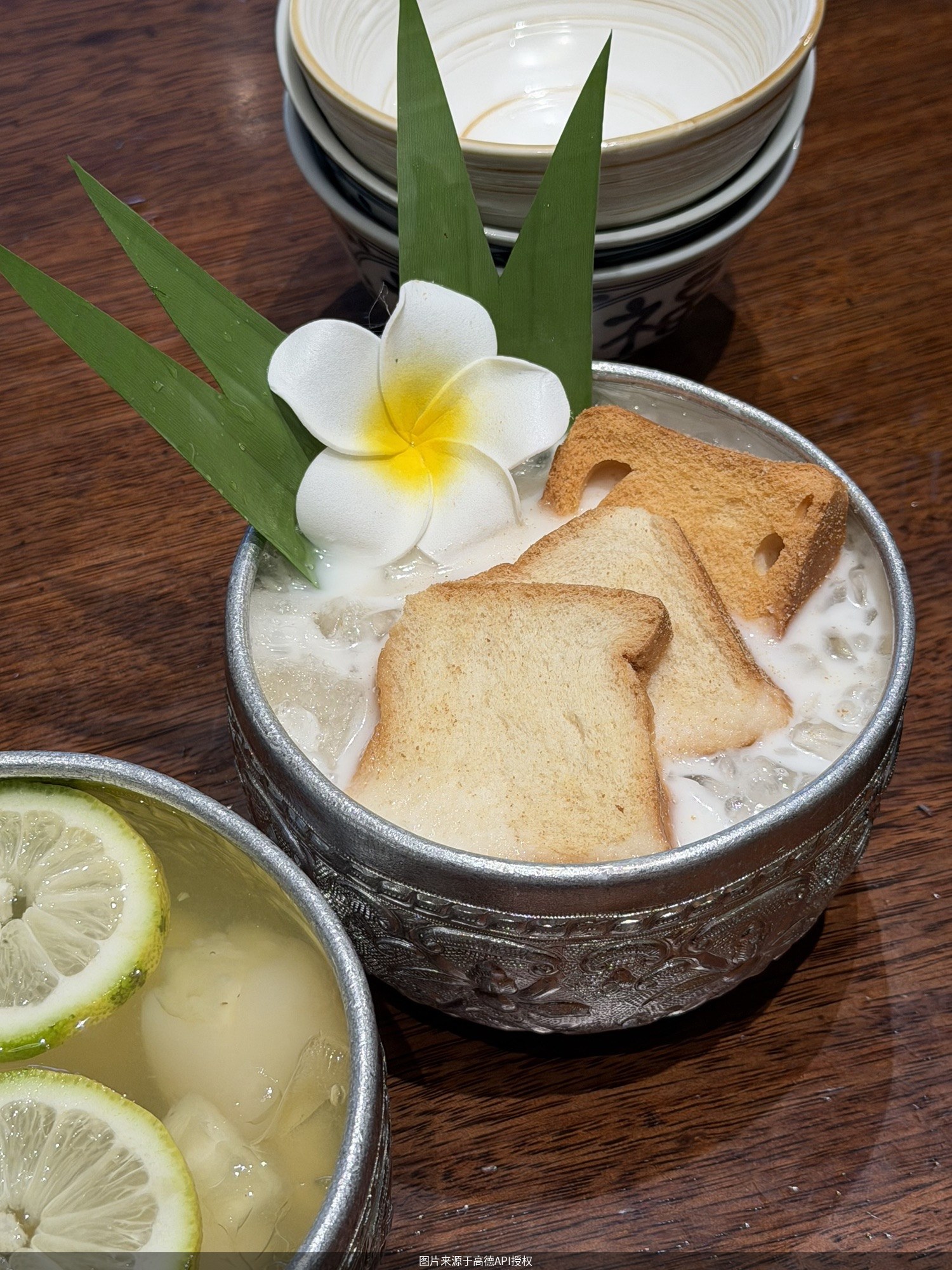
In Jinghan Village of Gaozhuang, this popular shop focuses on Laotian-style iced coffee and desserts. It…
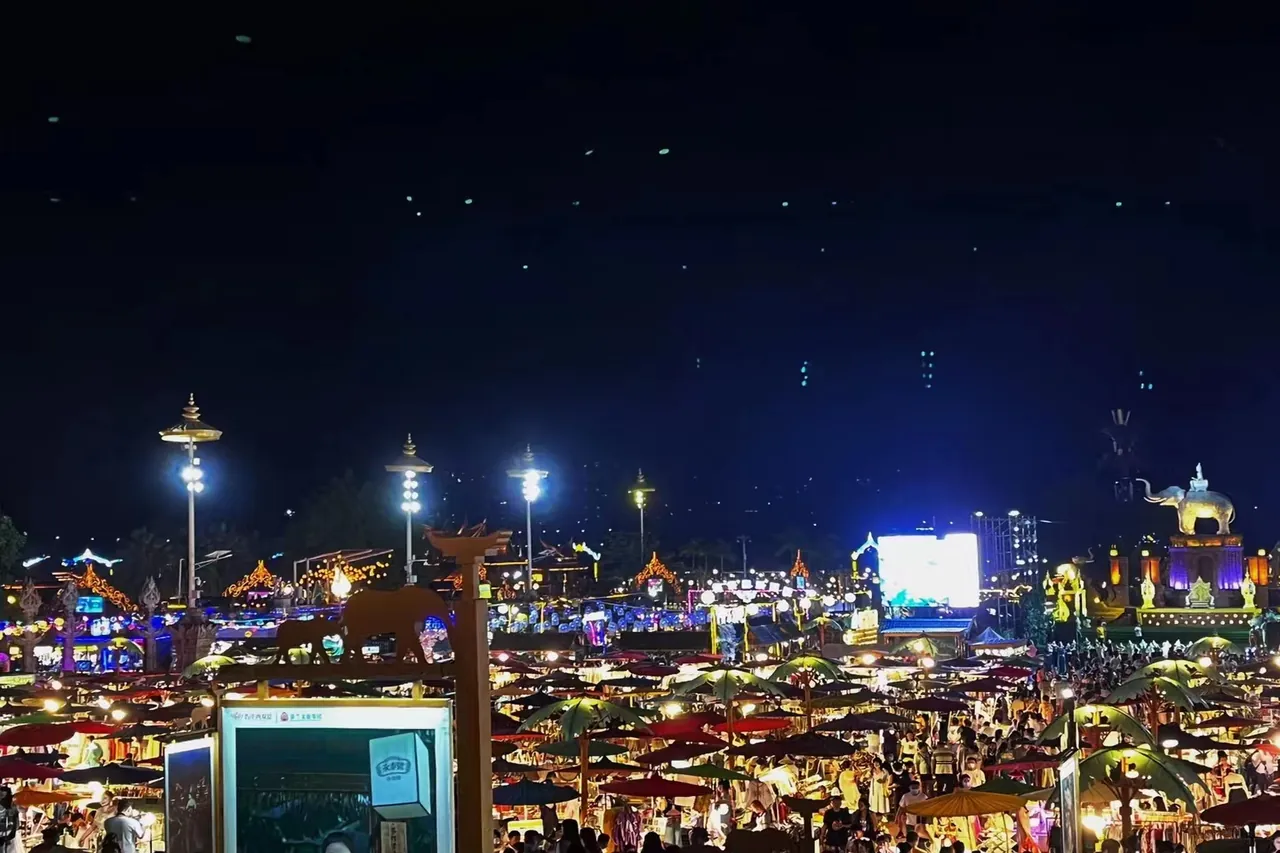
Hundreds of stalls under lanterns.
Lemongrass, banana leaf and chilli.
The Gaozhuang night market is the main event — Dai food, tropical fruit and the Mekong.
Listed sites and the crafts that made this city famous.
A 13th-century Dai stupa with nine peaks.
The signature dance of the Dai, performed at festivals.
Drumming and dancing at temple festivals.
Hand-built pottery without a fast wheel.
Arm and wrist movements imitating the bird.
Long drums played at temple festivals.
Hand-built pots fired in the open.
Cotton and silk brocade with elephant and peacock motifs.
Senior licensed guides with 10+ years in the field and fluent English — deep on history, culture and local life.

Experienced licensed guides with clear English — solid on city highlights, food and day-to-day logistics.

Licensed guides with workable English — a good-value choice for city days, transfers and standard commentary.

Chauffeur-driven by the day, plus airport and intercity transfers.
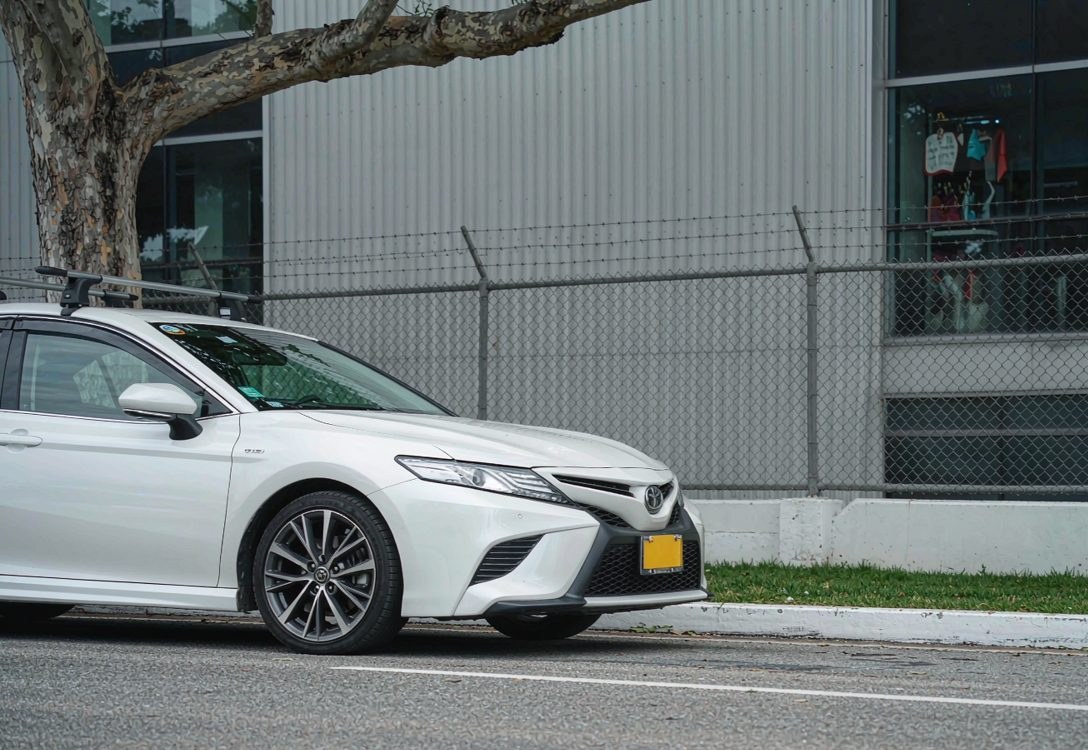

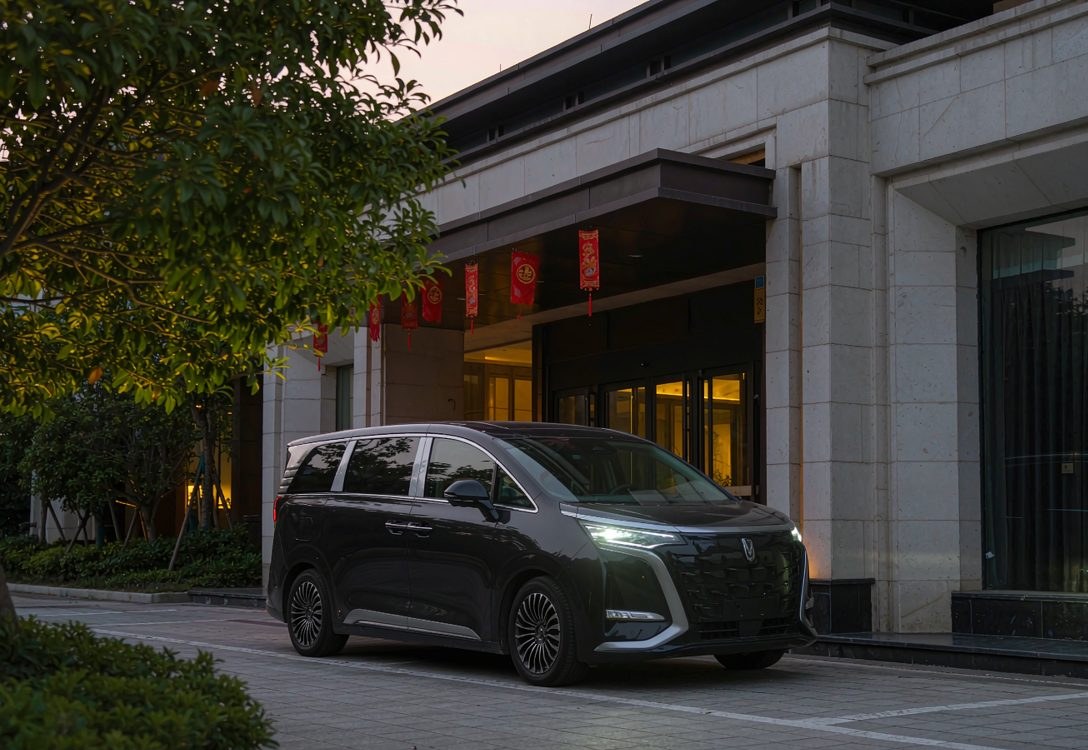
Private chauffeur-driven vehicles, priced per vehicle not per person. Airport transfer from $45; intercity transfer from $180.
In Gasa Town of Jinghong, this is Xishuangbanna's only civil airport and a key regional tourist airport in Yunnan. It runs flights to Kunming, Chengdu, Chongqing, Shanghai and other cities, serving as the main air…
In Gasa Town of Jinghong, this high-speed station on the China-Laos railway opened in 2021. It runs EMU trains to Kunming, Mohan and beyond, making it the main rail gateway into Xishuangbanna and easing visitor access.
On Mengle Avenue in Jinghong, this is the city's main coach station. It runs buses to Kunming and across the prefecture's counties and townships, serving as the road hub linking Jinghong with surrounding areas.
On Mengle Avenue in Jinghong, this open shopping park combines retail, dining and leisure. With brand stores, roomy spaces and clear flow, it is an emerging commercial landmark in the southern part of the city.
On Wanda Plaza Road in the Sunac resort area, this large commercial centre combines shopping, dining and entertainment. It gathers brand retail, a cinema, restaurants and children's venues, serving as the main…

10 guides split by trip length: one-day city routes, three-day escapes and longer journeys, with stops, costs and transport in each.
Morning on Wild Elephant Valley's raised walkways, afternoon at Gaozhuang's golden pagod
Three DaysThree Nature Days in Xishuangbanna: From Wild Elephant Valley to the WangtianshuDay one pairs Wild Elephant Valley with the Jinuo hills, day two belongs whole to the CA
Multi-DayFive Classic Days in Xishuangbanna: Rainforest, Temples and Dai Villages CompleteTwo days for the nature aces, Wild Elephant Valley and the botanical garden; one for Dai
Real routes, real travellers — a sense of what a trip looks like.
Most travellers spend 3 days here. Add a day for a side trip if you want a slower pace.
Spring and autumn are usually the most comfortable. Check the seasonal notes above before booking.
We arrange airport/rail transfers and private drivers. Tell us your arrival point and we plan the connection.
Send an enquiry and a human expert replies within 12 hours with a draft plan and real prices. Flexible rescheduling; clear cancellation terms in your quote.
2-day private itineraries in Xishuangbanna start from $540 per person, two travelling together. Your proposal itemises hotels, tickets, guide and car — no hidden fees.
Mid-April (13–15 April), the Dai New Year — the region's biggest festival. Book hotels months ahead.
Wild Elephant Valley has a canopy corridor, but sightings are not guaranteed — dawn and dusk are best.
Recent listed prices: Manting Park ¥40(白天入园;篝火晚会套票另计); Wild Elephant Valley ¥65; Dai Park (Xishuangbanna) ¥45; Gaozhuang Xishuangjing free. Ticket prices change seasonally — we confirm them in your quote.