 TripMyChinaJOURNEYS THROUGH REAL CHINA✦ AI Trip✦ Plan My Trip
English
简体中文
繁體中文
日本語
한국어
ไทย
Tiếng Việt
Bahasa Indonesia
Italiano
Español
العربية
Русский
Deutsch
Français
Bahasa Malaysia
TripMyChinaJOURNEYS THROUGH REAL CHINA✦ AI Trip✦ Plan My TripMount Wutai · Attractions
Dailuoding solves a pilgrim's dilemma with elegant audacity. On Mount Wutai, the ultimate pilgrimage meant climbing all five terraces to worship each of the five forms of Manjusri — weeks of hard walking. So the Qing abbot of Dailuoding gathered all five statues onto one summit directly opposite Taihuai, and built the Great Wisdom Path: a staircase of 1,080 stone steps straight up the forested slope. Climb it, take the cable car, or ride the shuttle road, and you can complete the 'small pilgrimage' that has drawn ordinary worshippers for three centuries.
The temple crowns a peak across the valley from Taihuai, its summit shrine holding the five Manjusri statues in one hall — the 'small pilgrimage' in a single visit. The staircase, known as the Great Wisdom Path, zigzags up the pine slope in flights of stone; counting them is part of the practice, and locals will tell you that a full climb on foot erases a lifetime's minor sins. Those less ascetically inclined ride the cable car from the base station near the valley road, or take the winding vehicle road that the shuttle buses and taxis use.
From the top, the view across the valley is the classic Mount Wutai panorama: the white pagoda, the yellow roofs of Pusading, and the town of Taihuai threaded between temple walls. The temple itself is modest compared with the valley giants — one good courtyard, incense smoke, pilgrims circling the five statues — which is precisely its charm. Budget half a day for the round trip with stairs, or two relaxed hours by cable car, and slot it in as the climax of a valley day begun at the <a href="/attractions/white-pagoda-wutai/">Great White Pagoda</a>.
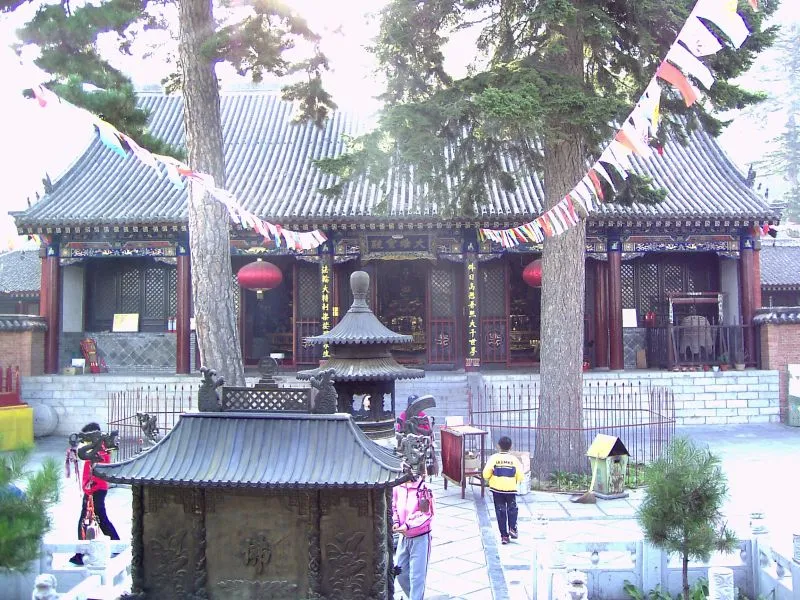
Reaching the temple requires a modest donation at its gate in addition to the Mount Wutai scenic-area ticket for the mountain as a whole. The cable car is separately ticketed, with one-way and round-trip fares, and the vehicle road is used by paid shuttle or taxi rides. Operating hours track daylight: cable cars and shuttles generally stop running well before dark, so time your descent. Fares and schedules are adjusted periodically and can pause in bad weather, so confirm the day's arrangements with your hotel or guide — they will verify the cable-car status each morning before you head out.
Dailuoding stands on the peak directly opposite Taihuai town, and all three approaches start from the valley floor. The cable-car base station sits near the road south of town, a short shuttle or taxi ride from most hotels, with cars running frequently in daylight hours. The Great Wisdom Path staircase begins near the same area, and the vehicle road departs from the town side for those using taxis or the shuttle. Whichever way you go up, most visitors descend the same way; sturdy shoes matter on the steps, and the trailhead is clearly signposted in the town.
Start early: the stairs in morning cool, mist in the valley below and arrival before the midday crowds make the climb a pleasure rather than an ordeal. May to September is the standard season with all routes open; autumn dresses the slope in gold and red; winter closes the cable car and often ices the stairs, leaving the experience to the well-equipped. The descent is best timed for late afternoon, when the classic valley panorama — pagoda, yellow roofs, town lights coming on — unfolds beneath the summit platform. Chinese holidays turn both stairs and cable car into queues; weekday mornings are blissfully different.
Traditionally, pilgrimage on Mount Wutai meant climbing all five high terraces to worship the five forms of Manjusri there. A Qing abbot gathered all five statues onto Dailuoding's single summit, so one visit here completes the pilgrimage in miniature — hence the name 'small pilgrimage'.
It is a steady, steep climb through pines that takes most visitors between one and two hours up. There is no shame in the cable car — many pilgrims climb the steps and ride down, and the shuttle road serves those who prefer wheels entirely.
In the main season from roughly May to September it operates through daylight hours, pausing for strong wind or electrical storms. In winter it often closes entirely, so confirm that morning with your hotel or guide before choosing your route.
By stairs, budget half a day for the round trip at a comfortable pace; by cable car, about two hours. Either way, keep the late-afternoon slot for the descent — the valley view from the summit platform is the finest send-off on the mountain.
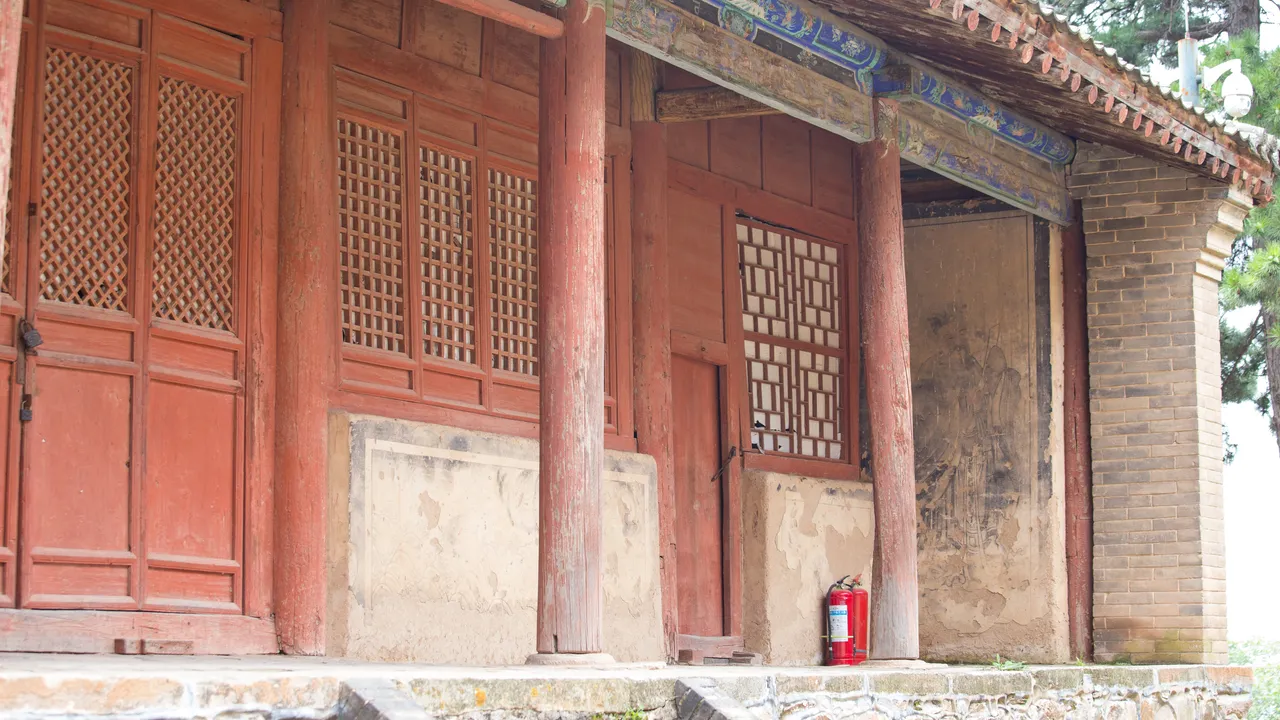 Full day · 8–10 hours
The monastery dining hall serves at about six and eleven, in silence, and the town kitchens cook the same mushroom another way
View details →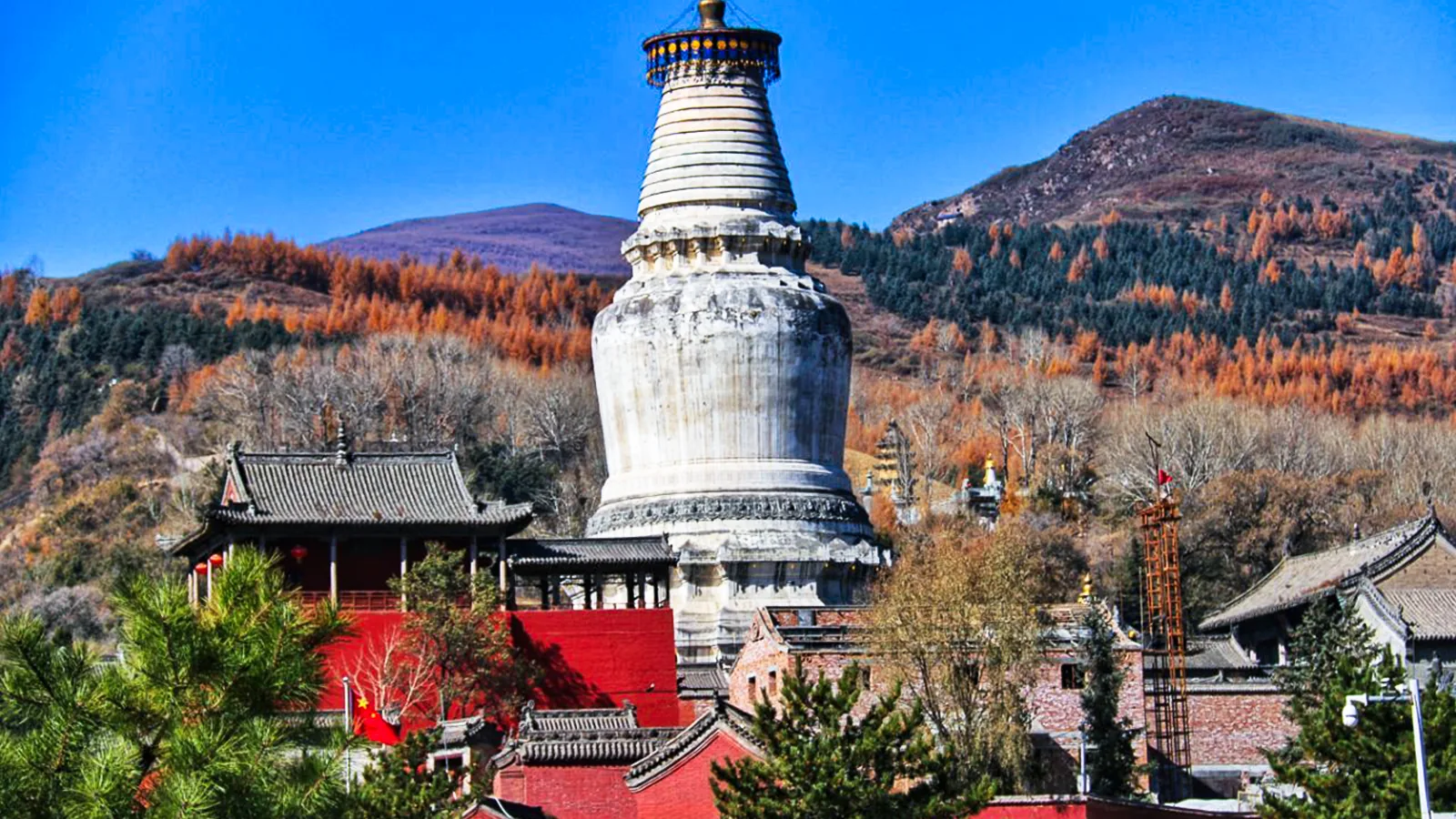 Full day · 8–10 hours
A monastery founded in the Eastern Han, a stupa designed by a Nepali craftsman, and a Qing imperial temple up 108 steps
View details →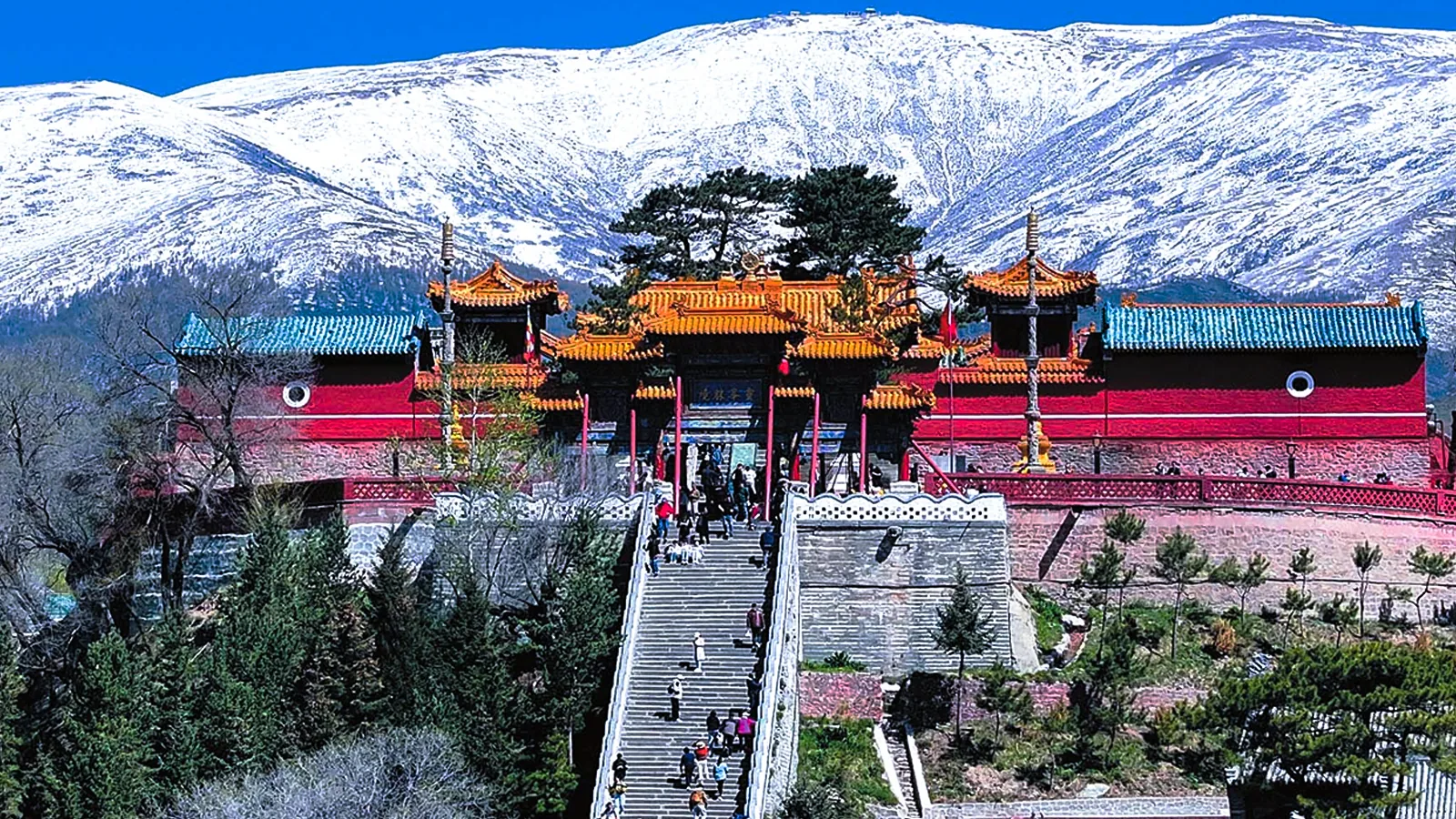 Full day · 8–10 hours
One way up is stone stairs, the other is a road that closes with snow, so the sunrise half needs a check the night before
View details →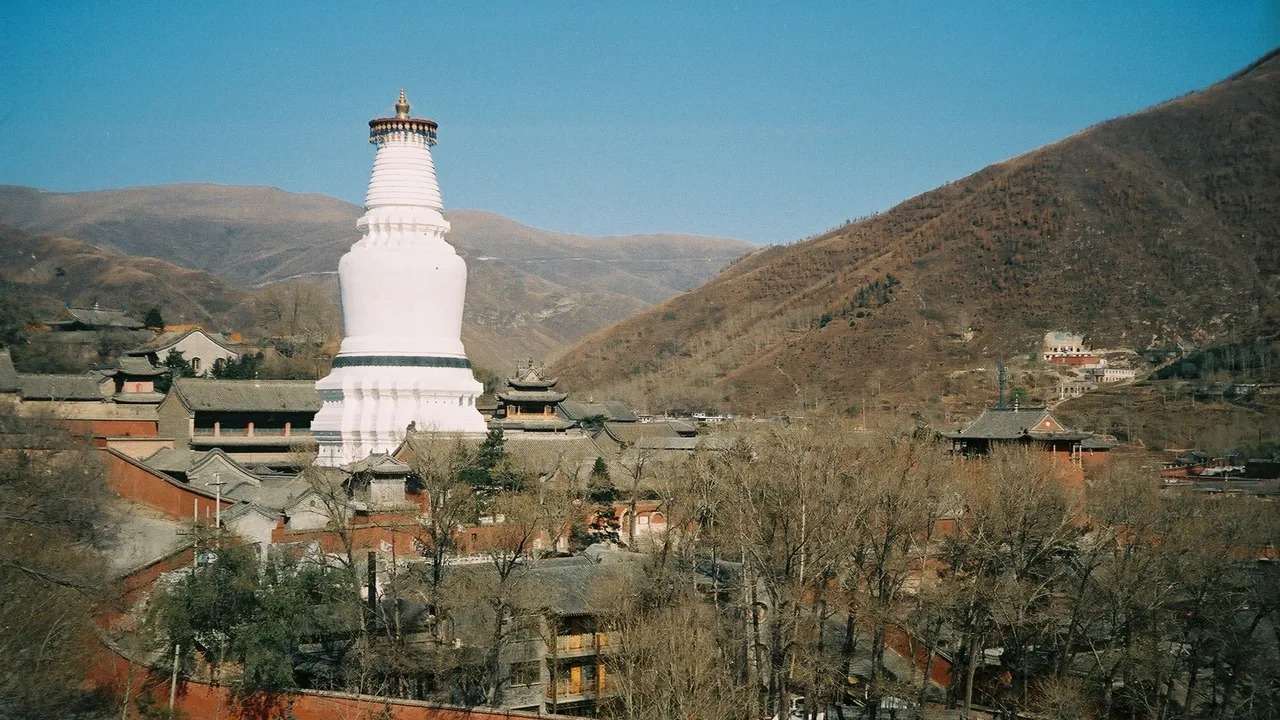 2 days · 1 night · private
A compact first visit to Mount Wutai: the great white stupa of Tayuan
View details →3 days · 2 nights · privateThe classic Mount Wutai circuit at pilgrim pace: Tayuan's white stupa,
View details →Booked a private guide for two days and it was worth every yuan. We walked the whole temple cluster in Taihuai at our own pace, and my guide knew which halls were Ming versus Qing without checking a sign. The Great White Stupa at Tayuan Temple looks even bigger up close than in photos.
Took my parents and two kids up to Pusa Ding — the climb is no joke for older legs, but my dad made it and wouldn't stop talking about the view over Taihuai town. Xiantong Temple's bronze hall kept the kids quiet for a solid twenty minutes, which is a record. Only gripe: signage in English is patchy, so bring a translation app.
Private car & driver, day trips and multi-day routes from Mount Wutai. · Free consultation · reply within 12h