 TripMyChinaJOURNEYS THROUGH REAL CHINA✦ AI Trip✦ Plan My Trip
English
简体中文
繁體中文
日本語
한국어
ไทย
Tiếng Việt
Bahasa Indonesia
Italiano
Español
العربية
Русский
Deutsch
Français
Bahasa Malaysia
TripMyChinaJOURNEYS THROUGH REAL CHINA✦ AI Trip✦ Plan My TripTemples and timber halls — a mountain where Manjushri devotion shapes the landscape.
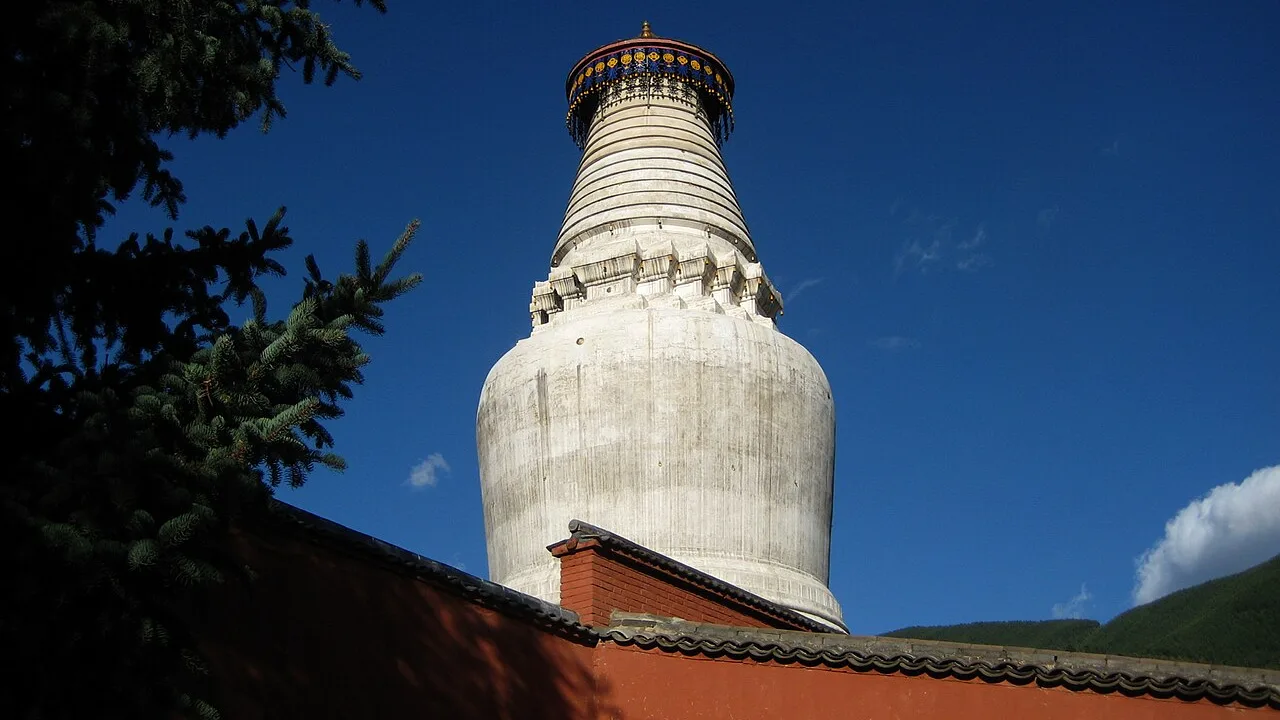
Wutai Mountain sits in northeastern Shanxi, within Wutai County under Xinzhou. It is the northernmost of China's four sacred Buddhist mountains, a cluster of five flat-topped peaks whose slopes and terraces hold one of the densest concentrations of working monasteries in the country.
The mountain has been a center of Manjushri devotion for well over a thousand years, and that continuity is visible: temple layouts, stone inscriptions, and timber halls survive from several dynasties. The best-known are the Tang-era timber buildings at Nanchan and Foguang, among the oldest standing wooden structures in China, which give the site an architectural weight beyond its religious role.
Most visits center on the temple cluster around Taihuai town — Xiantong, Tayuan, and Pusa Ding are the anchors, with the white stupa at Tayuan as the visual landmark. A climb up Dailuo Ding rewards with views over the valley roofs, while a side trip to Nanchan and the Tang halls suits travelers interested in early timber architecture. Allow time to walk between temples rather than shuttle.
World-class, national and global recognition earned over the decades.
Wutaishan is traditionally listed among the Four Sacred Buddhist Mountains of China.
The mountain is regarded as the earthly abode of Manjushri, the bodhisattva of wisdom.
Among the four sacred Buddhist mountains, Wutaishan is often described as the first.
Foguang Temple and Nanchan Temple on the mountain preserve timber structures from the Tang dynasty.

The moments that shaped the city — and the stories its people still tell.
Foguang Temple is noted for its Tang-dynasty timber architecture.
Nanchan Temple preserves one of the earliest surviving timber halls in China.
Xiantong Temple is known for its bronze hall and beamless hall.
Tayuan Temple is home to the Great White Pagoda, a landmark of Wutaishan.
Pusa Ding is known as a royal temple on the mountain.
Wuye Temple, also called Wanfo Ge, is the most heavily visited for incense offerings.
Wutaishan is traditionally regarded as the dwelling place of Manjushri, attracting pilgrims over centuries.
Wuye Temple is known for the density of incense offerings, drawing devotees seeking blessings.
Three paces, one city — every route built from places we actually operate.
Weather, crowds and the best months for what you want to see.
Spring brings milder weather for temple visits, though mornings remain cool.
Summer is the warmest season and a common time for pilgrimage, with occasional rain.
Autumn offers clear skies and cool temperatures, suitable for walking between temples.
Winter is cold with snow possible; check official channels for access and opening conditions.
Autumn is generally considered the best season for clear weather and comfortable walking.
What this city is known for — the things worth planning your day around.
The places worth building a day around.
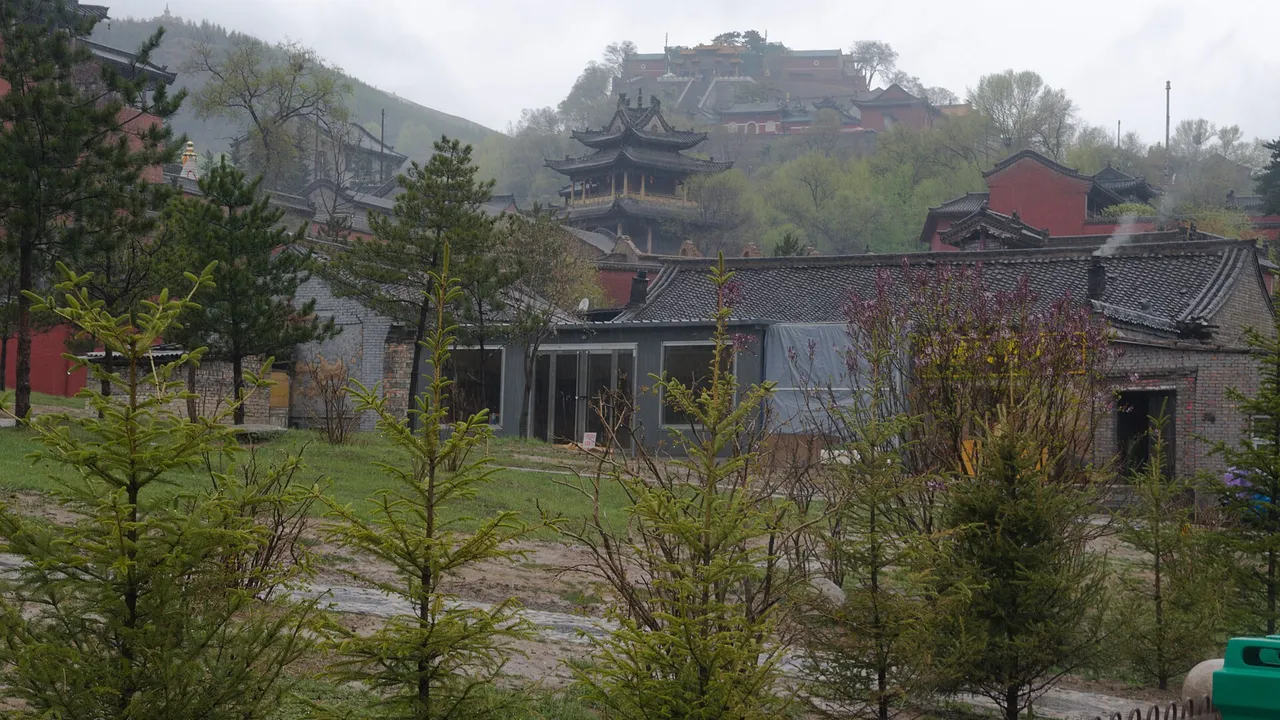
Mount Wutai is not one peak but a high green tableland in Shanxi crowned by five treeless terraces — and for over a thousand years it has been China's
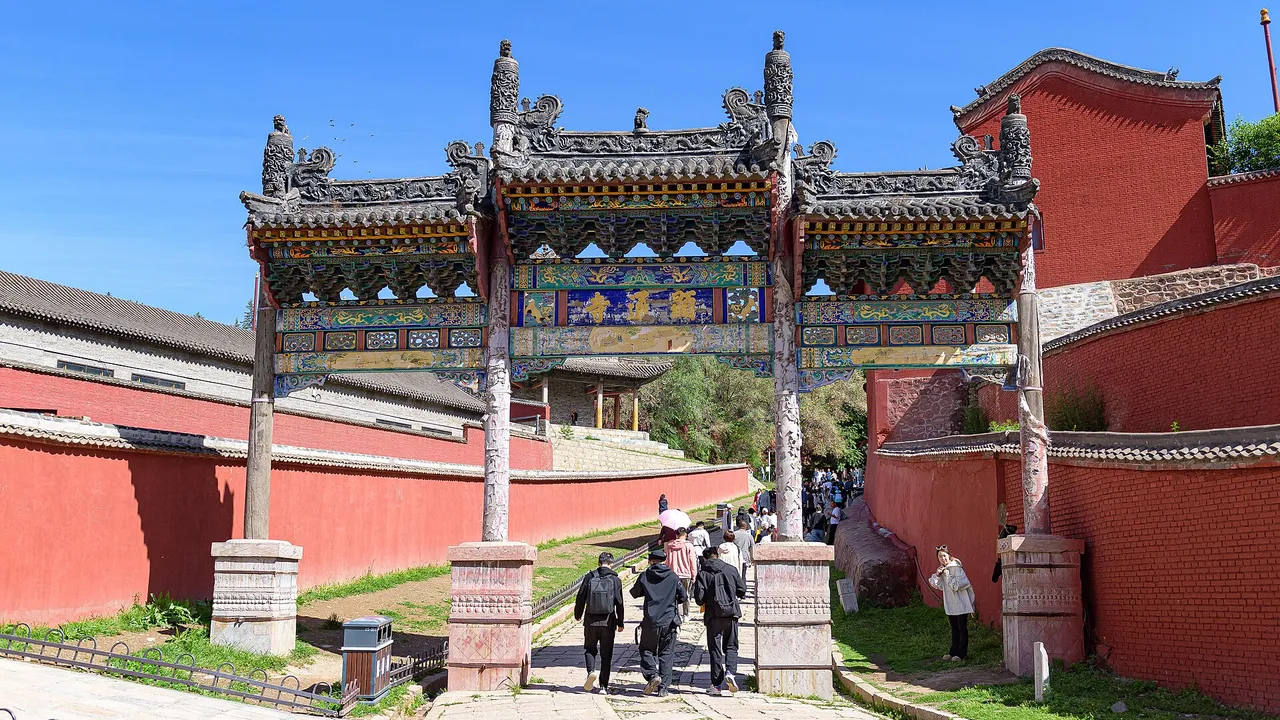
Xiantong Temple is where Mount Wutai's story begins. Founded in the Eastern Han dynasty and expanded by dynasty after dynasty, it is the oldest and la
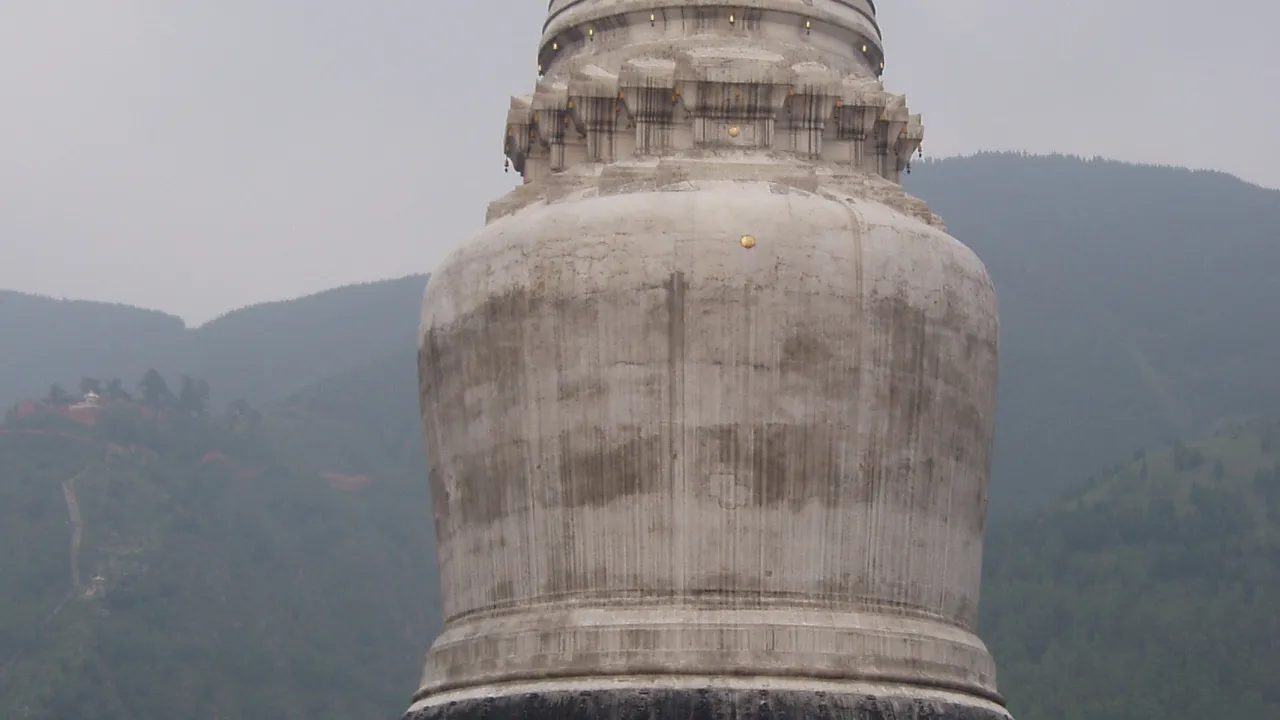
Every postcard of Mount Wutai is, at bottom, a photograph of the Great White Pagoda. Rising more than fifty metres above the Taihuai valley, this bulb
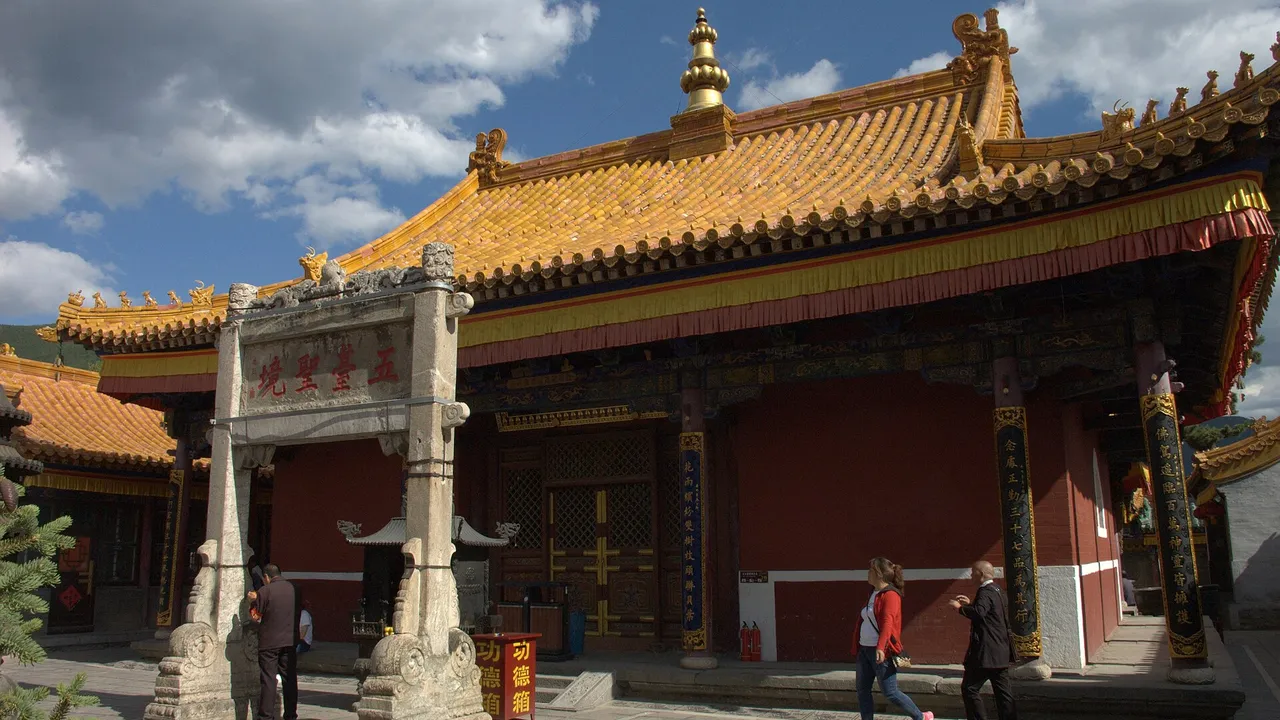
Perched on the crest above Taihuai valley, Pusading is Mount Wutai at its most imperial and most Tibetan at once. A monumental staircase of 108 stone
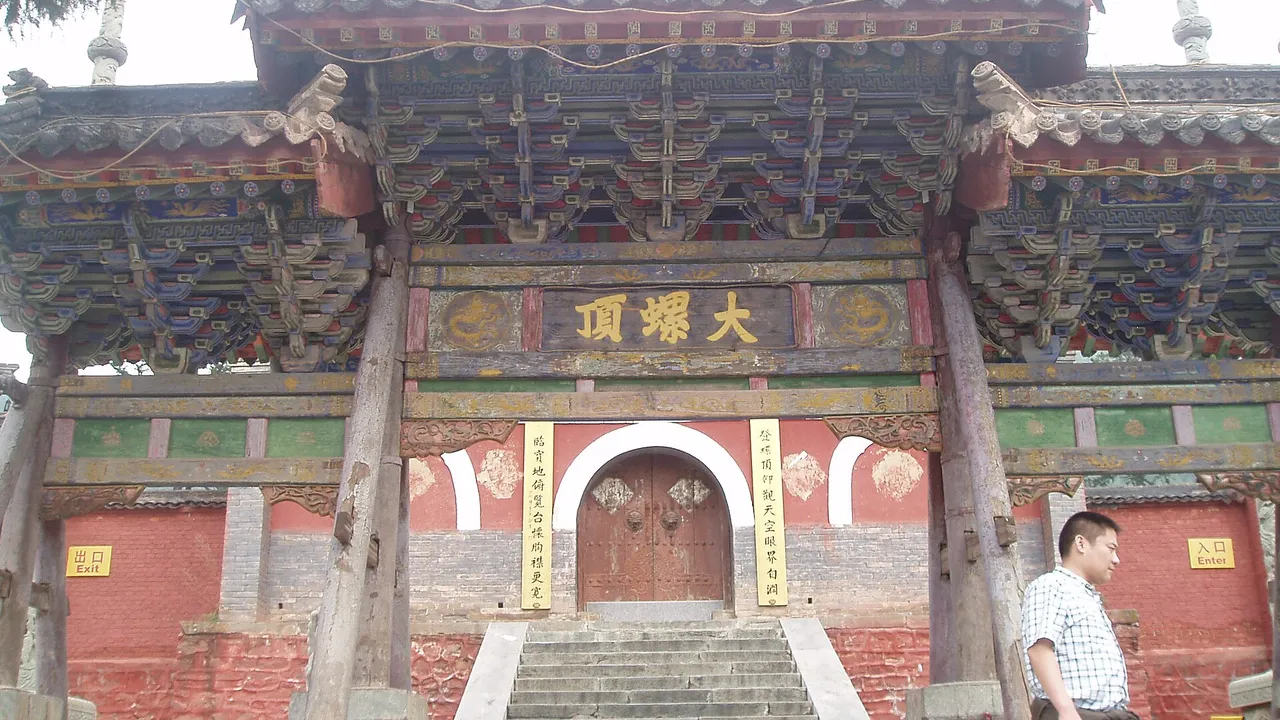
Dailuoding solves a pilgrim's dilemma with elegant audacity. On Mount Wutai, the ultimate pilgrimage meant climbing all five terraces to worship each
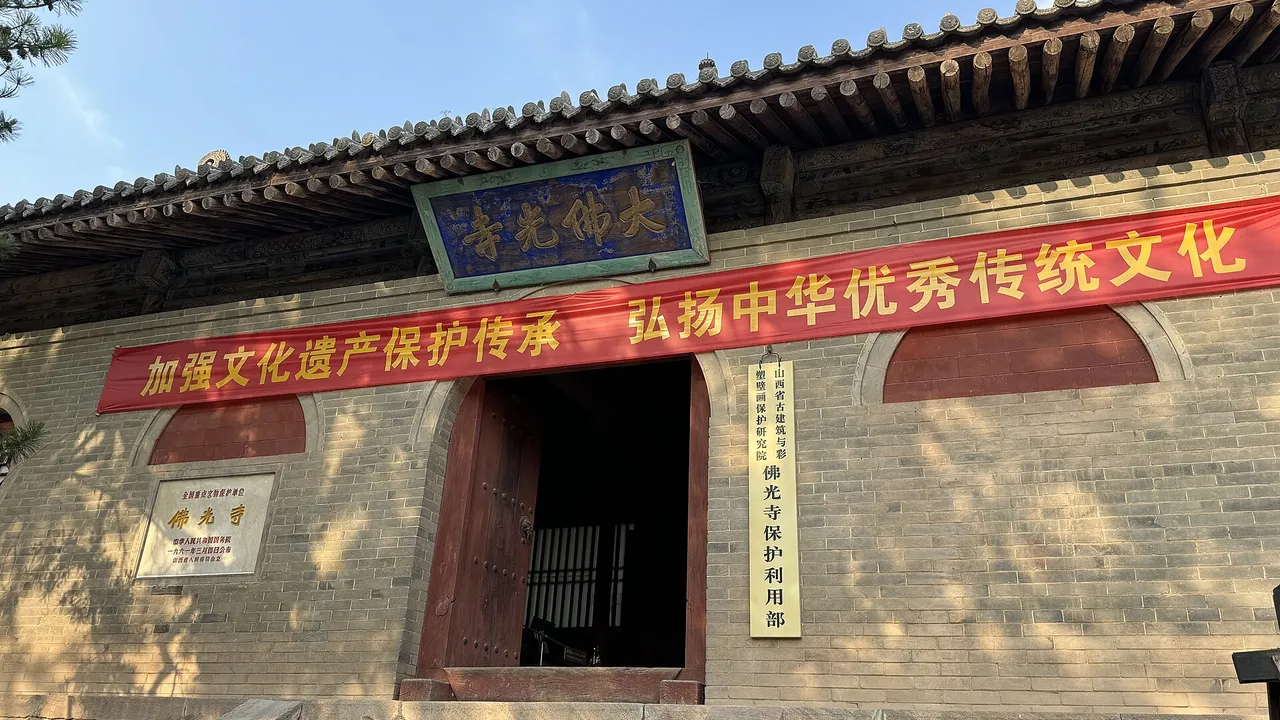
Foguang Temple holds what many consider the single most important building in Chinese architecture: the Great East Hall of 857 CE, the grandest surviv
A little further out, for a spare half-day.
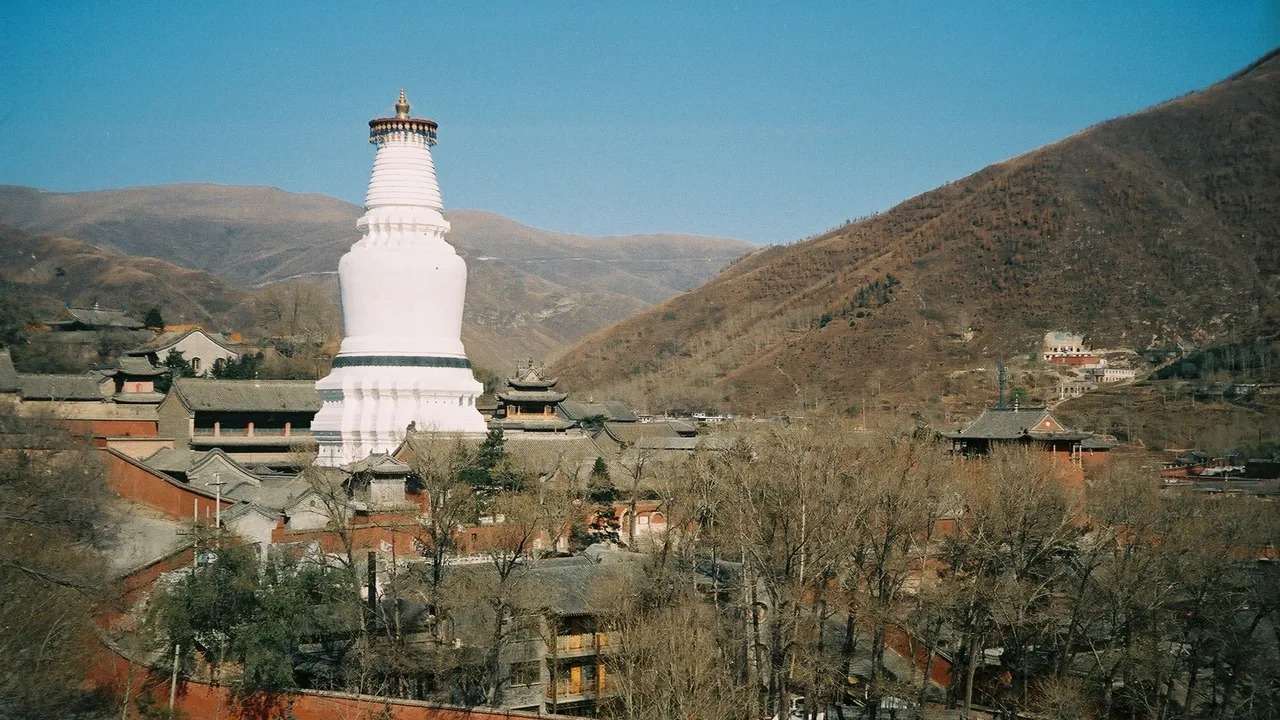
The valley town at Wutai's heart — Great White Pagoda, temples, pilgrims and incense within one walk.
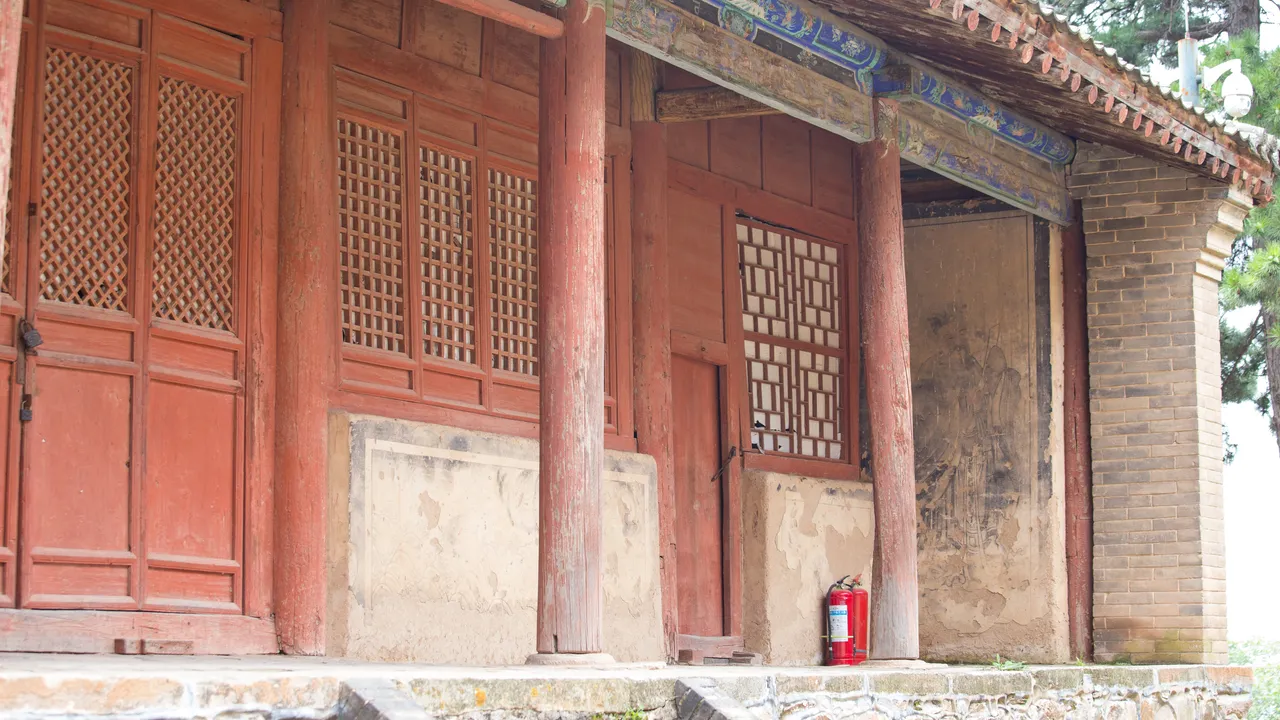
The Tang hall Liang Sicheng hailed as China's foremost national treasure, its giant brackets still soaring.

Vegetarian temple meals are a common way to eat in the monastery area of Wutaishan.
The Great White Pagoda is the visual anchor of the central cluster; evening access depends on temple hours.
The busiest incense site on the mountain by day; evenings are quiet.
A short walk between Xiantong Temple, Tayuan Temple and Pusa Ding.
The small pilgrimage circuit is a daytime route; check whether evening access is possible.
Wutaishan is a pilgrimage and temple site rather than a nightlife destination. Evenings are quiet; plan around temple hours and check official channels for any evening access.
Listed sites and the crafts that made this city famous.
Wutaishan is a UNESCO World Heritage site and the seat of Manjushri in Chinese Buddhism, listed as one of China's Four Great Buddhist Mountains.
A surviving Tang-dynasty timber structure, among the oldest wooden buildings in China.
A Tang-dynasty timber hall, significant for the study of early Chinese architecture.
Xiantong Temple, Tayuan Temple and Pusa Ding form the historic core of the mountain's temple landscape.
Wutaishan is the seat of Manjushri, and pilgrimage to the five terraces is central to the site's religious life.
Wuye Temple (Wanfo Pavilion) is the busiest incense site on the mountain.
The circuit at Danluo Ding stands in for visiting the five terraces themselves.
Temple fairs and pilgrimage seasons shape the rhythm of the central cluster; check official channels for dates.
Foguang Temple and Nanchan Temple preserve Tang timber construction, studied for its joinery and proportions.
Vegetarian meals are part of the temple routine; availability varies by temple.
Senior licensed guides with 10+ years in the field and fluent English — deep on history, culture and local life.

Experienced licensed guides with clear English — solid on city highlights, food and day-to-day logistics.

Licensed guides with workable English — a good-value choice for city days, transfers and standard commentary.

Chauffeur-driven by the day, plus airport and intercity transfers.



Private chauffeur-driven vehicles, priced per vehicle not per person. Airport transfer from $45; intercity transfer from $180.
10 guides split by trip length: one-day city routes, three-day escapes and longer journeys, with stops, costs and transport in each.
Enter Xiantong Temple at opening, circle the Great White Stupa clockwise, take the 108 s
Multi-DayThree Days of Pilgrimage at Wutai Shan: From the Founding Temple to Tang SurvivalsDay one for the five core temples of Taihuai, day two for the mini pilgrimage plus Bisha
Real routes, real travellers — a sense of what a trip looks like.
"We spent one day on the central temples and came back for Foguang Temple the next morning."
"The small pilgrimage circuit at Danluo Ding was the quietest part of our three days."
"We came for the Tang timber halls and stayed five days to see the temples without rushing."
Most travellers spend 3 days here. Add a day for a side trip if you want a slower pace.
Spring and autumn are usually the most comfortable. Check the seasonal notes above before booking.
We arrange airport/rail transfers and private drivers. Tell us your arrival point and we plan the connection.
Send an enquiry and a human expert replies within 12 hours with a draft plan and real prices. Flexible rescheduling; clear cancellation terms in your quote.
2-day private itineraries in Mount Wutai start from $540 per person, two travelling together. Your proposal itemises hotels, tickets, guide and car — no hidden fees.
Wutaishan is the seat of Manjushri and one of China's Four Great Buddhist Mountains. Its central cluster includes Wuye Temple, Xiantong Temple, Tayuan Temple and Pusa Ding.
Wuye Temple (Wanfo Pavilion), Xiantong Temple, Tayuan Temple and Pusa Ding are the core; they are close enough to walk between.
It is the circuit at Danluo Ding, which stands in for visiting the five terraces themselves.
Foguang Temple and Nanchan Temple preserve Tang-dynasty timber structures; allow travel time from the central cluster.
Ticket prices and reservation rules are not listed here. Check official channels before you go.
Opening hours are not listed here. Check official channels for temple hours and any evening access.
A single day works for the central cluster on foot; the Tang timber halls and Danluo Ding need more time.
This is an active religious site. Keep noise down, follow temple rules, and confirm access on official channels.
Recent listed prices: Mount Wutai 进山门票旺季¥135(周一至周五线上预约免大门票;观光车¥50); Xiantong Temple ¥10(含在五台山进山门票外,单独收取); Great White Pagoda (Tayuan Temple) ¥368; Pusading ¥10(含在五台山进山门票外,单独收取); Dailuoding ¥8(索道单程¥50/往返¥85). Ticket prices change seasonally — we confirm them in your quote.