 TripMyChinaJOURNEYS THROUGH REAL CHINA✦ AI Trip✦ Plan My Trip
English
简体中文
繁體中文
日本語
한국어
ไทย
Tiếng Việt
Bahasa Indonesia
Italiano
Español
العربية
Русский
Deutsch
Français
Bahasa Malaysia
TripMyChinaJOURNEYS THROUGH REAL CHINA✦ AI Trip✦ Plan My TripMount Wutai · Attractions
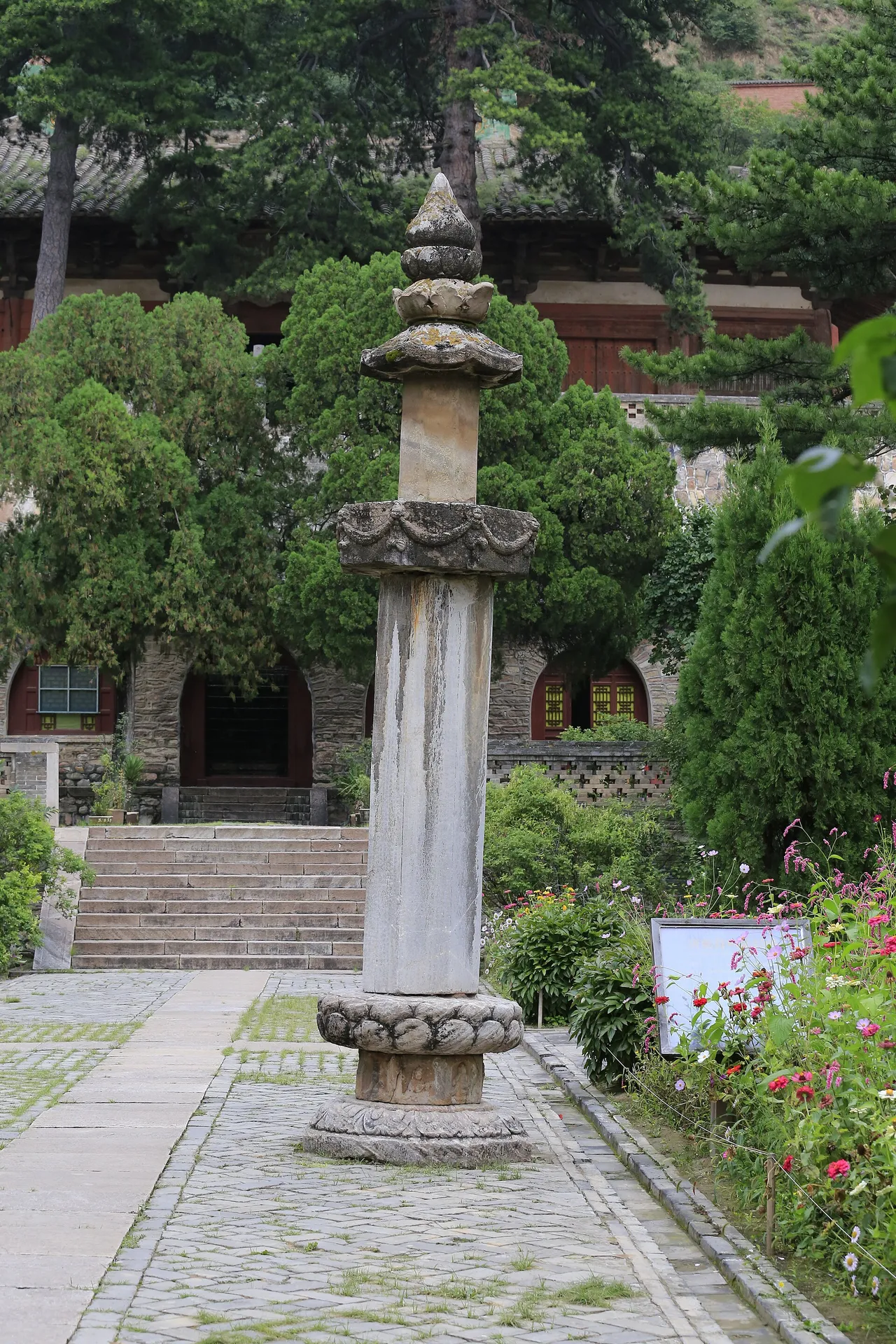
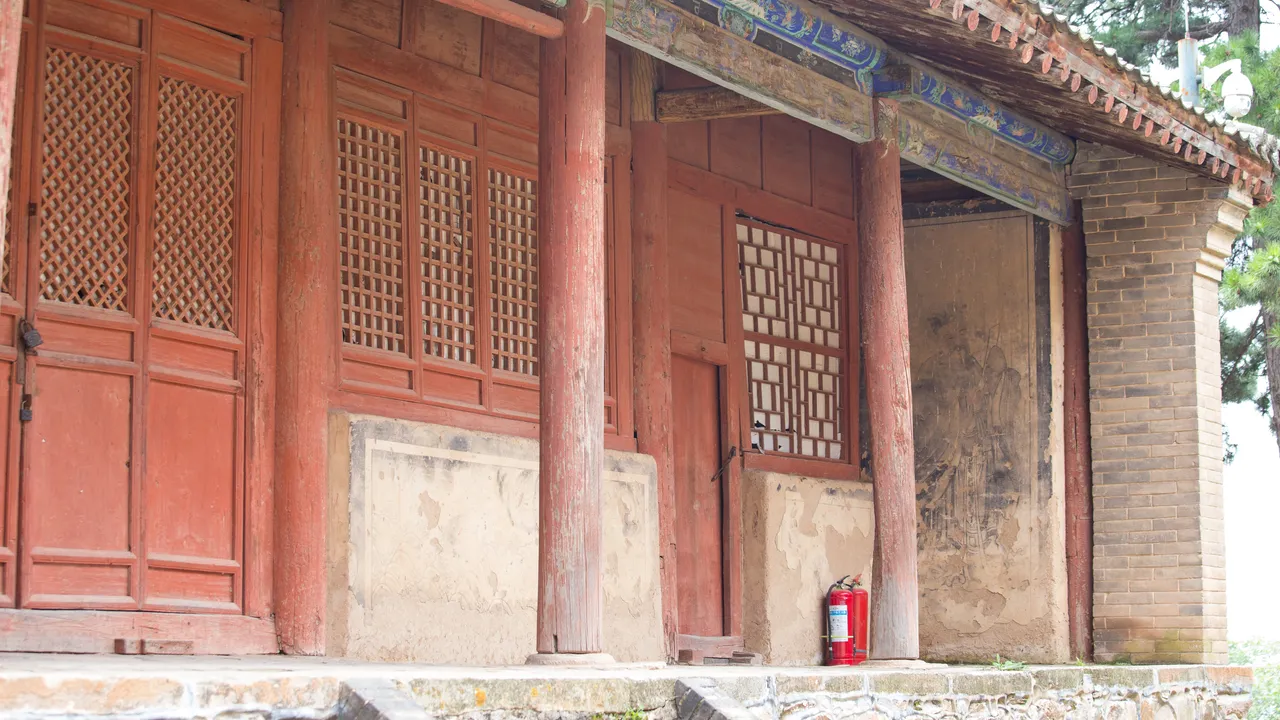
Foguang Temple holds what many consider the single most important building in Chinese architecture: the Great East Hall of 857 CE, the grandest surviving timber structure of the Tang dynasty. Its rediscovery in 1937 by the architect Liang Sicheng and his wife Lin Huiyin — riding mule tracks into the hills to prove Tang timber still stood — is one of the great detective stories of architectural history. Set on a quiet hillside a drive from the main valley, the temple rewards pilgrims of a scholarly kind: slender columns, deep eaves, Tang sculptures, and a stillness nine centuries deep.
Liang Sicheng's team identified the hall's date from ink inscriptions on its beams, corroborated by an inscription on a stone pillar outside — a discovery that rewrote the history of Chinese timber architecture, which until then had been traced only through Japan's surviving Tang-style temples. The Great East Hall stands on a high stone platform, its wide eaves sweeping over an interior filled with Tang-dynasty painted clay sculptures, murals and calligraphy inscriptions. Beside it rises an even earlier treasure: a brick pagoda from the Northern Wei era, among the oldest structures of any kind on the mountain.
The temple lies in Foguang village, a drive of roughly half an hour to an hour from the Taihuai valley depending on the road taken, so visiting is a deliberate excursion rather than a casual stop. Conservation rules sometimes limit visitors to viewing the East Hall's interior from the doorway, but the exterior, the platform views over the pine ridge, and the older buildings on the lower terrace more than justify the trip. Pair it, if the day allows, with nearby Nanchan Temple — another Tang survivor — and you have seen the deepest roots of Chinese wooden architecture in one afternoon.
The temple charges a modest entrance ticket, collected at the gate of the compound. Opening hours generally run from morning to late afternoon, but as a protected heritage site it occasionally closes sections for conservation work or research, and visiting rules — including where photography is allowed — are stricter than at the active monasteries. Confirm the day's access and any restrictions with your hotel or guide before setting out, especially regarding interior viewing of the East Hall. Bring your passport for registration, wear shoes suitable for stone terraces, and treat every surface with museum-level care.
The temple sits in Foguang village, roughly 30 to 40 kilometres from the Taihuai valley by winding rural roads, so the practical options are a hired car, a chartered taxi for the half day, or a place on a small-group cultural tour. There is no visitor-friendly public bus along this route, and road signs are limited, so arrange transport through your hotel and confirm the return pickup in advance. Most visitors allow half a day including the drive, often combining the temple with other outlying ancient sites around the mountain; your guide will confirm the route and timing the day before.
Late morning delivers the classic view: sunlight reaching into the East Hall's deep eaves and the ridge terraces warming after the valley fog lifts. May to October gives the most reliable road conditions on the rural approach; autumn is especially beautiful, with the pines and farm fields turning gold around the village. Winters are possible but cold and sometimes snowy, so check the road before committing. The site is never busy in absolute terms, but weekdays are calmer still — this is a temple that repays slowness, and it is rare to share the platform with more than a handful of fellow visitors.
Its Great East Hall, dated 857 CE, is the largest and grandest surviving timber building of China's Tang dynasty. Its 1937 rediscovery by Liang Sicheng and Lin Huiyin proved that Tang wooden architecture survived in China itself, rewriting the history of Asian architecture.
It lies about 30 to 40 kilometres away by winding rural roads — roughly a half-hour to one-hour drive. There is no practical public bus, so hire a car or charter a taxi for the half day through your hotel, confirming the return pickup in advance.
Access depends on current conservation rules, and visitors are sometimes limited to viewing the interior from the doorway. Even so, the exterior structure, the Tang sculptures glimpsed within and the terrace setting make the visit deeply worthwhile.
Plan on half a day including the drive: about an hour at the temple itself, more if you attend to the sculptures and pagoda in detail. Enthusiasts often add nearby Nanchan Temple for a second Tang-era building in the same afternoon.
 Full day · 8–10 hours
The monastery dining hall serves at about six and eleven, in silence, and the town kitchens cook the same mushroom another way
View details →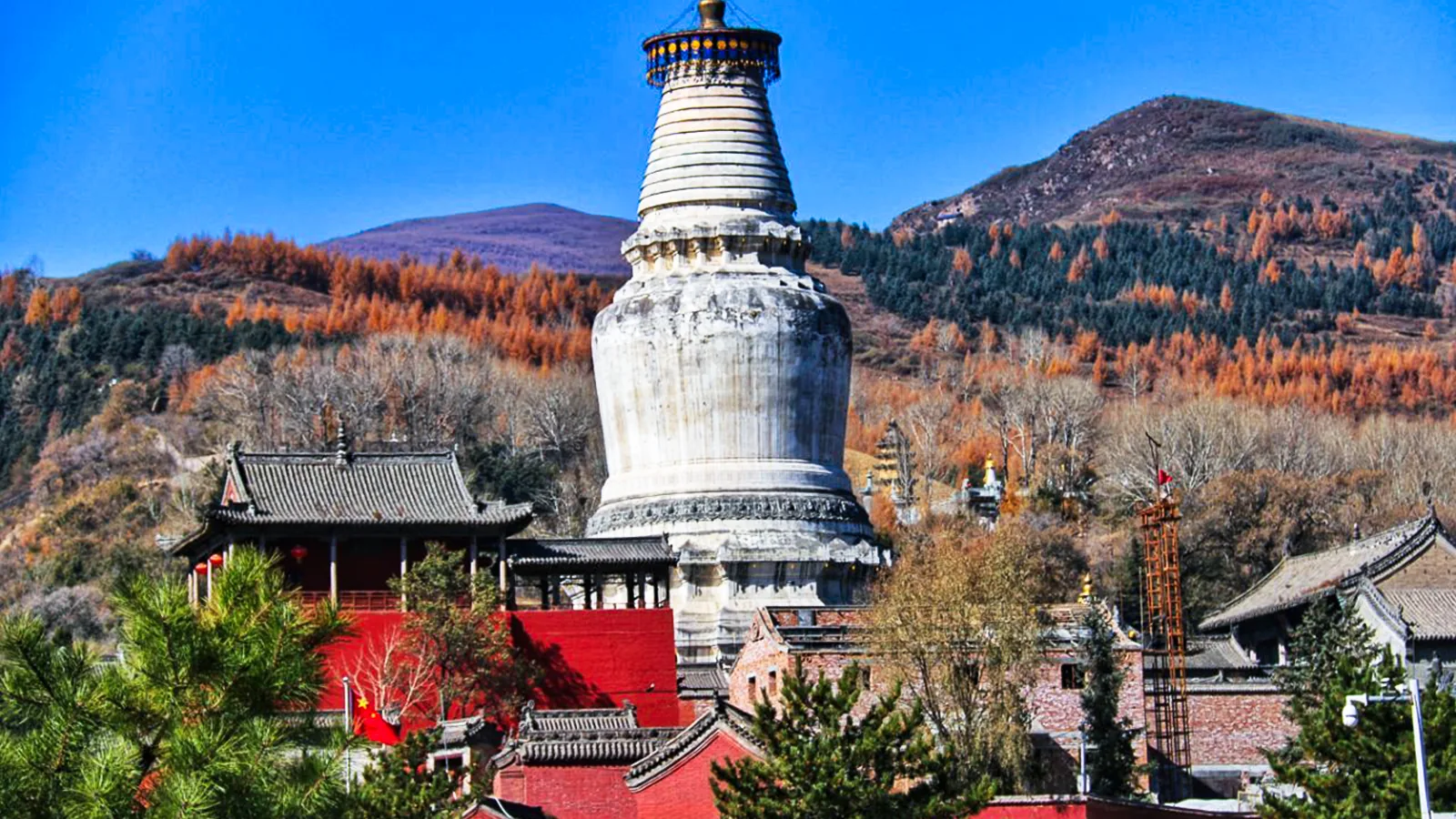 Full day · 8–10 hours
A monastery founded in the Eastern Han, a stupa designed by a Nepali craftsman, and a Qing imperial temple up 108 steps
View details →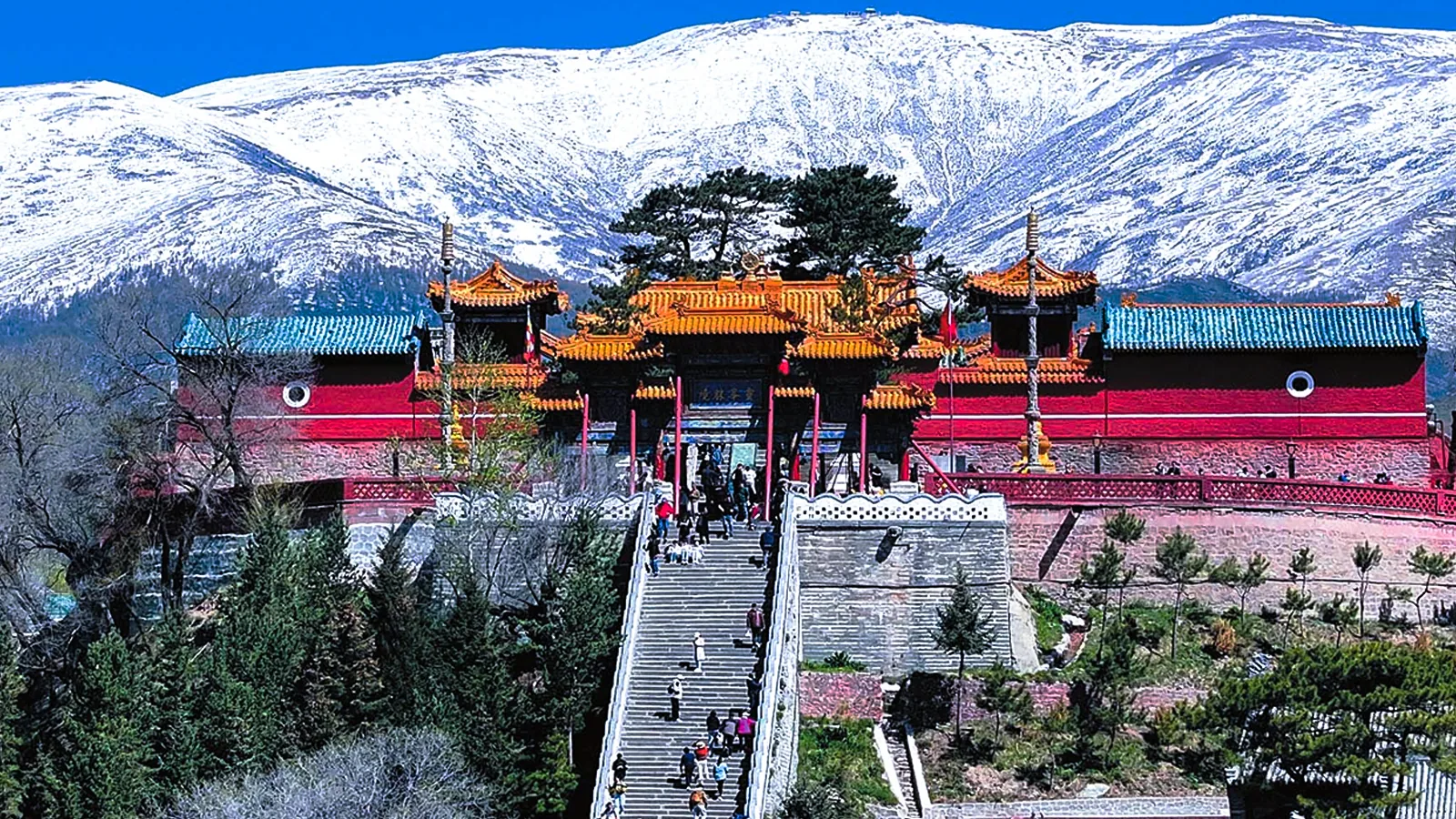 Full day · 8–10 hours
One way up is stone stairs, the other is a road that closes with snow, so the sunrise half needs a check the night before
View details →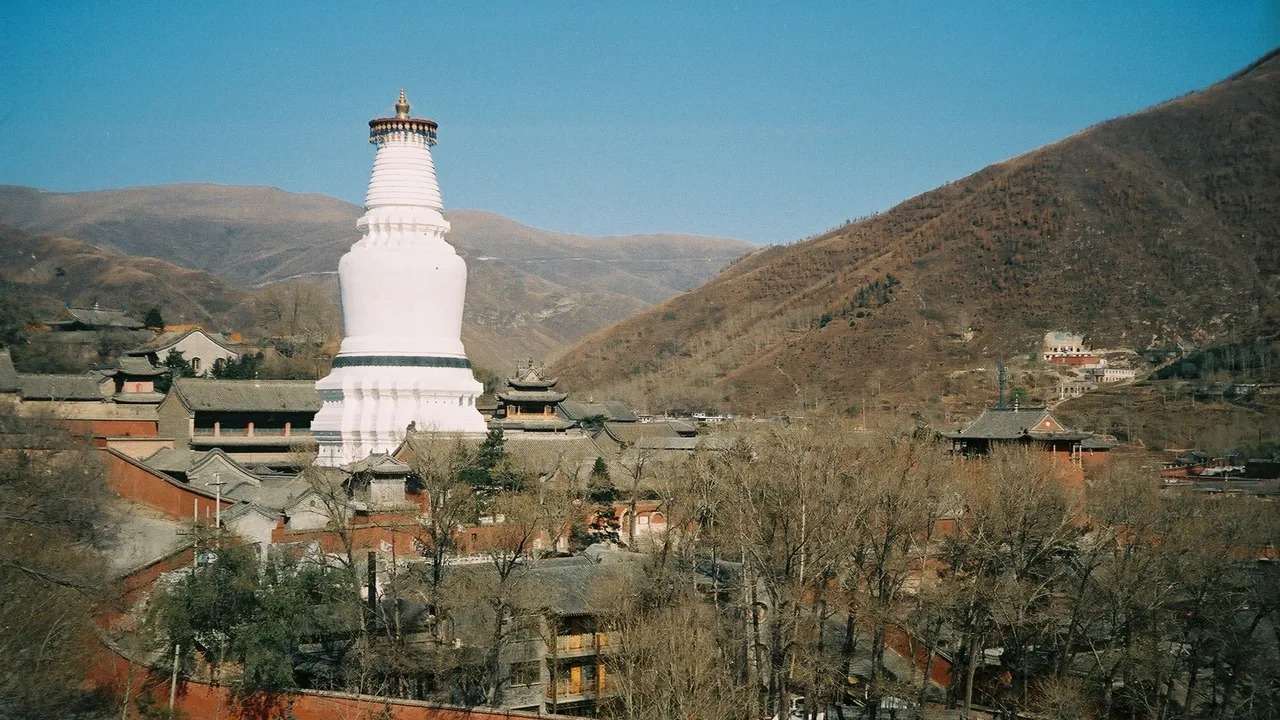 2 days · 1 night · private
A compact first visit to Mount Wutai: the great white stupa of Tayuan
View details →3 days · 2 nights · privateThe classic Mount Wutai circuit at pilgrim pace: Tayuan's white stupa,
View details →Booked a private guide for two days and it was worth every yuan. We walked the whole temple cluster in Taihuai at our own pace, and my guide knew which halls were Ming versus Qing without checking a sign. The Great White Stupa at Tayuan Temple looks even bigger up close than in photos.
Took my parents and two kids up to Pusa Ding — the climb is no joke for older legs, but my dad made it and wouldn't stop talking about the view over Taihuai town. Xiantong Temple's bronze hall kept the kids quiet for a solid twenty minutes, which is a record. Only gripe: signage in English is patchy, so bring a translation app.
Private car & driver, day trips and multi-day routes from Mount Wutai. · Free consultation · reply within 12h