 TripMyChinaJOURNEYS THROUGH REAL CHINA✦ AI Trip✦ Plan My Trip
English
简体中文
繁體中文
日本語
한국어
ไทย
Tiếng Việt
Bahasa Indonesia
Italiano
Español
العربية
Русский
Deutsch
Français
Bahasa Malaysia
TripMyChinaJOURNEYS THROUGH REAL CHINA✦ AI Trip✦ Plan My TripMount Wutai · Attractions
Mount Wutai is not one peak but a high green tableland in Shanxi crowned by five treeless terraces — and for over a thousand years it has been China's foremost mountain of Buddhism, the earthly abode of the bodhisattva Manjusri. Emperors made pilgrimage here, monks from India and Tibet studied here, and today more than forty working temples cluster in the Taihuai valley and across the plateau above. For visitors, it offers a rare blend: living monastic life, some of China's oldest timber architecture, cool highland air and landscapes that feel closer to Tibet than to ordinary China.
The mountain's geometry gives it its name: five flat terraces, the highest just over 3,000 metres, each crowned with a temple to a different aspect of Manjusri. In the valley below, the town of Taihuai gathers the great active monasteries — Tibetan-style yellow-roofed complexes alongside Chinese-style halls — where pilgrims prostrate along the circuit and monks chant at dawn. The whole area was inscribed as a UNESCO World Heritage site in 2009 for its cultural landscape, a rare designation that recognizes both the architecture and sixteen centuries of continuous religious life.
Practically, most visitors spend one to three days based in Taihuai, visiting the valley temples such as <a href="/attractions/xiantong-temple/">Xiantong Temple</a> and the Great White Pagoda, then venturing up to the terraces by shuttle or hiking trail. The mountain sits in the northeast of Shanxi province, reachable by road from Taiyuan or Datong, and its elevation keeps summer refreshingly cool — it was the imperial family's escape from Beijing heat. Winters are severe, but that too has its admirers: snow-covered courtyards and thin crowds give the mountain a monastic stillness.
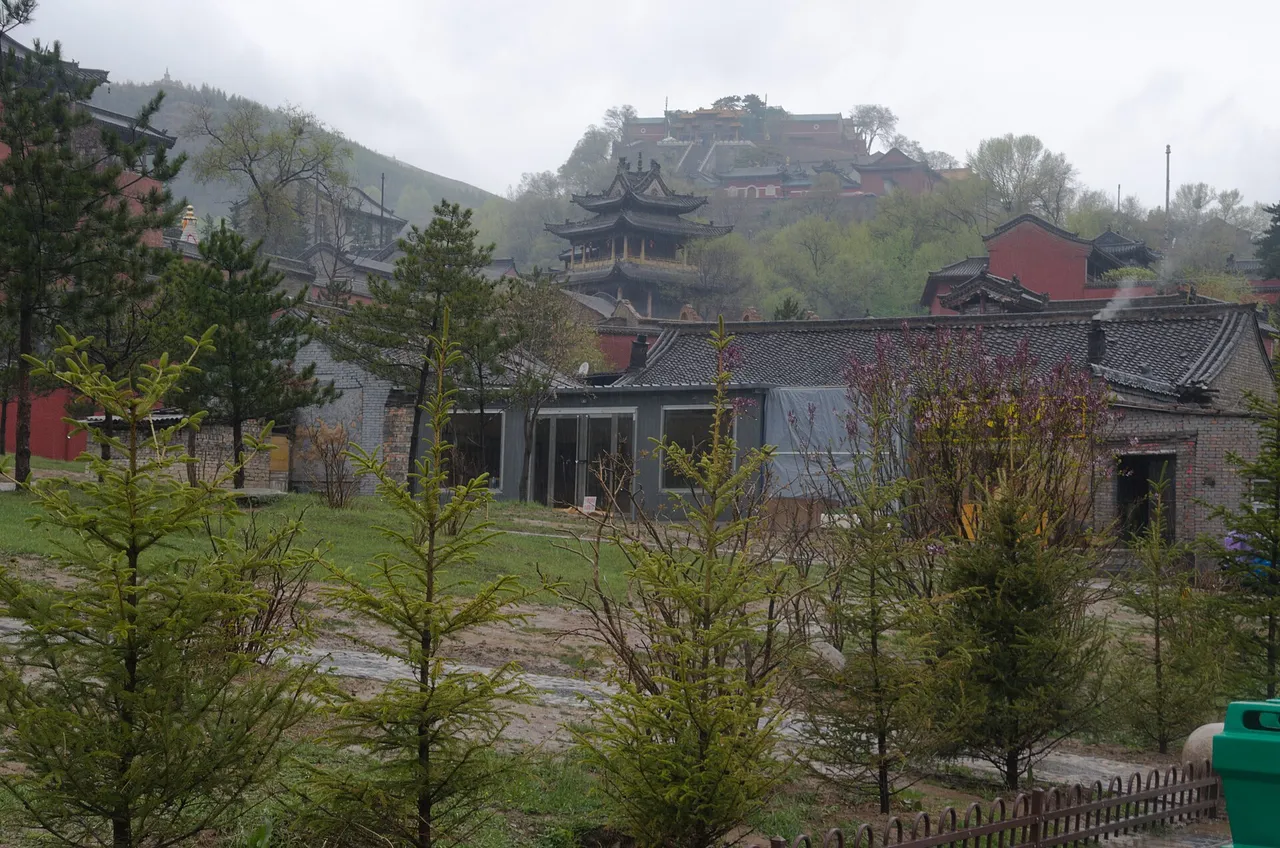
Entering the Mount Wutai scenic area requires a park ticket covering the whole mountain, purchased at the entrance gates or online with your passport. Individual valley temples traditionally request small separate donations at their doors, and the shuttle buses and terrace road tickets are charged additionally. Opening hours vary by temple, generally running from early morning to dusk, and the terrace road closes in winter snow. Ticket prices and policies change periodically, so confirm the current arrangement with your hotel or guide on arrival — they will verify park entry, shuttle fares and any temple donations the same day.
Mount Wutai lies in northeastern Shanxi, and the practical gateways are Taiyuan and Datong. The modern high-speed rail station at Wutai Shan serves the area, with connections from Taiyuan and Beijing, followed by an hour's drive up the valley to Taihuai town; buses and shared vans meet the trains. Direct buses also run from Taiyuan and Datong to Taihuai, taking roughly three to four hours. Within the scenic area, a network of shuttle buses links the valley temples and the terrace trailheads, and taxis are plentiful in town. Distances are short but roads wind, so allow generous time between temples.
June to September is the classic season: the plateau turns green and flowery, daytime temperatures stay pleasantly cool, and every temple path is open. Late September brings golden grasses and the first frosts, superb for photography. Winters are harsh at altitude — heavy snow can close the terrace road, though the valley temples remain open and atmospheric for hardy visitors. Avoid Chinese public holidays if possible, when Taihuai fills with pilgrim and tour groups; on ordinary weekdays the dawn and dusk hours in the valley are magical, with chanting drifting between temple courtyards.
It is revered as the earthly dwelling of the bodhisattva Manjusri, the embodiment of wisdom, and has drawn Buddhist pilgrims for over fifteen centuries. Emperors endorsed it as the foremost of China's four sacred Buddhist mountains, and today it remains a living center for both Chinese and Tibetan Buddhism.
Two days suit most visitors: one for the Taihuai valley temples and pagoda circuit, and one for an excursion to the terraces. Pilgrims and photography enthusiasts often add a third day for sunrise on the plateau or the outlying temples such as Foguang Temple.
Yes, the mountain is open to international travelers. Bring your passport for the park entry ticket and hotel registration, dress respectfully in the temples, and note that some remote temples close earlier or keep irregular hours, so plan with your guide.
The Taihuai valley holds the main cluster of working monasteries, shops and hotels at around 1,700 metres, while the five terraces are treeless summits above 2,500 metres reachable by shuttle road or hiking trails. Most visitors do both — temples below, open landscape above.
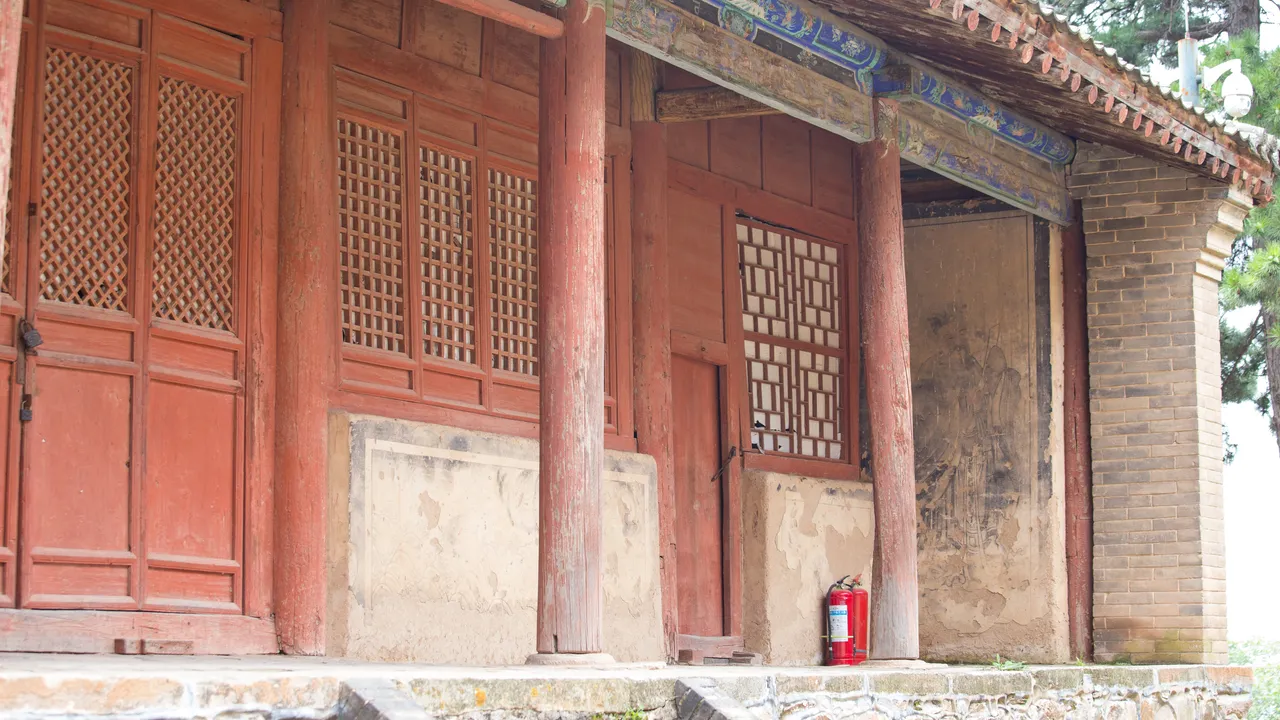 Full day · 8–10 hours
The monastery dining hall serves at about six and eleven, in silence, and the town kitchens cook the same mushroom another way
View details →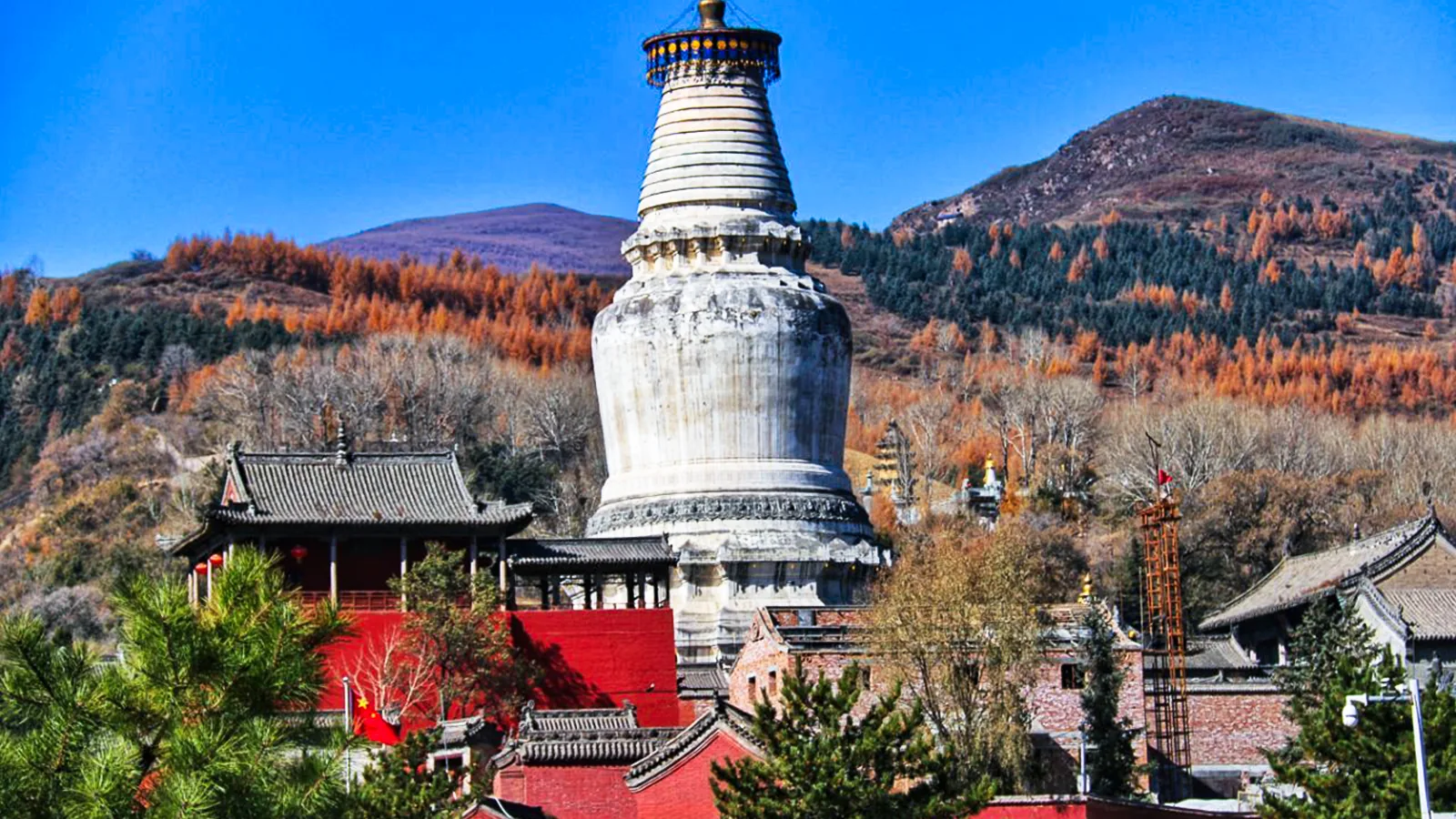 Full day · 8–10 hours
A monastery founded in the Eastern Han, a stupa designed by a Nepali craftsman, and a Qing imperial temple up 108 steps
View details →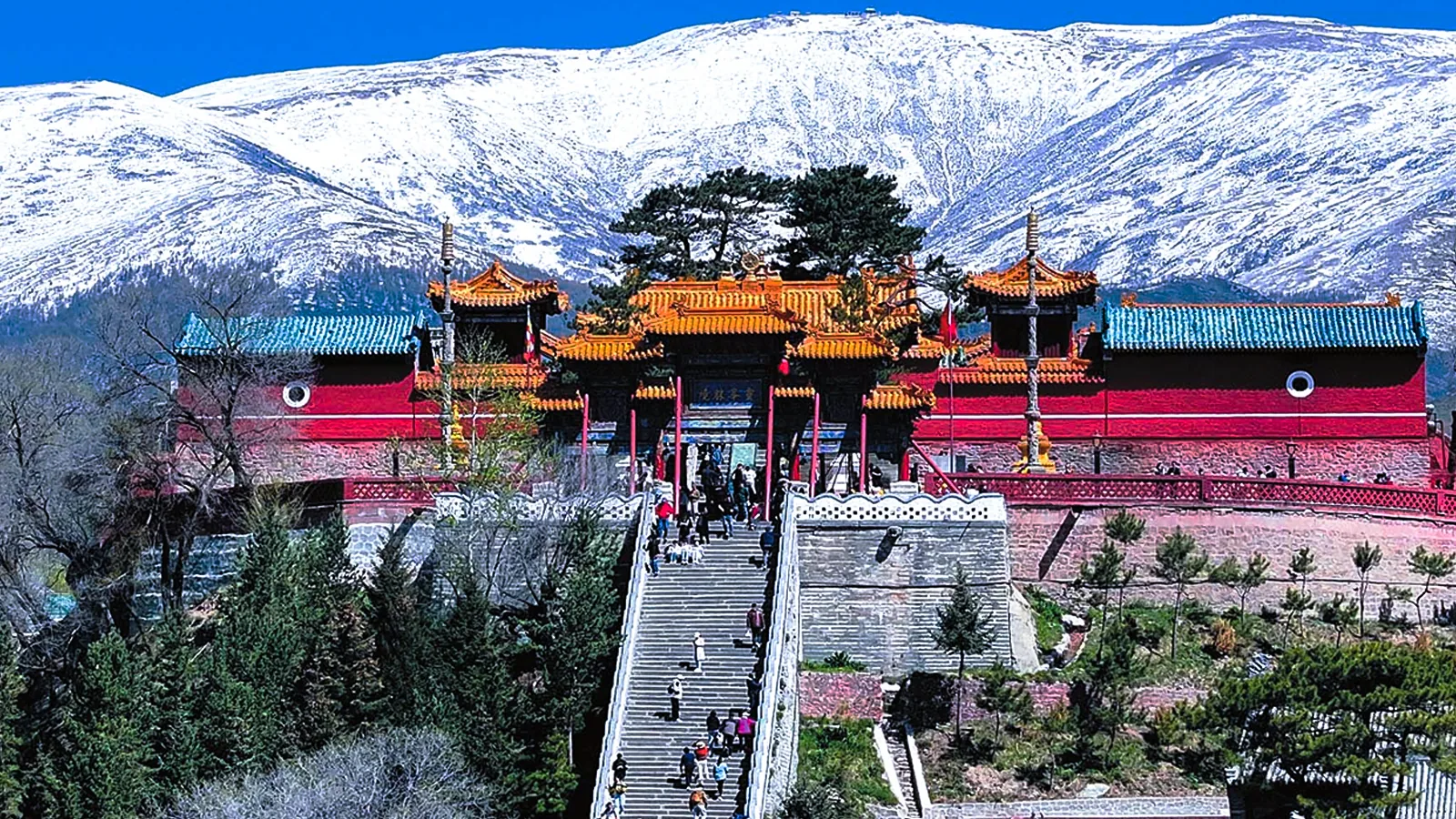 Full day · 8–10 hours
One way up is stone stairs, the other is a road that closes with snow, so the sunrise half needs a check the night before
View details →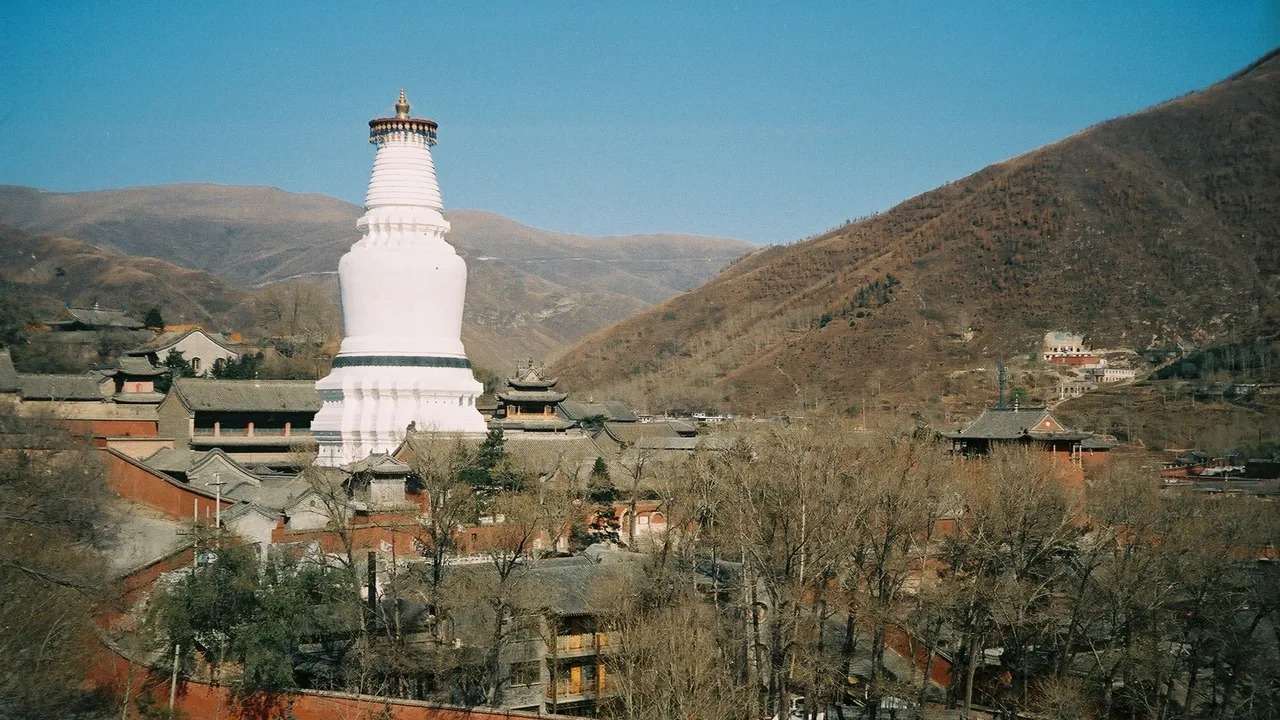 2 days · 1 night · private
A compact first visit to Mount Wutai: the great white stupa of Tayuan
View details →3 days · 2 nights · privateThe classic Mount Wutai circuit at pilgrim pace: Tayuan's white stupa,
View details →Booked a private guide for two days and it was worth every yuan. We walked the whole temple cluster in Taihuai at our own pace, and my guide knew which halls were Ming versus Qing without checking a sign. The Great White Stupa at Tayuan Temple looks even bigger up close than in photos.
Took my parents and two kids up to Pusa Ding — the climb is no joke for older legs, but my dad made it and wouldn't stop talking about the view over Taihuai town. Xiantong Temple's bronze hall kept the kids quiet for a solid twenty minutes, which is a record. Only gripe: signage in English is patchy, so bring a translation app.
Private car & driver, day trips and multi-day routes from Mount Wutai. · Free consultation · reply within 12h