 TripMyChinaJOURNEYS THROUGH REAL CHINA✦ AI Trip✦ Plan My Trip
English
简体中文
繁體中文
日本語
한국어
ไทย
Tiếng Việt
Bahasa Indonesia
Italiano
Español
العربية
Русский
Deutsch
Français
Bahasa Malaysia
TripMyChinaJOURNEYS THROUGH REAL CHINA✦ AI Trip✦ Plan My TripMohe · Attractions
The May 6 Fire Memorial Hall in Mohe's county town preserves the memory of one of the worst forest fires in modern Chinese history: the Great Khingan blaze of May 6, 1987, which burned for nearly a month, destroyed the town of Tuqiang and much of the surrounding forests, and left more than two hundred people dead. Through photographs, salvaged objects and room-by-room reconstructions, the museum explains how the fire started, spread and was finally stopped by rain after heroic efforts. It is a sobering, moving hour that gives every forest view in the region a deeper meaning.
On May 6, 1987, fires ignited by workers' negligence in the forests of the Great Khingan range merged and raced through tinder-dry taiga, overwhelming towns including Tuqiang, now part of Mohe. The official toll recorded over 200 deaths, tens of thousands left homeless, and more than a million hectares of forest affected. The disaster became a national turning point, transforming China's approach to forest fire prevention, and the memorial hall, opened in the rebuilt town, stands as both archive and warning.
Exhibits lead visitors through the timeline hour by hour: melted household objects, burned vehicles, photographs of the firestorm's wall of flame, and accounts of firefighters, soldiers and residents. A reconstructed burned-out domestic interior brings the scale home more than any statistic. The hall is compact, about 45 to 60 minutes, with most labels in Chinese, so a guide or translation app helps international visitors. It sits in the Mohe county town center, an easy stop between the railway station area and other town sights such as Beijixing Square, and admission is free or nominal.
Admission to the May 6 Fire Memorial Hall is free or charged nominally, with policies that have varied over the years, so check on arrival; registration with identification or passport may be required. Opening hours are typically daytime on weekdays, commonly 8:30 to 16:30 or 17:00, and it may close on Mondays or in the deep-winter low season, so confirm locally before making a special trip. The visit takes 45 to 60 minutes through halls of photographs and artifacts; the content is emotionally heavy but presented respectfully, and it is suitable for older children with adult guidance. Photography rules are posted inside, and quiet is the custom in the memorial rooms.
The memorial hall stands in the center of Mohe's county town (Xilinji), a short taxi ride from Mohe railway station and within walking distance of much of the small town, including the hilltop Beijixing Square. Most visitors reach Mohe by overnight train or a flight into Mohe Gulian Airport, then use taxis, which are plentiful and cheap in town. An ideal town visit strings together the memorial hall, Beijixing Square and the Songyuan Park riverside in a relaxed half day, and the hall also anchors the historical context for the forest scenery you will see on the northern loop the following day. English signage is limited, so plan to use a translation app or arrange a local guide.
As an indoor, town-based memorial, the hall suits any season and is especially valuable in deep winter, when outdoor sightseeing is limited by extreme cold, and on smoke-haze or rain days. Weekday mornings are quietest, giving space for the more affecting exhibits. The most meaningful sequencing is to visit before heading out to the forests and river bends of the northern loop: knowing what happened here in 1987 transforms the sight of recovering birch and larch forest into something profoundly hopeful. Pair it afterward with a climb up Beijixing Square for the town view, the same town that burned and rebuilt within living memory.
The Great Khingan wildfire of May 6, 1987, which killed over 200 people, razed towns including Tuqiang and burned vast areas of forest, becoming a turning point in China's fire prevention history.
About 45 to 60 minutes for the exhibition halls. The content is compact but emotionally weighty, so most visitors move slowly.
Very little; exhibits are labeled in Chinese. A translation app or local guide makes the visit far more accessible for international travelers.
Older children can visit with adult guidance. The reconstructions and photographs are sobering rather than graphic, but the subject matter is heavy.
 Full day · 8–10 hours
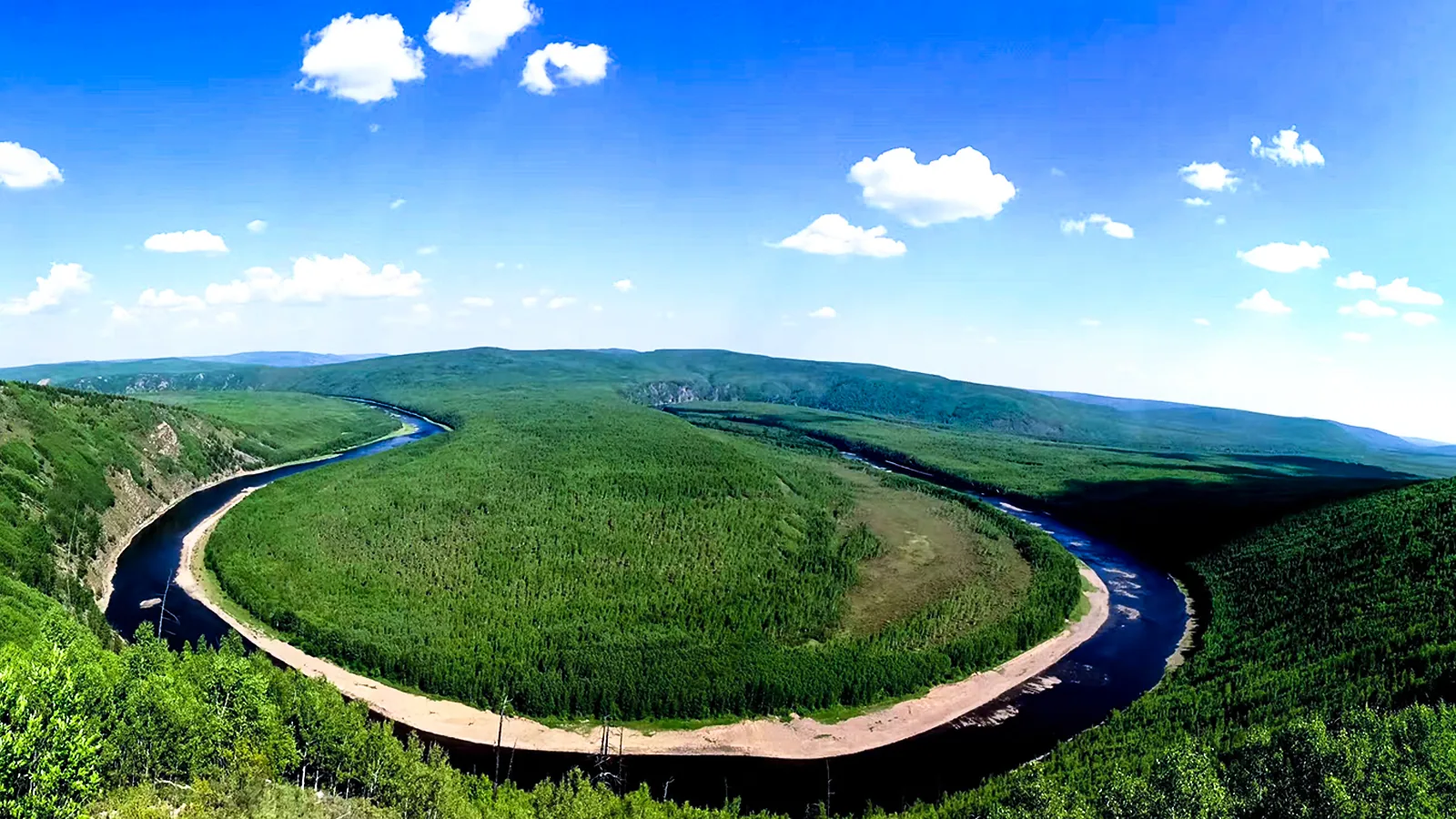
More than three hundred kilometres of driving for one river bend, one northernmost beach and one wood that changes colour
View details →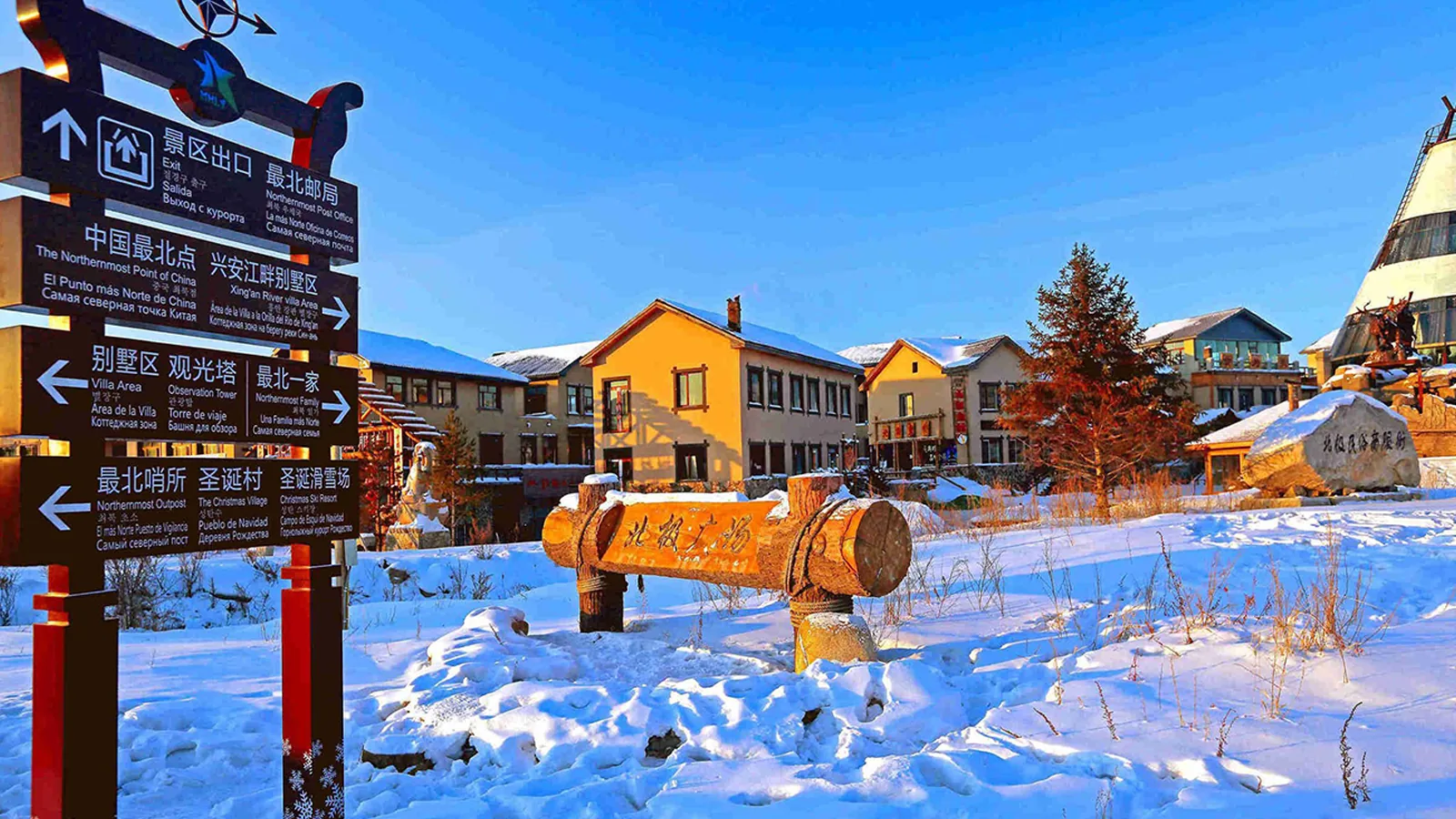 Full day · 8–10 hours
The aurora shows up a handful of nights a year and is usually a faint red wash; the stars are the reliable part
View details →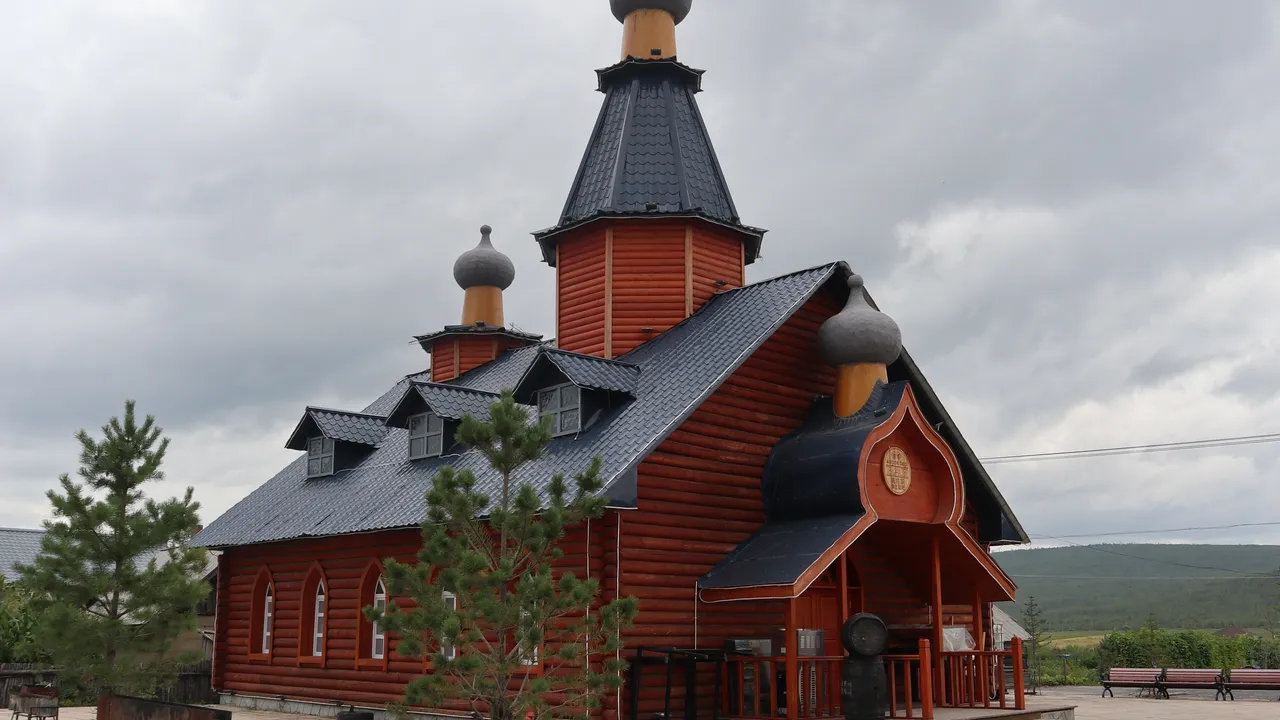 Full day · 8–10 hours
The fish comes out of the Heilong and the berries out of the forest, and both keep to a season
View details →2 days · 1 night · privateA compact first-visit loop of Mohe: the Nine Bends wetland overlook, a
View details → 3 days · 2 nights · private
The classic Mohe triangle: the Nine Bends overlook and birch forests,
View details →Booked a private guide for the Mohe loop and it was worth every yuan. We stood at the Shenzhou Beiji Monument in Beiji Village and my guide told me the exact coordinates, which I still think about. The drive to the First Bay of the Longjiang River was long but the viewing platform gave us the whole bend in one look. Bring a windproof jacket, the border wind does not mess around.
Took the kids to Mohe over winter break and the northernmost post office in Beiji Village was the highlight for them. They each mailed a postcard home and checked the mailbox every day for a week. Only gripe is the food options near the village are pretty limited, we ate the same dumpling place three nights running. Still, the kids loved the snow and the border walk at Wusuli Shoal.
Private car & driver, day trips and multi-day routes from Mohe. · Free consultation · reply within 12h