 TripMyChinaJOURNEYS THROUGH REAL CHINA✦ AI Trip✦ Plan My Trip
English
简体中文
繁體中文
日本語
한국어
ไทย
Tiếng Việt
Bahasa Indonesia
Italiano
Español
العربية
Русский
Deutsch
Français
Bahasa Malaysia
TripMyChinaJOURNEYS THROUGH REAL CHINA✦ AI Trip✦ Plan My TripMohe sits at the northern tip of Heilongjiang, where the Heilongjiang River marks the border with Russia. The area's landmarks include Beiji Village (China's northernmost settlement), the First Bay of the Longjiang River, and Wusuli Shoal. Winter temperatures can reach minus forty degrees, while the summer solstice brings the white nights.
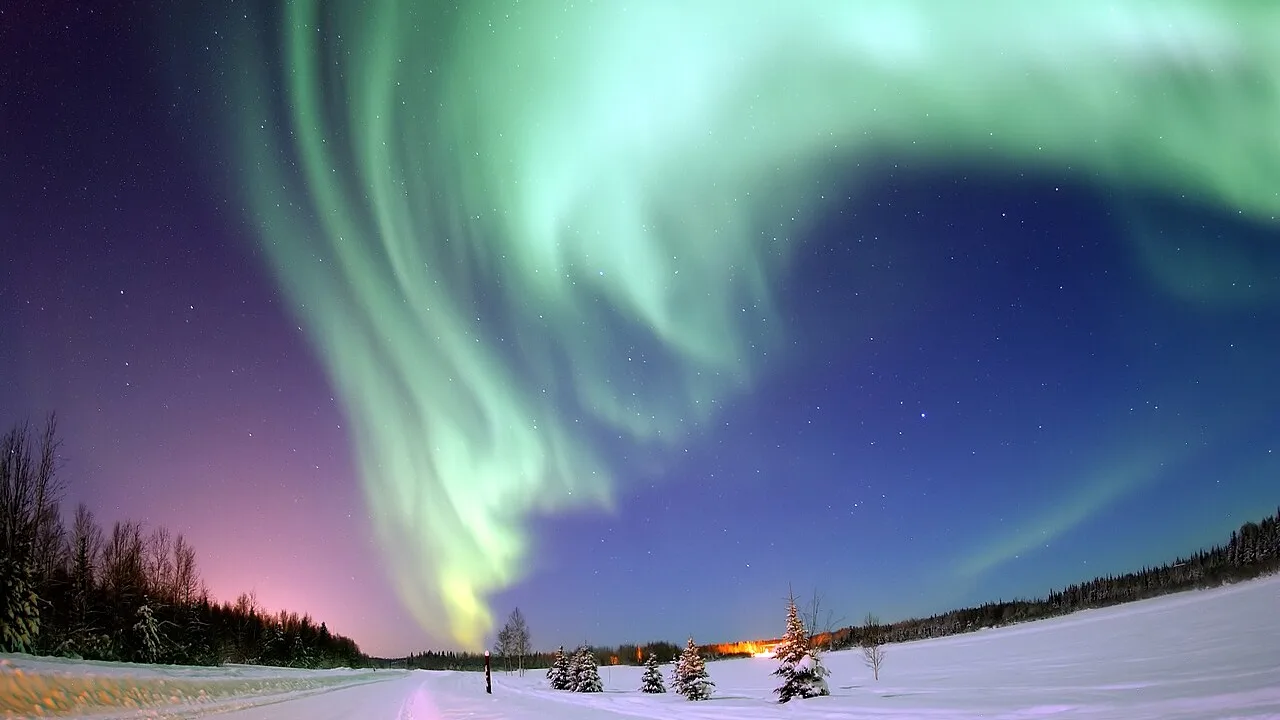
Mohe is China's northernmost county-level city, administered under the Daxing'anling Prefecture of Heilongjiang Province. It sits on the south bank of the Heilongjiang River, which forms the border with Russia, and is surrounded by the forests and river valleys of the Greater Khingan range.
The town grew from a border settlement and logging base, and its identity is tied to frontier life, the river trade, and the long, severe winters of the far north. What draws travelers is the sense of reaching the end of the map — quiet villages, frozen rivers, and a sky that stays light late in summer.
Most visits center on Beiji Village (北极村), with the China Northernmost Post Office and the Shenzhou Beiji Monument, and on Beihong Village (北红村), a smaller riverside settlement. Nearby you can see the Wusuli Shoal (乌苏里浅滩), the first bend of the Heilongjiang River at Longjiang First Bay (龙江第一湾), and the Christmas Village, while winter brings snow-covered forests and frozen waterways.
World-class, national and global recognition earned over the decades.
Beiji Village marks the northernmost settlement in China, with the Shenzhou Beiji Monument and the northernmost post office.
Mohe is one of the few places in China where auroras and polar night can be observed.
A dramatic bend of the Heilongjiang River forming a near-circular bay.
A shallow riverbank at the northern frontier, known for its clear waters and border scenery.
A quiet village near the northern border, retaining a traditional rural atmosphere.

The moments that shaped the city — and the stories its people still tell.
Archaeological findings indicate human activity in the Mohe area since prehistoric times.
Mohe served as a frontier outpost during the Qing Dynasty, with records of military settlements.
Gold discoveries in the late 19th century brought a surge of prospectors to the region.
Mohe was formally established as an administrative unit in the early 20th century.
Infrastructure and services expanded in the mid-20th century, supporting the local population.
Mohe began to attract visitors for its northern scenery and unique natural phenomena.
The post office in Beiji Village is celebrated as China's northernmost, where visitors send postcards from the edge of the country.
A themed village near Mohe celebrates Christmas year-round, with festive decorations and a Santa Claus figure.
Mohe is known for extreme cold, with winter temperatures often dropping to -40°C, offering a test of endurance.
Around the summer solstice, Mohe experiences extended daylight, known as white nights, when the sky remains bright late into the evening.
Three paces, one city — every route built from places we actually operate.
Weather, crowds and the best months for what you want to see.
Spring is short and cool, with snowmelt and budding vegetation.
Summer brings mild weather and the white nights around the summer solstice.
Autumn is crisp and colorful, with clear skies and golden foliage.
Winter is long and extremely cold, with temperatures often below -30°C, ideal for aurora viewing and cold-weather experiences.
What this city is known for — the things worth planning your day around.
The places worth building a day around.
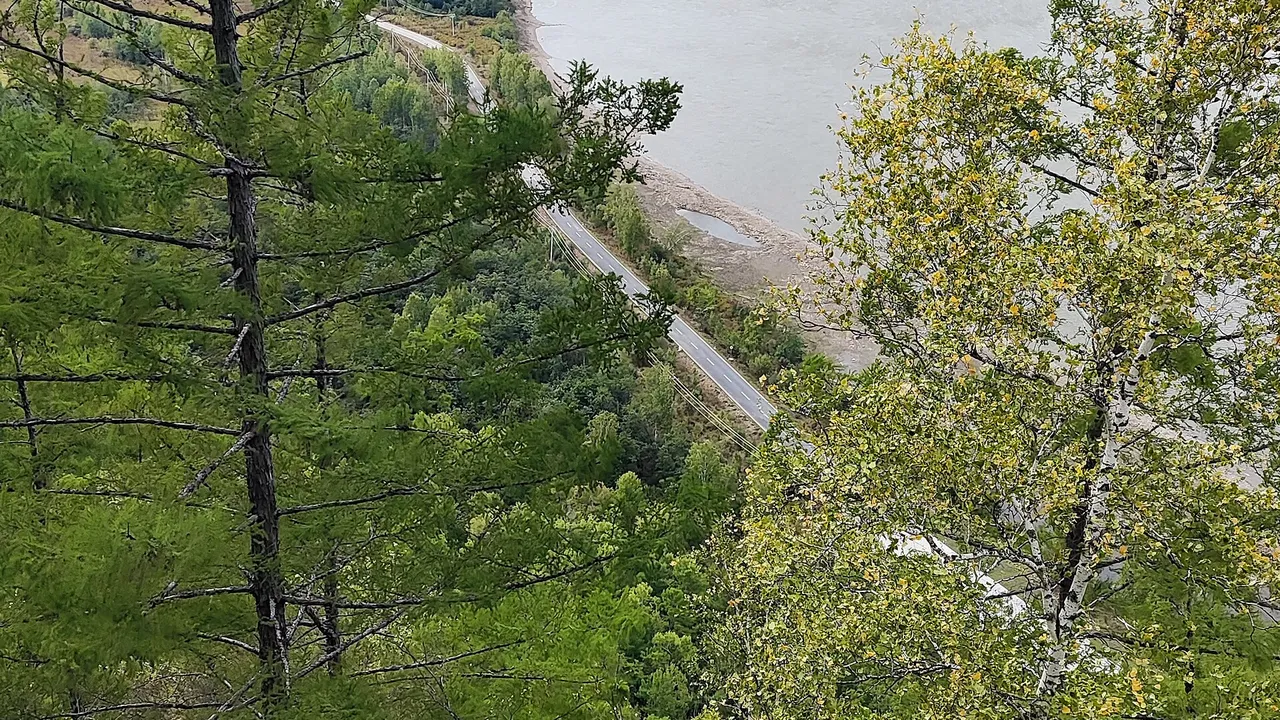
The Amur River First Bend (Longjiang First Bend) is the most breathtaking natural sight in the Mohe region, where China's northernmost river swings in
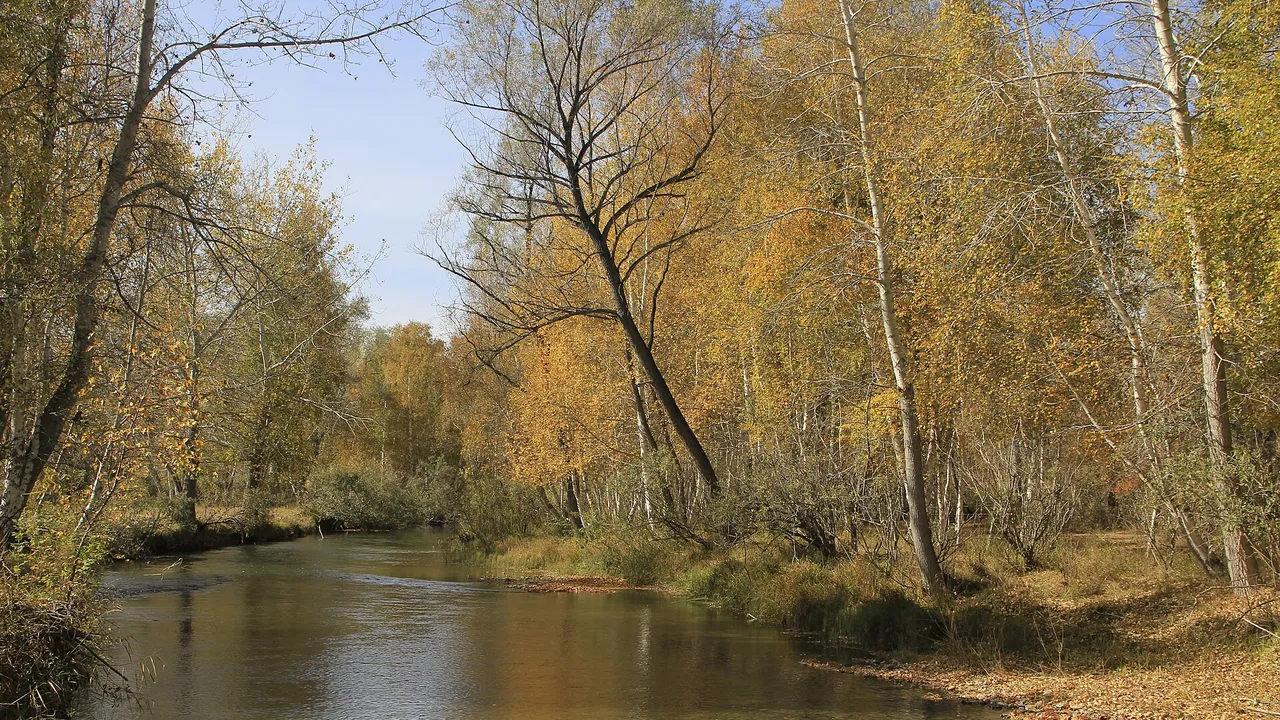
On the road between Mohe and China's northernmost village stands one of the region's most photographed landscapes: a vast stand of white birch, their
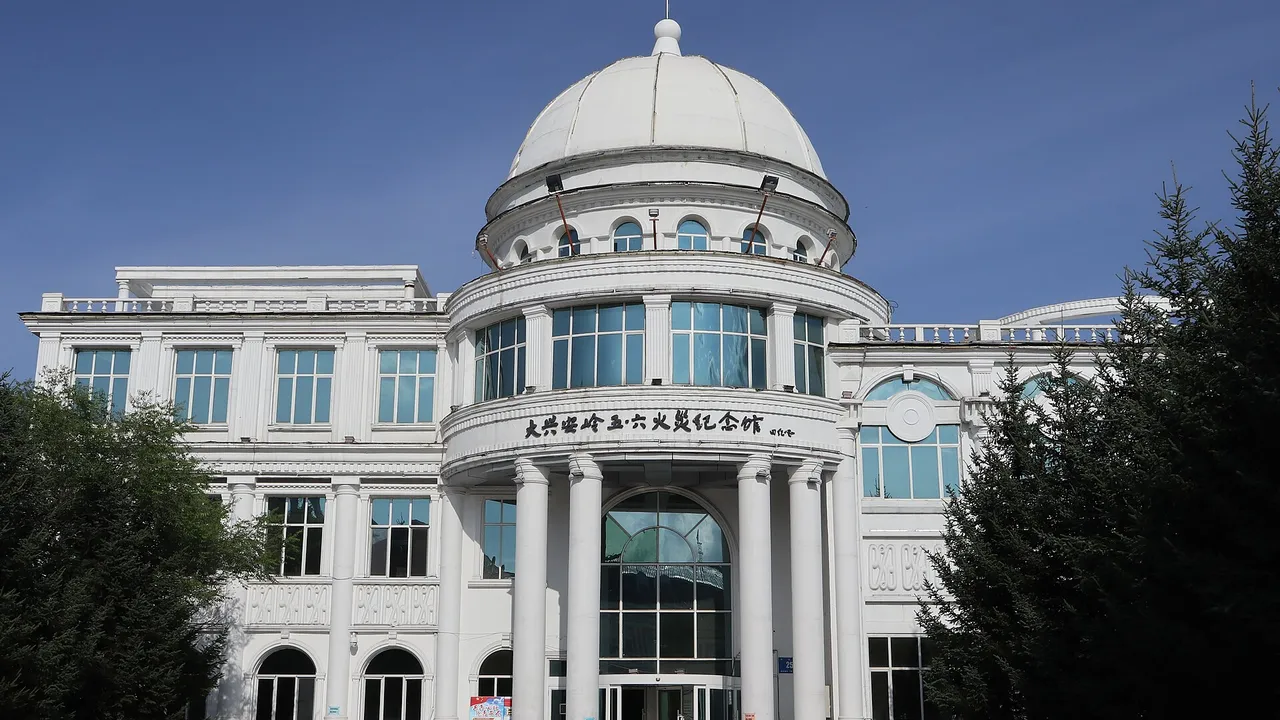
The May 6 Fire Memorial Hall in Mohe's county town preserves the memory of one of the worst forest fires in modern Chinese history: the Great Khingan
Where the whole street eats — the city's most famous food streets, each with its own guide page.
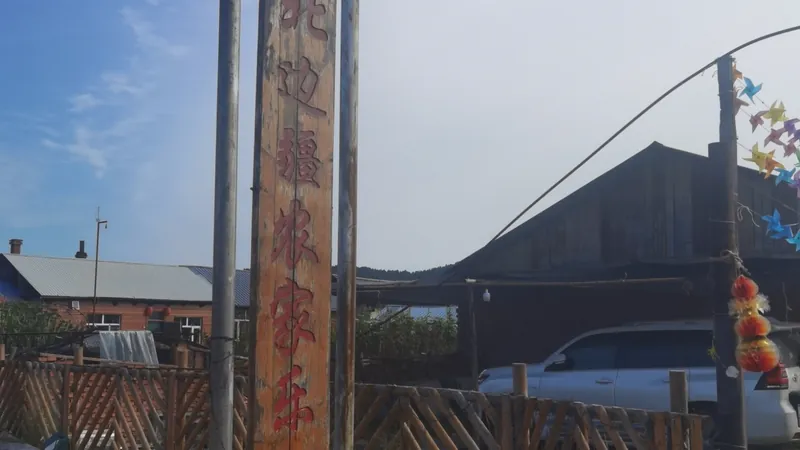
Farmhouse restaurants around Beiji Village serve home-style northeastern dishes, convenient for meals within…
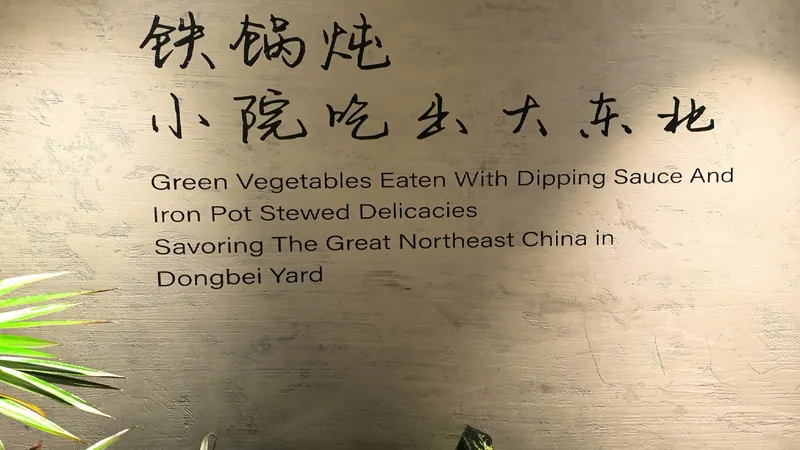
Northeastern stews are common in Mohe restaurants and suit the cold weather.
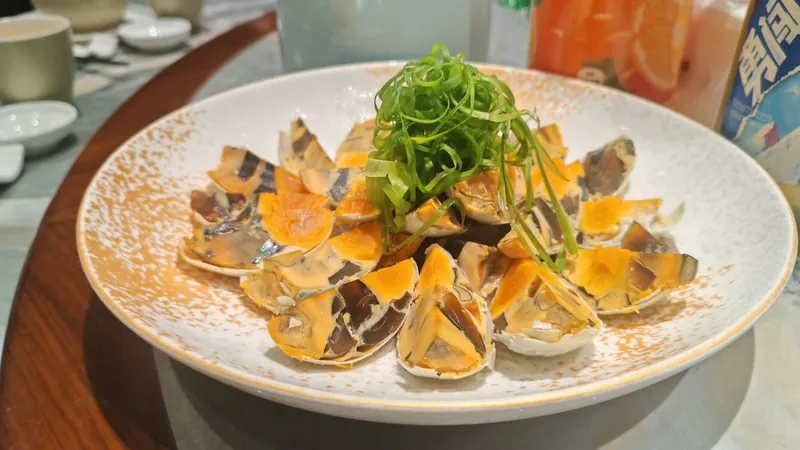
Wild vegetables from Mohe's forests are often used in local restaurant dishes.
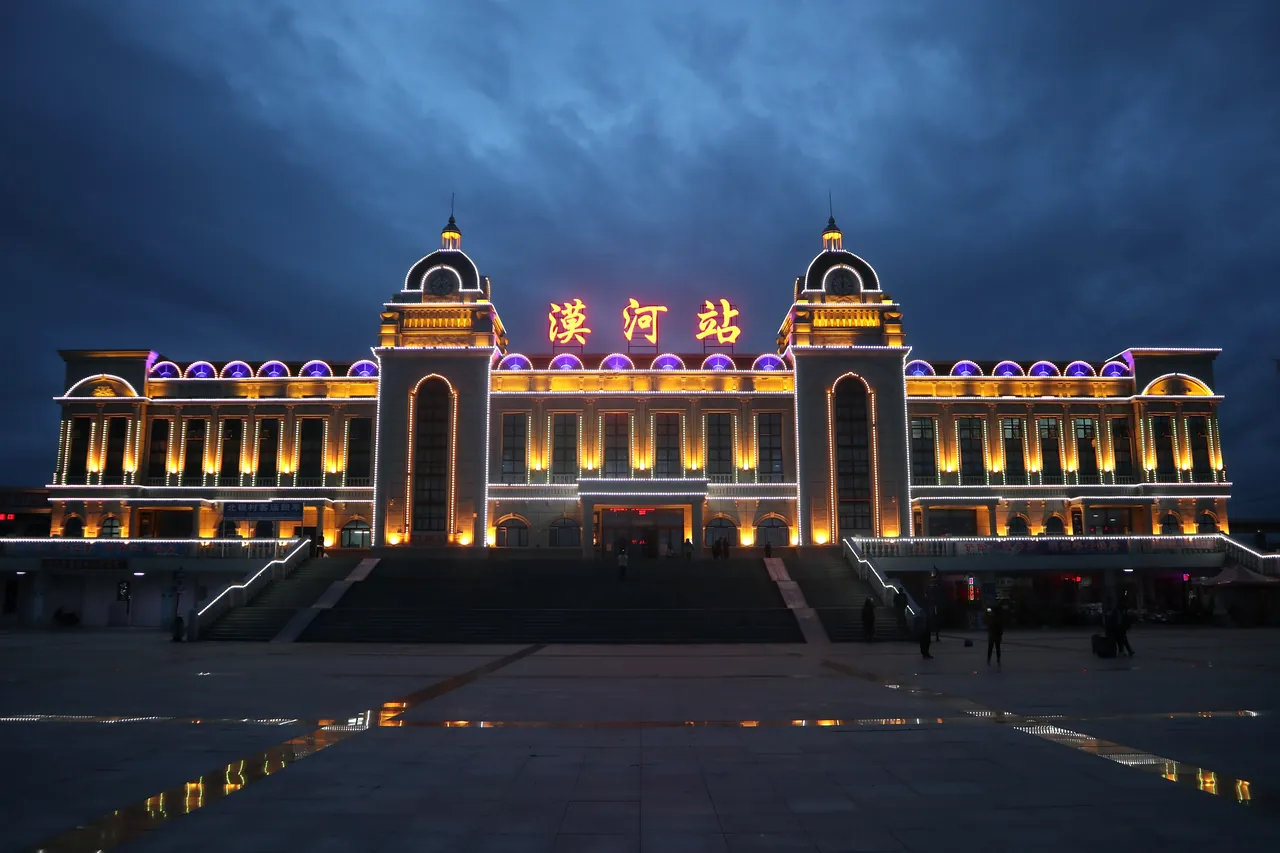
Winter nights in Mohe are the season for aurora viewing; check local forecasts and cloud cover.
Around the summer solstice the sky stays light late into the evening.
In winter the days are very short, and the polar night is part of the local seasonal rhythm.
The northernmost village is a base for evening walks and for the northernmost post office.
Mohe's nights depend on the season: white nights around the summer solstice, aurora and polar night in winter, and clear cold skies throughout.
Listed sites and the crafts that made this city famous.
A marker at Beiji Village identifying the northernmost point of China.
China's northernmost village, home to the northernmost post office.
A village on the route between Longjiang First Bay and the Christmas Village.
A pronounced bend of the Heilong River, viewed from a riverside vantage point.
A themed village on the local route, associated with the Christmas season.
The post office at Beiji Village, where visitors send mail from China's northernmost point.
Longjiang First Bay is a local landmark for viewing the Heilong River's bend.
Seasonal sky phenomena that shape winter life in Mohe.
Around the summer solstice, the long daylight is part of local seasonal experience.
The minus-forty-degree experience is a seasonal feature of Mohe.
Senior licensed guides with 10+ years in the field and fluent English — deep on history, culture and local life.
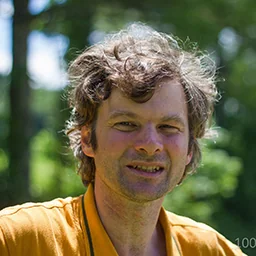
Experienced licensed guides with clear English — solid on city highlights, food and day-to-day logistics.

Licensed guides with workable English — a good-value choice for city days, transfers and standard commentary.

Chauffeur-driven by the day, plus airport and intercity transfers.
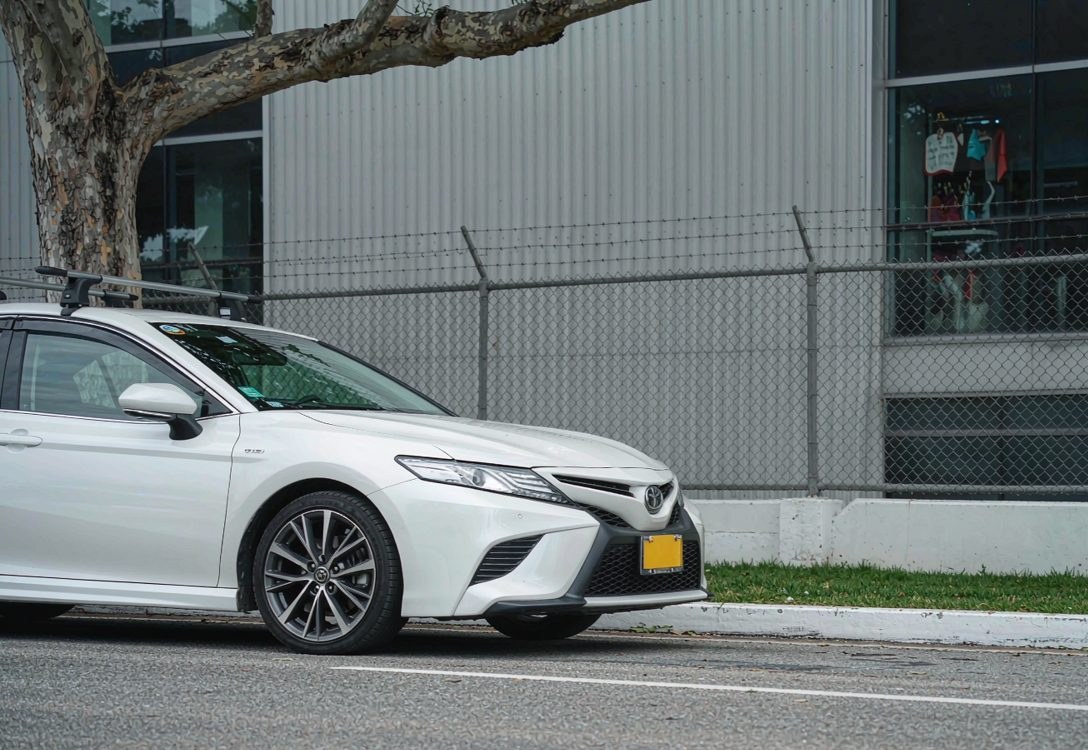

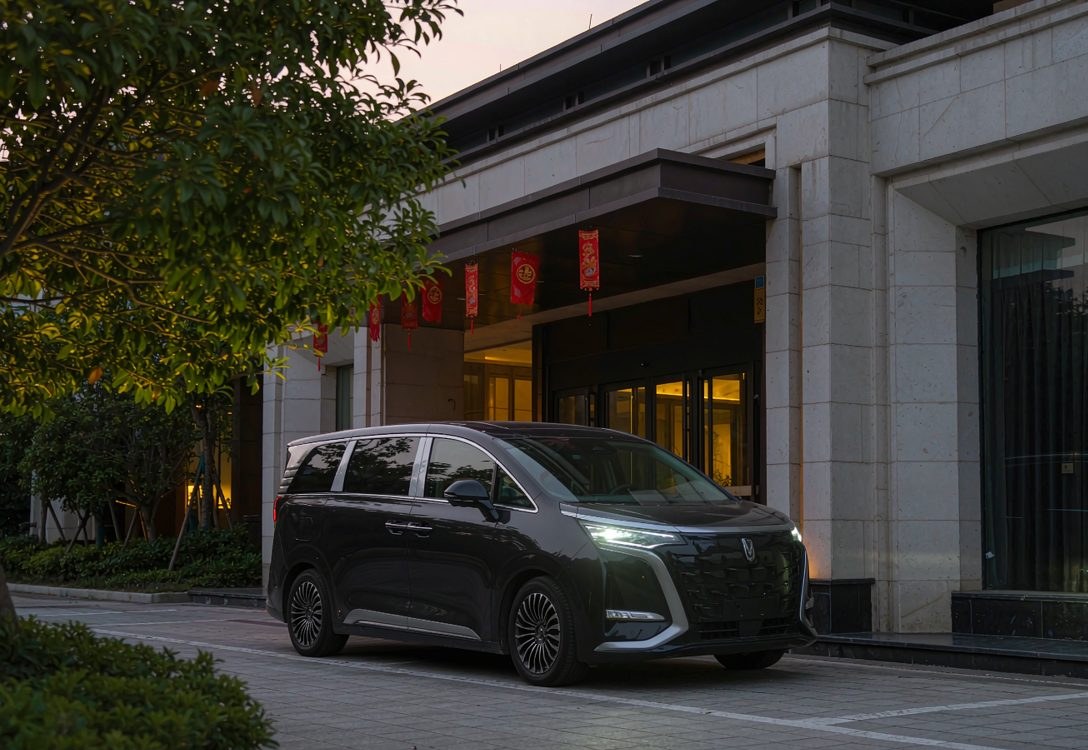
Private chauffeur-driven vehicles, priced per vehicle not per person. Airport transfer from $45; intercity transfer from $180.
10 guides split by trip length: one-day city routes, three-day escapes and longer journeys, with stops, costs and transport in each.
Start at Beiji Village's northernmost post office and the Shenzhou Beiji Monument, cross
Multi-DayThree Days in Mohe: The Corridor Along the Amur Border RiverOpen on the wetland at Nine Bends, thread the birch forest, then collect Beiji Village,
Real routes, real travellers — a sense of what a trip looks like.
Came for the white nights around the summer solstice and stayed in Beiji Village.
Visited Longjiang First Bay and Wusuli Shoal, then overnighted in Beihong Village.
Planned a winter trip for aurora viewing and the minus-forty-degree experience.
Most travellers spend 3 days here. Add a day for a side trip if you want a slower pace.
Spring and autumn are usually the most comfortable. Check the seasonal notes above before booking.
We arrange airport/rail transfers and private drivers. Tell us your arrival point and we plan the connection.
Send an enquiry and a human expert replies within 12 hours with a draft plan and real prices. Flexible rescheduling; clear cancellation terms in your quote.
2-day private itineraries in Mohe start from $590 per person, two travelling together. Your proposal itemises hotels, tickets, guide and car — no hidden fees.
Beiji Village in Mohe is described as China's northernmost village, marked by the Shenzhou Beiji Monument and the northernmost post office.
Aurora viewing is a winter activity in Mohe; check local forecasts and cloud cover on official channels.
Around the summer solstice the sky stays light late into the evening in Mohe.
It is a winter experience in Mohe; dress for extreme cold and check official channels for arrangements.
They are connected by road via Longjiang First Bay and Wusuli Shoal; confirm current road conditions on official channels.
The source material does not list ticket prices or reservation rules; check official channels before visiting.
Prepare for the minus-forty-degree experience with appropriate extreme-cold clothing.
The northernmost post office is in Beiji Village.
Recent listed prices: Amur River First Bend ¥110; Mohe Birch Forest 现场购票(以景区公示为准); May 6 Fire Memorial Hall 免费; Beijixing Square 免费. Ticket prices change seasonally — we confirm them in your quote.