
Mohe's true protagonist is the Amur: the border river fixes every northernmost coordinate in China. The three-day loop unfolds along it, day one opening on the wetland at Nine Bends and threading the birch forest to Beiji Village, day two pushing along the river into Beiji Shoal and the Christmas Village, day three taking Wusuli Shoal's northernmost point, Beihong and the Longjiang First Bend, the river's great curves gathered in one run.
The pace holds two or three stops a day and three hours of driving, all by charter, winter's icy roads left to a local driver. Sleep both nights in Beiji Village, the corridor's supply and lodging hub; the night sky there is a reliable consolation even when the aurora, strictly a lottery, refuses.
Itinerary at a glance
| 09:00 | Nine Bends and Eighteen Turns: The Wetland Deck Overture |
| 11:30 | The White Birch Forest: A White Prelude to the River Corridor |
| 15:00 | Beiji Village: The Shenzhou Beiji Monument and a Riverside Dusk |
| 09:00 | China's Northernmost Post Office: Day Two's Opening Rite |
| 11:00 | Beiji Shoal and the Golden Rooster Crown: Hiking the Map's Tip |
| 15:00 | The Christmas Village: A White Fairy Tale by the Border River |
| 09:00 | Wusuli Shoal: Morning at China's Northernmost Point |
| 11:30 | Beihong Village: The Raw Northernmost Village |
| 14:00 | The Longjiang First Bend: The Border River's Grand Curve Finale |
The route, stop by stop
Nine Bends and Eighteen Turns: The Wetland Deck Overture
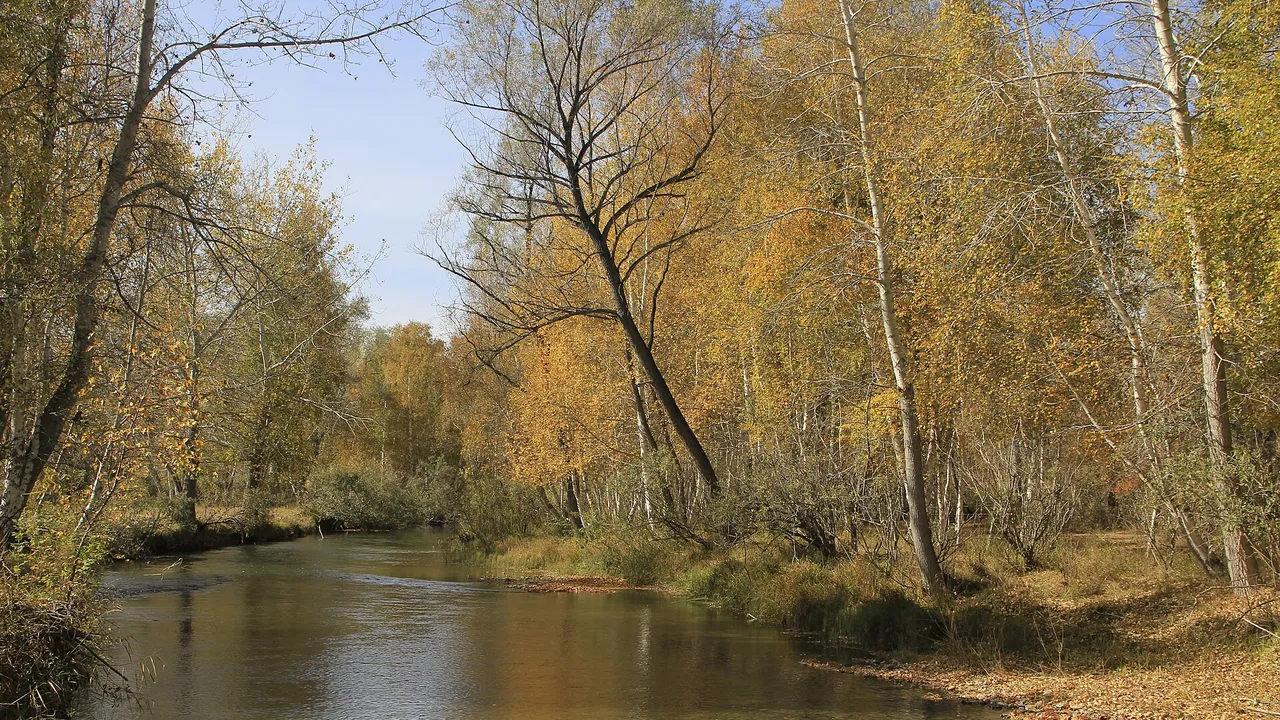
Half an hour from downtown, the deck looks down on the Emuer River's chain of bends spread through the wetland, the curves ghosting through morning mist, the trip's most ink-painting frame. The deck has two levels, the upper for panorama, the lower close to the water.
Autumn and winter give the bends separate personalities: golden birch edging in fall, frozen river and snow-filled curves in winter, cleaner lines still. Forty minutes suffices; the border river is today's quarry.
The White Birch Forest: A White Prelude to the River Corridor
The road to Beiji Village threads a birch stretch, the white trunks massed like an honor guard on both sides. Green shade with pierced light in summer, full gold in autumn, and in winter the black-mottled trunks against snow form Mohe's most photogenic lines. Scenic pull-offs let you step in for ten minutes.
The right way through a birch wood is inside and looking up: crowns closing overhead, light leaking through the gaps. Winter snow runs deep, so follow trampled tracks and never blaze your own deeper in.
Beiji Village: The Shenzhou Beiji Monument and a Riverside Dusk
Reach Beiji Village in the afternoon, settle in, and walk riverside before dusk for the Shenzhou Beiji Monument: the stone on the Amur's bank, Russian forest across, the border river turning to a gold band in the dying light. This is the find-north cover shot, and in white-night season dusk stretches long.
Dinner at a farmhouse or fish room on the main street, then out for stars. Beiji Village has some of Mohe's darkest skies; lucky winter nights even chance an aurora, pure luck and never a scheduled item.
China's Northernmost Post Office: Day Two's Opening Rite
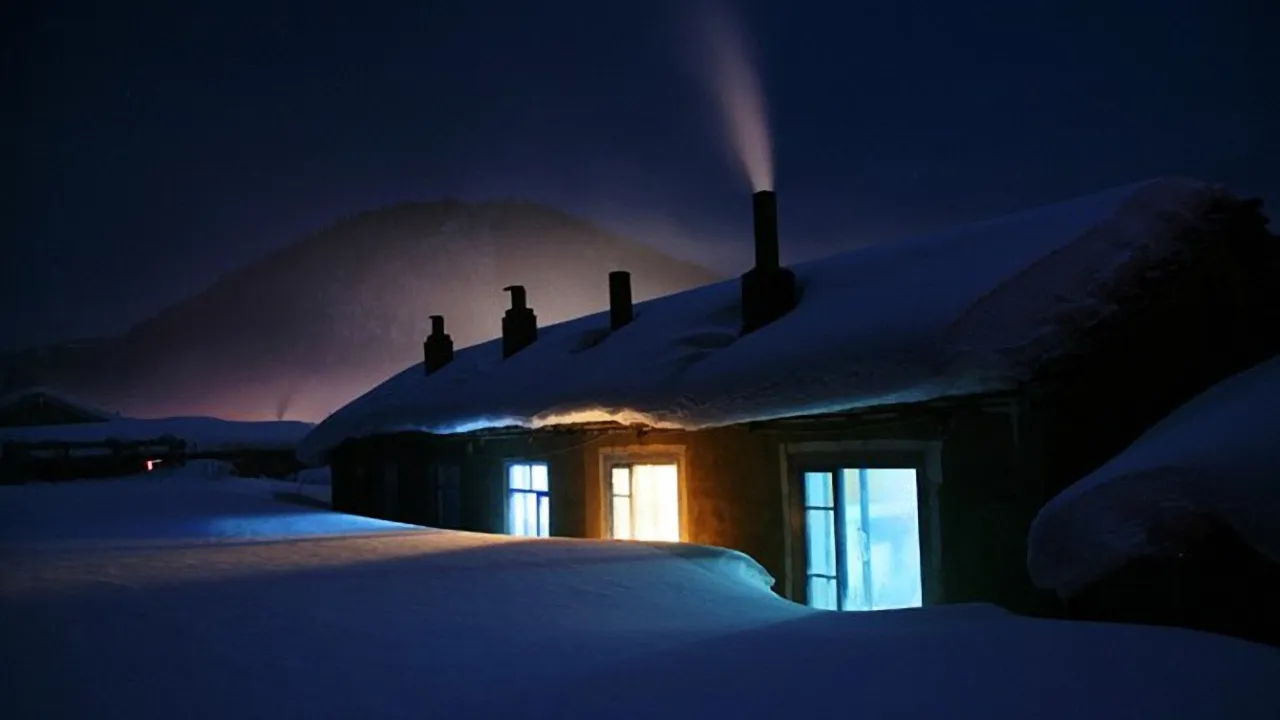
Day two returns to the post office ahead of the previous day's dusk crowds: write cards, collect the northernmost postmark, and finish the ritual in the calm morning. Photographers often frame the doorway at opening, the green mailbox against snow a classic pairing.
After the cards, breakfast on the main street, hot tofu pudding and fried dough sticks steaming in village stalls. The morning's main event is Beiji Shoal, so eat well before setting out.
Beiji Shoal and the Golden Rooster Crown: Hiking the Map's Tip
Beiji Shoal lies northeast of the village, a river island built by the Amur, and the very tip of the rooster's crest on China's map sits here. Boardwalks cross primeval pine and wetland, the Golden Rooster Crown sculpture standing at the mapped high point, a loop that gathers the northernmost wetland and forest in one walk.
The loop runs about five kilometers, two hours on foot, mosquitoes in summer and ice in winter, both manageable. Geographically this is the northernmost point most worth reaching, closer to the map's edge than any village marker.
The Christmas Village: A White Fairy Tale by the Border River
Head north to the Christmas Village in the afternoon, log cabins, windmills and reindeer sleds ranged across the snow, the highest-latitude Christmas park taking its fairy tale seriously. Winter lighting and snow play best together; summer turns it into a quiet riverside viewing platform.
The grounds are small, forty-five minutes suffices. Reindeer photos come with the visit, sled rides charge per run, so settle duration and route before climbing in.
Wusuli Shoal: Morning at China's Northernmost Point
Day three pushes north early to Wusuli Shoal, claiming China's northernmost point in the clearest-headed hours. The stone carries the latitude, the Amur runs beneath, Russian forest across, and the morning river often lies windless, mirroring both banks in symmetry.
Photographs and ceremony both complete here: the shot with the northernmost stone is the loop's full stop. The wind bites, so layer up, and in winter never step onto ice before locals confirm conditions.
Beihong Village: The Raw Northernmost Village
South from the shoal to Beihong Village, by coordinates China's true northernmost administrative village, nearly untouched by commerce: stacked-log houses, yard firewood, old boats by the river. Lunch at a farmhouse, northeastern dishes on the kang with yard-dried vegetables.
The village's sight is life itself: villagers splitting wood, dogs at the gates, horses drinking at the river. Winter's snow-capped log eaves are an unavoidable photographer's frame, and the main street walks out in twenty minutes.
The Longjiang First Bend: The Border River's Grand Curve Finale
The loop's last stop goes to the Longjiang First Bend: the Amur swings a near-three-sixty horseshoe here, wholly embracing a green island. The boardwalk climb runs eight hundred-plus steps, about twenty minutes up, and the moment the top deck opens, the whole river narrative of three days gathers into one curve.
Autumn's five-flower hills and winter's frozen, snow-filled bend are the two peaks, and summer's full green disappoints no one either. After descending it is about two hours back to Mohe town, calm margins for evening trains or flights.
| Getting around |
|
| Budget | Three-day charter RMB 1350-1800 per car, tickets RMB 150-250 combined, two nights RMB 300-700; the whole trip about RMB 1100-1700 pp for two sharing. |
| Best time | Winter for the frozen river and snowfield, summer for the green Amur and white nights; June days near twenty hours let the schedule run fullest. |
FAQs
Does the loop work in winter, and are the roads safe?
Yes, and winter is the loop's peak season, but hand all driving to a local driver: ice-packed roads, the border-river stretches and forest tracks each demand their own craft, and outsiders should not self-drive in winter. Winter daylight runs short, sky lightening near 9 am and light steepening after 3:30 pm, so move each day's key stop to the morning and hold the rails on icy viewing decks.
What is the easiest way to handle tickets along the loop?
Beiji Village costs about RMB 68 with combos covering most in-village points; Nine Bends about RMB 20-50, the First Bend about 50, Wusuli Shoal about 40 or folded into combos, all per posted prices. The easiest method is having your charter driver buy the route combos, since licensed drivers hold settlement channels with the sights; buying yourself, stick to official windows and online platforms. The birch forest and Beihong entry are free.
Aurora or stars in three days, which can I see?
Stars are the reliable one: Beiji and Beihong carry almost no light pollution, the Milky Way shows to the naked eye on clear nights, and stepping out after 8 pm in winter is enough. Aurora is the bonus: Mohe sits at the auroral oval's edge with the best theoretical odds around the winter solstice, still a low-probability event you cannot schedule. Treat stars as the plan and aurora as the surprise, the only posture here that never disappoints.
What should I know about gear and lodging for the three days?
Winter kit runs to the minus-thirty standard: long down coat, snow boots, hat, gloves, gaiter, and at least ten heat packs, with phone and power bank kept against your body. Both nights sit in Beiji Village, where farmhouse and inn lodging is simple but well heated, booked three to five days ahead. Before entering the village, top up cash and medicines, since withdrawal is inconvenient and pharmacies are rare.