 TripMyChinaJOURNEYS THROUGH REAL CHINA✦ AI Trip✦ Plan My Trip
English
简体中文
繁體中文
日本語
한국어
ไทย
Tiếng Việt
Bahasa Indonesia
Italiano
Español
العربية
Русский
Deutsch
Français
Bahasa Malaysia
TripMyChinaJOURNEYS THROUGH REAL CHINA✦ AI Trip✦ Plan My TripNanjing · Attractions
The Confucius Temple and Qinhuai River district is the old soul of Nanjing, a quarter of lantern-lit waterways, examination halls and snack streets that has drawn scholars and travelers for over a thousand years. By day it is a maze of temples, museums and riverside walkways; by night, when red lanterns come on and painted boats slide down the river, it becomes one of the most atmospheric scenes in eastern China. Compact and served by its own metro station, the district fits easily into an evening — ideally with a boat cruise, a bowl of duck-blood soup and no particular hurry.
The Qinhuai River has been Nanjing's pleasure ground since imperial times, when the waterway was lined with taverns, teahouses and the residences of candidates sitting the imperial examinations. At its heart stands the Confucius Temple, or Fuzimiao, first built in the Song dynasty and repeatedly rebuilt, its gray-brick courtyard honoring Confucius. Next door, the Jiangnan Examination Hall preserves the cells where candidates sat for days on end chasing a place in the imperial bureaucracy.
Today the quarter is Nanjing's favorite evening stroll: riverside railings hung with red lanterns, the stately Da Baoen silhouette downriver, and food streets selling duck blood vermicelli soup, tangbao soup dumplings and sweet rice cakes. The classic move is to time your visit for dusk, wander the lanes until the lights come on, then board a night cruise to see the gilded facades from the water — an experience that imperial poets were already writing about centuries ago.
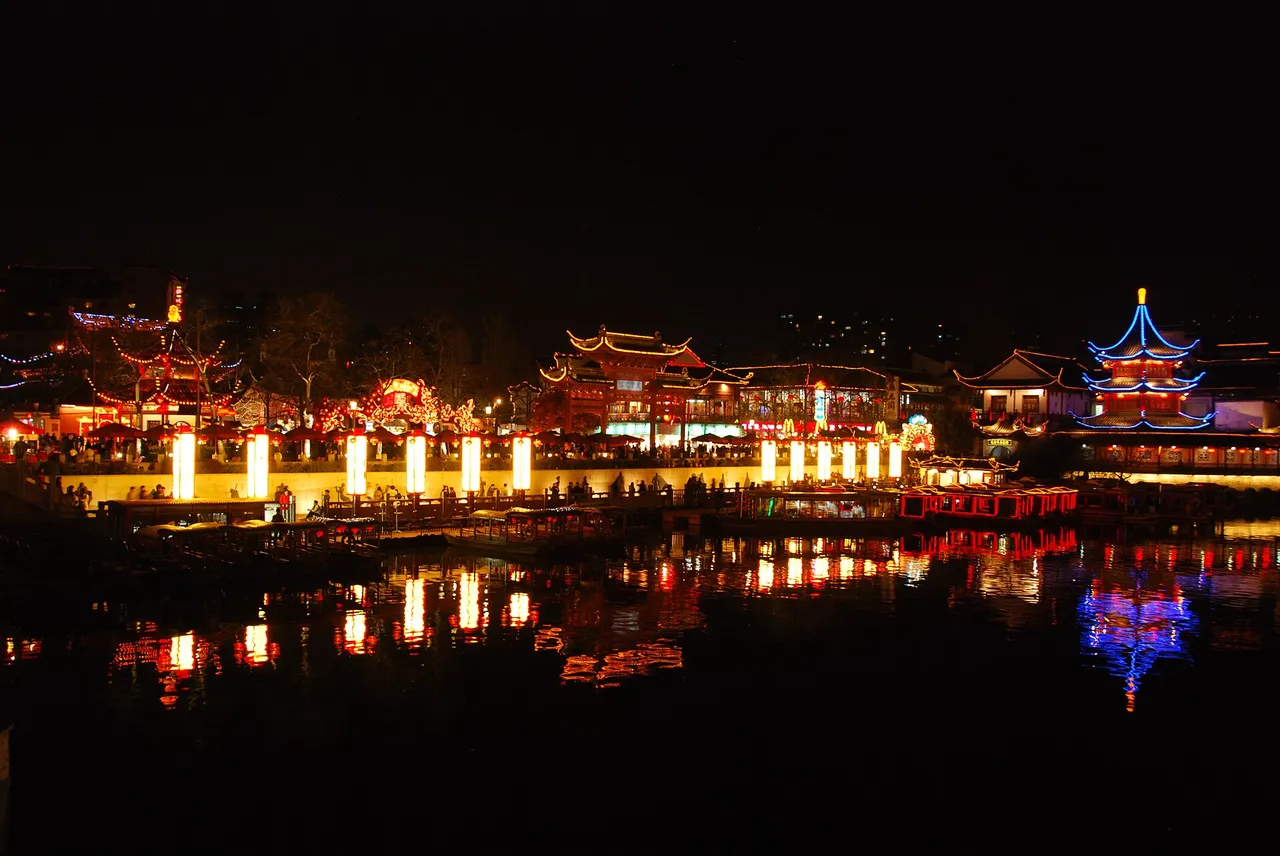
Strolling the riverside lanes and food streets is free, and this is where most of the atmosphere lies. Individual sights charge modest separate tickets: the Confucius Temple itself, the Jiangnan Examination Hall and a small folk museum each cost a few tens of yuan, while a day river cruise and the pricier night cruise are ticketed separately. Combo tickets covering temple plus cruise are often sold at riverside booths. Hours run from morning until about 22:00 for most attractions, with the last night boats departing around 21:30; fares and schedules shift with season and demand, so check the booth or ask your guide to confirm on the day.
The district has its own metro station: take Line 3 to Fuzimiao Station and follow the signs for a five-minute walk to the riverfront. From Nanjing South Railway Station it is about 20 minutes by metro; from Lukou Airport, take the S1 line and transfer downtown, or budget 40 to 50 minutes by taxi. The riverside lanes are pedestrian-only, so wear comfortable shoes and expect crowds on weekend evenings. Zhonghua Gate and the Old Men East (Laomendong) historic quarter are an easy 15 to 20 minutes away on foot or by metro, making a satisfying old-city loop of wall, temple and river in one day.
The district rewards visitors at dusk above all: arrive around 17:00, tour the temple and examination hall while daylight lasts, then stay for the lantern-lighting and a night cruise. Spring and autumn offer the gentlest weather for walking the riverside; summer evenings are hot but festive, with the longest cruise lines, and winter nights are cold yet atmospheric when crowds thin out. Avoid national holiday weeks if you can — the lanes get shoulder-to-shoulder — and remember that weekday nights give you the same lanterns with far more breathing room.
Yes, the riverside district, bridges and food streets are free and open at all hours. Only the individual sights — the temple itself, the examination hall and small museums — charge separate admission tickets.
The standard Qinhuai River cruise runs about 50 minutes to an hour along the lit riverside. Boats depart from piers near the temple, and the last departures are usually around 21:30, though times vary by season.
Start with duck blood vermicelli soup, Nanjing's signature comfort dish, then add tangbao soup dumplings, pan-fried beef dumplings and sweet osmanthus rice cakes. Small shops along Gongyuan Street and the side lanes serve all of them within a few minutes' walk.
Easily — Zhonghua Gate, the grandest surviving Ming city-wall gate, is 15 to 20 minutes away by foot or metro. A common route is the wall in the late afternoon, then the temple district for dusk, dinner and a night cruise.
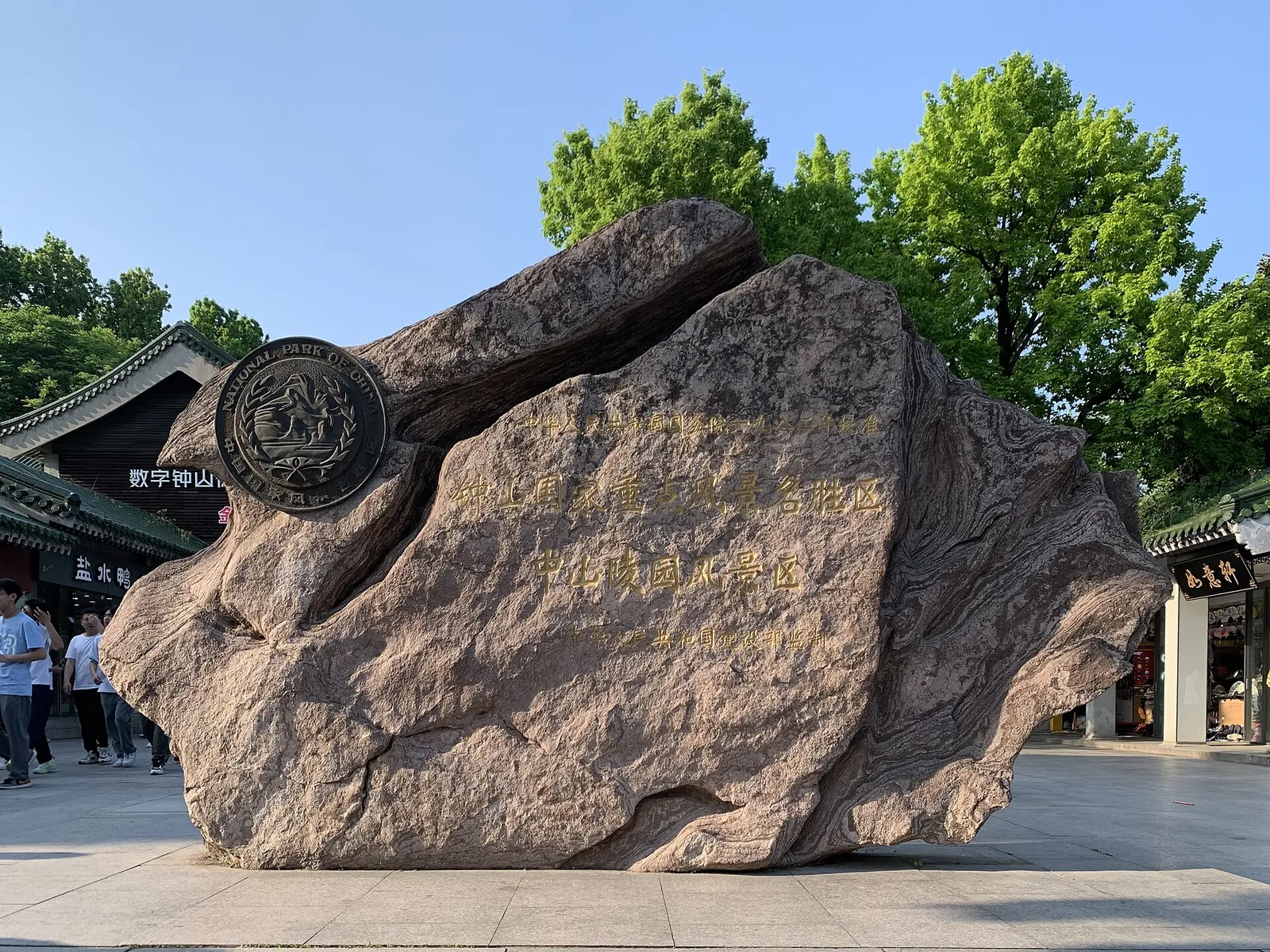 Full day · 8–10 hours
The city's best-looking stretches are all in the east hills and the old diplomatic quarter
View details →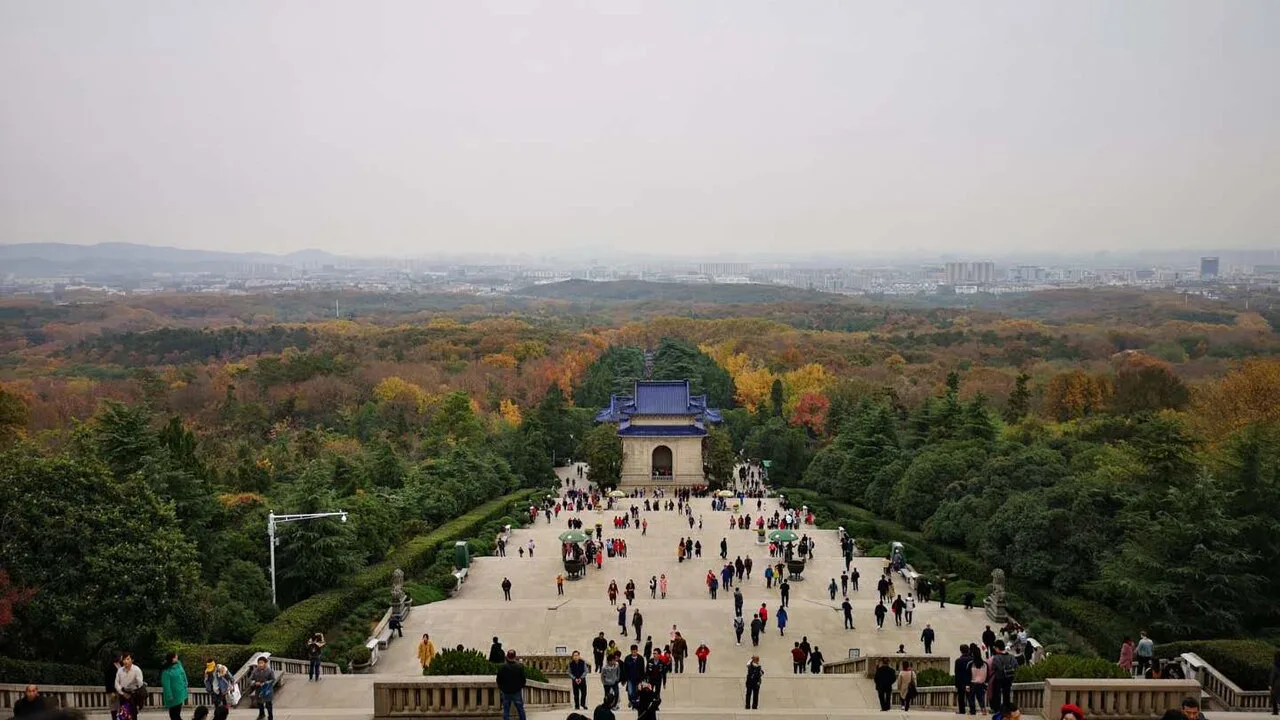 Full day · 8–10 hours
After eight the city moves onto the river: painted boats, lanterns, and a stretch of water that has been written about for fifteen centuries
View details →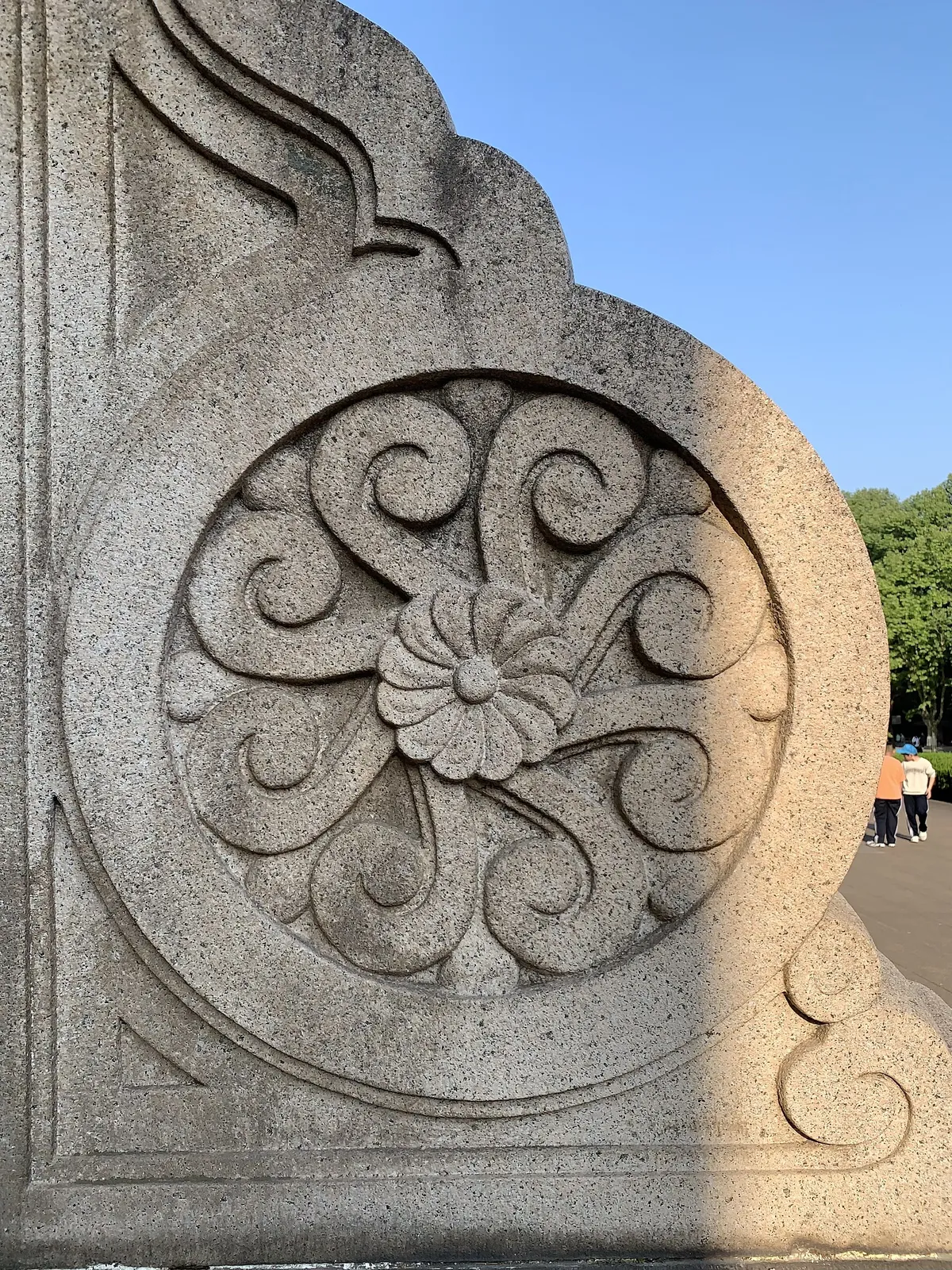 Full day · 8–10 hours
The city eats roughly 300,000 ducks a day, and you can check that claim between breakfast and midnight
View details →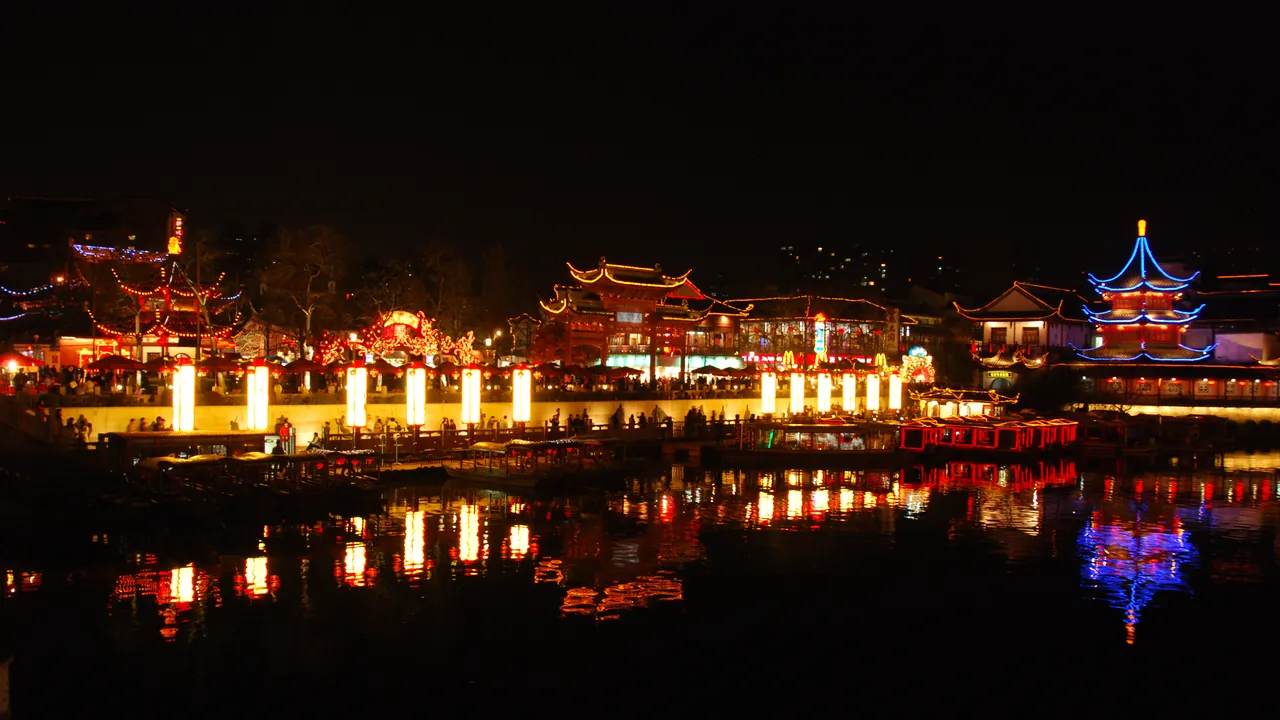 2 days · 1 night · private
This two-day express route pairs Nanjing's two essential faces: the Su
View details → 3 days · 2 nights · private
Three days cover Nanjing's classic set: the Sun Yat-sen Mausoleum and
View details →We booked a private guide for our one full day in Nanjing and it was worth every yuan. He walked us down the 600-metre spirit road at Ming Xiaoling right when the ginkgo trees were dropping yellow leaves everywhere, and he knew which stretch was quietest before the tour buses showed up. The whole thing felt like a stroll with a friend who happens to know a lot about Ming history.
Took my two kids (9 and 12) up the Ming wall at Zhonghua Gate and they loved running along the top with the city lights coming on one side. Only gripe: the steps are uneven in places and there's not much signage in English, so keep an eye on little ones. Still, a solid couple of hours and way less crowded than we expected.
Private car & driver, day trips and multi-day routes from Nanjing. · Free consultation · reply within 12h