 TripMyChinaJOURNEYS THROUGH REAL CHINA✦ AI Trip✦ Plan My Trip
English
简体中文
繁體中文
日本語
한국어
ไทย
Tiếng Việt
Bahasa Indonesia
Italiano
Español
العربية
Русский
Deutsch
Français
Bahasa Malaysia
TripMyChinaJOURNEYS THROUGH REAL CHINA✦ AI Trip✦ Plan My TripFuzhou · Attractions
Gushan, or Drum Mountain, is the great green mountain at Fuzhou's eastern gate, its summit trails and cliffside carvings woven into a thousand years of the city's life. The climb passes stone inscriptions left by scholars and pilgrims across the centuries, and near the top sits Yongquan Temple, one of Fujian's most important Buddhist monasteries, hidden in a bowl of forest. For those who prefer not to hike, a cableway carries visitors up the slopes, and terrace cafes at the top look out over the Min River and the city. This guide covers the trails, the temple, and how to organise a half or full day on the mountain.
Drum Mountain takes its name from a rock at the summit that was said to boom like a drum in wind and rain. The mountain has drawn climbers since at least the Song dynasty, and the path up became a gallery: over 500 rock inscriptions in classical Chinese, some by famous calligraphers, line the stone stairways, making the ascent an open-air museum of the written word. Halfway up, the mountain opens into a natural hollow where Yongquan Temple was founded in the tenth century, its halls sheltered by peaks said to resemble a crouching Buddha flanked by two lions.
Yongquan remains a working monastery, famous for its script-printing halls, ancient stoves and the ritual of tea grown on the mountain. Modern visitors divide between the pilgrim path on foot, which takes a couple of hours up, and the cableway, which soars above the trees to a station near the upper terraces. Either way, the reward is the same: breezy lookouts over Fuzhou's rooftops, the Min River snaking to the sea, and on clear days the far silhouettes of the coast hills. Sunset brings a stream of photographers to the upper platforms, and night views of the city are a local tradition.
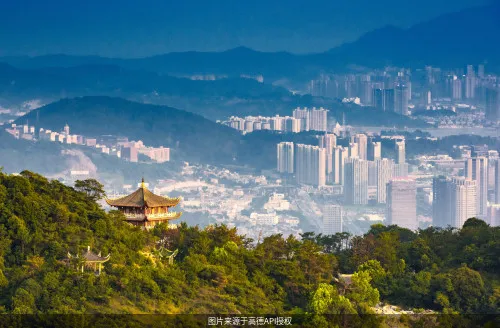
Entry to the Gushan scenic area itself has historically been free or low-cost, with the main charges being the cableway, which sells one-way and round-trip tickets, and any special exhibitions or shuttle services on the mountain; prices change from time to time, so confirm at the station or gate. Yongquan Temple is generally included with mountain access, though small donations or separate tickets may apply for particular halls. The mountain opens early, popular from dawn for local hikers, and the cableway typically runs until late afternoon or early evening, with extended hours on busy weekends. Bring your passport for ticket purchases that require ID, wear proper walking shoes for the stone steps, and carry water, as shops thin out above the mid-levels.
Gushan stands immediately east of central Fuzhou, and the lower cableway station is reached in about 20 to 30 minutes by taxi or ride-hail from the city centre; city buses also run to the foot of the mountain from downtown stops. The classic pilgrim path starts near the lower gate and climbs steadily on stone steps to Yongquan Temple, roughly two hours at a moderate pace, with pavilions for rests. The cableway offers the same height in a fraction of the time and runs through the daytime, though hours and maintenance closures vary by season, so check on site. Hikers often ride the cableway up and walk down, combining the views with the inscriptions in one loop. The mountain pairs easily with a city afternoon, or with neighbouring Kuliang for a full hill day.
Autumn and winter, from October to February, bring Fuzhou's clearest skies and the best long views from the summit, while spring adds fresh green and occasional seas of cloud below the terraces. Summer is lush but hot and humid for the walk up; hikers should start at dawn, though the forest shade keeps the temple hollow pleasant. Within the day, early morning delivers mist, birdsong and the temple's morning rituals, while late afternoon is the photographers' hour, as the sun drops over the city and the lamps of Fuzhou come on. Weekends draw steady streams of local climbers, so weekday visits are noticeably quieter. Half a day suffices for the cableway and temple; add more for a full walking circuit.
The stone-step pilgrim path to Yongquan Temple takes about two hours at a moderate pace. The cableway covers most of the ascent in minutes, and many visitors ride up and walk down.
Yes, a cableway runs from the lower station up the forested slopes to the upper area. It operates mainly in daytime, with seasonal variations, so confirm times on site before planning your route.
Prioritise the cliff inscriptions along the climbing paths, Yongquan Temple near the summit, and the lookout platforms over Fuzhou and the Min River, especially at sunset.
Yes. Cableway up, an unhurried tour of the temple and terraces, and a ride or walk back down fits comfortably into half a day from central Fuzhou.
 Full day · 8–10 hours
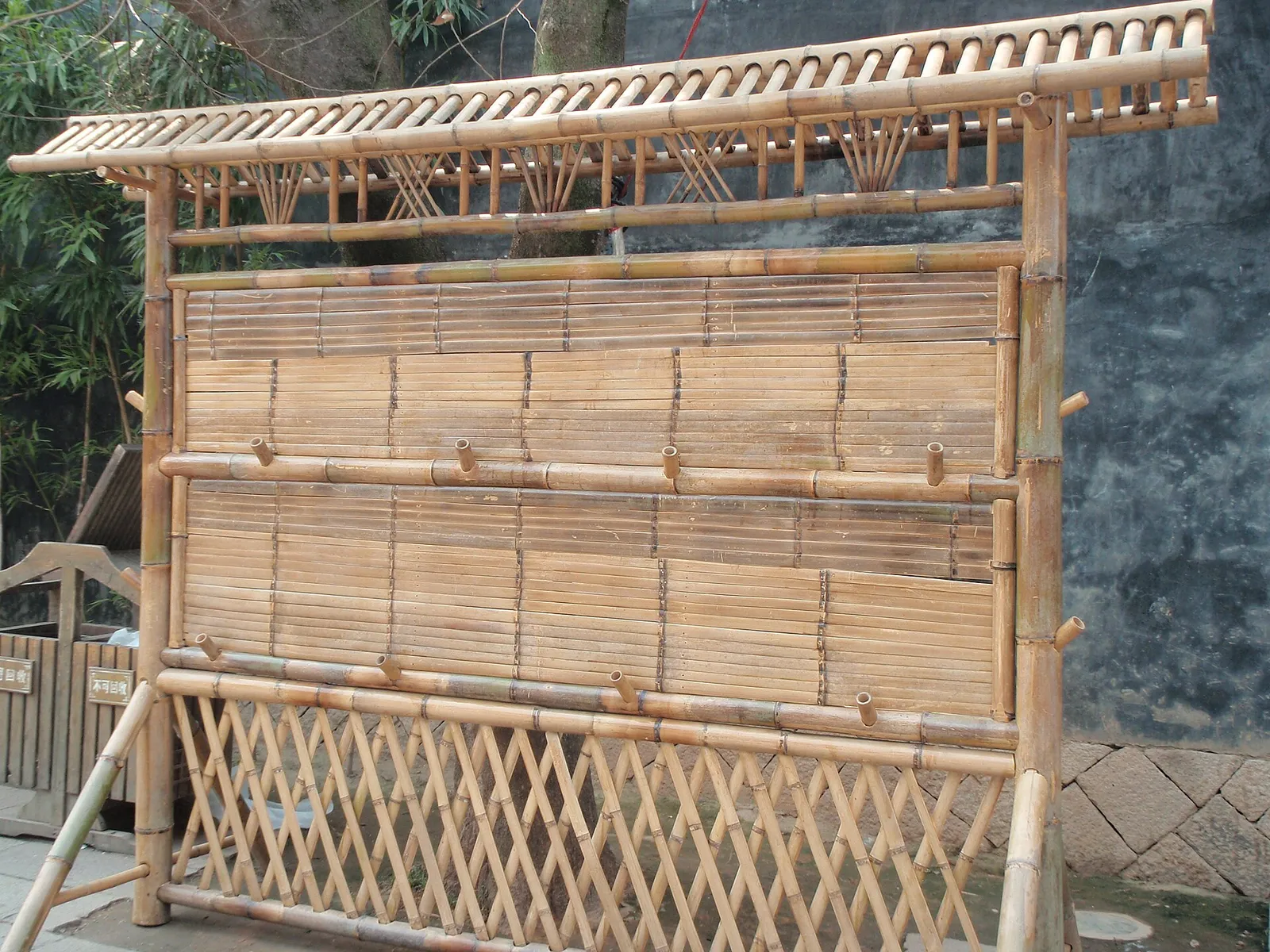
Three districts that between them cover 1,200 years of a port city
View details →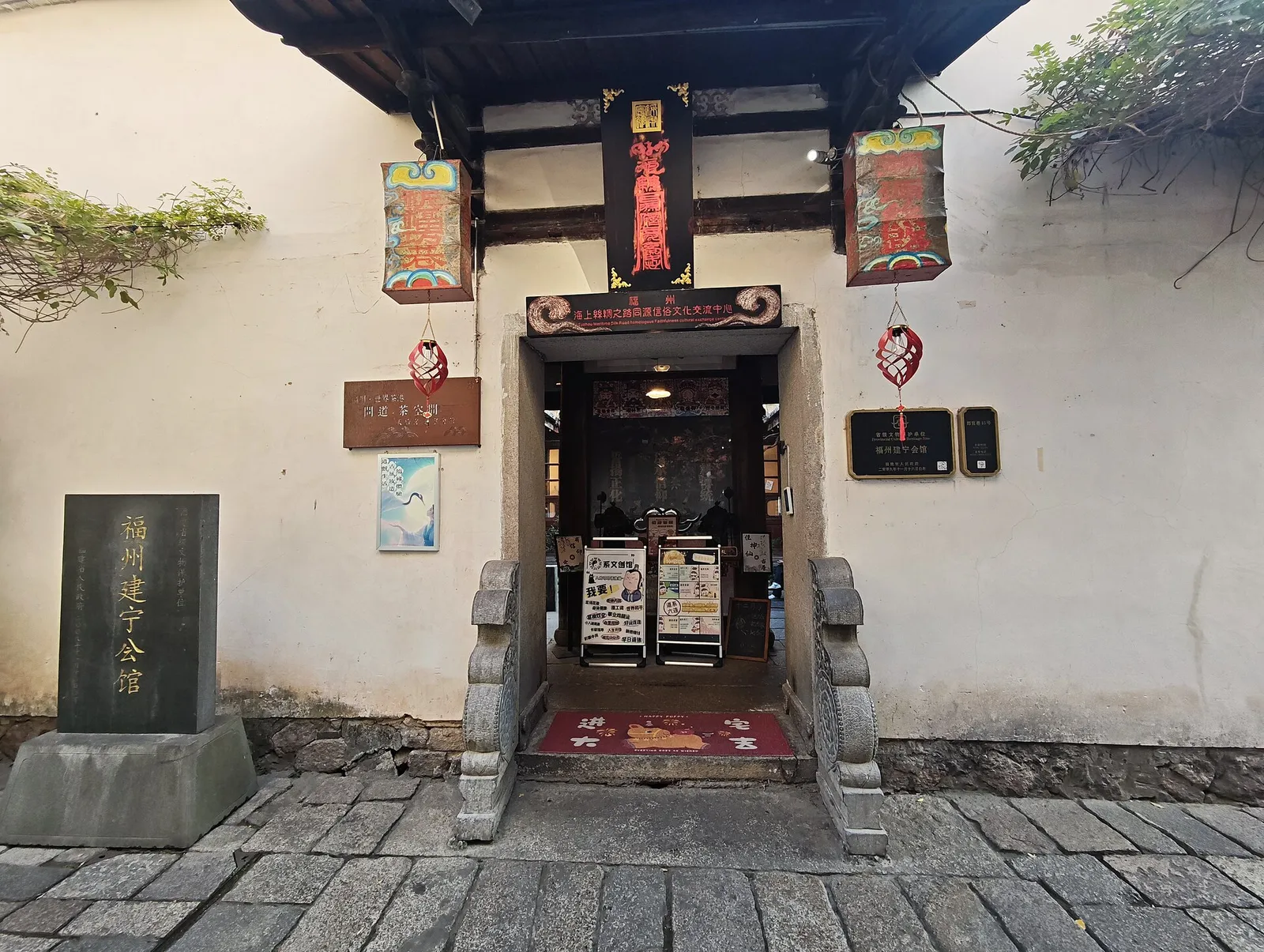 Full day · 8–10 hours
A thousand steps up, and a hill village that used to be a foreign retreat
View details →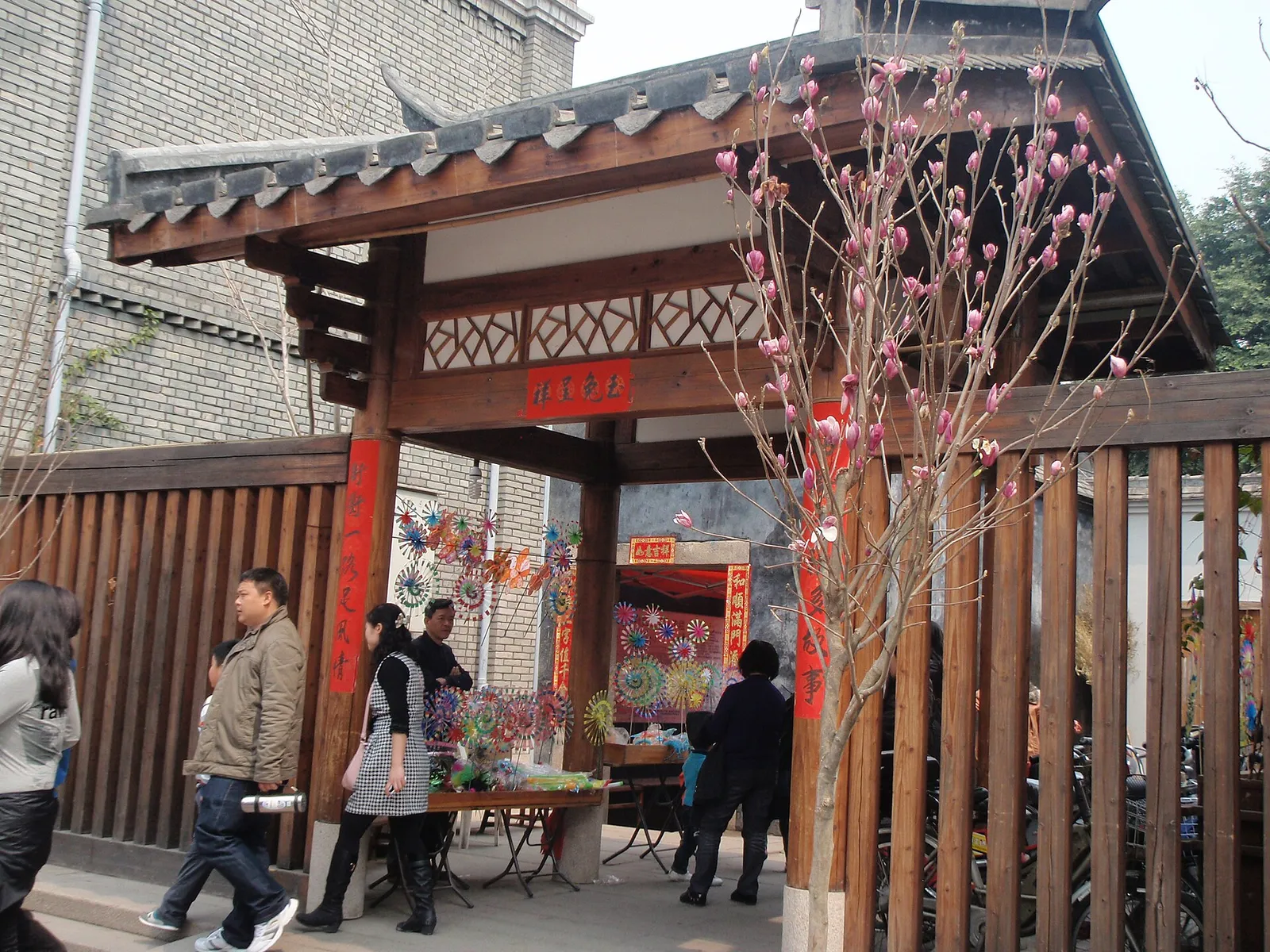 Full day · 8–10 hours
Three stops, all flat, none more than 30 minutes apart
View details → 2 days · 1 night · private
Two compact days covering Fuzhou's essentials. Wander Three Lanes and
View details → 3 days · 2 nights · private
Three days covering Fuzhou's full register. Read the scholar lanes of
View details →We booked a private guide for two days and it was worth every cent. He walked us through Sanfang Qixiang, then into the Lin Zexu Memorial Hall, and explained the opium story in a way I actually followed. The Yan Fu house next door was quieter and we had it almost to ourselves.
Took the kids up Gushan on a Saturday, which was maybe a mistake because the path was packed with locals. Still, Yongquan Temple at the top kept them interested, and the view back over Fuzhou was the reward. Bring water and start early.
Private car & driver, day trips and multi-day routes from Fuzhou. · Free consultation · reply within 12h