 TripMyChinaJOURNEYS THROUGH REAL CHINA✦ AI Trip✦ Plan My Trip
English
简体中文
繁體中文
日本語
한국어
ไทย
Tiếng Việt
Bahasa Indonesia
Italiano
Español
العربية
Русский
Deutsch
Français
Bahasa Malaysia
TripMyChinaJOURNEYS THROUGH REAL CHINA✦ AI Trip✦ Plan My TripFuzhou spreads along the Min River, its streets lined with banyan trees. The city's core is Sanfang Qixiang, a grid of Ming and Qing lanes holding the Lin Zexu Memorial Hall and the former home of Yan Fu, while Gushan rises east of town around Yongquan Temple.
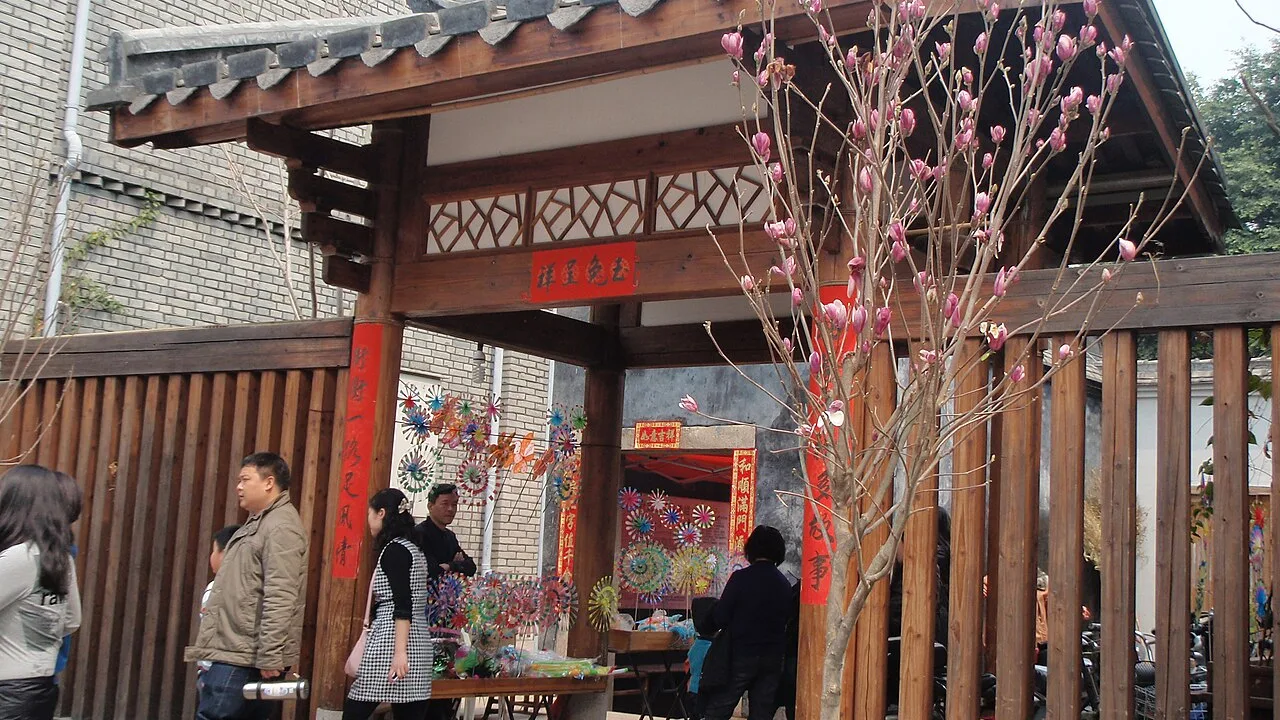
Fuzhou sits in eastern Fujian where the Min River meets the coast, the capital of Fujian Province and a river-and-sea port city whose old core lies a short distance inland from the estuary.
The city has long been a trading and scholarly center; its lanes preserve the residences of officials and reformers, and banyan trees planted over the centuries give the streets their characteristic shade.
Most visits center on the lanes of Sanfang Qixiang, with the Lin Zexu Memorial Hall and Yan Fu's former residence nearby, then extend to Yongquan Temple in the hills, the old consulate quarter on Yantai Shan, and West Lake Park.

The moments that shaped the city — and the stories its people still tell.
The district preserves its Ming and Qing dynasty lane layout and courtyard houses.
The memorial hall in Three Lanes and Seven Alleys commemorates Lin Zexu.
Yan Fu's former residence is located within Three Lanes and Seven Alleys.
Yongquan Temple is situated on Gushan (Drum Mountain).
Yantai Hill retains a cluster of modern-era consulate buildings.
West Lake Park is one of Fuzhou's established public parks.
Banyan trees are a characteristic feature of Fuzhou's streets and landscapes.
Jasmine tea is a local specialty of Fuzhou.
Fotiaoqiang is a well-known Fuzhou dish.
Three paces, one city — every route built from places we actually operate.
Weather, crowds and the best months for what you want to see.
Mild weather for walking the lanes and parks; check official channels for opening details.
Hot and humid; banyan shade and jasmine tea are part of local summer life.
Comfortable temperatures for visiting Gushan and West Lake Park.
Cool and relatively dry; indoor sites such as the Lin Zexu Memorial Hall remain options.
Autumn offers comfortable temperatures for outdoor landmarks and local food walks.
What this city is known for — the things worth planning your day around.
The places worth building a day around.
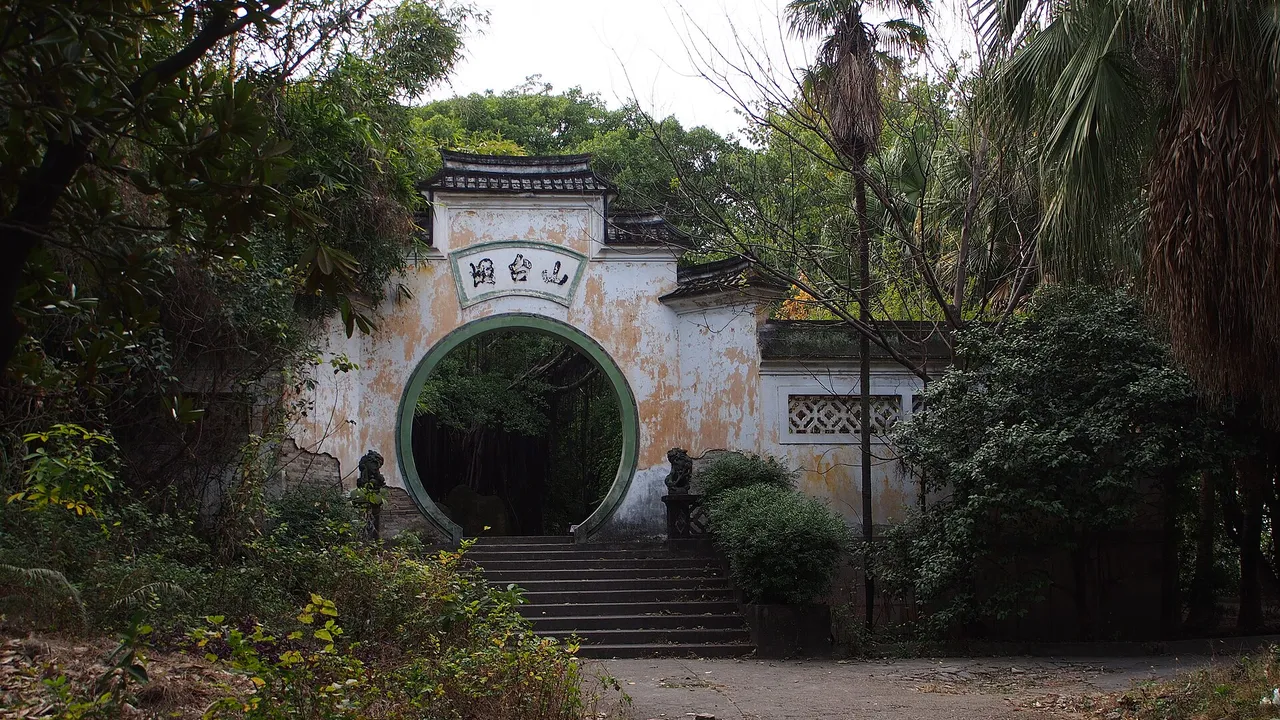
Yantai Hill is Fuzhou's most atmospheric historic quarter, a low hill on the south bank of the Min River where foreign consulates, churches and mercha
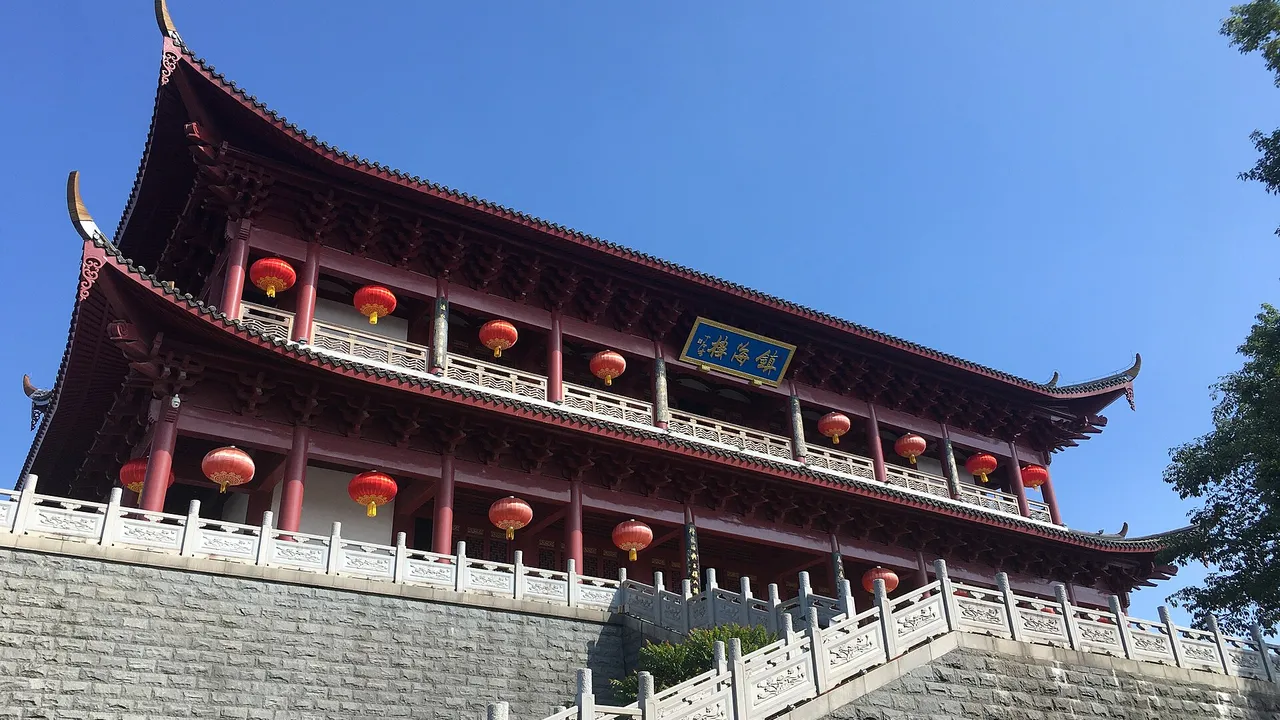
Zhenhai Tower is the ceremonial crown of Fuzhou, a grand multi-storeyed pavilion standing on the crest of Ping Mountain at the northern edge of the ol
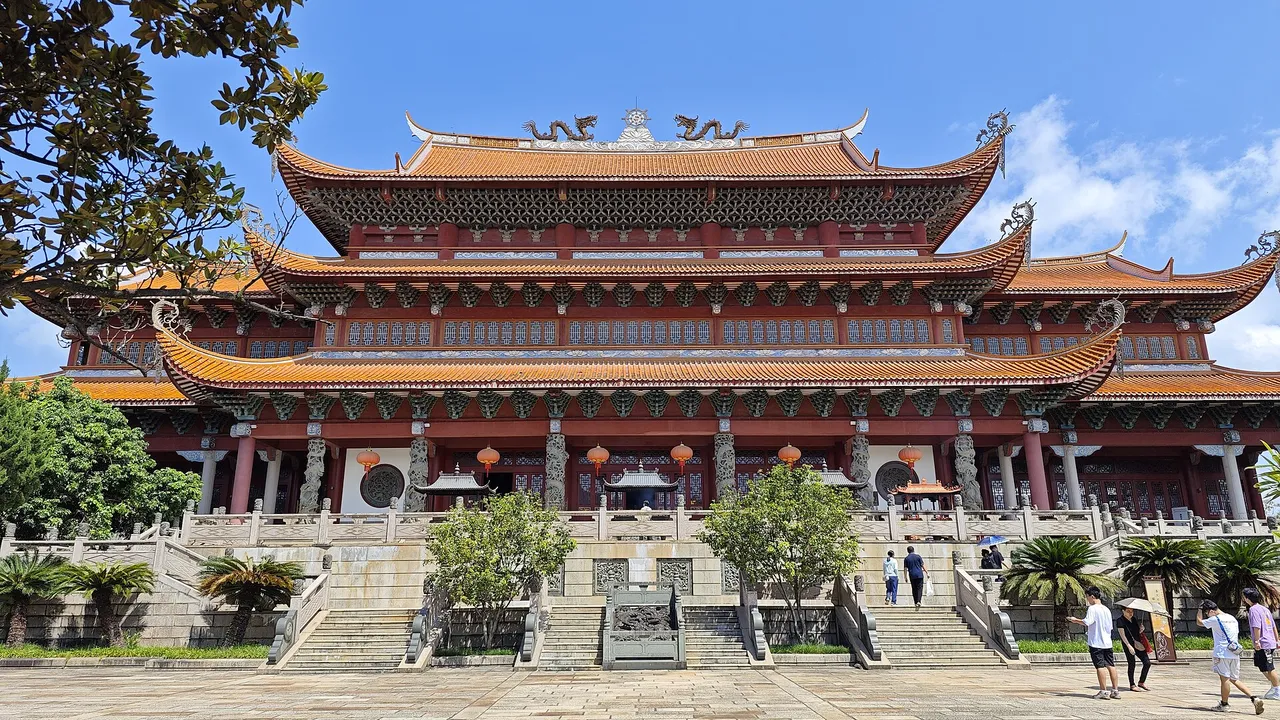
Xichan Temple is the grandest monastery in Fuzhou, a sprawling complex of glittering halls, lotus ponds and pagodas on Yishan Hill near the city's wes
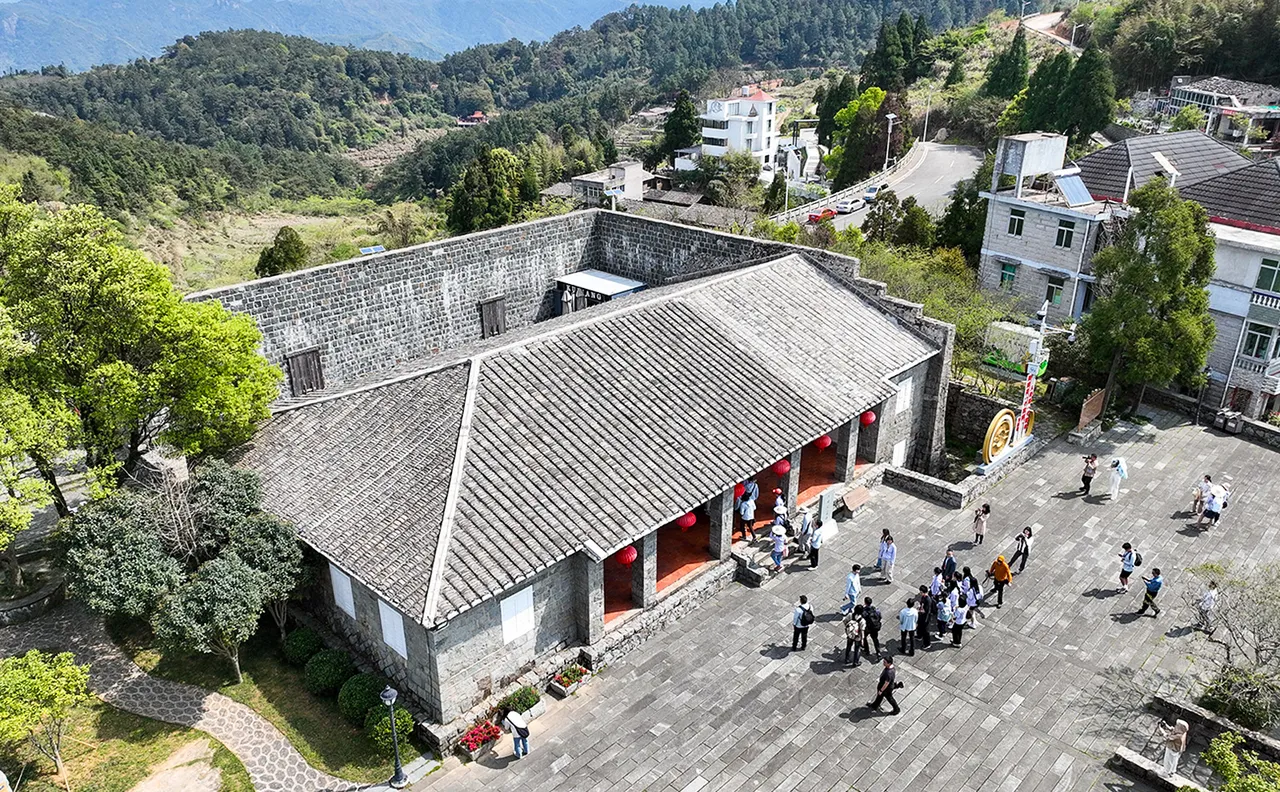
Kuliang is the hill station above Fuzhou, a pine-forested ridge some 900 metres up the eastern mountains where the city's foreign residents escaped th
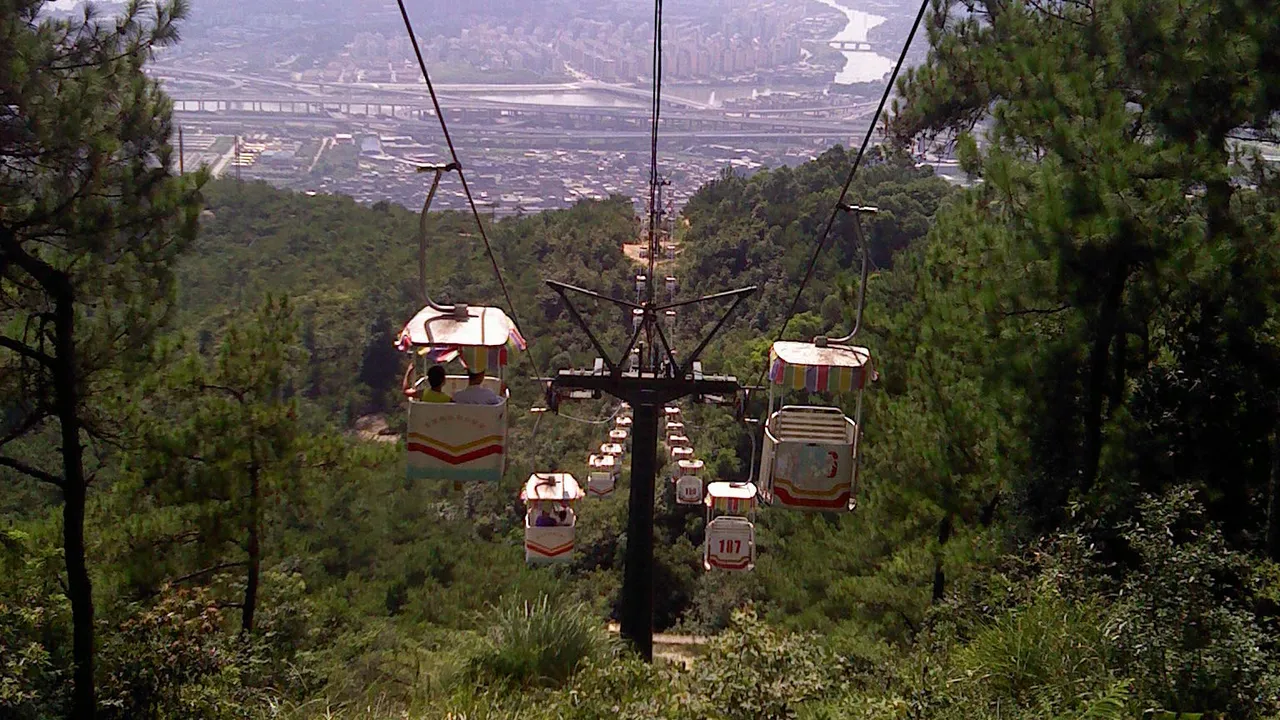
Gushan, or Drum Mountain, is the great green mountain at Fuzhou's eastern gate, its summit trails and cliffside carvings woven into a thousand years o
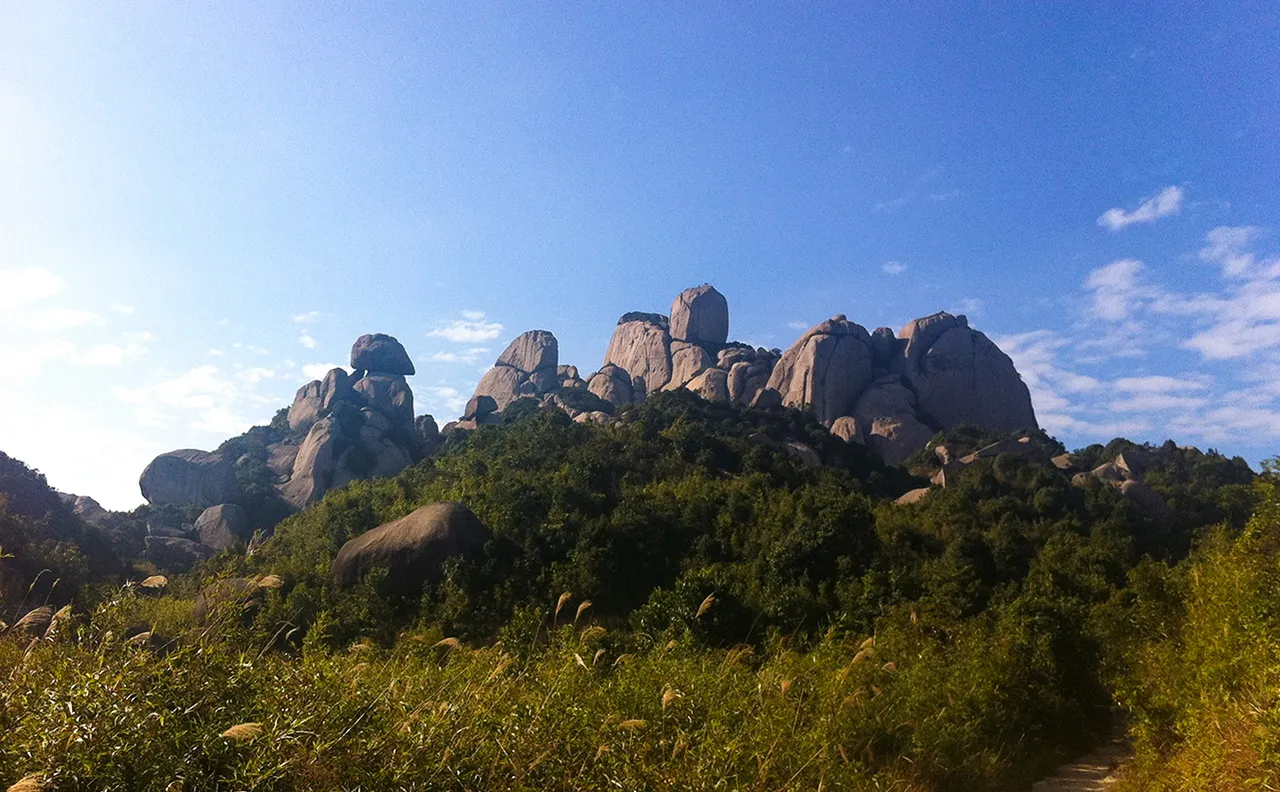
Wushan Hill, the Black Crow Hill of central Fuzhou, is the city's most elegant urban walk: a low granite hill folded into the downtown grid, covered i
A little further out, for a spare half-day.
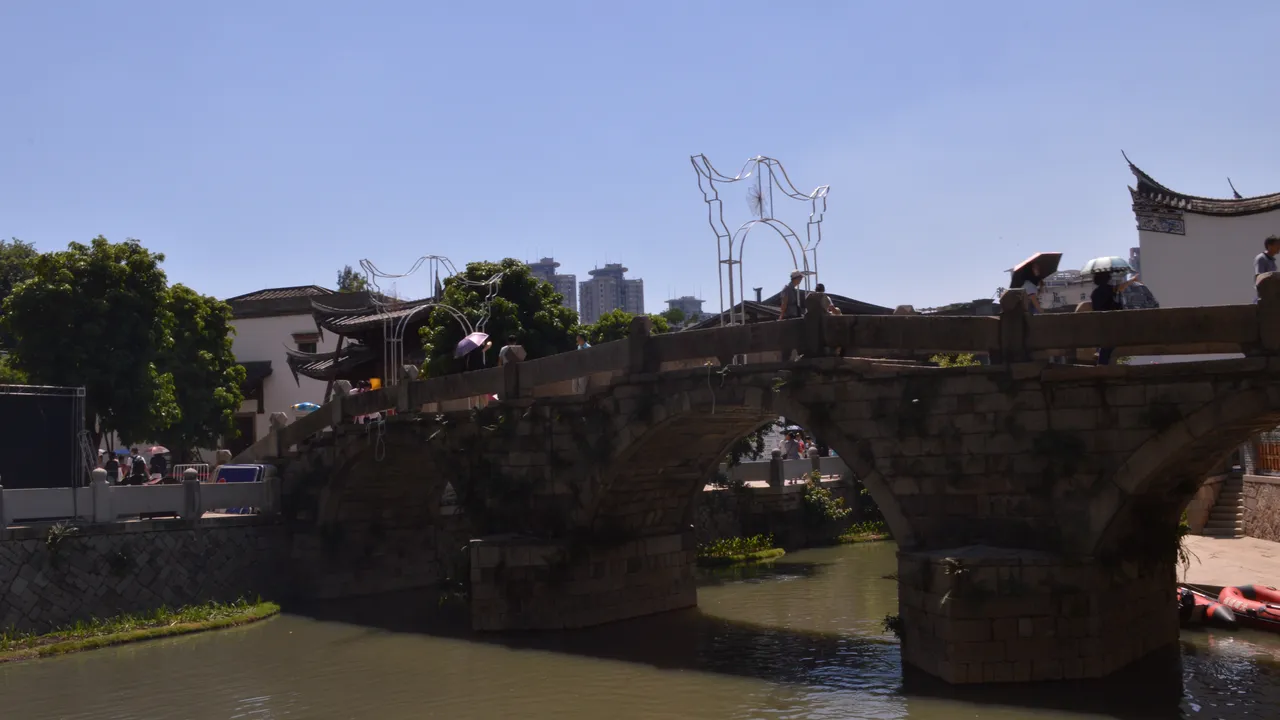
Old Fuzhou's merchant quarter: guild halls along Sanjie River, stone bridges and lantern-lit teahouse nights.
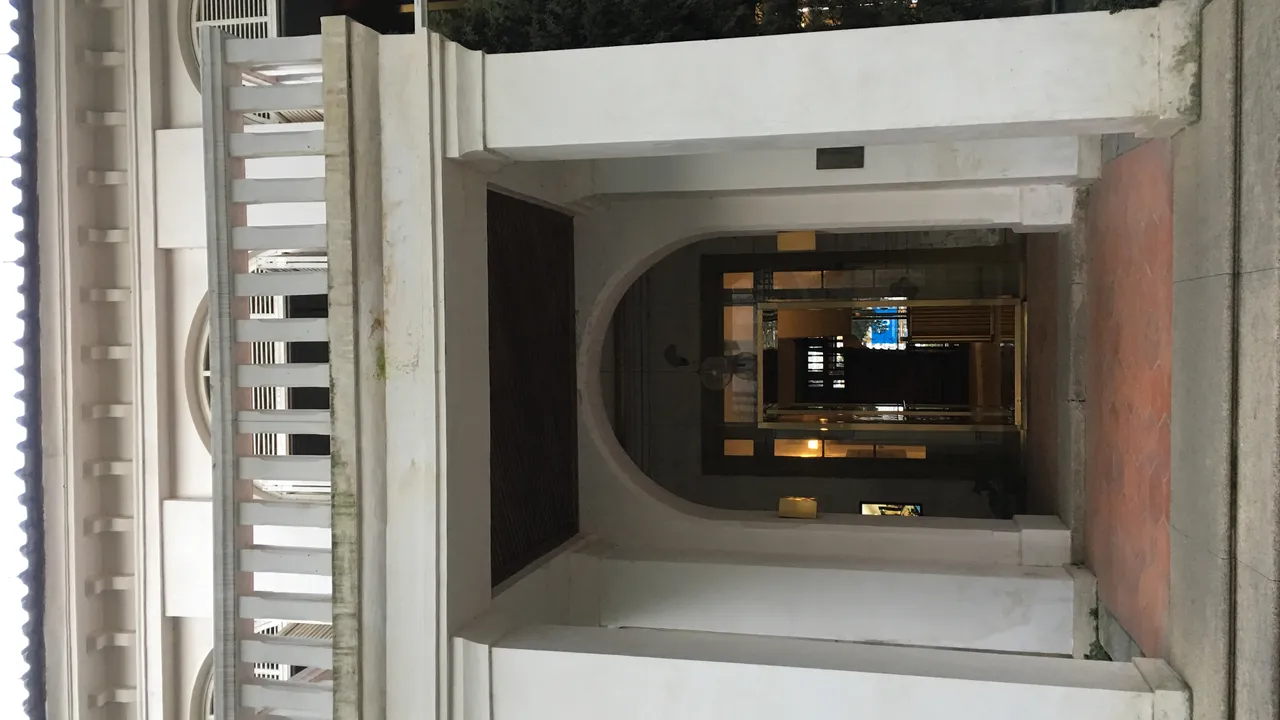
Seventeen former consulates on one green hill: old Western villas, plane trees and river-view terraces.
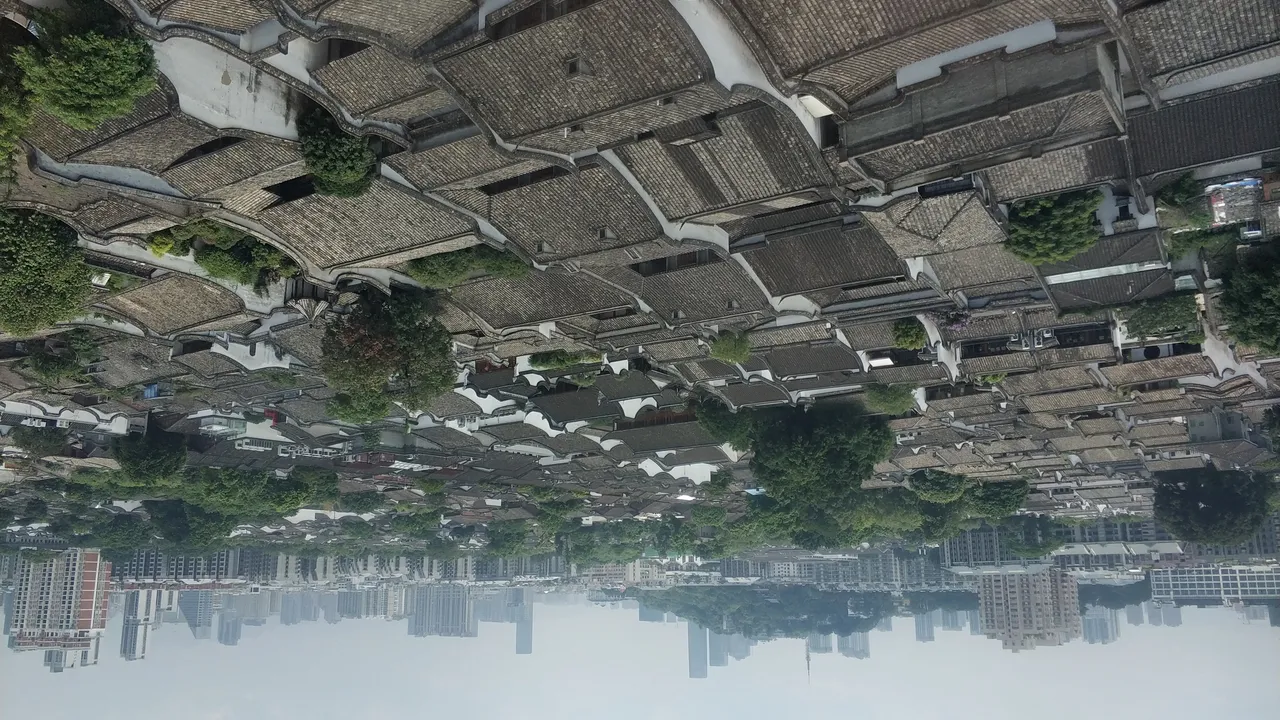
Ming–Qing lanes under aged gable walls, home to the people who wrote half of modern China's history.
Where the whole street eats — the city's most famous food streets, each with its own guide page.
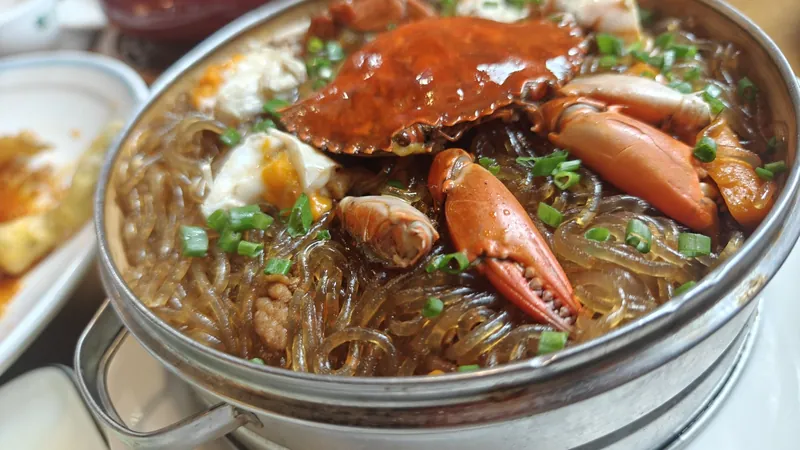
Buddha Jumps Over the Wall is Fuzhou's signature dish, a slow-simmered stew of many ingredients.
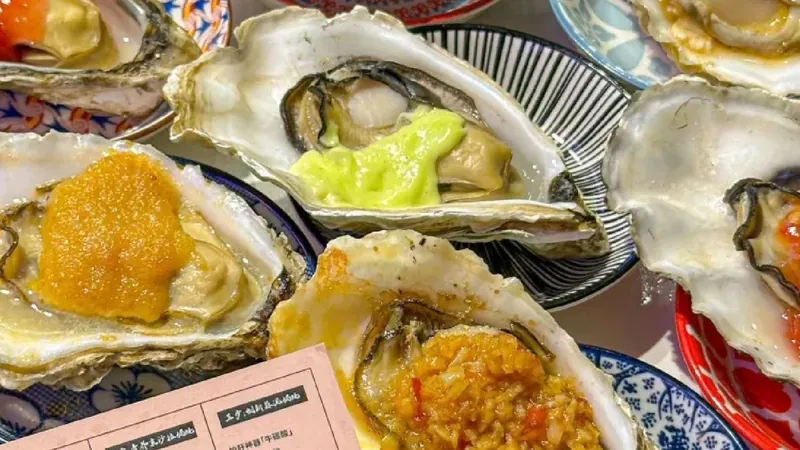
Fuzhou fish balls use fish paste as the wrapper with a meat filling, a common local snack.
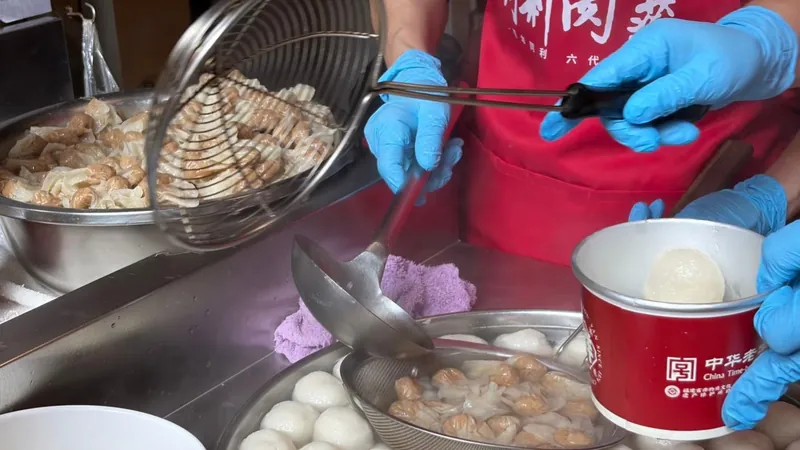
Rouyan is a traditional Fuzhou snack in which pounded meat is made into thin wrappers for filling.
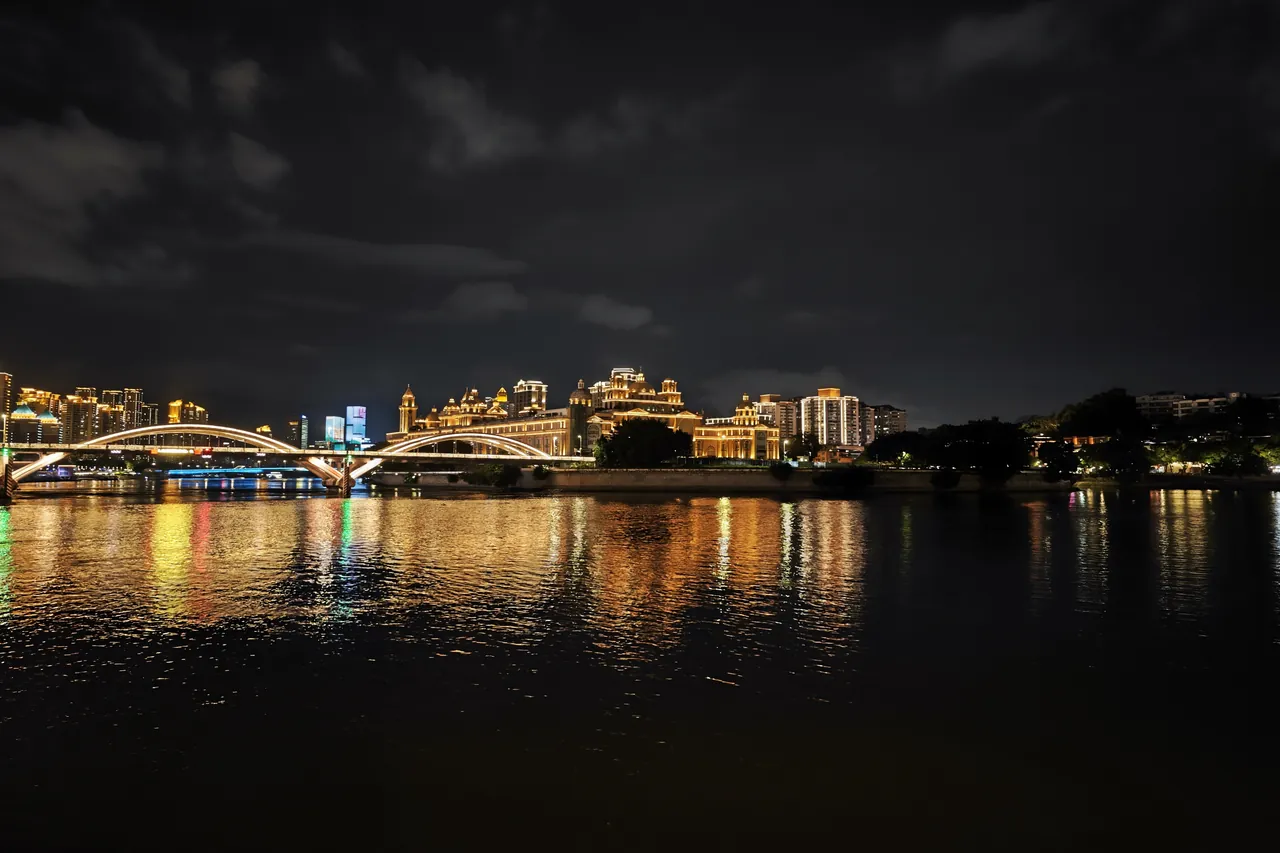
The river is the city's evening axis; walk the bank as lights come on.
The Ming-Qing lanes are quieter after dark, with white walls and lantern light.
Fuzhou's jasmine tea is a local habit; an evening cup is a slow end to the day.
Late bowls of fish balls, rouyan and guobianhu are part of the city's night eating.
Evenings here are low-key: river light, lane shadows, tea and a bowl of fish balls.
Listed sites and the crafts that made this city famous.
A Ming-Qing lane quarter of alleys and courtyard houses, home to the Lin Zexu Memorial Hall and Yan Fu's former residence.
A mountain temple on Gushan, reached by paths up the slope above the city.
The modern-era consulate quarter on Yantai Shan, with old streets and buildings.
Old banyan trees are a defining presence in the city's streets and parks.
Fuzhou's best-known slow-cooked dish, a layered preparation served on special occasions.
Springy fish balls in soup, a everyday Fuzhou snack.
Meat dumplings with a wrapper made from pounded meat, a local specialty.
A rice-batter soup scraped from the wok edge, a Fuzhou breakfast staple.
Fuzhou's jasmine tea scenting tradition shapes the city's tea habit.
The Min River runs through Fuzhou's daily life, from transport to evening walks.
Senior licensed guides with 10+ years in the field and fluent English — deep on history, culture and local life.

Experienced licensed guides with clear English — solid on city highlights, food and day-to-day logistics.

Licensed guides with workable English — a good-value choice for city days, transfers and standard commentary.

Chauffeur-driven by the day, plus airport and intercity transfers.



Private chauffeur-driven vehicles, priced per vehicle not per person. Airport transfer from $45; intercity transfer from $180.
10 guides split by trip length: one-day city routes, three-day escapes and longer journeys, with stops, costs and transport in each.
Morning in the old lanes with the Lin Zexu Memorial, afternoon up Gushan to Yongquan Tem
Three DaysThree Days of Fuzhou Nature: A Hill, Lakes, a Skywalk and a RiverDay one on Gushan and Guling, day two in the forest park and by West Lake, day three ove
Multi-DayFive Classic Days in Fuzhou: Lanes, Hills, Shipyard and the Min RiverTwo days for the lanes and their minds, one for Gushan and Guling, one for lakes and sky
Real routes, real travellers — a sense of what a trip looks like.
"Three days was right — lanes, Gushan, then the river. We checked opening hours on official channels each morning."
"The consulate quarter on Yantai Shan was the quietest part of the trip; no tickets were needed for walking the streets."
"We built the trip around food: fish balls, rouyan, guobianhu, and jasmine tea every afternoon."
Most travellers spend 3 days here. Add a day for a side trip if you want a slower pace.
Spring and autumn are usually the most comfortable. Check the seasonal notes above before booking.
We arrange airport/rail transfers and private drivers. Tell us your arrival point and we plan the connection.
Send an enquiry and a human expert replies within 12 hours with a draft plan and real prices. Flexible rescheduling; clear cancellation terms in your quote.
2-day private itineraries in Fuzhou start from $540 per person, two travelling together. Your proposal itemises hotels, tickets, guide and car — no hidden fees.
Sanfang Qixiang (with Lin Zexu Memorial Hall and Yan Fu's former residence), Gushan Yongquan Temple, Yantai Shan consulate quarter and West Lake Park are the core landmarks listed in our material.
Our material does not include ticket prices or reservation rules; check official channels for each site before you go.
Fotiaoqiang, fish balls, rouyan and guobianhu are the local staples; jasmine tea is the city's signature drink.
Our routes offer one, three and five day versions; three days covers the lane quarter, Gushan and Yantai Shan without rushing.
Yes — the lanes are quieter after dark and lantern light suits the white walls; it is also listed among our night spots.
Walking the bank in the evening is the simplest approach; the river is the city's evening axis in our night section.
Our material does not list any World Heritage site in Fuzhou; it lists Sanfang Qixiang and Yantai Shan as historic districts, and Gushan Yongquan Temple and the banyan trees as national protected.
It is a local tradition and everyday drink, listed among the city's intangible cultural elements in our material.
Recent listed prices: Yantai Hill 免费; Zhenhai Tower 免费; Xichan Temple 现场购票(以景区公示为准); Kuliang 免费; Gushan (Drum Mountain) 免费. Ticket prices change seasonally — we confirm them in your quote.