
One day in Fuzhou splits cleanly: the lanes own the morning, the mountain temple the afternoon, the riverside mansions the dusk. Sanfang Qixiang is the city's parlor with the Lin Zexu Memorial right at its south mouth; Gushan sits east of town, and Yongquan Temple is quiet and cool right after opening; the old consulate quarter of Yantai Shan faces sunset and closes the day.
The route hangs on metro line 1: Dongjiekou for the lanes, Shangteng for Yantai Shan, with only Gushan needing a bus or taxi. Expect about fifteen thousand steps on foot; in summer carry an umbrella and water, the Fuzhou sun takes its job seriously.
Itinerary at a glance
| 08:30 | Sanfang Qixiang: Lanes Before the Main Street |
| 11:00 | Lin Zexu Memorial Hall: Coastal Defense in a Shrine |
| 13:30 | Yongquan Temple on Gushan: The Crown Temple and an Open-Air Calligraphy Archive |
| 17:30 | Yantai Shan Consulate Quarter: Old Mansions and the Min River at Dusk |
The route, stop by stop
Sanfang Qixiang: Lanes Before the Main Street
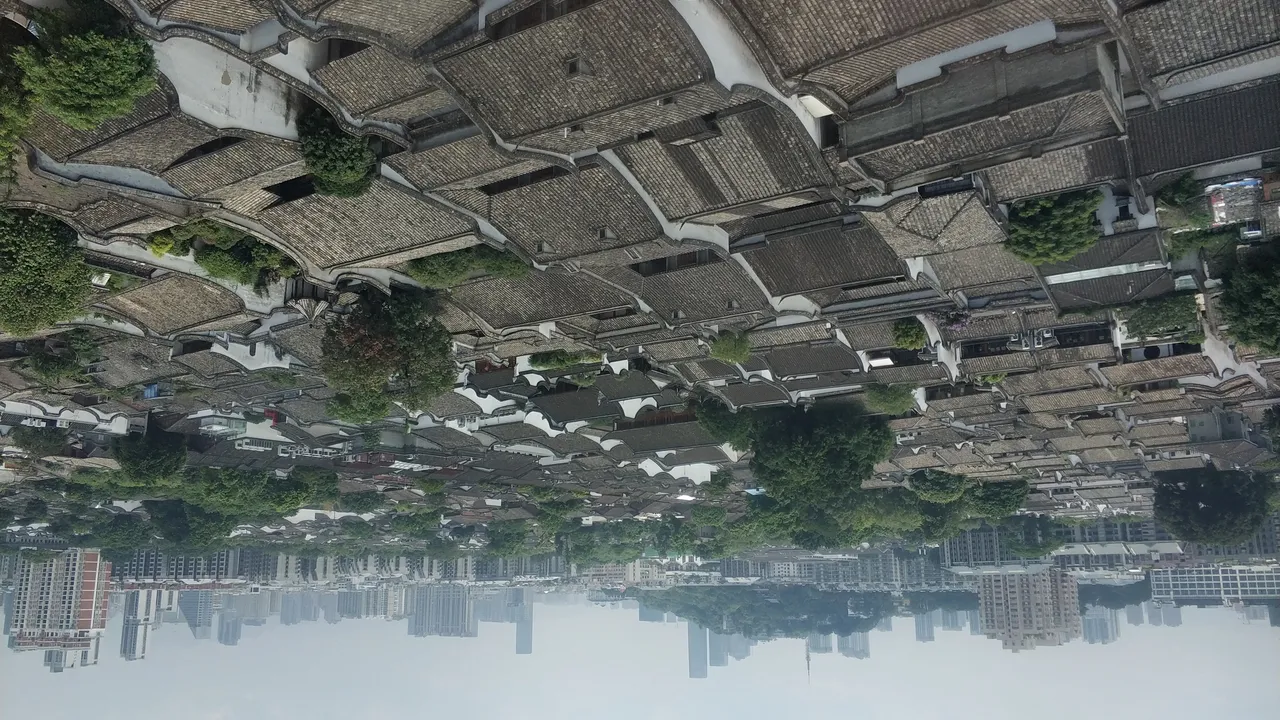
Nanhou Street is the spine of Sanfang Qixiang, with three lanes to the west and seven alleys to the east laid out like a fishbone. Enter from Yangqiao Alley and pass the former home of Lin Juemin and Bing Xin, one courtyard for two famous names, the writer of the Letter to My Wife and the writer of Star Poems. White walls, dark tiles and rolling saddle gables set the standard for Fuzhou housing.
The Water Pavilion stage in Yijin Fang is a private opera stage built over a household pond, a layout rarely seen elsewhere. Given time, continue into Gong Lane and Wenru Fang, where the names of Shen Baozhen and Yan Fu hide behind door plates; half of Fuzhou's modern history spreads across one square kilometer.
Lin Zexu Memorial Hall: Coastal Defense in a Shrine
The memorial sits on Aomen Road at the south mouth of Nanhou Street, a shrine-style complex honoring Lin Zexu of the opium destruction at Humen. Start at the imperial stele pavilion, where three stone steles record the court's final verdict; beside the seated statue in Shude Hall hangs the famous line about serving the country regardless of personal fortune.
Exhibits follow his life in order, from the opium ban to exile in Ili and late-career flood control, dense but never dry, about an hour in total. A lane left of the exit feeds straight back to the lanes' south entrance.
Yongquan Temple on Gushan: The Crown Temple and an Open-Air Calligraphy Archive
Gushan is Fuzhou's backyard garden. Yongquan Temple, founded in the Five Dynasties era and called the crown of Fujian temples, fronts a pair of thousand-year Song dynasty ceramic pagodas; its sutra library holds ancient volumes and blood-inscribed scriptures as treasures. Beyond the main hall, the cliff inscriptions at Heshuiyan stack up from the Song onward, an open-air archive of calligraphy.
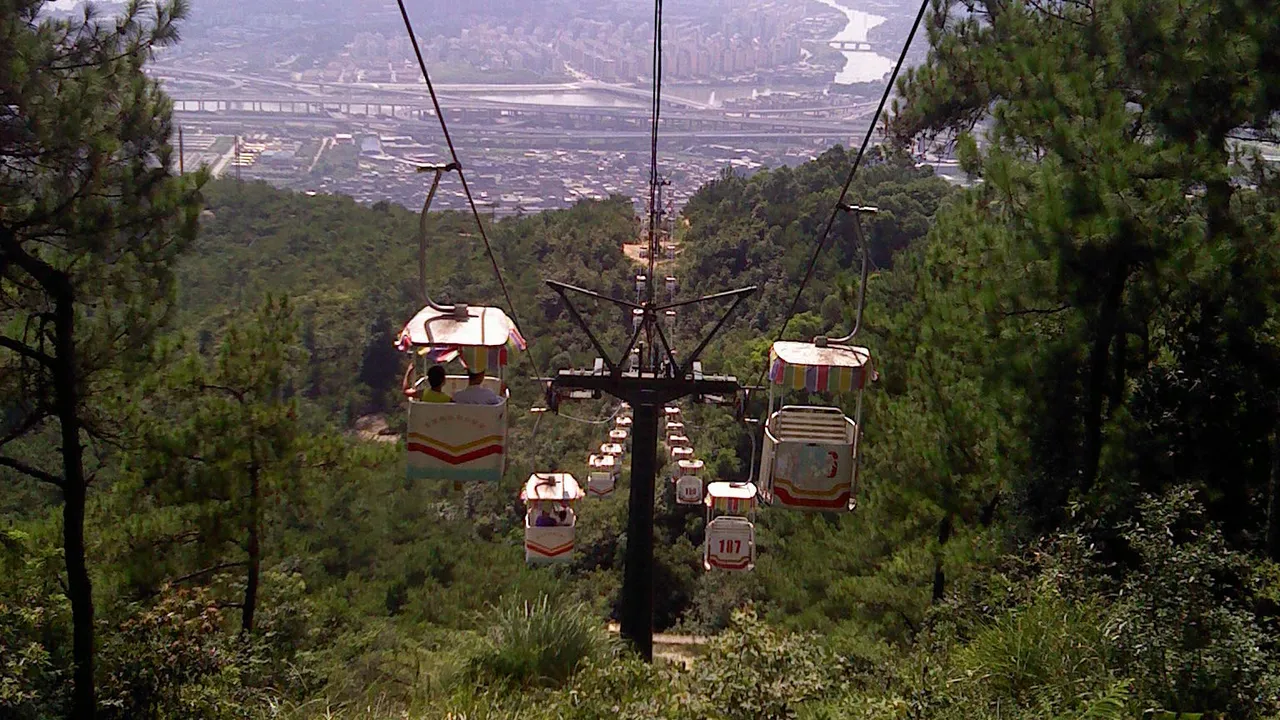
The old pilgrim path climbs about an hour over gentle, tree-shaded steps, tolerable even in summer. A cable car serves the mid-section, but its last run comes early, so do not count on it for the descent.
Yantai Shan Consulate Quarter: Old Mansions and the Min River at Dusk
After the treaty port era, foreign consulates climbed the little hills of Cangshan, and dozens of old mansions still scatter across Yantai Shan: the gray-stone church on Lequn Road, the restored former US consulate at No. 2 Aiguo Road, brick arcades stacked lane after lane, a completely different Fuzhou from the walled lanes of the morning.
Climb from Meiwu Road at dusk to fold the mansions and the Min River into one view; after sunset the far bank lights up and a century lines itself up in the glow. The streets here are steep and tangled, navigation comes and goes, and getting lost is the correct way to see it.
| Getting around |
|
| Budget | Yongquan Temple RMB 40 plus the lanes' combo ticket RMB 68 plus meals and transport, roughly RMB 150-250 pp. |
| Best time | Year-round, best Mar-May and Oct-Dec; summer afternoons are sticky, so push the outdoor legs to morning and evening. |
FAQs
Can one day really fit Gushan plus Yantai Shan?
Yes, on a schedule: cap the lanes at two hours, leave for Gushan by 12:30, a bus ride of about forty minutes; one hour covers the temple, descend by 16:00, and reach Yantai Shan at five for sunset. Taxi throughout buys half an hour of slack; the bus version demands watching the timetable.
Does Yongquan Temple need booking? Is Sanfang Qixiang free?
Temple entry is RMB 40 on site, no reservation; the lanes themselves are free, with a combo ticket for paid courtyards like Yan Fu's residence if you want them. Holiday crowds on Gushan run heavy, so flipping the order, hill first and lanes after, works just as well and saves time.
If I can only pick one, Gushan or Yantai Shan?
By taste. For the temple, cliff inscriptions and a sweeping Min River view, choose Gushan and budget half a day; for old mansions, cafes and street life, choose Yantai Shan, two or three hours with a metro station at its foot. With seniors or kids, Yantai Shan wins: the slopes are stepped and railed the whole way.
Any tips on clothing and mosquitoes in Fuzhou's humidity?
May through September is muggy, so wear breathable quick-dry clothes and carry a folding umbrella for both sun and rain. Mosquitoes haunt the Gushan woods and Yantai Shan greenery, so spray repellent on ankles and cuffs; the lane flagstones turn slick in rain, so wear shoes with real grip.