
Fuzhou's cultural wealth stacks in two layers. The modern layer above ground belongs to Yan Fu translating Evolution and Ethics and Lin Zexu opening Chinese eyes to the world, names from Sanfang Qixiang who changed half of China. The older layer beneath is Hualin Temple's hall, standing a millennium, the oldest surviving timber structure south of the Yangtze. Linking the two makes Fuzhou's culture day.
The keyword is verification: several venues close Mondays, require free ticket exchange or timed entry, so confirm each before setting out. Fortunately the whole line sits in central Fuzhou, chained by metro line 1 and walking, so rerouting costs almost nothing.
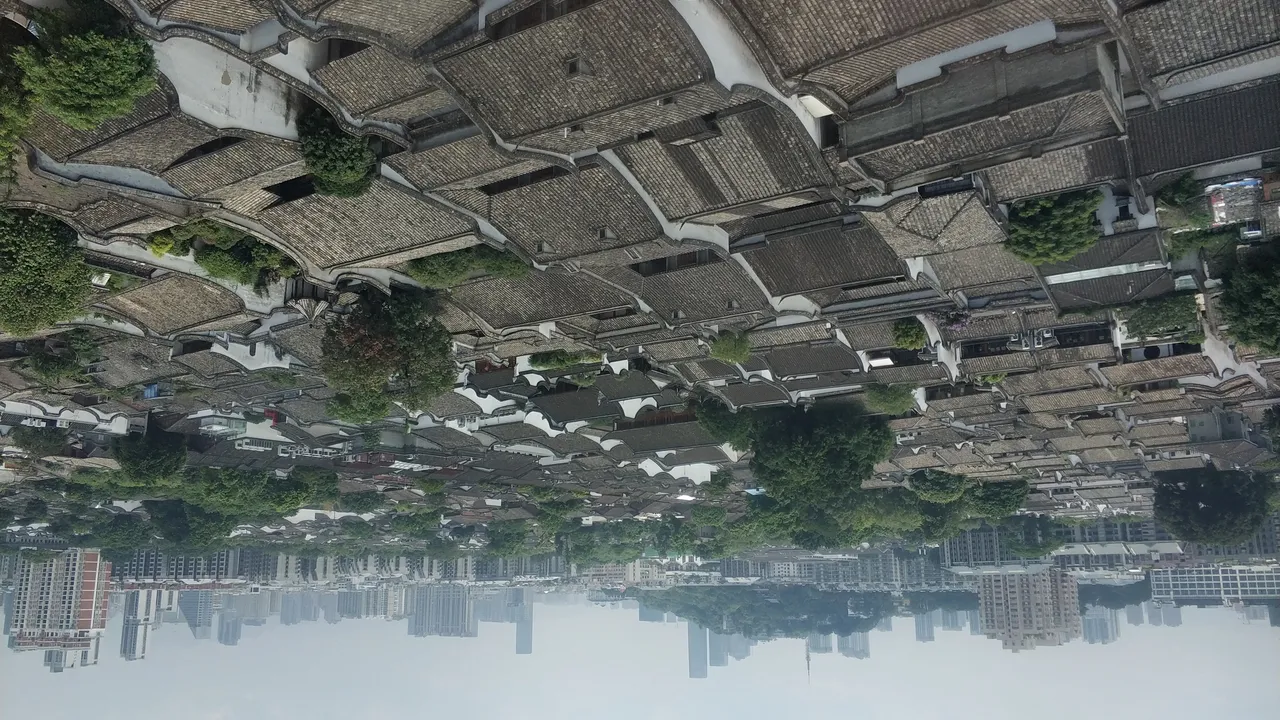
Itinerary at a glance
| 09:00 | Fujian Museum: Maritime Porcelain and Song Silks |
| 11:30 | Hualin Temple Hall: The Oldest Timber South of the Yangtze |
| 14:30 | Yan Fu's Former Residence: The Man Who Translated the World into Chinese |
| 16:30 | Lin Zexu Memorial Hall: The First to Open Chinese Eyes |
The route, stop by stop
Fujian Museum: Maritime Porcelain and Song Silks
The museum sits beside West Lake Park, its permanent galleries running from the Minyue kingdom to the Maritime Silk Road. Linger in the export porcelain hall: Song and Yuan wares bound for overseas markets, plus salvage from shipwrecks, laying out the phrase cargo of the sea in plain sight.
The natural history wing stands in a separate building, its dinosaur fossils and marine specimens kid-friendly but skippable when time is short. Inside, quiet and cool, it is the most comfortable hour of the day.
Hualin Temple Hall: The Oldest Timber South of the Yangtze
Hualin Temple hides in a small courtyard off Hualin Road, its main hall raised in 964, the Northern Song, the oldest surviving timber building south of the Yangtze. Not one iron nail inside; brackets spread like clouds, and standing at the doorway you catch a faint camphor breath from the millennium-old wood that quiets you on its own.
The hall is modest in scale and half an hour covers it: watch the bracket interlocking, the entasis of columns, the curve of lifting eaves, the whole grammar of Song architecture in one room. Even the architecture-blind find themselves moved by this living oldness.
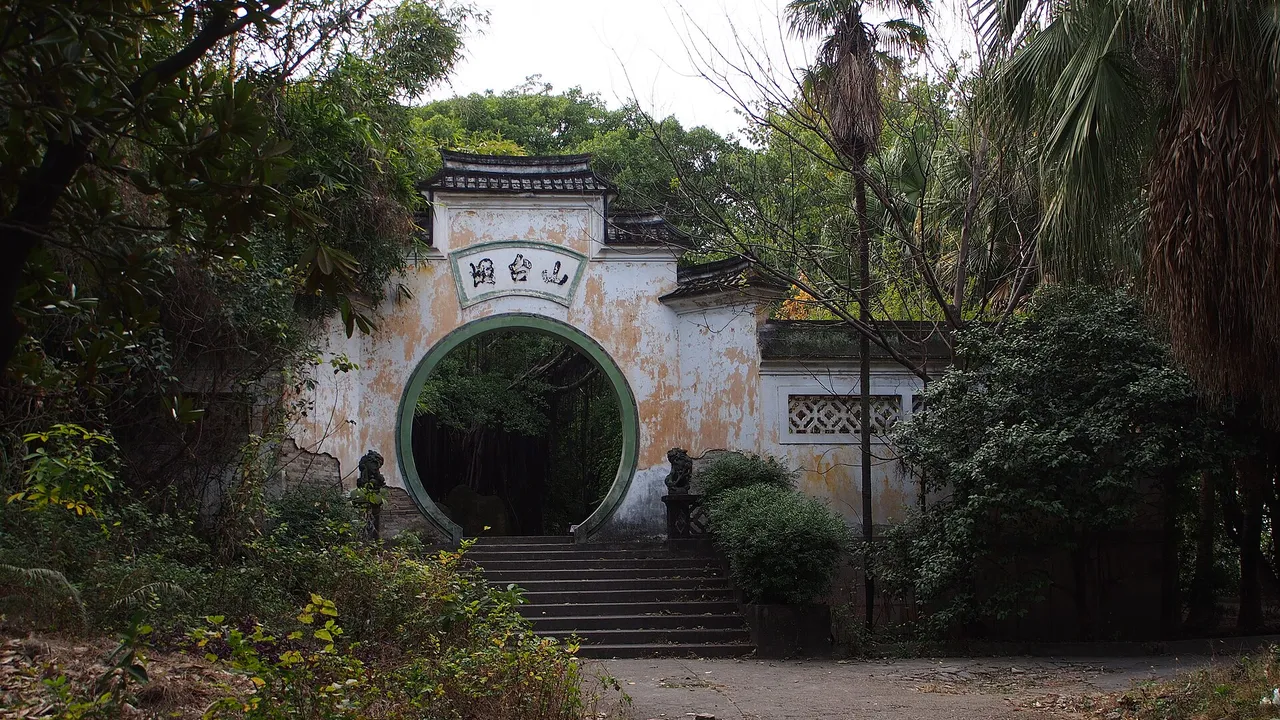
Yan Fu's Former Residence: The Man Who Translated the World into Chinese
Yan Fu's house sits at the west end of Langguan Lane, easy to walk past, the facade so modest. The Fuzhou native who translated Evolution and Ethics spent his last years here; the display's best detail is a facsimile of his manuscript, margins crowded with notes, the whole process of landing phrases like natural selection into Chinese laid out on paper.
Two courtyard depths survive, the parlor and study in their old arrangement. Forty minutes covers the full exhibit; a bowl of fish balls at the lane's mouth digests it nicely.
Lin Zexu Memorial Hall: The First to Open Chinese Eyes
The memorial on Aomen Road at the lanes' south mouth closes the day's intellectual arc alongside Yan Fu's house. From the opium destruction at Humen to exile in Ili, the exhibition line runs complete and restrained; the couplet beside the seated statue in Shude Hall, about serving the country regardless of fortune, deserves a thirty-second stop.
If you saw the museum this morning, the visit reads differently: coastal defense, maritime trade and opening Chinese eyes, three threads tying off in one day. Exit along Aomen Road toward Nanhou Street and arrive with the lanes at dusk.
| Getting around |
|
| Budget | Mostly free venues plus the RMB 2 Hualin Temple entry; about RMB 30-60 pp before meals. |
| Best time | Year-round with climate-controlled halls; many sites close Mondays, so dodge that day or check notices first. |
FAQs
Are all four stops free? Any bookings needed?
The Fujian Museum and Lin Zexu Memorial are free with ID-based entry; Yan Fu's residence sells singly or within the lanes' combo ticket; Hualin Temple costs RMB 2. Ordinary days need no booking, but on holidays book popular venues like the museum through official channels to skip queues.
Which sites close Mondays, and how should I plan around it?
The museum and memorial follow the Monday-closing norm, while Hualin Temple runs its own hours; posted notices govern all. If your day lands on Monday, swap in the lanes and Wushan walk and move the closed venues elsewhere, since everything sits in central Fuzhou and reshuffling costs nothing.
Is Hualin Temple worth the detour for one hall?
Yes, if it is open. The Northern Song hall is the oldest surviving timber structure south of the Yangtze, a rank held by only a handful nationwide, and RMB 2 is perhaps the best national-heritage value in Fuzhou. If old buildings do nothing for you, swap in a West Lake loop and the day loses no strength.
Does this route suit a middle-school student?
Very much so, and better value than sightseeing skims: Yan Fu and Lin Zexu live in textbooks, and visiting first doubles the recall. Give the student a task, like finding one line in the memorial worth copying down, and attention holds; the museum's natural wing works as a closing bonus.