
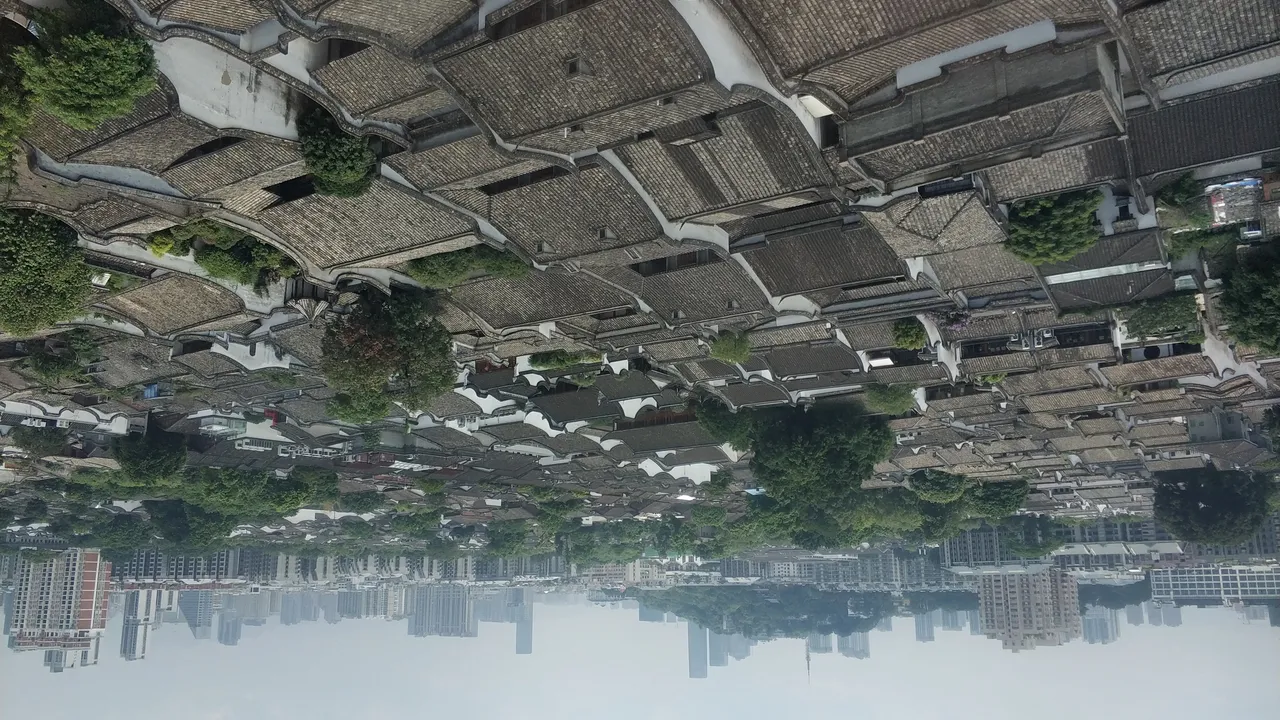
The best way to know Fuzhou is not chasing sights but turning off Nanhou Street into an unnamed side lane, watching locals brew tea, hang laundry and play chess at their doorsteps. This route stacks three historical layers: Song-era cliff carvings on Wushan, Ming-Qing lanes, and the treaty-port docks, all linked on foot at your own pace.
The plan deliberately skips museums and ticketed sites, spending the budget on tea stalls and snacks instead. Each half-day feels different: the lanes run narrow and cool in the morning, Shangxiahang opens wide with river breeze after lunch, and Yantai Shan climbs through the best light of the day at dusk.
Itinerary at a glance
| 08:30 | Lane Walking in Sanfang Qixiang: The Side Alleys Are the Point |
| 11:00 | Wushan Hill and the Black Pagoda: The Song Literati's Public Wall |
| 14:30 | Shangxiahang Historic Block: Guild Halls and the Sanjie River |
| 17:30 | Yantai Shan at Dusk: From the Consulates Down to the River |
The route, stop by stop
Lane Walking in Sanfang Qixiang: The Side Alleys Are the Point
Nanhou Street wakes by eight, but the real Fuzhou lives in the side alleys: Shen Baozhen's house in Gong Lane, old door lintels in Wenru Fang, an arcade corner on Anmin Lane. At their narrowest the lanes fit two people passing; overhead, saddle gables cut the sky into uneven pieces. Slow down and the sounds surface, sweeping, coal stoves, Min opera on the radio.
Cross the whole district diagonally from Yangqiao Alley to Jibi Lane in about ninety minutes. When legs tire, drop into any teahouse for a pot of jasmine tea, half an hour watching lane life says more about Fuzhou than any display case.
Wushan Hill and the Black Pagoda: The Song Literati's Public Wall
A fifteen-minute walk west of the lanes, low-lying Wushan Hill was the check-in spot of ancient literati: cliff inscriptions by Cheng Shimeng, Zhu Xi and others scatter the rock, densest around Daoshan Pavilion. The Black Pagoda stands on the east slope, built of dark stone, paired with the White Pagoda on Yushan across town as the twin spires of the old skyline.
The trail reaches the top in about ten minutes, well shaded and walkable even at noon. Locals brew tea and play chess on the flat summit, and one game is worth watching. Descend the same way to the east slope, right on time for lunch.
Shangxiahang Historic Block: Guild Halls and the Sanjie River
Shangxiahang in Taijiang was old Fuzhou's merchant wharf district, the word hang meaning warehouse rows by the dock. In its prime trading guilds from across China built club halls here; along both banks of the Sanjie River, old buildings like the Yongde Guild Hall still stand, red brick and carved plaster, grander and more everyday than the walled lanes.
This block rewards aimless walking: heritage snacks and new cafes share one street, anglers sit on the riverside steps, elders trade stories by the guild hall doors. Finish the main drag and duck into a side lane off Longping Road, and the crowds vanish.
Yantai Shan at Dusk: From the Consulates Down to the River
A ten-minute taxi from Shangxiahang brings the day's climax: up the gentle grade of Meiwu Road the mansions unfold tier by tier, the stone church spire poking through the canopy. On Aiguo and Gongyuan roads the facades turn honey-colored in the low sun, every casual frame shot through with film grain.
Walk down to the Min River, where Jiefang Bridge and Zhongzhou Island light up in the dusk and the river breeze scrubs off the day's heat. Eat by the river or back on Meiwu Road, watch the far bank come on light by light, and the walking day is complete.
| Getting around |
|
| Budget | Almost no tickets; the money goes to food and tea. A teahouse pot runs about RMB 40 and meals RMB 40-60 pp, roughly RMB 100-150 in total. |
| Best time | Walking is kindest Oct-Apr; in summer start at dawn and end at dusk, leaving noon to teahouses and arcade shade. |
FAQs
Is there a lower-effort way to do this walking route?
The route totals about six kilometers, with slopes concentrated on Wushan and Yantai Shan. The easy version: flat lanes in the morning, taxi to Shangxiahang at noon, then climb Yantai Shan on rested legs. Metro line 1 serves Dongjiekou, Daodao and Shangteng, so any flagging stretch can be skipped by rail.
Can you climb the Black and White Pagodas?
Neither tower opens for climbing; enjoy them from outside. The Black Pagoda stands on Wushan's east slope in dark stone, facing the White Pagoda on Yushan across the city, the old skyline's twin spires. For a real climb with a view, Zhenhai Tower on Pingshan is the better bet.
When is the light best for photos?
The lanes photograph best before 9 am, front-lit and empty; along the Sanjie River, afternoon backlight flatters silhouettes; and dusk on Yantai Shan is the day's peak, when low sun turns the west-facing mansions red. Overcast works too, the white walls and gray tiles suit soft light by nature.
Any etiquette in the local parks?
The parks belong to morning exercisers: greet singers, chess players and tea brewers before photographing them, and keep the lens out of faces. Never touch or rub the cliff inscriptions on Wushan or Yushan. At tea stalls ask about the seating fee first, and no one minds if you cannot finish the pot.