 TripMyChinaJOURNEYS THROUGH REAL CHINA✦ AI Trip✦ Plan My Trip
English
简体中文
繁體中文
日本語
한국어
ไทย
Tiếng Việt
Bahasa Indonesia
Italiano
Español
العربية
Русский
Deutsch
Français
Bahasa Malaysia
TripMyChinaJOURNEYS THROUGH REAL CHINA✦ AI Trip✦ Plan My TripFuzhou · Attractions
Kuliang is the hill station above Fuzhou, a pine-forested ridge some 900 metres up the eastern mountains where the city's foreign residents escaped the furnace of summer from the 1880s onward. Old missionary villas, a stone church, and views down over the Min River plain survive among the trees, and the air up here runs several degrees cooler than the streets below. Today Kuliang works as an easy day trip or a cool overnight escape: wander the villa paths, drink tea on a terrace above the clouds, and walk forest trails between viewpoints. This guide explains its unusual history and how to plan a visit.
Kuliang's story begins in 1886, when a foreign resident of Fuzhou built the first summer house on the ridge, and within decades a whole village of several hundred villas, churches, tennis courts and a post office had grown up among the pines, serving missionaries, consuls and merchants fleeing the humid Fuzhou summer. The settlement's fame spread internationally; families returned summer after summer for generations, and its name appeared on maps and in memoirs of China's treaty-port era that were read around the world.
The villas changed hands and purposes through the twentieth century, but the setting remains the draw: winding roads climb through bamboo and pine, fog drifts across the ridge most mornings, and breezes keep temperatures pleasant even in July and August. Visitors today come for the restored old buildings, the forest walks, and the lookouts over the plain, where on clear evenings the lights of Fuzhou appear far below. Combined with the neighbouring Drum Mountain, the area makes a full day in the hills, or a quiet two-day break from the city.
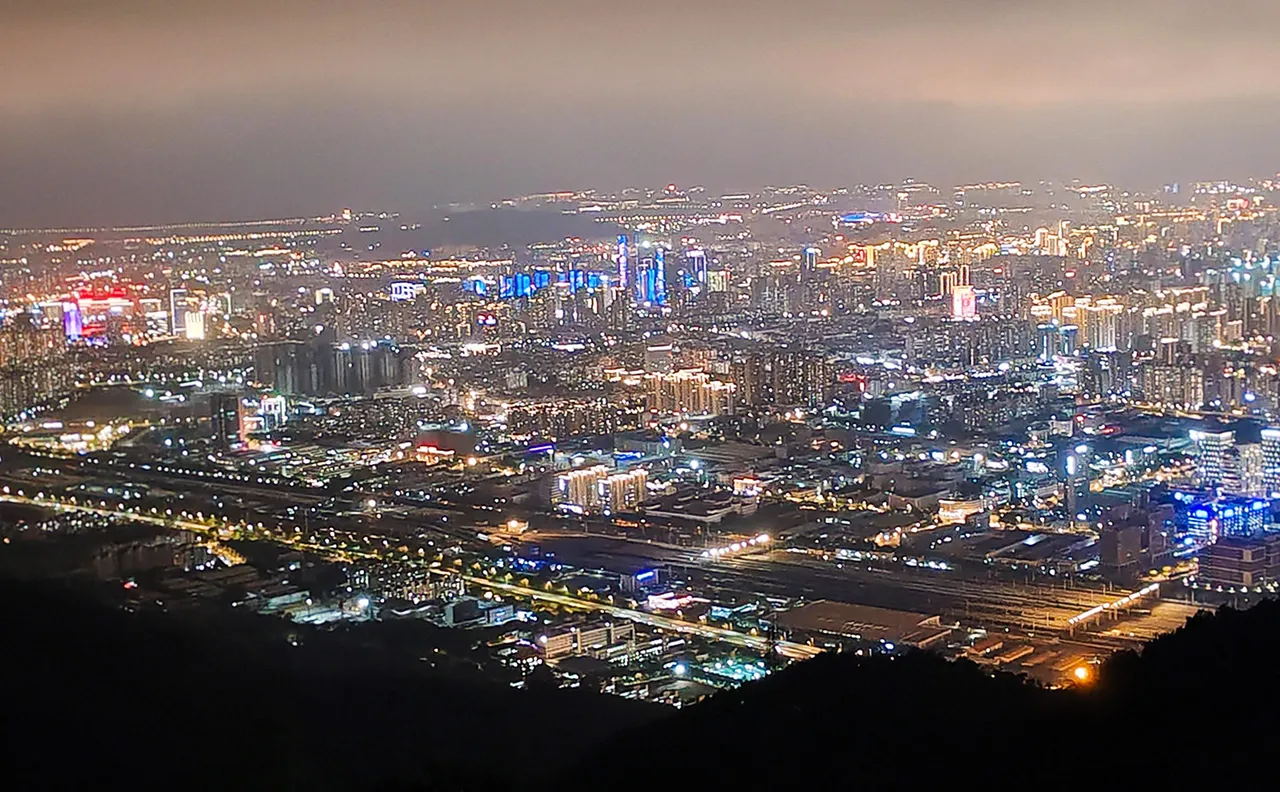
Wandering Kuliang's village lanes, villa exteriors and main viewpoints is free, as the area is a mix of open scenic zone and living village; a few specific sites, such as certain restored villas or exhibition rooms, may charge small individual fees or require registration, so check signs on site. Forest trails are likewise open without tickets. Bring your passport if any site requires visitor registration, as some do. Weather matters more than tickets here: the ridge is frequently wrapped in fog or drizzle, so carry a light rain layer even on sunny mornings, and note that roads are narrow and occasionally slippery, which affects taxi availability in wet weather. Plan to bring cash or mobile payment, as small village shops may not accept cards.
Kuliang lies in the hills east of Fuzhou, about 12 to 15 kilometres beyond the city edge as the road climbs. The practical way up is by car: a taxi or ride-hail from central Fuzhou takes roughly 40 to 60 minutes on the winding mountain road, and buses also run from the city toward the Kuliang scenic area, though schedules are sparser on weekdays, so confirm times locally. Self-drivers follow the signed mountain road from the eastern districts. Once on the ridge, the villa area and main paths are walkable, with trailheads signed in Chinese and some English. Kuliang pairs naturally with the nearby Drum Mountain cableway area, and many visitors combine both in one long hill day before returning to the city for the night.
Kuliang's classic season is summer, from June to September, when its cool air is the entire point: while Fuzhou swelters in the mid-thirties, the ridge stays comfortable, making it the city's traditional refuge. Spring brings fresh foliage and frequent fog, beautiful for photography but damp for walking, and autumn offers the clearest skies for the long views over the plain. Winter is cold up top, occasionally near freezing, and quieter still. Within the day, mornings often deliver the drifting clouds, late afternoons the warm light and the distant city lights after dusk. An overnight stay lets you catch both; a day trip of five to six hours covers the villas, a short trail and a lookout comfortably.
It is a former hill station on the mountains east of Fuzhou, developed from 1886 as a summer retreat for the city's foreign residents. Old villas, a stone church and forest trails survive at around 900 metres above sea level.
The easiest way is by taxi or ride-hail, roughly 40 to 60 minutes from the city centre up a winding mountain road. Buses also run toward the scenic area but with limited frequency, so check return times.
Yes, noticeably. At around 900 metres the ridge typically runs several degrees cooler than the city, which is precisely why it became a summer refuge in the treaty-port era.
Yes, five to six hours covers the villa area, a short forest trail and a viewpoint. An overnight stay is worthwhile in summer, letting you enjoy both the foggy mornings and the city lights at dusk.
 Full day · 8–10 hours
Three districts that between them cover 1,200 years of a port city
View details →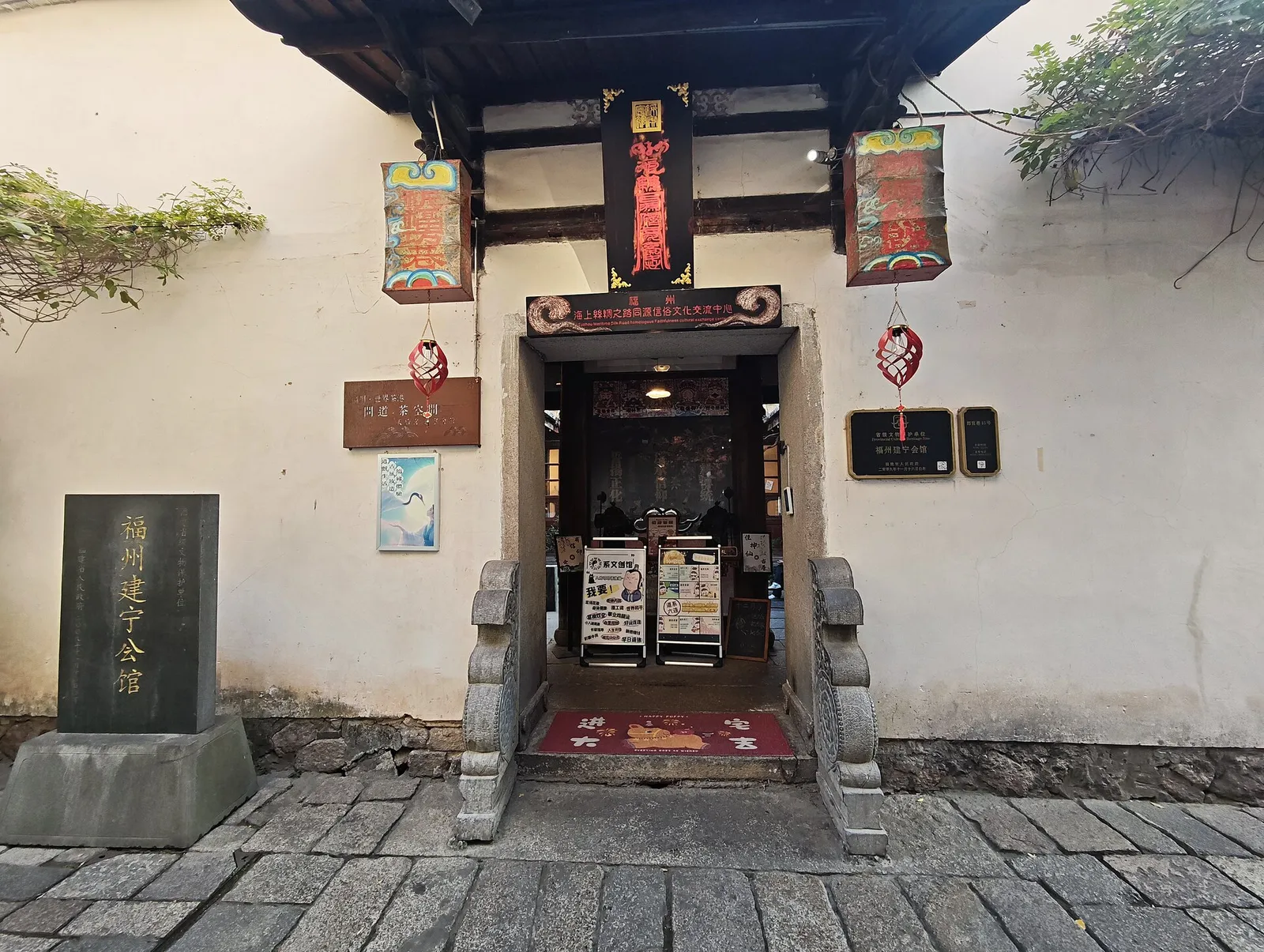 Full day · 8–10 hours
A thousand steps up, and a hill village that used to be a foreign retreat
View details →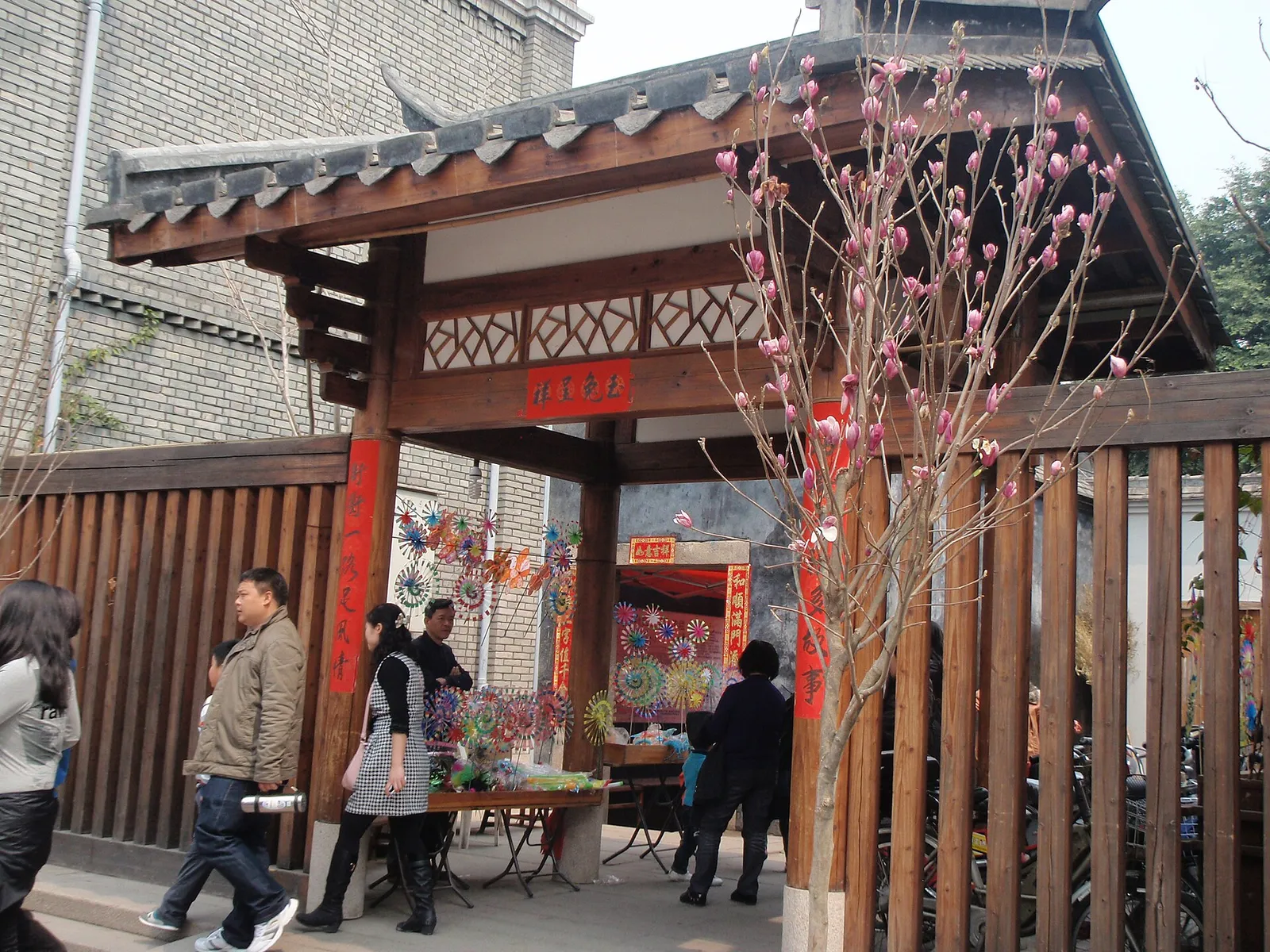 Full day · 8–10 hours
Three stops, all flat, none more than 30 minutes apart
View details →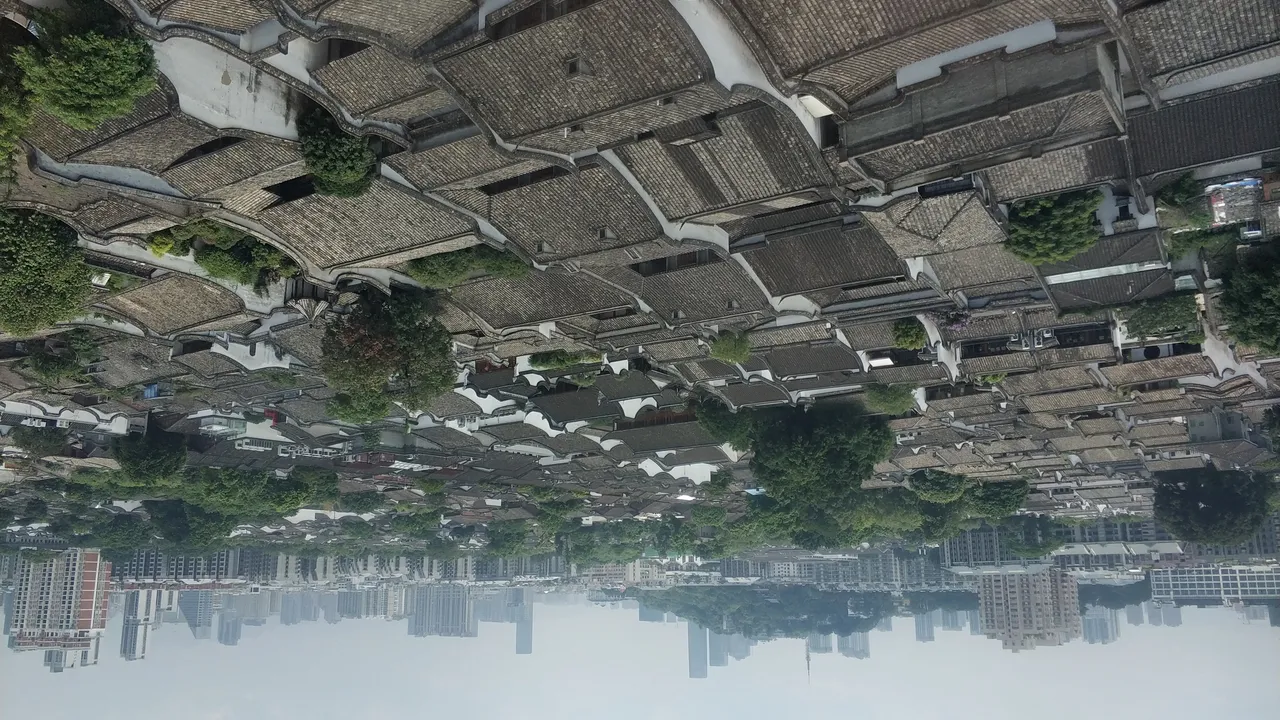 2 days · 1 night · private
Two compact days covering Fuzhou's essentials. Wander Three Lanes and
View details →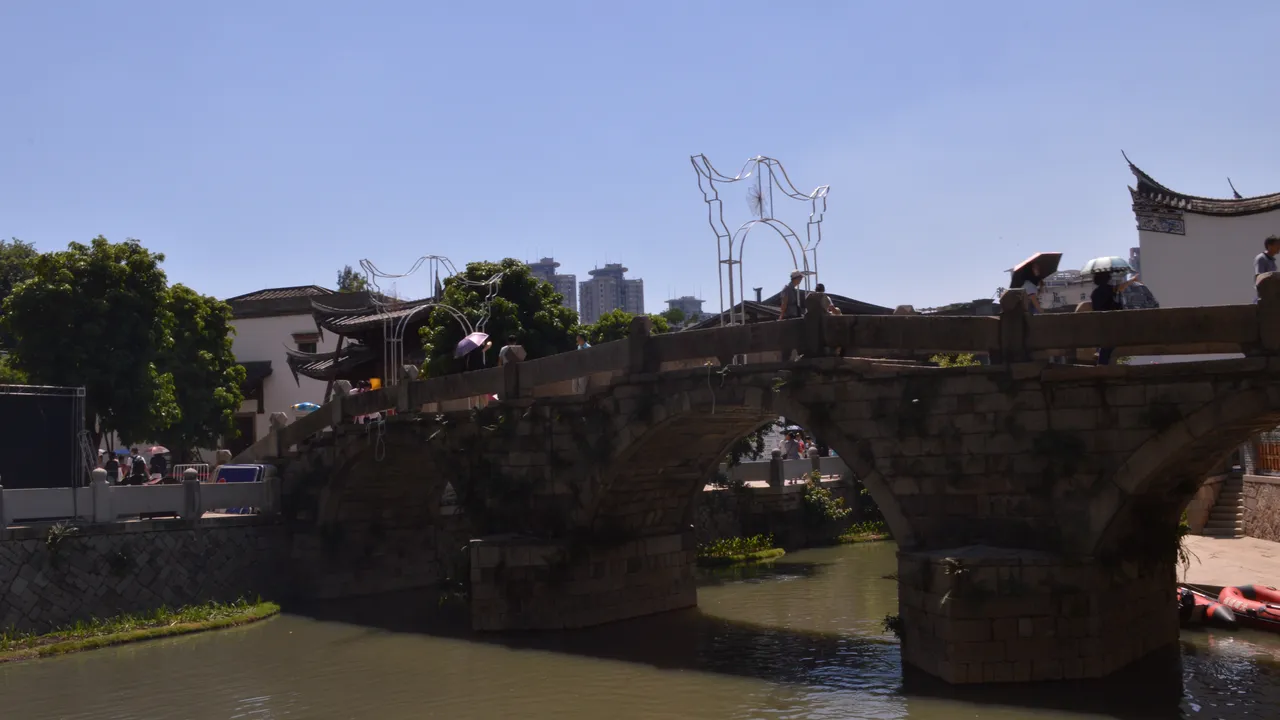 3 days · 2 nights · private
Three days covering Fuzhou's full register. Read the scholar lanes of
View details →We booked a private guide for two days and it was worth every cent. He walked us through Sanfang Qixiang, then into the Lin Zexu Memorial Hall, and explained the opium story in a way I actually followed. The Yan Fu house next door was quieter and we had it almost to ourselves.
Took the kids up Gushan on a Saturday, which was maybe a mistake because the path was packed with locals. Still, Yongquan Temple at the top kept them interested, and the view back over Fuzhou was the reward. Bring water and start early.
Private car & driver, day trips and multi-day routes from Fuzhou. · Free consultation · reply within 12h