 TripMyChinaJOURNEYS THROUGH REAL CHINA✦ AI Trip✦ Plan My Trip
English
简体中文
繁體中文
日本語
한국어
ไทย
Tiếng Việt
Bahasa Indonesia
Italiano
Español
العربية
Русский
Deutsch
Français
Bahasa Malaysia
TripMyChinaJOURNEYS THROUGH REAL CHINA✦ AI Trip✦ Plan My TripFuzhou · Attractions
Yantai Hill is Fuzhou's most atmospheric historic quarter, a low hill on the south bank of the Min River where foreign consulates, churches and merchant houses clustered after the port opened to trade in the nineteenth century. Narrow stone lanes wind between camphor trees and brick villas, each corner revealing another old facade, a shuttered veranda or a view over the rooftops to the river. Restored in recent years with cafes and small galleries moving into the old buildings, the hill now makes an easy half-day stroll, especially paired with nearby Shangxiahang Historic Street. This guide covers what to see and how to get there.
After Fuzhou became a treaty port in 1844, Yantai Hill in Cangshan district became the diplomatic and residential quarter for the foreign community. More than a dozen countries maintained consulates or trading offices here, and their legacy survives in a dense concentration of Western-style buildings: stone churches, colonnaded villas, schools and hospitals, many marked with plaques telling their stories. The hill also carries older Chinese landmarks, including temples and the ancient Cangshan pagoda site, layered into just a few walkable blocks.
Today the area is protected as a historic district and has been carefully renovated, with museums, coffee shops and craft studios filling buildings that once housed consuls and tea merchants. The pleasure of a visit is less about any single sight than about wandering: stone stairs climb between walls of grey brick, fig roots push through old masonry, and small plazas open unexpectedly onto views of the Min River and the city skyline. Come late afternoon, when the light warms the brickwork and the cafes fill up, and continue on to the riverside for sunset.
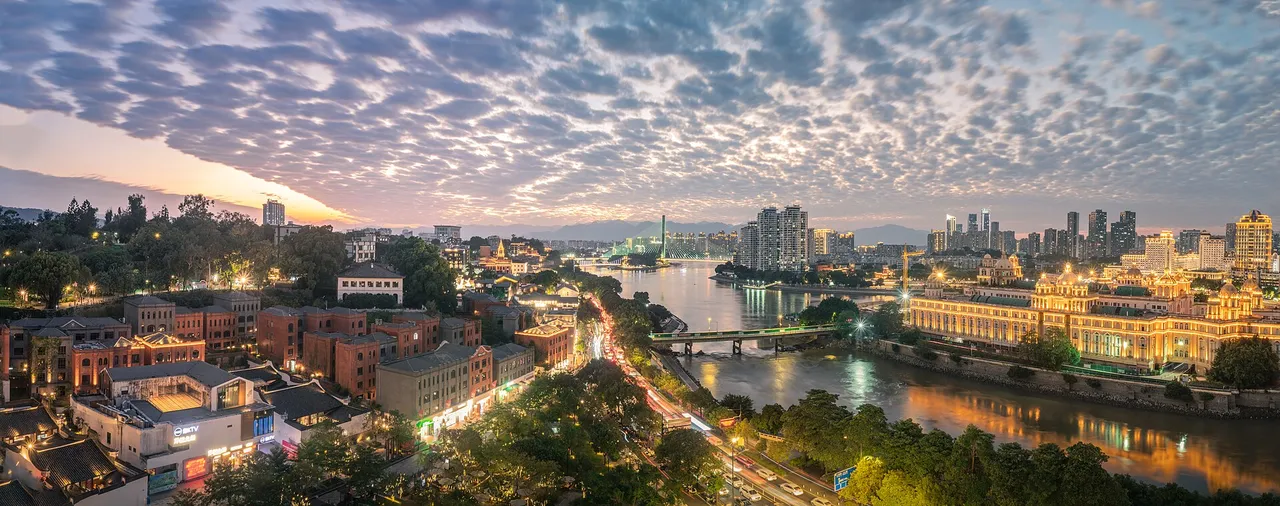
Wandering Yantai Hill's lanes, viewpoints and open plazas is free, and the district stays open around the clock as it is a living neighbourhood, not a gated attraction. A few of the restored buildings operate as small museums or exhibition houses with individual modest tickets, typically open during daytime hours of roughly 9:00 to 17:00 and closed on some Mondays, so check on site. Most visitors spend two to three hours without entering any paid venue. Bring your passport if you plan to enter ticketed exhibition buildings, as registration may be required, and note that lanes are steep and partly stepped, which is worth considering if travelling with anyone with limited mobility.
Yantai Hill sits in Cangshan district, directly across the Min River from central Fuzhou, and is easy to reach by metro: ride Line 1 to Shangteng or Dibei area stations and walk uphill for about ten to fifteen minutes, following signs to the historic district. From Fuzhou railway station or Changle Airport, take Line 1 or an airport bus toward the south bank, then continue on foot or by short taxi ride. The district itself is entirely pedestrian, a web of lanes and stairs, so comfortable shoes matter more than any transport planning. A natural route crosses the Jiefang Bridge to Shangxiahang Historic Street on the north bank, and the riverside promenade there is a fine place to finish, or to continue by taxi to <a href="/attractions/wushan-hill/">Wushan Hill</a> in the city centre.
Fuzhou is a year-round city, but the most comfortable months for hill walking are October to December and March to April, when skies are clearer and the subtropical humidity eases off. Summer is hot and rainy, so start early in the day. Within any given day, late afternoon into dusk is the magic window: sunlight warms the brick facades, students and locals emerge into the lanes, and by nightfall the riverside and bridge are lit. Weekends see the cafes at their busiest but the atmosphere is convivial rather than crowded; weekday mornings are nearly empty. Allow half a day, ideally finishing with sunset over the Min River from the north bank.
It is Fuzhou's former foreign consular quarter from the treaty-port era, with a dense cluster of Western-style villas, churches and offices on a small, walkable hill. Today it is a renovated historic district of lanes, cafes and small museums.
Take Fuzhou Metro Line 1 toward the south bank of the Min River and alight at a station near the Cangshan side, then walk ten to fifteen minutes uphill following signs for the historic district.
Yes, the lanes and viewpoints are free and open at all hours. Only a few restored buildings operate as small exhibition houses with modest individual tickets during daytime.
Two to three hours covers the lanes, the main old buildings and a cafe break. Adding the nearby Shangxiahang Historic Street across the bridge makes a satisfying half-day.
 Full day · 8–10 hours
Three districts that between them cover 1,200 years of a port city
View details → Full day · 8–10 hours
A thousand steps up, and a hill village that used to be a foreign retreat
View details → Full day · 8–10 hours
Three stops, all flat, none more than 30 minutes apart
View details →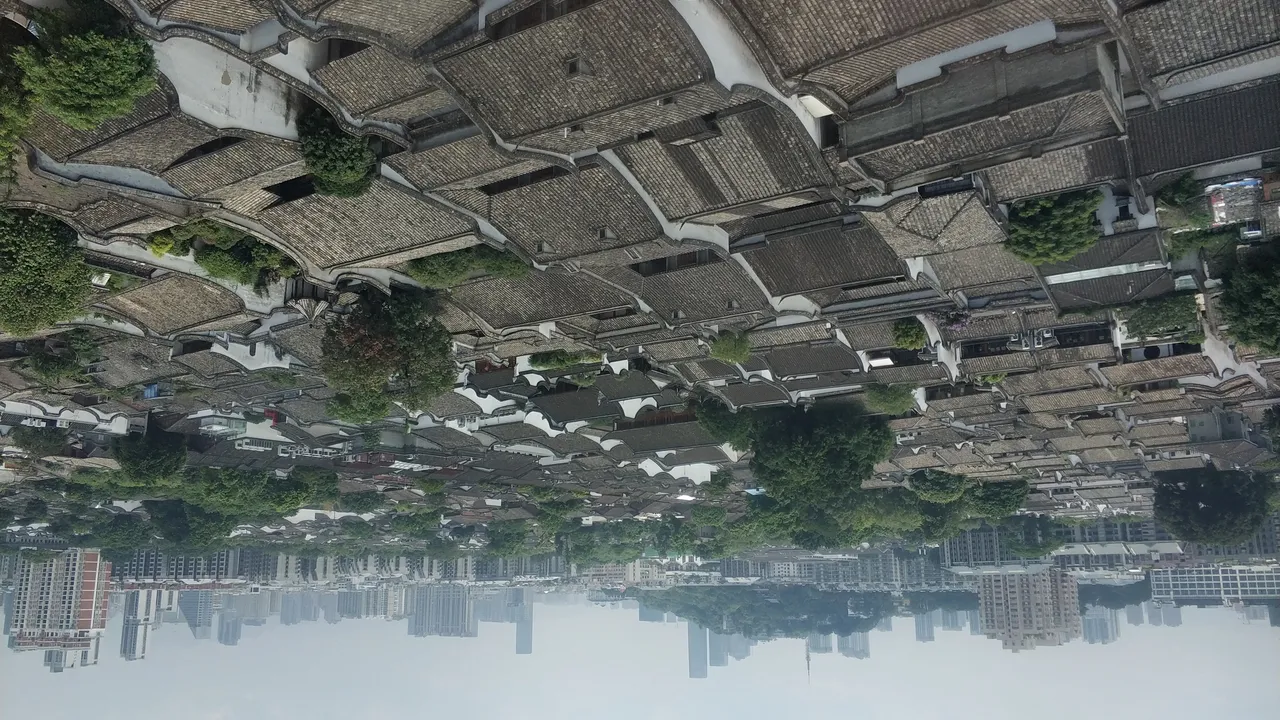 2 days · 1 night · private
Two compact days covering Fuzhou's essentials. Wander Three Lanes and
View details →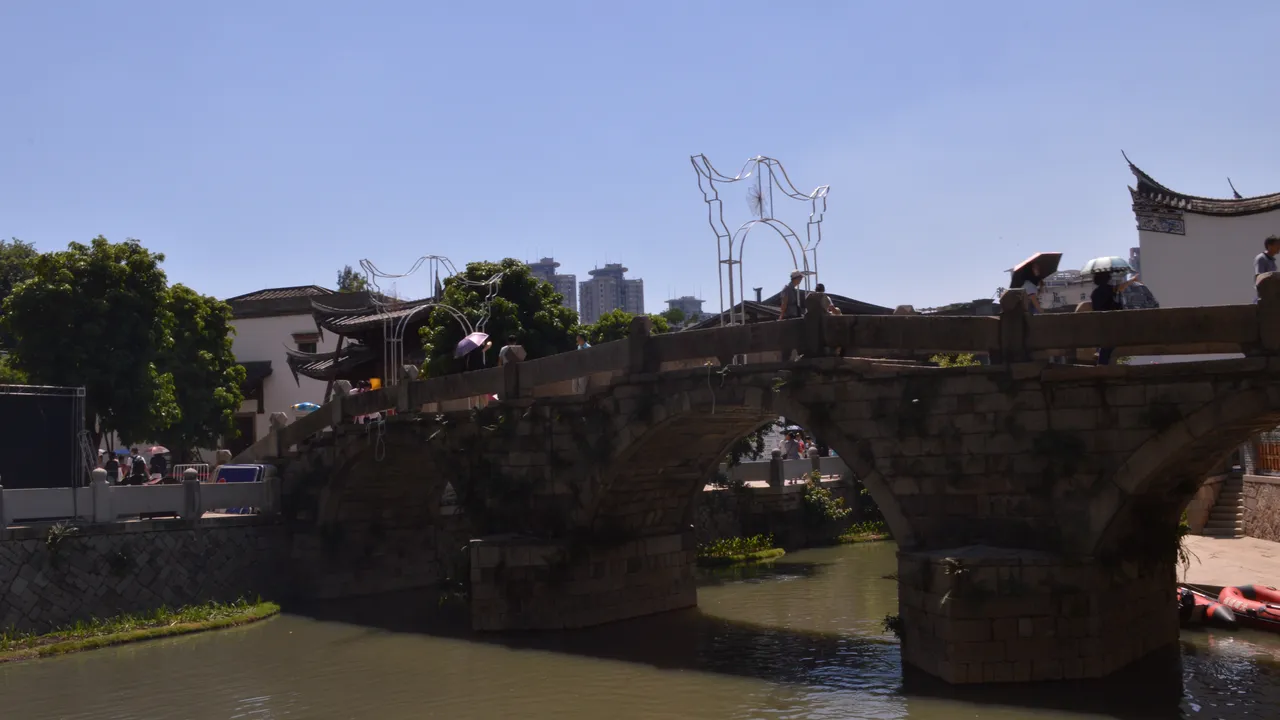 3 days · 2 nights · private
Three days covering Fuzhou's full register. Read the scholar lanes of
View details →We booked a private guide for two days and it was worth every cent. He walked us through Sanfang Qixiang, then into the Lin Zexu Memorial Hall, and explained the opium story in a way I actually followed. The Yan Fu house next door was quieter and we had it almost to ourselves.
Took the kids up Gushan on a Saturday, which was maybe a mistake because the path was packed with locals. Still, Yongquan Temple at the top kept them interested, and the view back over Fuzhou was the reward. Bring water and start early.
Private car & driver, day trips and multi-day routes from Fuzhou. · Free consultation · reply within 12h