 TripMyChinaJOURNEYS THROUGH REAL CHINA✦ AI Trip✦ Plan My Trip
English
简体中文
繁體中文
日本語
한국어
ไทย
Tiếng Việt
Bahasa Indonesia
Italiano
Español
العربية
Русский
Deutsch
Français
Bahasa Malaysia
TripMyChinaJOURNEYS THROUGH REAL CHINA✦ AI Trip✦ Plan My TripNingbo · Attractions
Beneath the fields of Yuyao, an hour from Ningbo, lies one of archaeology's great surprises: Hemudu, a Neolithic village where people were cultivating rice, carving lacquered bowls and building stilt houses seven thousand years ago. The on-site museum displays the unearthed paddle, bird-shaped sun carvings and carbonized rice that redrew the map of early Chinese civilization. Add the recreated stilt-house village by the Yao River and you have an unusual half-day that appeals as much to the casually curious as to history buffs — and it costs little to see.
Discovered by farmers in the 1970s, Hemudu overturned the assumption that China's early farming cultures flourished only in the Yellow River north. Here, in waterlogged mud that preserved wood and grain with eerie perfection, archaeologists recovered the world's earliest known evidence of wet-rice cultivation, timber pile-dwellings raised above the floods, and a carved ivory artifact showing birds circling a sun. The culture thrived around 5000 BC, millennia before writing, bronze or the first dynasty.
A visit has two parts: the modern museum hall, with its well-lit displays and bilingual signage explaining the digs, and the outdoor area across the road, where recreated stilt houses, totem posts and a lakeside boardwalk sketch the village as it may have looked. The Yao River rolls past as it has for millennia. Two hours is comfortable for most visitors; pairing the site with the historic town of Yuyao or the Liangzhu-era sites further afield makes a full day for the deeply interested.
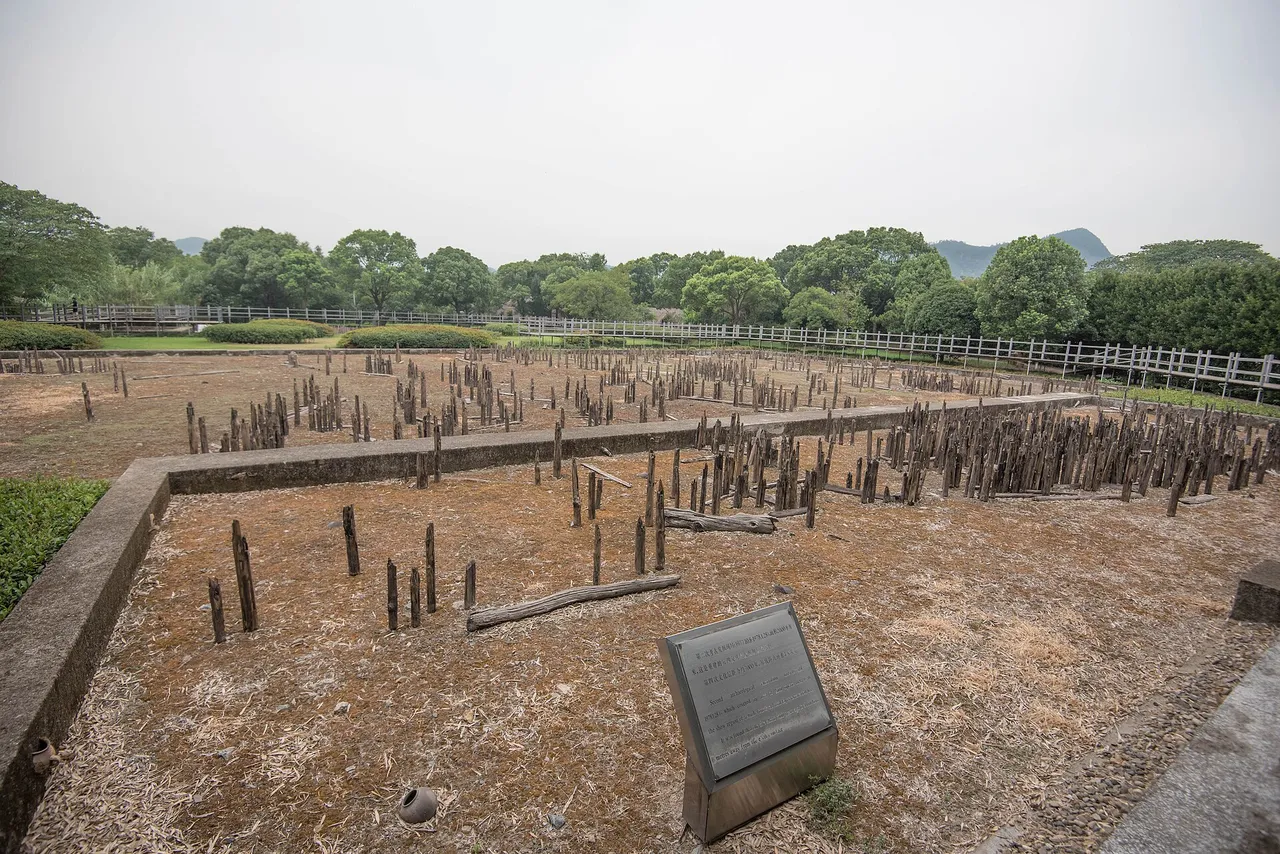
The museum has in recent years been free or very low cost, with a passport-based ticket or reservation system on busy days; the outdoor recreated village is usually included or separately minimal. Opening hours typically run from 8:30 or 9:00 to 16:30, and Mondays may see reduced hours or closures as at many Chinese museums, so verify before setting out. Exhibitions occasionally rotate and special digs are sometimes shown, changing what's on display. Treat any figure as indicative, carry your passport for entry, and check the current status with your hotel or guide the day before.
The site stands in Hemudu town, Yuyao, roughly 50 to 60 kilometers west of Ningbo — about an hour by car via the highway, or longer by public bus with a change in Yuyao. Most visitors arrive by taxi, hired car or as part of a guided day tour, since rural buses run infrequently. The museum and the outdoor village face each other across a road, so no internal transport is needed. For a self-guided loop, combine the site with Yuyao city's old streets and Wang Yangming memorial in the afternoon, returning to Ningbo by early evening; drivers can be arranged for half a day at reasonable rates.
The site is an all-weather indoor-outdoor mix, making it a reliable choice in any season: the museum hall is climate-controlled for steamy August afternoons, while the riverside village is at its most photogenic in spring green or autumn haze. Mornings are quietest — school groups descend in late morning on weekdays. After rain, the outdoor boardwalk and stilt houses take on a suitably primeval mood. If you care most about the exhibits, go on a weekday opening to have the sun-bird carving nearly to yourself; if you care about photos, aim for the soft light of early morning along the Yao River.
Excavations from the 1970s onward unearthed carbonized rice, wooden farming tools, pile-dwelling foundations, a canoe paddle and the famous ivory sun-bird carving, dating to around 5000 BC. The finds proved rice farming began in southern China far earlier than once believed.
Most visitors spend about two hours across the museum hall and the outdoor village. Enthusiasts who read the displays closely can fill half a day, especially when paired with Yuyao's old town.
Yes — the recreated stilt houses, boardwalks and large reconstructed animals give children plenty to explore, and the museum's models are vivid even without reading every panel.
It's about an hour by car west of the city in Yuyao's Hemudu town. Public buses require a change and run infrequently, so a taxi, hired car or day tour is the practical choice.
 Full day · 8–10 hours
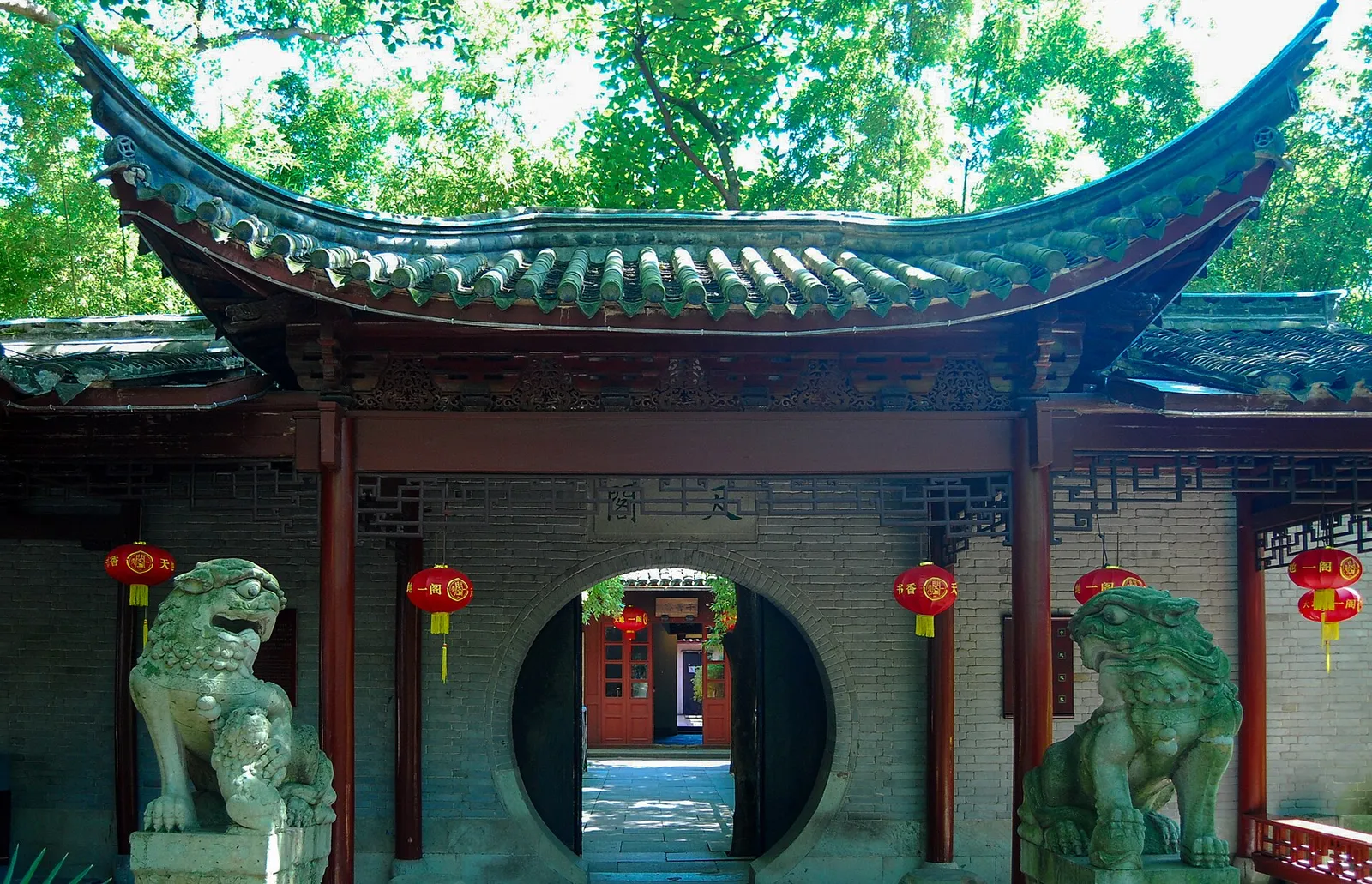
The oldest private library in Asia, a timber hall from 1013, and a riverfront opened to foreign trade in 1844
View details →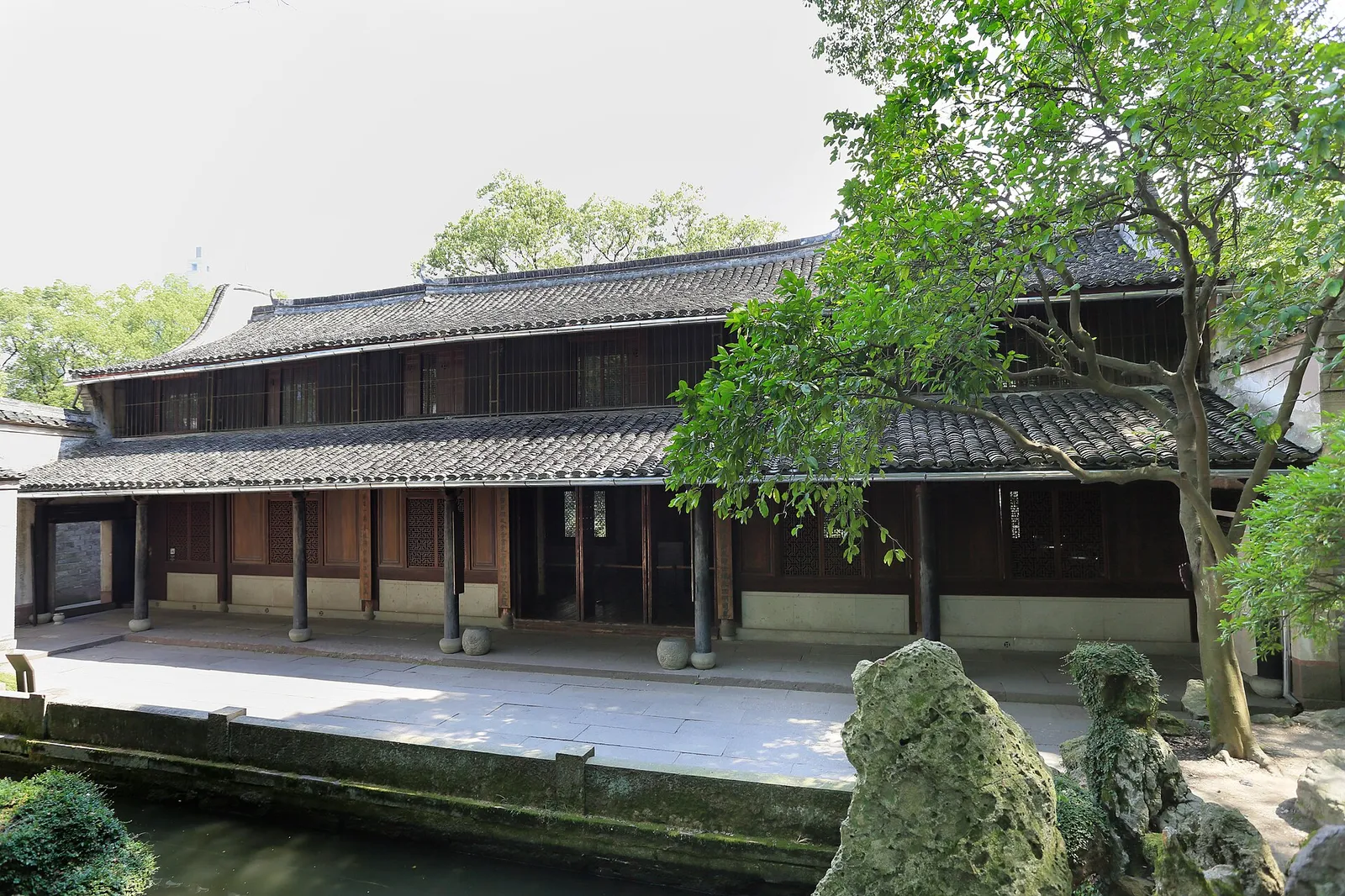 Full day · 8–10 hours
A lake three times the size of Hangzhou's West Lake, a hillside of Song statuary, then a mountain road
View details →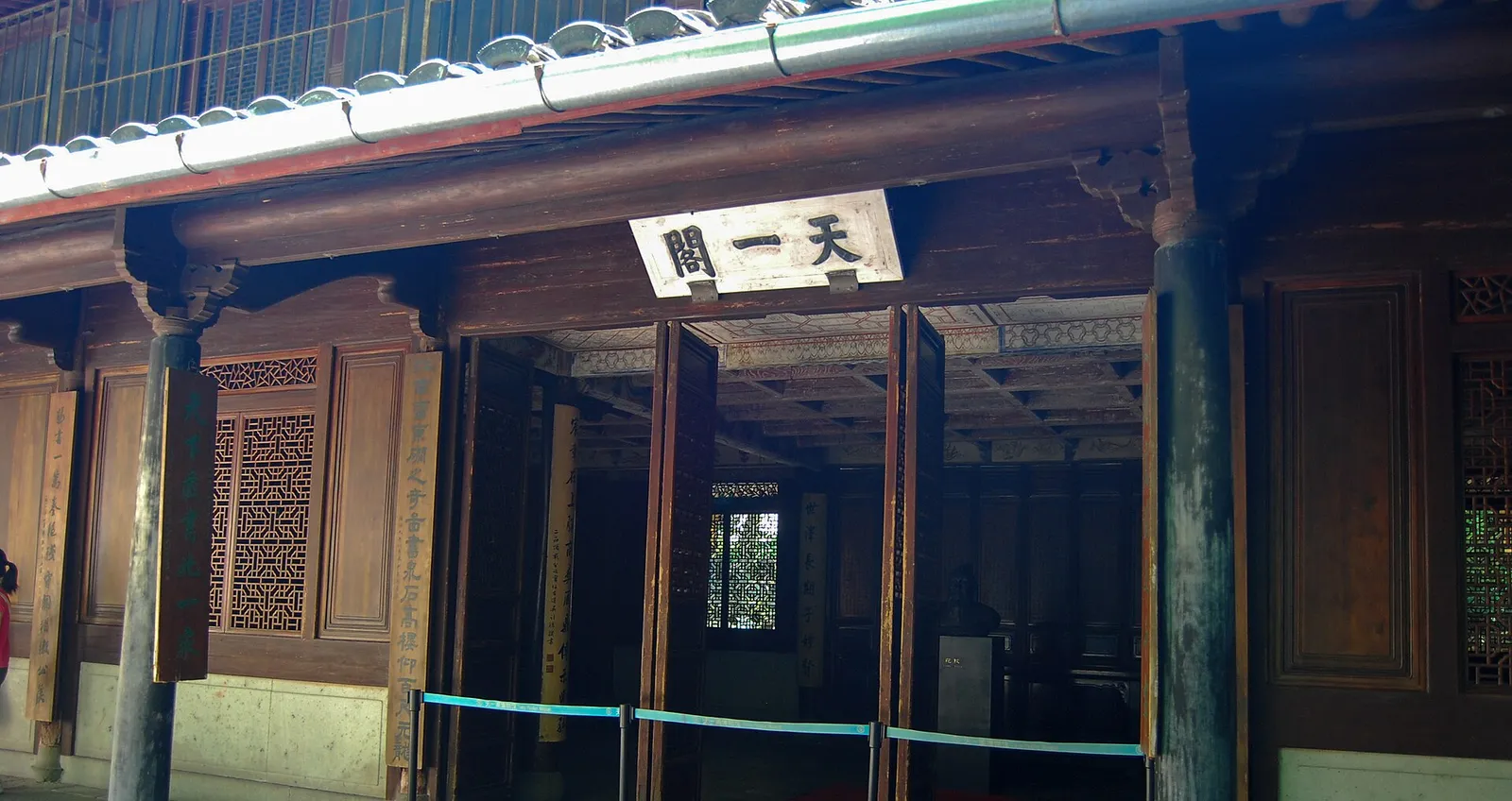 Full day · 8–10 hours
Hands-on exhibits before lunch, then four floors of indoor rides while the weather does what it likes
View details →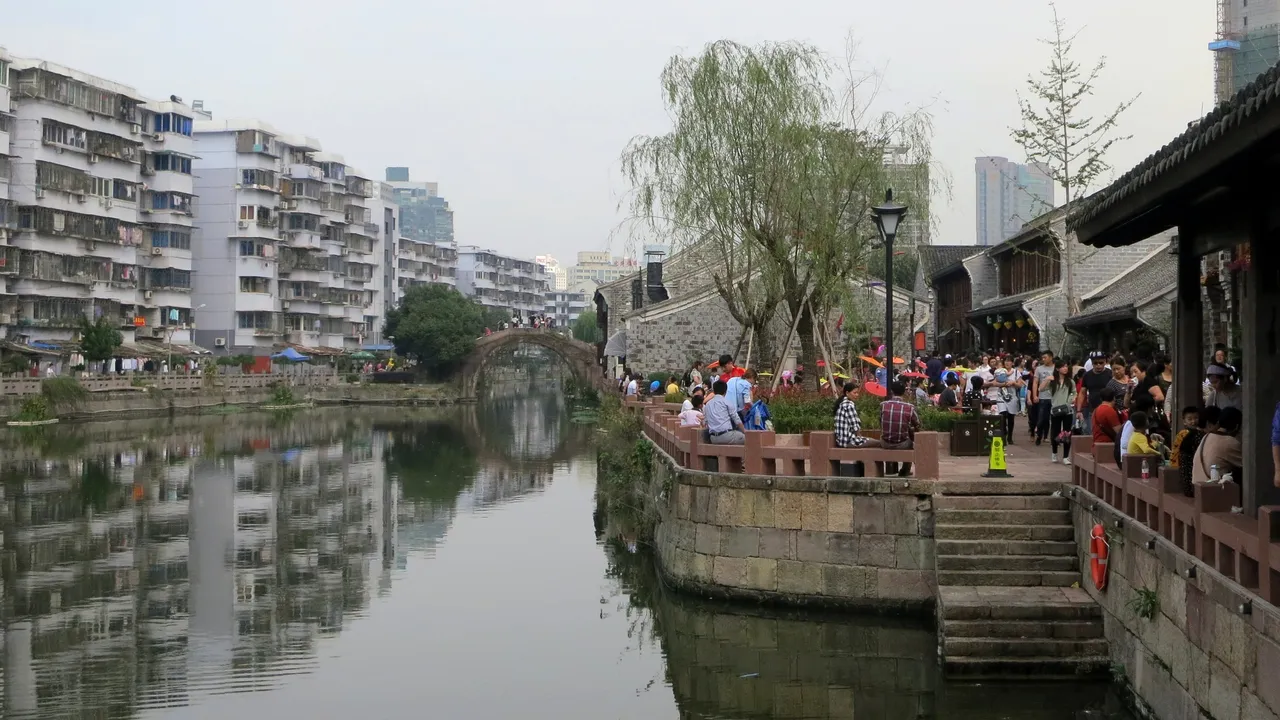 2 days · 1 night · private
Two compact days covering Ningbo's essentials. Walk Tianyi Pavilion's
View details →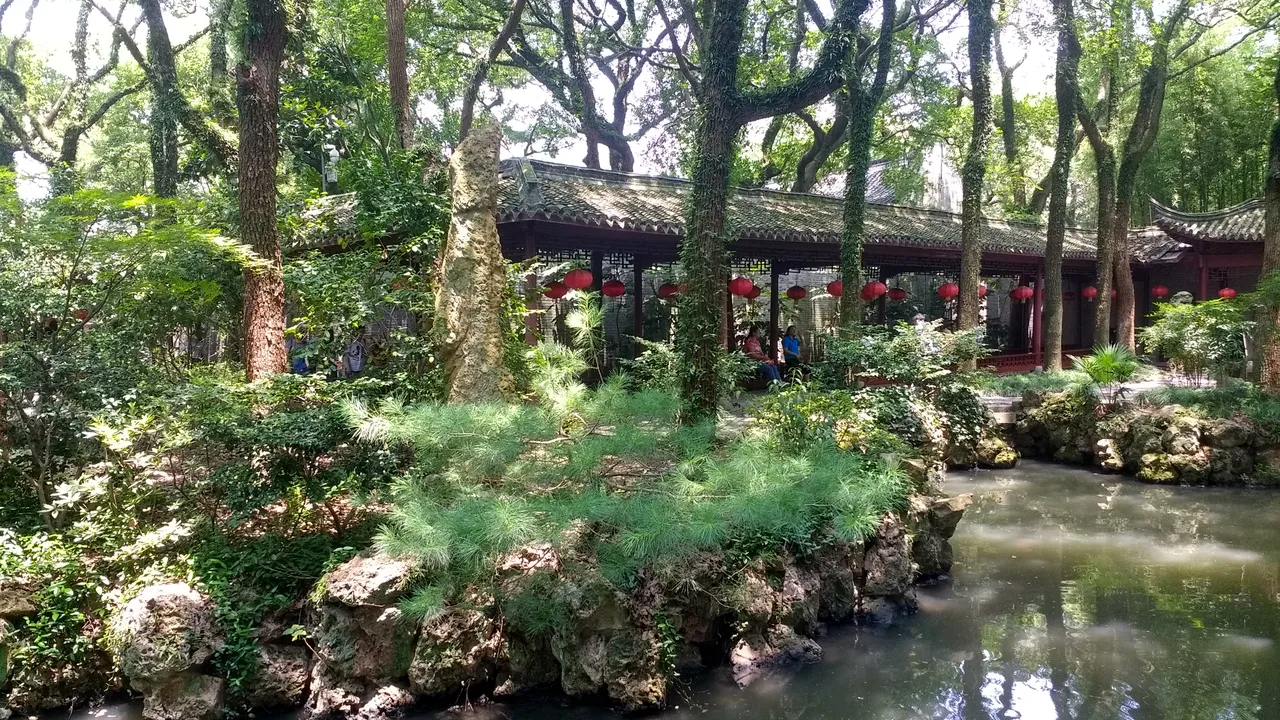 3 days · 2 nights · private
Three days covering Ningbo's full register. Read Tianyi Pavilion besid
View details →Booked a private guide for one day and he took me to Tianyi Pavilion right at 8am. We were the only two people in that garden for almost half an hour, and he explained the library's history in a way that felt like a conversation, not a lecture. Cost more than a group tour but worth it for the quiet alone.
Took our two kids (9 and 12) to the Ningbo Museum and they actually stayed interested for over an hour, which never happens. The building itself is made from bricks and tiles of torn-down old villages, and my son kept asking which house his brick came from. We spent the rest of the afternoon by Dongqian Lake, which was empty enough that the kids could run around without me worrying.
Private car & driver, day trips and multi-day routes from Ningbo. · Free consultation · reply within 12h