 TripMyChinaJOURNEYS THROUGH REAL CHINA✦ AI Trip✦ Plan My Trip
English
简体中文
繁體中文
日本語
한국어
ไทย
Tiếng Việt
Bahasa Indonesia
Italiano
Español
العربية
Русский
Deutsch
Français
Bahasa Malaysia
TripMyChinaJOURNEYS THROUGH REAL CHINA✦ AI Trip✦ Plan My TripA library built in 1561, a canal that ends at the sea, and crab season that starts with a thousand boats leaving one harbour at the same hour. Ningbo is where Jiangnan stops being a postcard and starts being a working port.
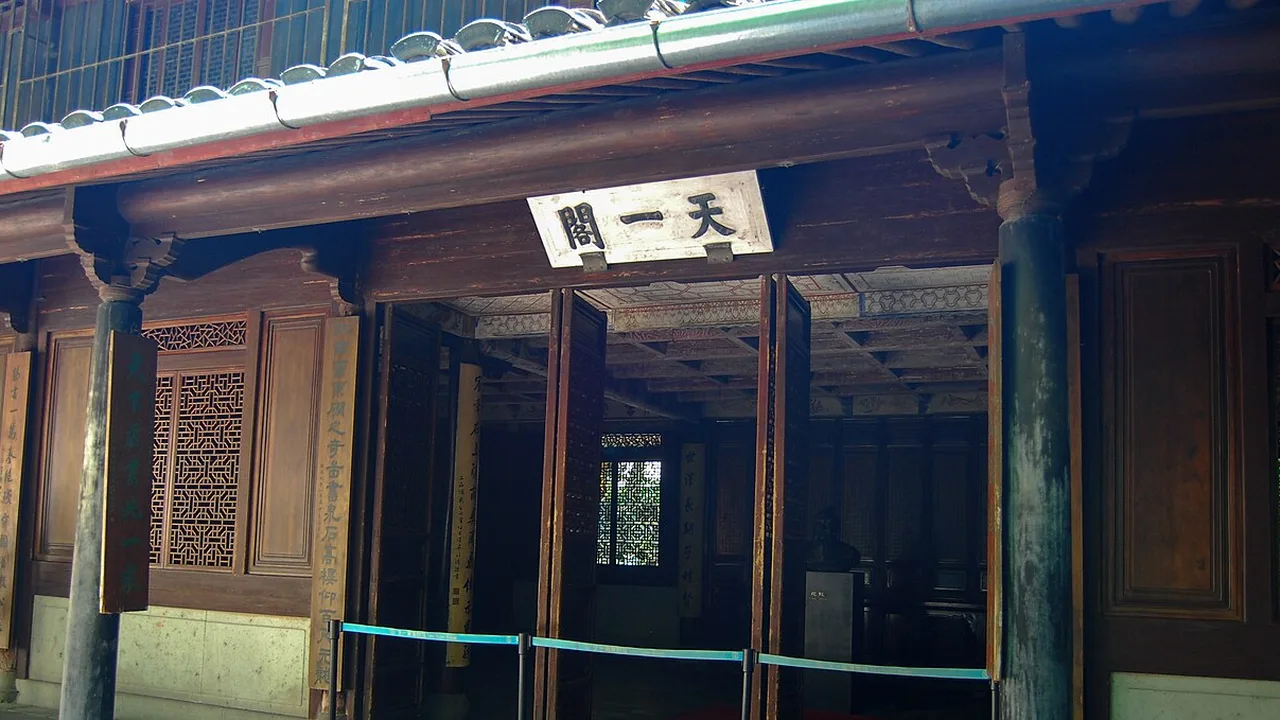
Ningbo sits on the coast of Zhejiang in eastern China, where the Yongjiang River meets the East China Sea. It is a major port city and one of the anchors of the Yangtze River Delta, with a historic core, a busy harbour district, and hill-and-coast scenery within easy reach of the centre.
Ningbo is among China's oldest trading ports, and its old city has long been shaped by merchants, scholars and seafarers. The atmosphere is practical and understated: a working port, quiet classical gardens and libraries, temples in the hills, and old towns along the waterways.
In the city, start with Tianyi Ge, the Ming-era private library, then the Ningbo Museum for regional history and architecture, and the riverside Old Bund for an evening walk. Further out, Cicheng ancient town, Hanling old street, Tiantong Temple and the Putuo-related Xiaoputuo site make good half- or full-day trips, while Shipu fishing port old town on the coast is a longer excursion.
World-class, national and global recognition earned over the decades.
The eastern Zhejiang section, inscribed in 2014, ends at Ningbo — the canal's outlet to the sea. 34.4 km of heritage river, with the Sanjiangkou confluence and the old water gauge.
On China's tentative list — Ningbo shipped celadon to Korea, Japan and the Gulf a thousand years before Shanghai existed.
The core production site of Yue celadon, also on the tentative list — "the mother of celadon".
Named China's happiest city sixteen times — more than any other.
Seven consecutive national civilised city awards.
Sun Yat-sen's line about the Ningbo merchants who founded so many of Shanghai's first industries.
The Jingtoushan site pushes the region's maritime history back 8,000 years — the earliest shell midden in coastal China.

The moments that shaped the city — and the stories its people still tell.
A shell midden 8,000 years old — the earliest evidence of coastal exploitation in China.
Rice cultivation, stilt houses and lacquerware — one of the cradles of Chinese agriculture.
The Tang moved the prefecture seat to where three rivers meet and built the inner city — the start of Ningbo as a city.
The Ming took the phrase 'the sea is settled, the waves are calm' for the name the city still uses.
The merchant guild that financed half of Shanghai's modern banks, docks and department stores.
Opened as one of the first five treaty ports under the Treaty of Nanking, a year after Shanghai.
The eastern Zhejiang section entered the World Heritage list as part of the Grand Canal.
Liang Shanbo governed Yin County and is buried at Gaoqiao; Zhu Yingtai studied disguised as a man. The story began here 1,600 years ago — China's Romeo and Juliet.
Qici, a monk at Yuelin Temple in Fenghua, carried a cloth bag and was later taken as an incarnation of Maitreya — the laughing Buddha image comes from him.
After helping Yue destroy Wu, the strategist and the beauty are said to have retired to this lake — Taogong Island still carries his name.
A dragon danced on poles by nine men, so tightly choreographed it looks like one animal — national intangible heritage.
Three paces, one city — every route built from places we actually operate.
Weather, crowds and the best months for what you want to see.
11–20°C. Ten thousand mu of peach at Fenghua in March, rapeseed at Cicheng, azalea on Jine Mountain in April, bayberry in Cixi in May. Few crowds before May.
Plum rains in June, then 28–35°C. Bamboo forest at Zhejiang East for cool air; Songlan beach for swimming. Typhoon season — watch forecasts.
The best season, and the reason is crab: the fishing port opens in September, and the maples at Siming Mountain turn in October. 15–27°C, dry.
4–8°C and damp, no central heating. Frost on Shanglianggang, hot springs at Ninghai, migratory birds at Hangzhou Bay. Cheapest rooms of the year.
Shihpu harbour sends a thousand boats out at once — the biggest seafood moment in Zhejiang.
What this city is known for — the things worth planning your day around.
The places worth building a day around.
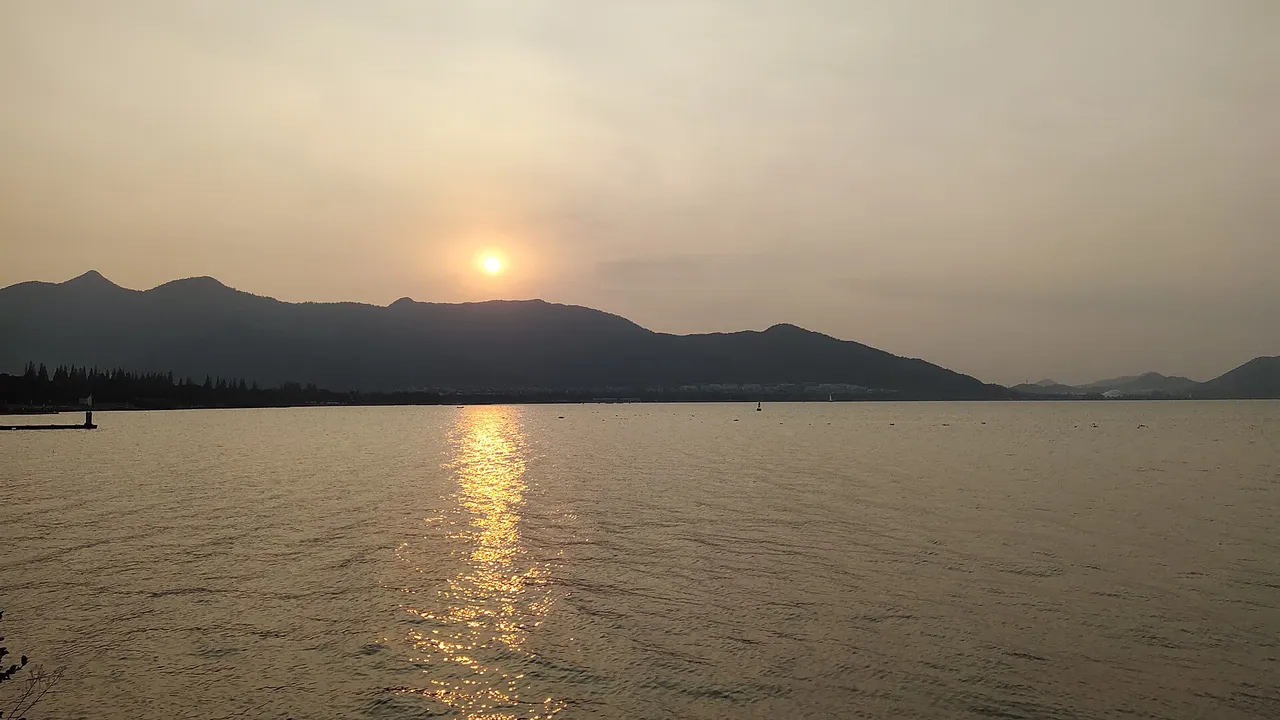
Dongqian Lake is Ningbo's favorite weekend escape: the largest natural freshwater lake in Zhejiang province, ringed by tea terraces, temples and quiet
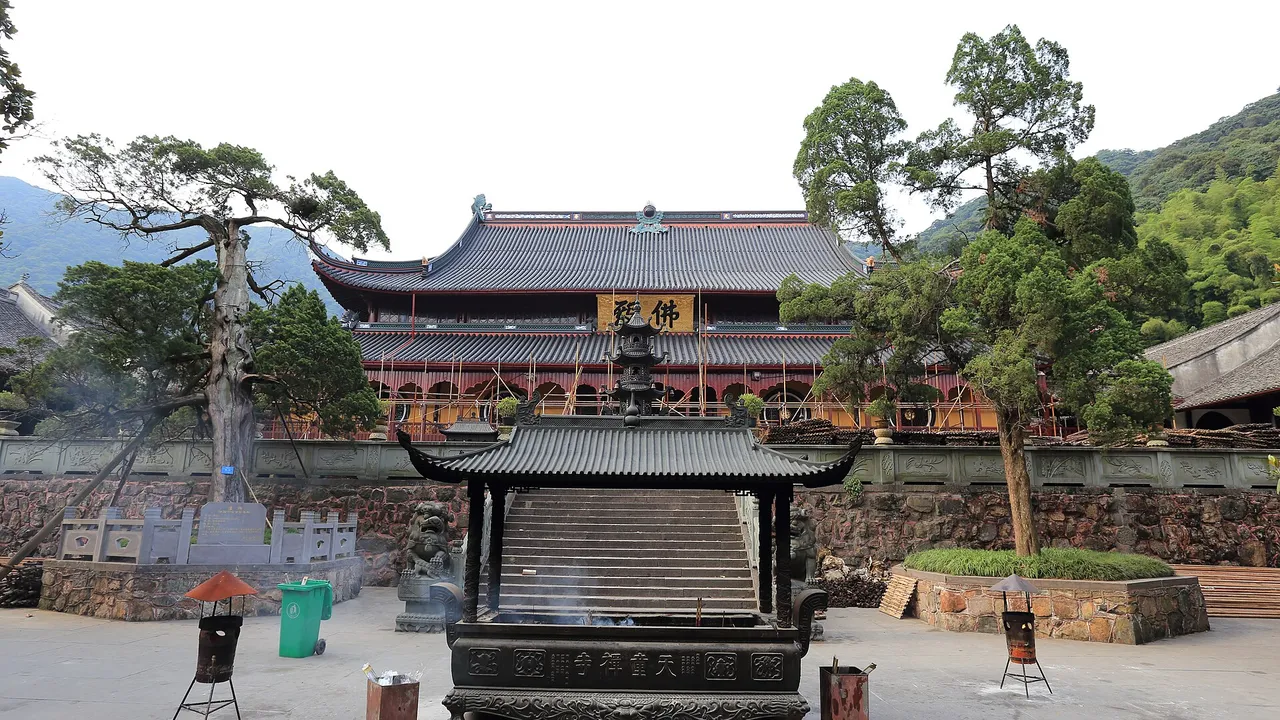
Tucked into a forested valley east of Ningbo, Tiantong Temple is one of China's great Zen monasteries, founded in the Western Jin dynasty and still a
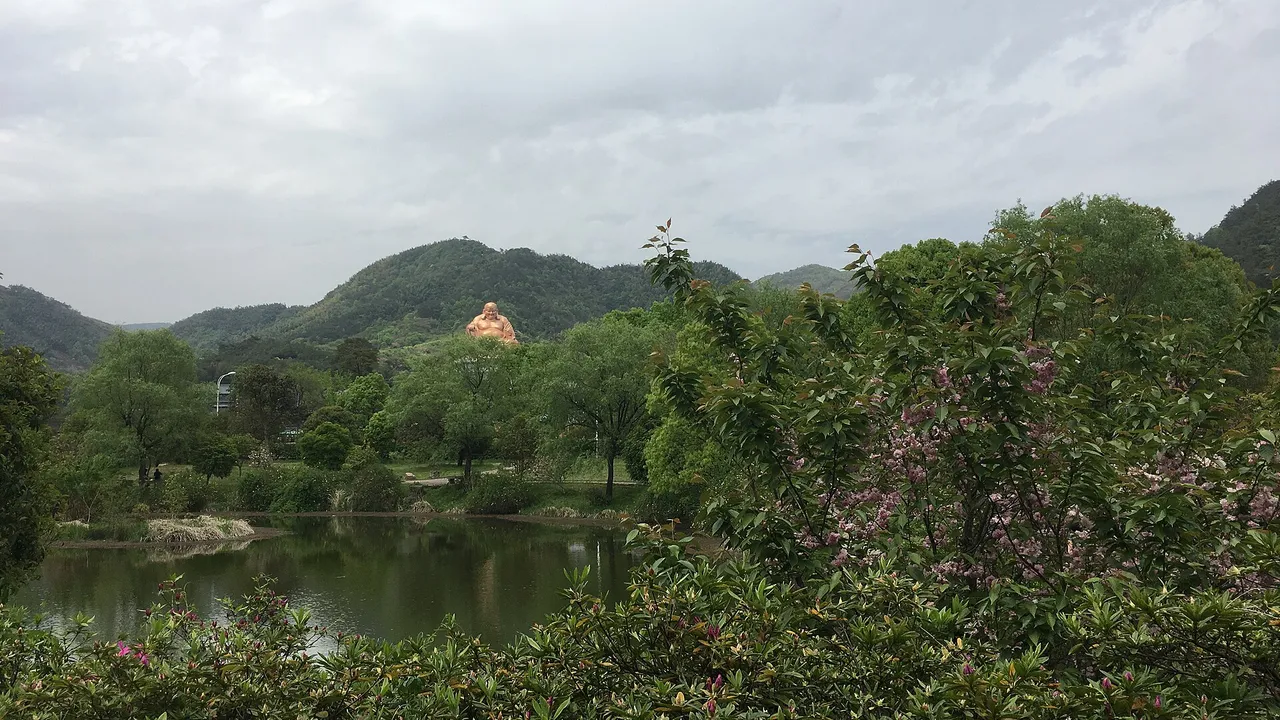
An hour and a half southwest of Ningbo, Xikou is a market town where modern Chinese history and mountain scenery collide. This was the hometown of Chi
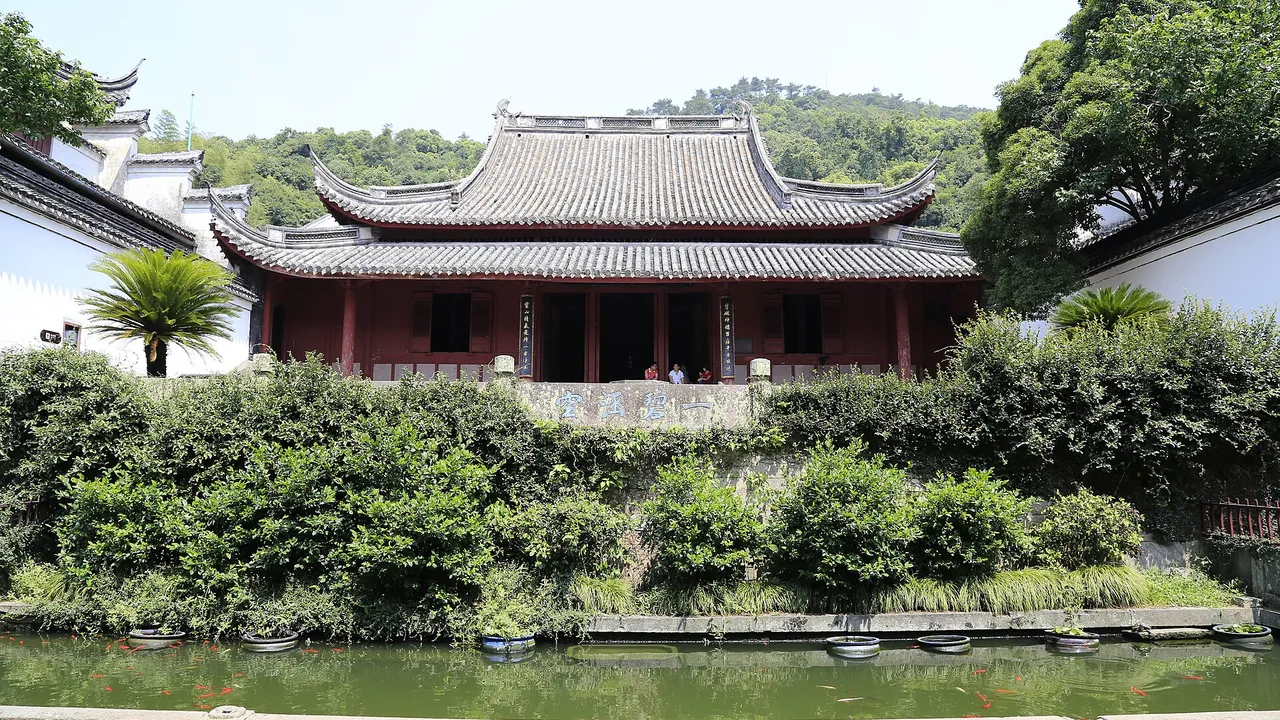
Baoguo Temple hides in the hills north of Ningbo, and it shelters one of the most extraordinary buildings in China: a wooden Buddha hall raised in the
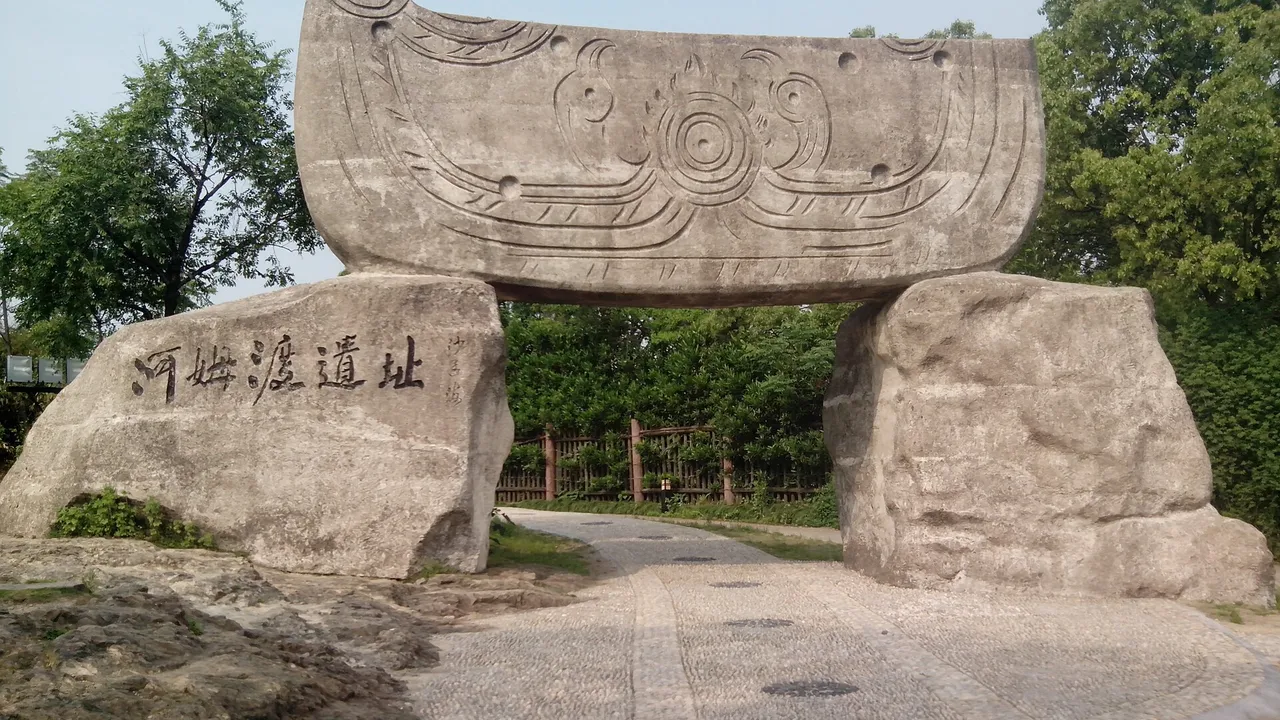
Beneath the fields of Yuyao, an hour from Ningbo, lies one of archaeology's great surprises: Hemudu, a Neolithic village where people were cultivating
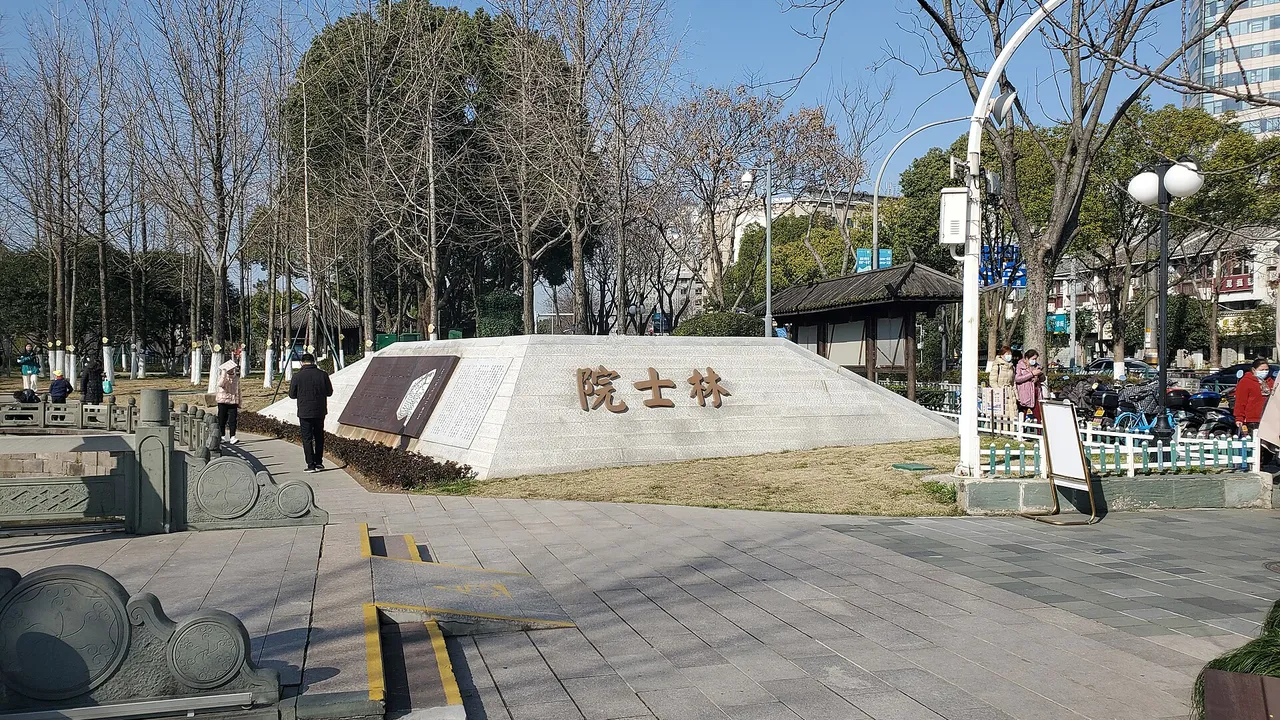
Moon Lake is Ningbo's most graceful pocket of calm: a crescent of water in the old city, ringed by pavilions, stone bridges, camphor trees and the gar
Where the whole street eats — the city's most famous food streets, each with its own guide page.
A restaurant from the Qianlong era and the benchmark for Ningbo cooking: tofu-skin croaker, eel shreds…
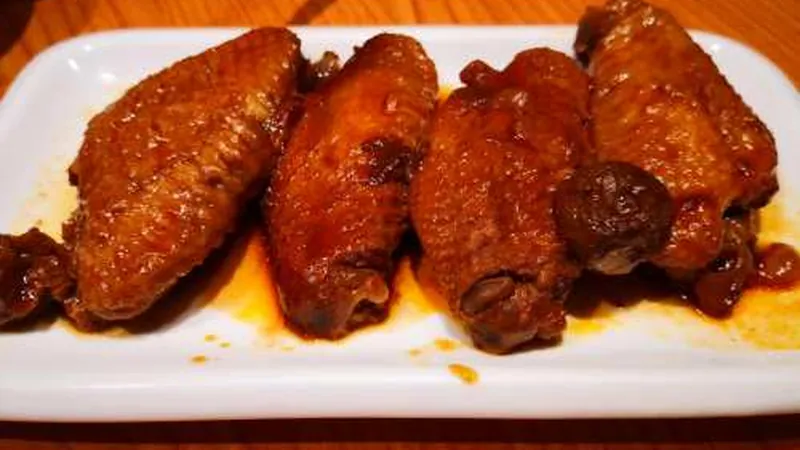
The city's most famous tangyuan shop: lard and black sesame, dusted with osmanthus. Order the seaweed rice…
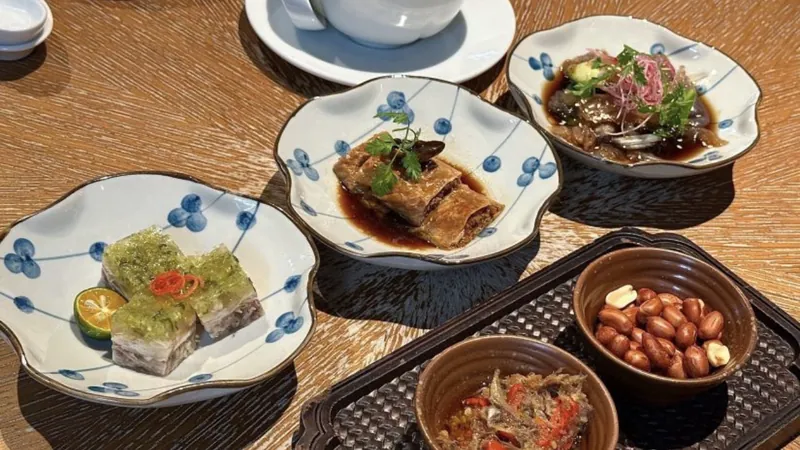
Inside the Park Hyatt on Dongqian Lake, with tables facing the water: salted crab, croaker noodles, osmanthus…
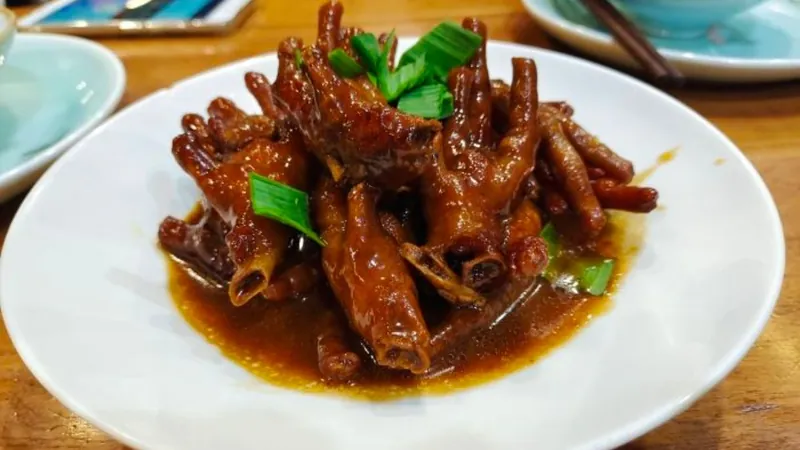
A canteen in a back lane where locals actually eat: fresh seafood, fair prices, and the razor clams in…
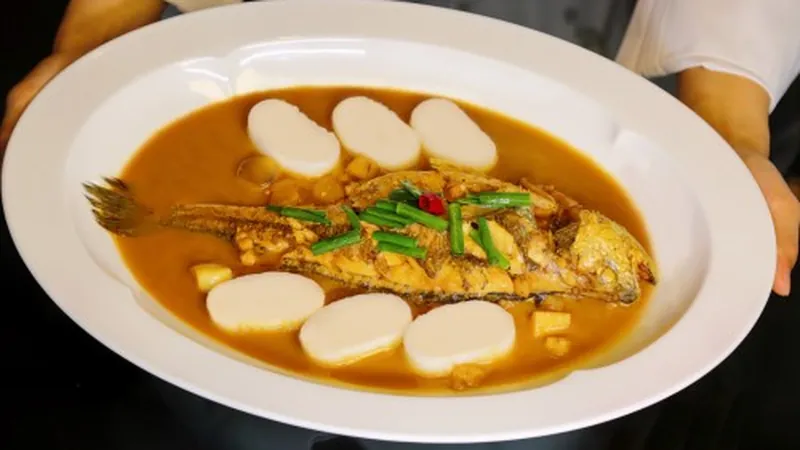
Cantonese and Ningbo cooking side by side: braised croaker with Cicheng rice cake, Shaoxing-steamed shad.
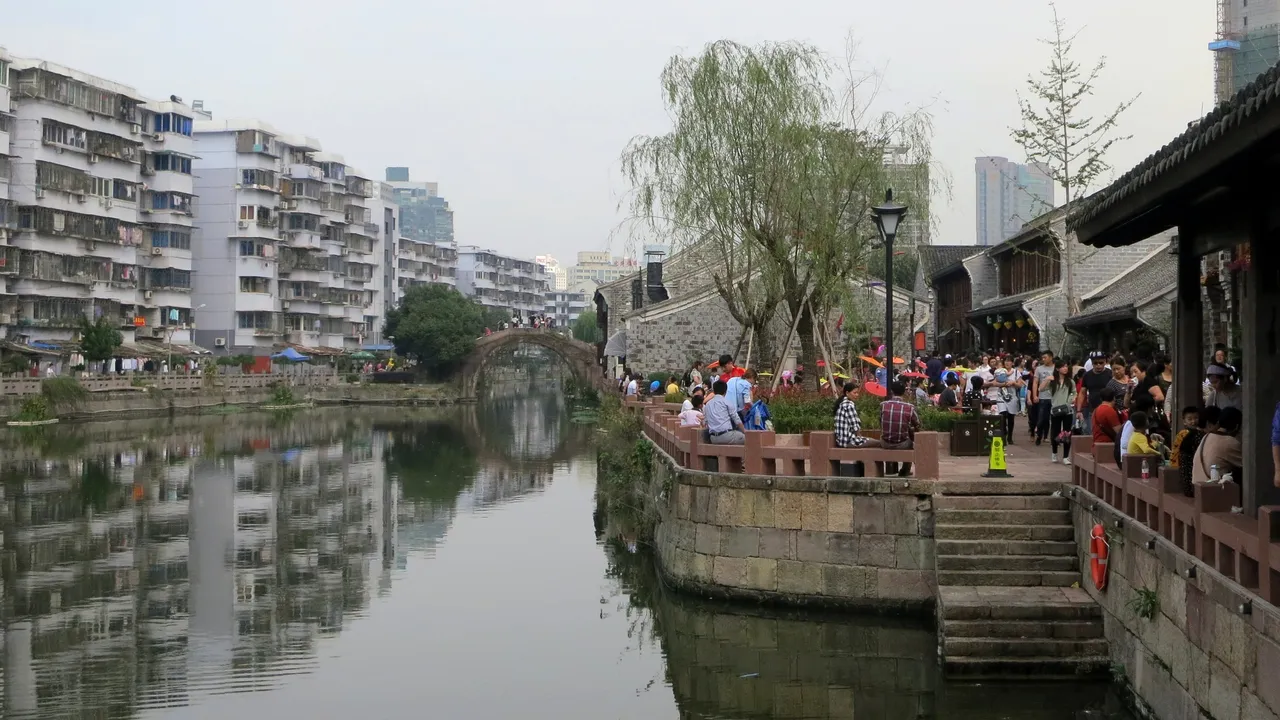
A restored canal street of Ningbo old snacks — crispy fried twists and soft rice cakes by the water.
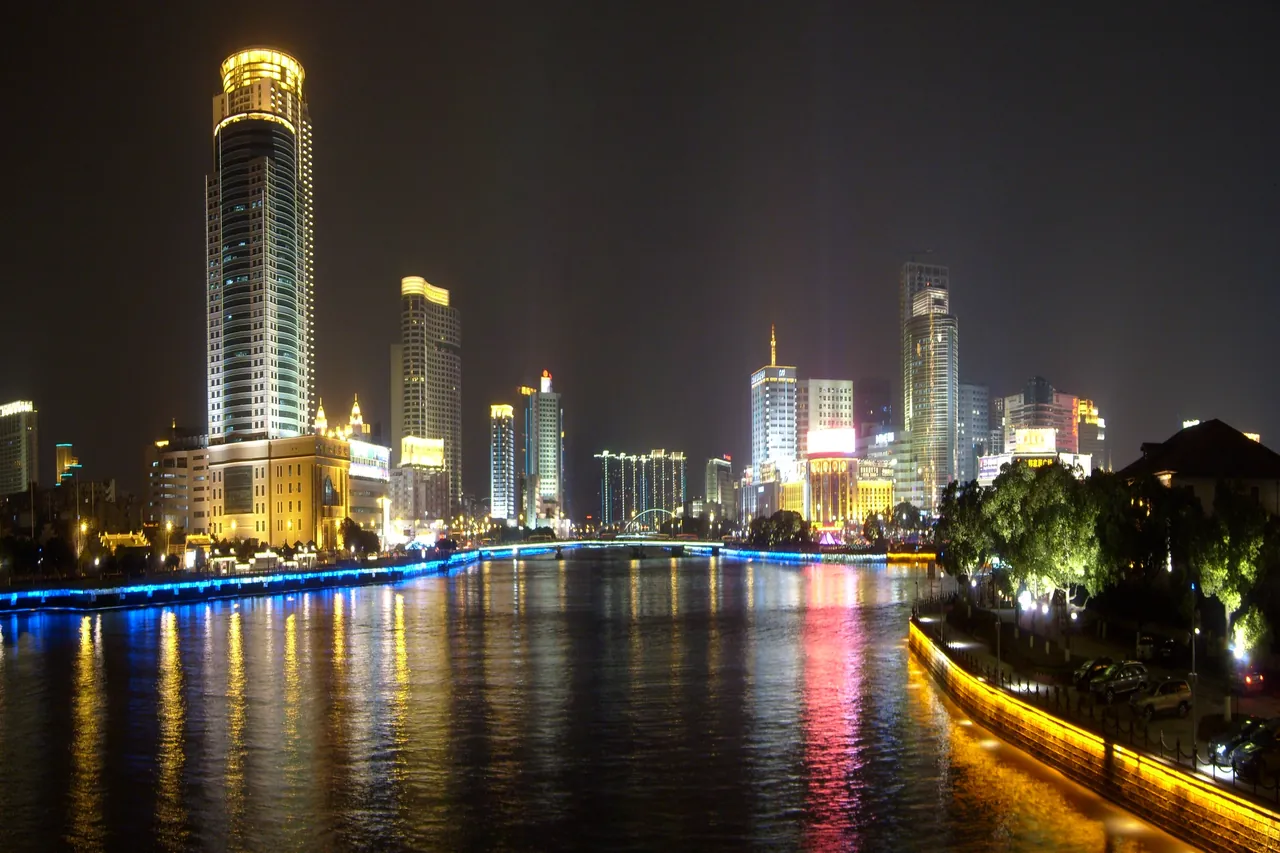
European warehouses along the Yong River, best at blue hour. The bar street starts after 21:00.
Round trip from the old bund, 118 CNY, under the lit bridges where three rivers meet.
Five hundred metres of Jiangnan lanes; north street is old-brand snacks, south street is quieter and by the water.
Where locals go — a club and restaurant complex on the river, several venues after 22:00.
The old bund is twenty years older than Shanghai's, and the river mouth still smells of salt. Evenings here are about the water first, the bars second.
Listed sites and the crafts that made this city famous.
Inscribed 2014. Ningbo is the canal's sea outlet; the Sanjiangkou confluence, the old water gauge and the Daxi dam are the inscribed points.
Ningbo was the eastern departure port — celadon from Shanglin Lake went out through here to Korea, Japan and the Gulf.
Over 100 kiln sites around the lake produced "secret colour" celadon for the Tang court.
Built in 1561 by Fan Qin, the oldest surviving private library in Asia — 300,000 volumes, and a garden designed around a water pool for fire protection.
One of China's four great folktales, originating in Yin County 1,600 years ago; the Liang Zhu Culture Park stands at the tomb.
The original celadon: glazes the colour of young bamboo, fired at Shanglin Lake since the Han dynasty.
The Fenghua tailors who made China's first Western suits — Sun Yat-sen's tunic was cut by one of them.
Red lacquer and gold leaf over deep carving — temple altars and bridal beds, still made by hand.
Horn and bone cut into wood to form pictures — a Ningbo furniture tradition going back to the Han.
Embroidery with metal thread on silk, used for theatrical costumes and temple hangings.
Senior licensed guides with 10+ years in the field and fluent English — deep on history, culture and local life.

Experienced licensed guides with clear English — solid on city highlights, food and day-to-day logistics.

Licensed guides with workable English — a good-value choice for city days, transfers and standard commentary.

Chauffeur-driven by the day, plus airport and intercity transfers.



Private chauffeur-driven vehicles, priced per vehicle not per person. Airport transfer from $45; intercity transfer from $180.
10 guides split by trip length: one-day city routes, three-day escapes and longer journeys, with stops, costs and transport in each.
Book the morning for Tianyi Pavilion, give midday to Ningbo Museum, watch three rivers m
Multi-DayFive Days in Ningbo: Reading a Port City ThicklyTwo days in town and its edge for grounding, day three at East Money Lake and Tiantong,
Real routes, real travellers — a sense of what a trip looks like.
4 days · Ningbo + Putuoshan · "The library was the reason we came — a 450-year-old private collection in a garden. We stayed two hours."
3 days · Ningbo · "Raw cured crab at a backstreet restaurant. I've thought about it since."
5 days · Zhejiang coast · "Shanglin Lake — the kiln site where our celadon came from. My mother cried at the shards."
Most travellers spend 3 days here. Add a day for a side trip if you want a slower pace.
Spring and autumn are usually the most comfortable. Check the seasonal notes above before booking.
We arrange airport/rail transfers and private drivers. Tell us your arrival point and we plan the connection.
Send an enquiry and a human expert replies within 12 hours with a draft plan and real prices. Flexible rescheduling; clear cancellation terms in your quote.
2-day private itineraries in Ningbo start from $590 per person, two travelling together. Your proposal itemises hotels, tickets, guide and car — no hidden fees.
High-speed rail from Shanghai Hongqiao in about 2 hours, from Hangzhou in 1. The airport is 11 km from the centre, metro Line 2.
Late September to November — the fishing port opens, crab is at its best, and Siming Mountain turns. Spring is second, for peach blossom in March.
Snow-vegetable yellow croaker soup, raw red-cured crab, Ningbo tangyuan, tofu-skin wrapped croaker. Skip the tourist seafood stalls and ask the price first.
Ningbo Museum is free but needs an online reservation, and closes Mondays. Tianyi Pavilion also closes Monday mornings.
Yes if you cycle or take the boat — it is three times the size of West Lake and far less crowded. Metro Line 4 reaches it.
Tianyi Square / Drum Tower for convenience and food; the old bund for river views and nightlife; Dongqian Lake for a slow day.
Yes — bus or drive to Zhujiajian then a 15-minute ferry. Allow two days if you want to see the island properly.
Limited outside hotels. Metro signage is bilingual; for seafood stalls and old streets, a translation app is essential.
Recent listed prices: Dongqian Lake 湖区免费(子景点另计); Tiantong Temple 免费; Xikou & Xuedou Mountain ¥120 起(蒋氏故居;雪窦山¥120-150 含景交;另有优惠联票可选); Baoguo Temple 约 20 元; Hemudu Site 免费. Ticket prices change seasonally — we confirm them in your quote.