 TripMyChinaJOURNEYS THROUGH REAL CHINA✦ AI Trip✦ Plan My Trip
English
简体中文
繁體中文
日本語
한국어
ไทย
Tiếng Việt
Bahasa Indonesia
Italiano
Español
العربية
Русский
Deutsch
Français
Bahasa Malaysia
TripMyChinaJOURNEYS THROUGH REAL CHINA✦ AI Trip✦ Plan My TripNingbo · Attractions
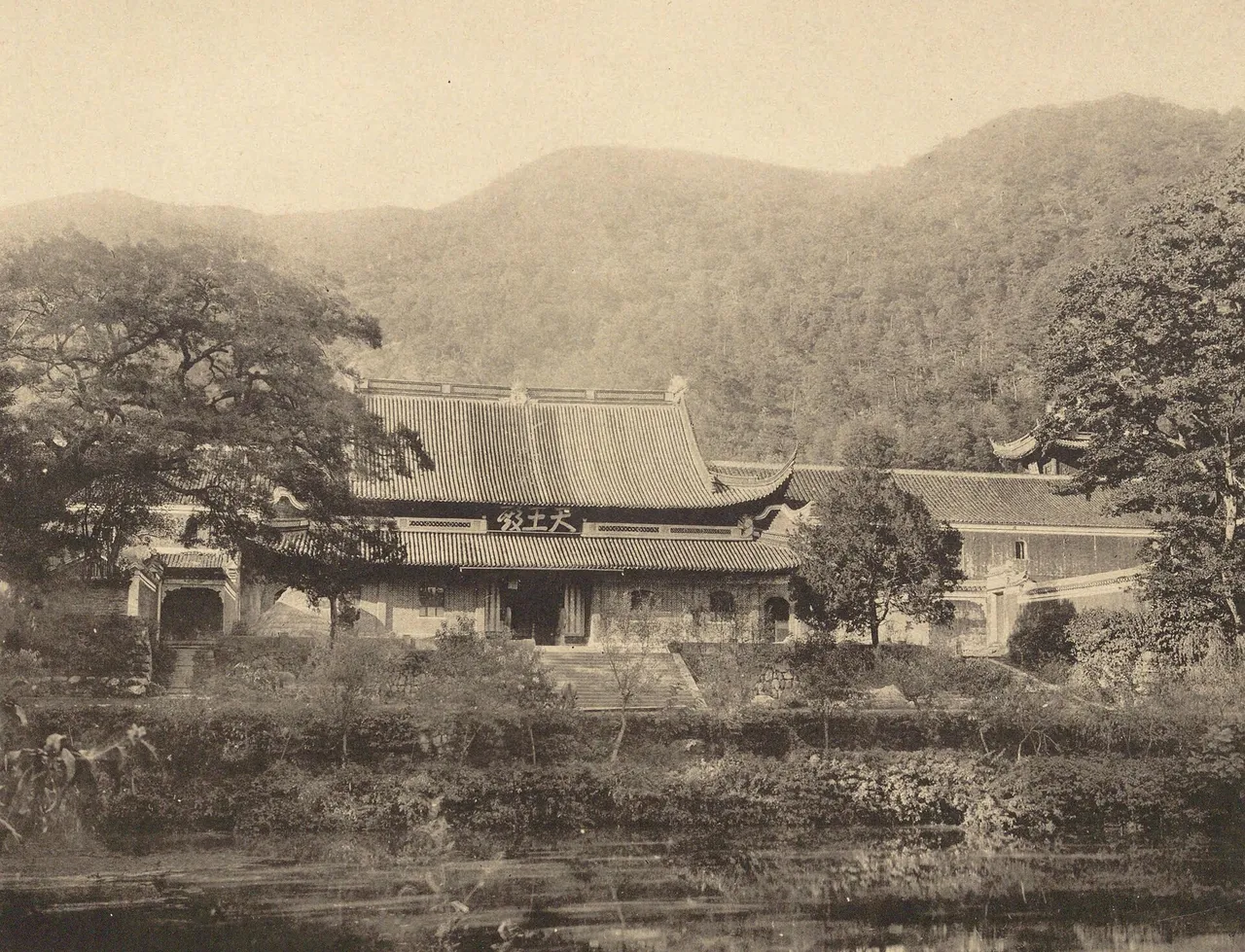
Tucked into a forested valley east of Ningbo, Tiantong Temple is one of China's great Zen monasteries, founded in the Western Jin dynasty and still a working center of Chan Buddhism. A stone path lined with ancient pines climbs past reflecting pools through a sequence of grand courtyards to halls wreathed in incense. For travelers, the appeal is twofold: architecture and ritual little changed by centuries, and the mountain air of Tiantong National Forest Park that wraps the whole complex in green. It pairs naturally with nearby Yuwang Temple or a Dongqian Lake morning.
Founded around the year 300, Tiantong rose to prominence in the Song dynasty as one of the five great Chan mountains, and its abbots taught generations of monks who carried Zen east. The Japanese monk Dogen studied here in the thirteenth century before founding the Soto school in Japan, and the monastery remains a place of living pilgrimage between the two countries. Rebuilt many times after fires, the present halls are largely Ming and Qing structures arranged on a rising axis that is considered a masterpiece of monastic planning.
The approach is half the experience. From the gate, a pilgrimage path leads under ancient pines — the celebrated 'deep path of pines' praised by poets — past ponds and memorial arches before the first courtyard opens. Inside, monks chant at dawn and dusk, and the kitchen still cooks vegetarian temple food for visitors on some days. Allow two to three hours, wear modest clothing, and keep voices low: this is first a monastery and only second a sight.
Admission to Tiantong Temple is inexpensive — a low single-digit tens-of-yuan ticket in recent years — while the surrounding forest park may charge a small separate fee for longer trails. Hours generally run from early morning until about 16:30 or 17:00, with the most atmospheric time being morning chanting before the day-trip crowds arrive. Vegetarian meals in the temple refectory are offered on certain days at a symbolic price. Exact fares and meal days change, so confirm on site or ask your guide to check that morning; bring cash or a linked payment app for the ticket window.
Tiantong Temple sits about 25 kilometers east of downtown Ningbo in Yinzhou District. Public bus routes from the city's eastern terminals take roughly an hour; a taxi or ride-hailing car costs more but completes the trip in 40 minutes and can wait or be rebooked for the return. The temple lies at the foot of the forest park, and the pine path from the parking area to the first gate takes 20 to 30 unhurried minutes. Most visitors devote a half day; combining the temple with Dongqian Lake to the southwest or with Ayuwang (King Ashoka) Temple, which holds a celebrated Buddhist relic, makes an efficient day loop by car.
Spring brings camphor freshness and mountain mist to the pine path, while late autumn gilds the ginkgo trees in the courtyards — both are superb. Summer is green and shady though humid, and winter offers profound quiet with frost on the temple roofs. Aim to arrive before 9:00: the morning chanting, thin incense smoke and empty courtyards are the experience that postcards cannot capture, and tour groups from Ningbo begin arriving by mid-morning. Weekdays are noticeably calmer than weekends year-round, and the first sunny day after rain gives the valley its clearest, most photogenic air.
It was founded around the year 300 in the Western Jin dynasty, making it over 1,700 years old. The present halls are largely Ming and Qing rebuildings, arranged along a classic rising axis through the valley.
The Japanese monk Dogen studied here in the thirteenth century and later founded the Soto school of Zen in Japan. The temple remains a place of active pilgrimage for Japanese Buddhists and visitors.
Two to three hours covers the pine path and the main courtyards at a contemplative pace. Adding a forest-park trail or a second temple nearby turns it into a full-day outing.
On certain days the temple refectory serves simple vegetarian meals to visitors at a symbolic price. Availability varies with the monastic schedule, so confirm at the entrance on the day.
 Full day · 8–10 hours
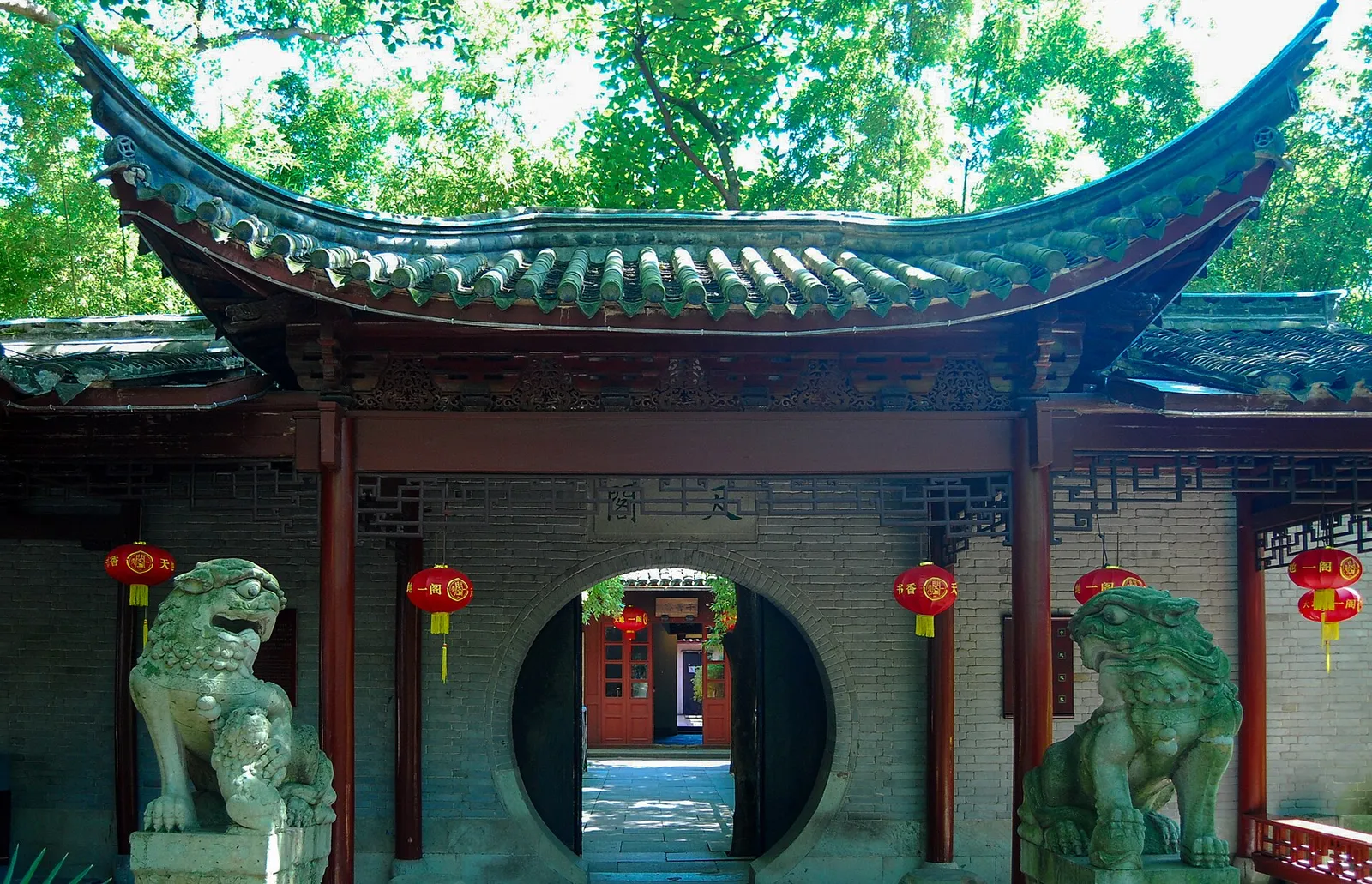
The oldest private library in Asia, a timber hall from 1013, and a riverfront opened to foreign trade in 1844
View details →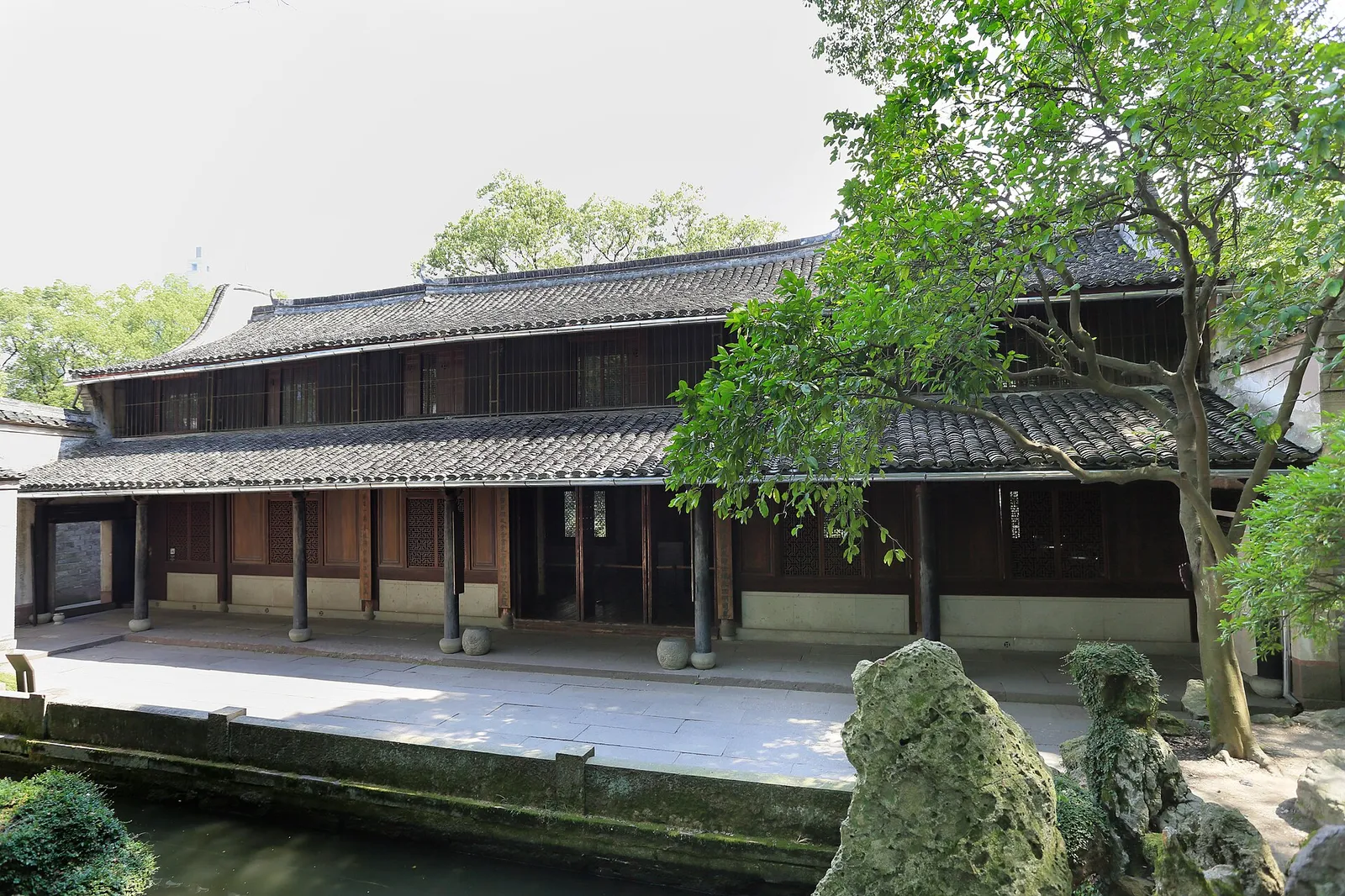 Full day · 8–10 hours
A lake three times the size of Hangzhou's West Lake, a hillside of Song statuary, then a mountain road
View details →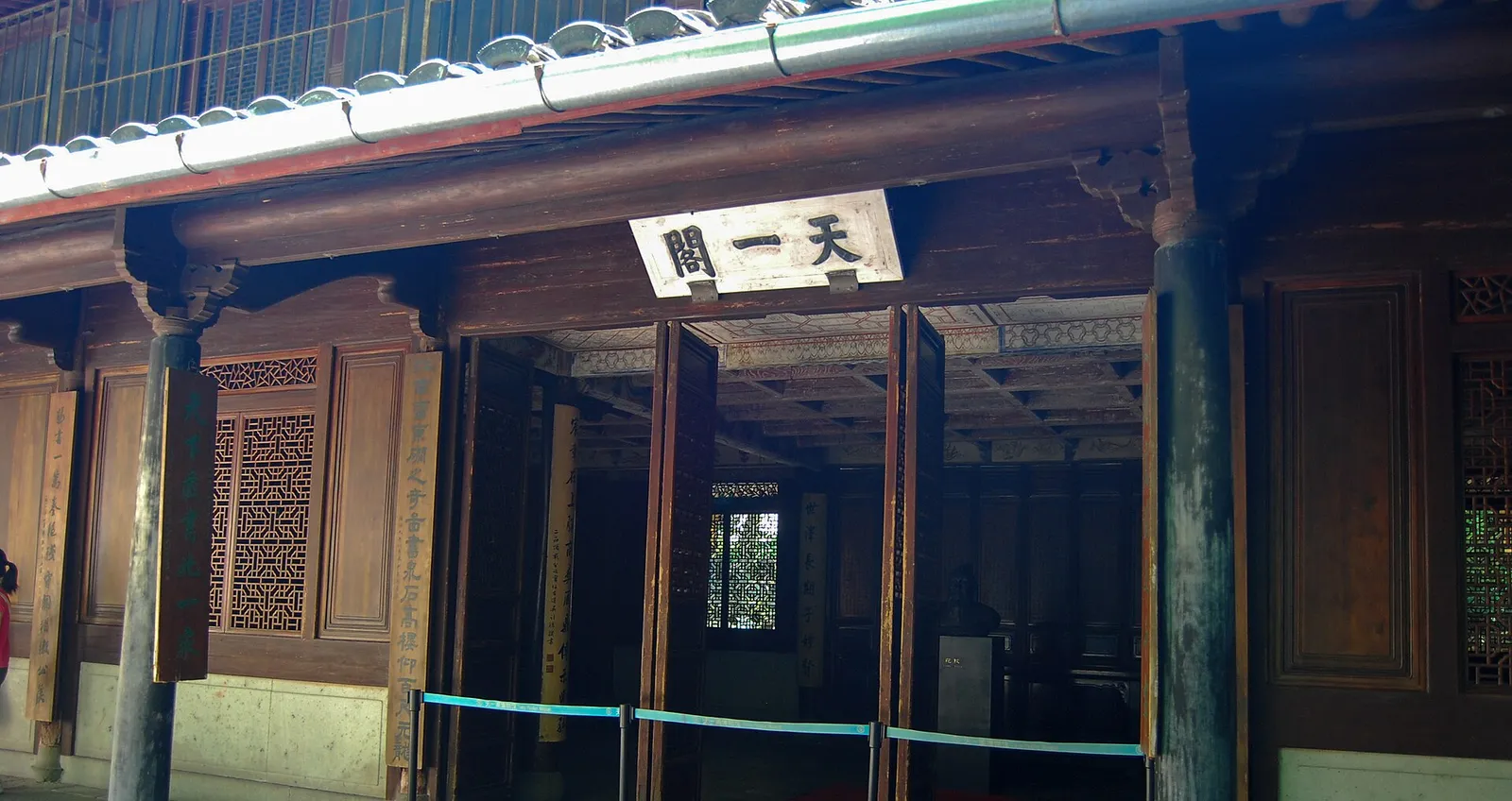 Full day · 8–10 hours
Hands-on exhibits before lunch, then four floors of indoor rides while the weather does what it likes
View details → 2 days · 1 night · private
Two compact days covering Ningbo's essentials. Walk Tianyi Pavilion's
View details →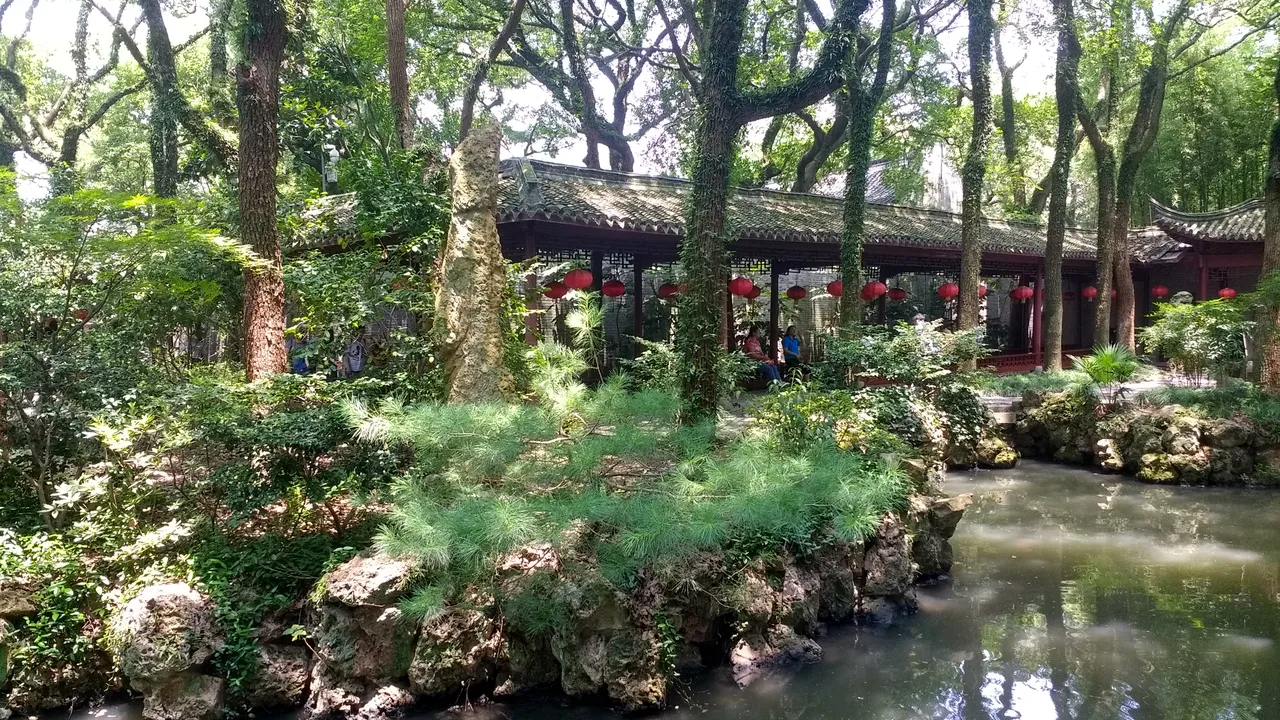 3 days · 2 nights · private
Three days covering Ningbo's full register. Read Tianyi Pavilion besid
View details →Booked a private guide for one day and he took me to Tianyi Pavilion right at 8am. We were the only two people in that garden for almost half an hour, and he explained the library's history in a way that felt like a conversation, not a lecture. Cost more than a group tour but worth it for the quiet alone.
Took our two kids (9 and 12) to the Ningbo Museum and they actually stayed interested for over an hour, which never happens. The building itself is made from bricks and tiles of torn-down old villages, and my son kept asking which house his brick came from. We spent the rest of the afternoon by Dongqian Lake, which was empty enough that the kids could run around without me worrying.
Private car & driver, day trips and multi-day routes from Ningbo. · Free consultation · reply within 12h