
One day in Ningbo comes down to two words: books and water. Tianyi Pavilion owns the morning, a private library over four and a half centuries old and the oldest surviving of its kind in Asia, at its best in slanting early light among camphor trees and rockeries. Midday shifts to Ningbo Museum for Wang Shu's tiled facades and the great wedding sedan.
Evenings go to Three River Port, where the Yong, Yuyao and Fenghua rivers meet before the Old Bund, the waterfront opened to trade in 1844 and now a district of cafes and an old church. Dinner lands at the Drum Tower lanes against the Tang city wall, where fried dough twists and glutinous rice balls smell out the street. Metro plus walking covers it all, about fifteen thousand steps.
Itinerary at a glance
| 09:00 | Tianyi Pavilion and Moon Lake: The 450-Year Study First |
| 13:30 | Ningbo Museum: Scrap-Tile Walls and the Great Sedan |
| 16:00 | The Old Bund and Three River Port: A Waterfront of 1844 |
| 18:30 | Drum Tower Lanes and Dinner: Glutinous Rice Balls by a Tang Wall |
The route, stop by stop
Tianyi Pavilion and Moon Lake: The 450-Year Study First
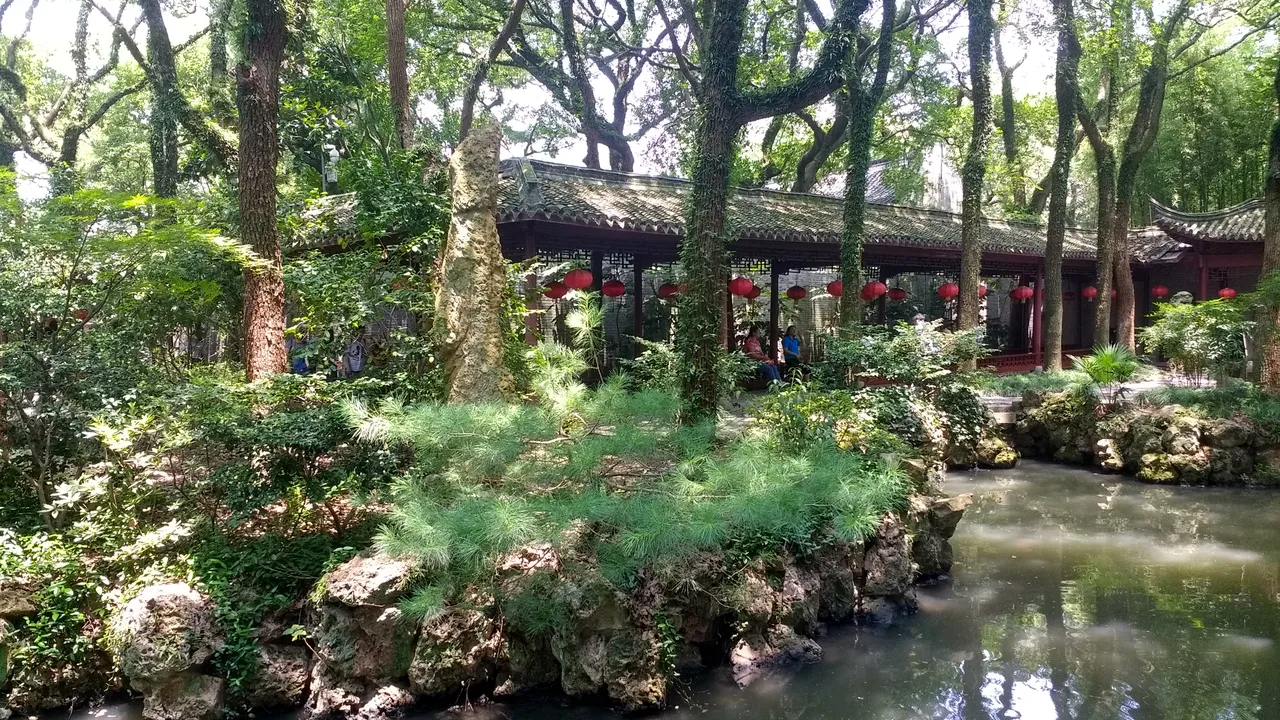
Tianyi Pavilion was the private library of Fan Qin, a Ming vice-minister of war, built on the principle that water conquers fire. Head to Baoshu Lou first, where the dark wooden cabinets hold the original collections; the Lanting stele carvings and rockery in the courtyard are Qing-era work. The Qin ancestral hall east of the pavilion deserves ten extra minutes, its gilded opera stage the peak of Ningbo's gilded woodwork.
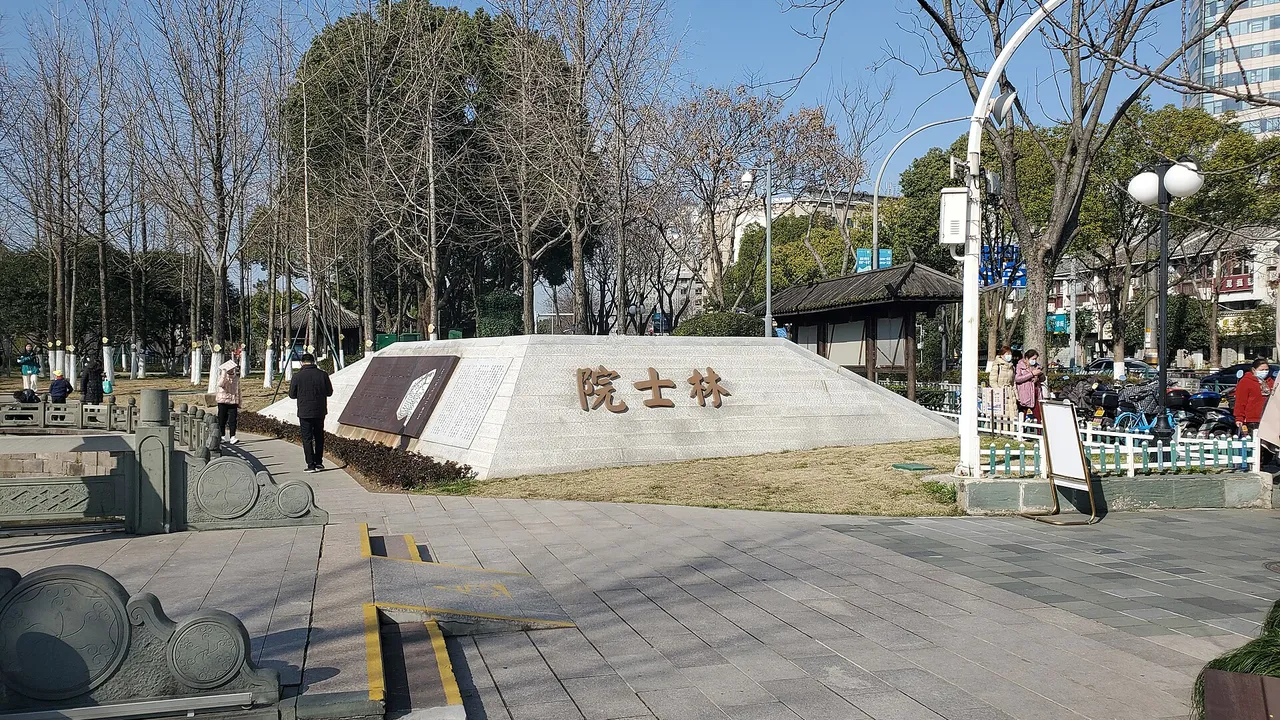
A quiet easter egg sits in the southeast corner: the Mahjong Origin Museum, since mahjong took shape through Ningbo native Chen Yumen, with old tile sets from many countries on display. Afterward walk Moon Lake next door, where the willow causeway photographs best, and the Koryo embassy site on the shore records Song-era ties with Korea. The whole stop takes about two hours.
Ningbo Museum: Scrap-Tile Walls and the Great Sedan
Ningbo Museum is itself the exhibit: architect Wang Shu built its walls from bricks and tiles salvaged from demolished old town blocks, each mottled surface made of real Ningbo houses. The building collected major prizes before his Pritzker and served as a filming location for the Three-Body adaptations; architecture fans should walk half the exterior.
The must-see sits on the third floor: the Wan Gong sedan, a wedding sedan of ten thousand work-hours in red lacquer and gold leaf, tiered with curtains, the physical summit of the famous dowry custom. The celadon galleries trace Ningbo's role as a departure port on the maritime silk road, with a Tang lotus-leaf tea bowl worth a close look. Two hours covers the main floors.
The Old Bund and Three River Port: A Waterfront of 1844
A twenty-minute ride from the museum brings you to the Old Bund, opened to trade twenty years before Shanghai's, the frontline of Ningbo's modern history. The Gothic spire of the Jiangbei Catholic church anchors the block, and the former consulates and trading houses around it now hold cafes and boutiques. Walk the riverside promenade ten minutes south to Three River Port, where the three rivers merge into the Yong.
Evening light slants off the water, and before the office towers across the river light up, you get the best frame of church and harbor together. The Qing'an Guild Hall nearby, a Tianhou temple, marks the junction of the Grand Canal and the sea route, its maritime folklore gallery worth a passing look.
Drum Tower Lanes and Dinner: Glutinous Rice Balls by a Tang Wall
From the Bund, cross the river by taxi or a twenty-minute walk to the Drum Tower, raised on the south gate of the Tang-era walled city. The retro lane below is called Gulou Yan, and locals treat it as the classic stroll. Dinner solves itself on the street: lard-filled rice balls, fried dough twists, rice cakes braised with greens, each shop more fragrant than the last.
The veteran house Gangyagou keeps an outlet nearby, where a bowl of lard rice balls with fermented rice wine starts your Ningbo sweet tooth right. After dinner, climb the tower's free platform for a night view, the streetlamps below linking to Three River Port in the distance, closing the day's loop of books and water.
| Getting around |
|
| Budget | Tickets total about RMB 50 pp (Tianyi Pavilion at RMB 30) plus meals around RMB 100-180 pp; local transport adds RMB 30-60. |
| Best time | Mar-May and Oct-Nov are kindest; weekend museum crowds swell, so enter Tianyi Pavilion right at the 9 am opening. |
FAQs
Which station works best for a one-day Ningbo trip?
High-speed rail to Ningbo station is the smoothest choice, sitting just south of downtown with two metro stops to the Tianyi Pavilion area, and the return departs from the same place. From the airport, Lishe connects to downtown by line 2 in about half an hour; store bags at your hotel first rather than dragging them through the gardens.
Do Tianyi Pavilion and Ningbo Museum need reservations?
Tianyi Pavilion admits with tickets, worth buying online ahead for peak days; Ningbo Museum is free but requires real-name booking, and weekend slots often fill a day or two ahead. Neither opens on Mondays except holidays, so keep Mondays for outdoor spots like South Pond old street or East Money Lake.
Is this route manageable with seniors or kids?
The strain is light: Tianyi Pavilion's stone paths are flat with only occasional thresholds and rockery steps, the museum offers elevators and wheelchair loans, and the Bund and tower lanes are level throughout. Bring seniors a light layer for the riverside wind, and rest an hour indoors at midday before resuming, far kinder than grinding through.
Which seasons suit this route best?
Year-round works, but Mar-May and Oct-Nov are best: the camphor and osmanthus trees around Moon Lake and the pavilion peak in these windows, and the riverside is neither scorching nor bitter. In summer, stretch the museum hour over midday heat and push outdoors to early and late; in winter, trim the Bund stop to photos and move dinner indoors early.