
Ningbo's heritage density is badly underrated: Asia's oldest book pavilion, a Northern Song timber hall, two thousand-year monasteries and a complete ancient county town, all within an hour's drive of downtown. Three days give each category its full time, ancient things by daylight, old-town dinners at night, no backtracking.
Day one stays in town, linking the pavilion, Moon Lake, the museum and the Old Bund into a loop of books and harbor. Day two heads north to Cicheng and Baoguo, themed on ancient governance and timber craft. Day three runs east through King Asoka and Tiantong for Chan Buddhism, closing at East Money Lake. Moderate exertion all three days, ideal for a first deep visit.
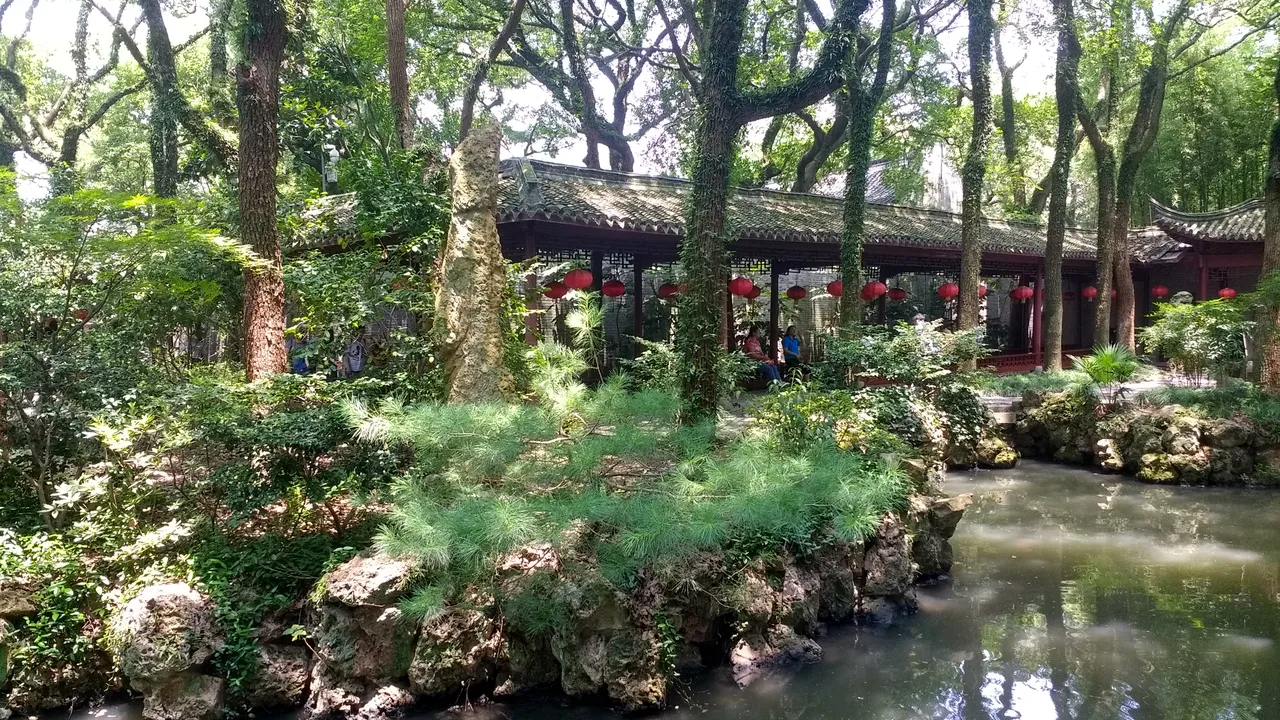
Itinerary at a glance
| 第1天 09:00 | Tianyi Pavilion: Asia's Oldest Private Library |
| 第1天 13:00 | Ningbo Museum: Local History in Scrap Tile |
| 第1天 17:00 | The Old Bund at Night: Modern History in the Lights |
| 第2天 09:00 | Cicheng Ancient County: Temple, Yamen and Rice Cakes |
| 第2天 14:00 | Baoguo Temple: The Song Hall and Architecture Museum |
| 第2天 17:00 | South Pond Old Street: A Street-Supper Evening |
| 第3天 09:00 | King Asoka Temple: Relics and Morning Bells |
| 第3天 11:30 | Tiantong Temple: A Chan Patriarch's Mountain Seat |
| 第3天 15:30 | East Money Lake and Hanling Old Street: A Lake-and-Hill Finale |
The route, stop by stop
Tianyi Pavilion: Asia's Oldest Private Library
Open the three days at Tianyi Pavilion, quietest at dawn, where the book pavilion in camphor shade best conveys the weight of the word hidden. The legends of Fan Qin's founding, the fire-fighting water logic of the layout, and the family rule that books never left the house move more than the architecture itself.
Three things to see: the original cabinets at Baoshu Lou, the gilded stage of the Qin ancestral hall, and the Mahjong Origin Museum. Walk the garden counterclockwise and exit toward Moon Lake's south shore. About two hours, then half an hour digesting along the lake.
Ningbo Museum: Local History in Scrap Tile
Afternoon at Ningbo Museum is the key to the city. From Hemudu rice farming and Yue kiln celadon to the great sedan and the ten-li dowry, one line runs seven thousand years. Do the history galleries first, the sedan and folklore floors after, then twenty minutes around the exterior for Wang Shu's tile walls in different light.
The air conditioning makes this the right slot for the hottest hour. Design professionals should add half an hour at the construction-craft section on the second floor.
The Old Bund at Night: Modern History in the Lights
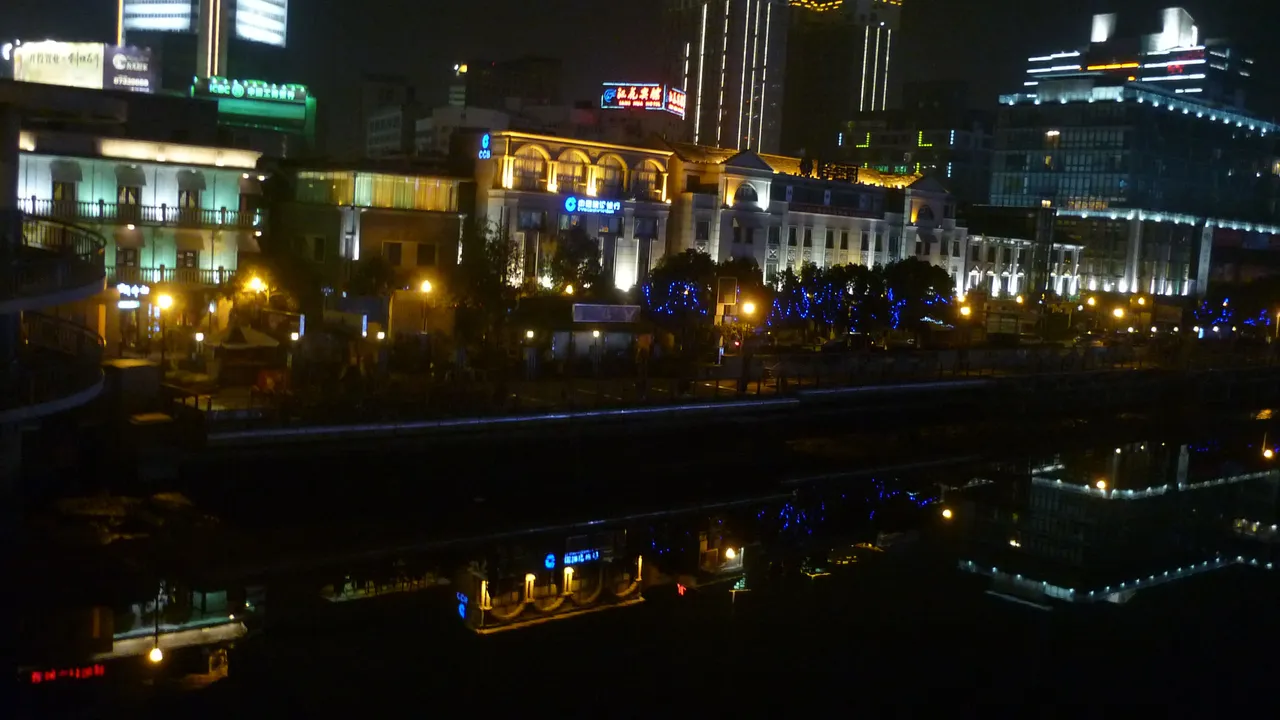
Evening returns to Jiangbei, where the Old Bund wears two faces: church and consulate facades by day, river lights and bar-street warmth by night. Twenty minutes along the promenade from church to Three River Port, and once the towers across the water light up, two hundred years stack on one line.
Dinner works either on the Bund or across the river at the tower lanes. Day one runs about fifteen thousand steps, so finish early and bank energy for two leg-heavier days.
Cicheng Ancient County: Temple, Yamen and Rice Cakes
Day two shifts from city to county. Cicheng preserves the full architecture of an ancient county's functions: the Confucian temple for schooling, the yamen for governing, the exam hall for selection. See the yamen and exam hall first in the quiet morning, the exhibits concrete enough to read without a guide.
Lunch on rice-cake soup or dumplings in town, Cicheng's cakes hand-pounded from late japonica rice, far stickier than supermarket versions. Spend half an hour after lunch in the old lanes, watching the door lintels of Ming-Qing residences.
Baoguo Temple: The Song Hall and Architecture Museum
Half an hour's drive from Cicheng, Baoguo's hall of 1013 carries heavy weight in building history: no iron nails anywhere, caissons doubling as acoustics and pest deterrence, among the oldest surviving timber south of the river. It doubles today as an architecture museum, bracket models and frame breakdowns laying craft open.
The essential act is looking up: ten minutes at the caissons from the hall's threshold beats ten display boards. The wooded hill makes the sunniest afternoon hour pass easily between shade and halls.
South Pond Old Street: A Street-Supper Evening
From Baoguo, return straight to South Pond old street for supper. This canal-side lane is easiest at night: fried twists, greens-braised rice cakes and wontons wrapped to order line the way, so take a riverfront seat and repay two days of legwork. A post-dinner walk along the water with lamplight on the surface is the loosest night of the three.
With time in hand, glance at Tianfeng Pagoda from outside on the way, the brick tower kinder under streetlamps than by day. Metro or taxi both run easy for the return.
King Asoka Temple: Relics and Morning Bells
Day three heads east into the hills. King Asoka Temple's morning offers the city's finest visiting mood: incense, chanting and tree shade filtering out tourist noise. The carved stupa in the Relic Hall is the core, circling crowds moving clockwise, so follow. Old trees and steles outnumber expectations, a slow circuit taking ninety minutes.
Entry is free yet rivals any ticketed sight. Covered knees and soft voices are the basic courtesy, some halls bar photography, and the signs lead the way.
Tiantong Temple: A Chan Patriarch's Mountain Seat
Twenty-odd kilometers east of Asoka lies Tiantong Temple, one of Chan's five great monasteries and ancestral seat of Japan's Soto school. The pine avenue before it is the first exhibit: two kilometers of shade that still half the mind before the gate. Halls rise along the axis, and the rear Guanyin pavilion surveys the ridgelines.
Tiantong now admits free, and its vegetarian hall serves noodle and vegetable lunches, the smoothest meal plan on site. Japanese monks carried seated meditation and monastic rules home from here, and Japanese-language plaques and memorials thread the grounds, worth slow reading.
East Money Lake and Hanling Old Street: A Lake-and-Hill Finale
The three days close at East Money Lake, Zhejiang's largest natural freshwater lake, four times West Lake, its ring of hills and open water at their best in the light after four. The water-borne Guanyin and lakeshore causeway at Xiaoputuo form the classic frame, and restaurants around Qianhu Fishing Harbour cook lake fare: white fish, river shrimp and lake crab all worth ordering.
Hanling old street lines the southeast shore, its restored walls and gates kept lightly commercial, good for strolling. Tea by the lake as sunset turns the water gold-red settles Ningbo's three-day account. The ride back downtown takes about forty minutes.
| Getting around |
|
| Budget | Three days of tickets total about RMB 150-220 pp, meals RMB 250-400, and local transit RMB 150-250. |
| Best time | Mar-May and Oct-Nov best; in peak season book Tianyi Pavilion and Ningbo Museum ahead, and Tiantong is quietest at dawn. |
FAQs
What is the smartest way to adjust the three days?
Two common variants: average legs should cut Tiantong on day three, going straight from Asoka to the lake for two extra lakeside hours; families can swap Baoguo on day two for a museum revisit or the science center. Rain plan: move the museum and South Pond to wet days, keeping temples and Cicheng for clear skies.
Do both the pavilion and museum need booking?
The pavilion admits on tickets, worth buying online in season to skip lines; the museum is free but strictly real-name booked, with weekend and holiday slots tight and released two or three days ahead. Both close Mondays except holidays, so dodge Monday in planning or substitute all-day sights like South Pond or the lake.
Hire a car or hail taxis?
Days one and two run fine on metro plus taxis; day three's sights scatter across the eastern outskirts where taxi fares stack to RMB 150-200 with long waits, so parties of two or more should hire, RMB 500-700 a day with driver waiting, beating taxis on value. Agree waiting time and tolls before hiring, and put it in the itinerary sheet, not just conversation.
Which details trip visitors up most?
Three frequent traps. First, do not confuse Cicheng's combo and single tickets, and ask refund rules before entering the first sight. Second, Tiantong and Asoka are working monasteries, short skirts, shorts and loud voices get politely stopped, so dress accordingly. Third, seafood and lake fare price at market, ask before ordering, especially crab and river catch, where spreads hit double.