
Ningbo's sea lives on the Xiangshan peninsula, a line that finishes harbor, beach and island in one sweep. Shipu Fishing Port old town is the core, a six-hundred-year harbor still working daily, the town climbing its hill with lanes ending at the wharf. Day two runs north to Songlan's sand and the film studio's invented jianghu; day three ferries from Shipu to Huiao Island for volcanic sea cliffs grown into a stone forest.
Everything here tastes of the sea: Shipu's stalls price by the morning's landings, and September after the season opens is the year's best window. Rent or hire a car from Ningbo; buses reach Xiangshan county town easily but thin out between sights, so without a wheel, basing two nights at Shipu without moving is the lowest-effort plan.
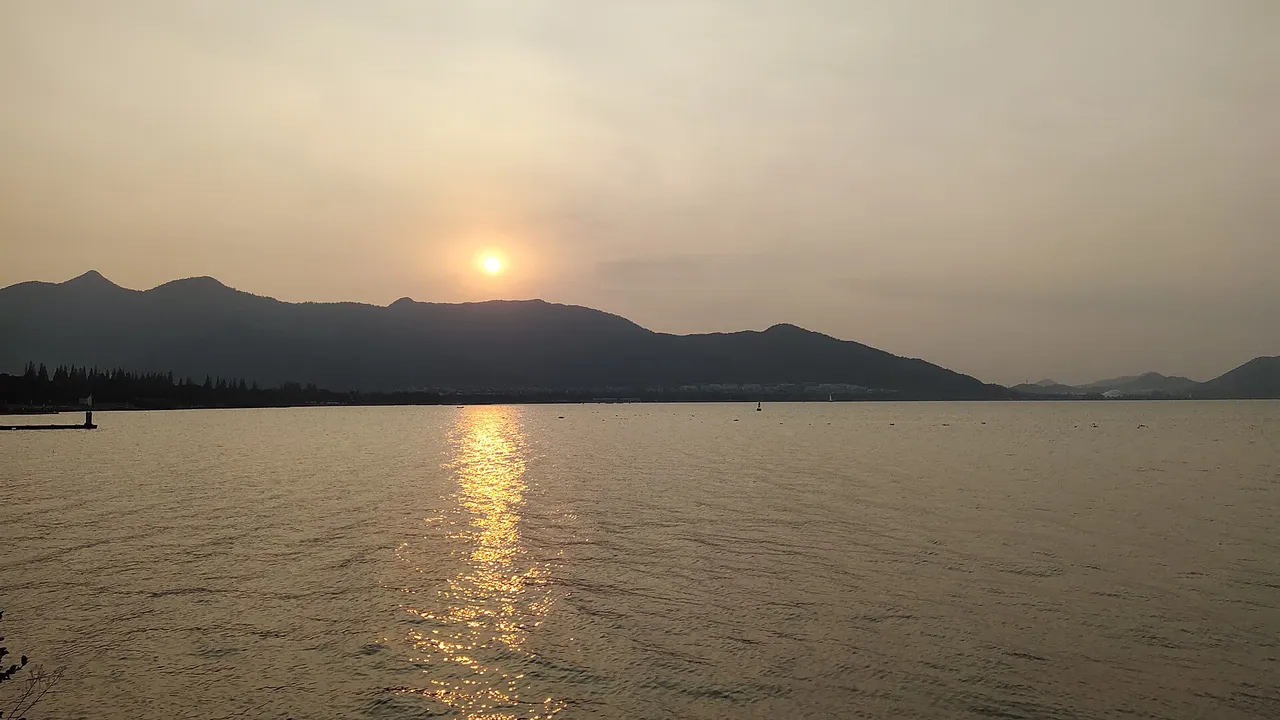
Itinerary at a glance
| 第1天 10:00 | Shipu Fishing Port Old Town: A Harbor Hung on the Hillside |
| 第1天 14:00 | China Fishing Village: A Seaside Playground on Huangcheng Beach |
| 第1天 18:30 | Shipu Night Stalls: The Morning's Catch at the Wharf |
| 第2天 09:00 | Songlan: Blue Water and Sand on Xiangshan's North Line |
| 第2天 13:30 | Xiangshan Film Studio: Five Dynasties in One Afternoon |
| 第2天 17:00 | East Sea Bianban Mountain: Sea-Cut Platforms at Dusk |
| 第3天 09:00 | Crossing from Shipu Harbor: Bound for Huiao Island |
| 第3天 11:00 | The Marine Stone Forest: Volcanic Columnar Joints |
| 第3天 15:00 | Huiao Village and the Return: Save Time for the Wharf |
The route, stop by stop
Shipu Fishing Port Old Town: A Harbor Hung on the Hillside
Shipu old town climbs its hill in steps, Ming-Qing houses and fishing-family shops lining the lanes, and from the upper stretch of the central street the harbor's masts and the sea open in tiers. What makes it special is that nothing is scenery: boats in the harbor sail for real tomorrow, fish drying on the streets go into real pots.
The sights inside are halls and vaults: old firms on Wanxing Street, fire walls and the former police station, plus ship models and tackle in the fishing-culture gallery. Two hours on foot with plenty of steps, so wear grippy shoes. The exit overlook frames the panorama best before 10 am.
China Fishing Village: A Seaside Playground on Huangcheng Beach
Afternoon goes to China Fishing Village north of Shipu, built around the broad sweep of Huangcheng beach. The play here is entering the sea: gentle sand and mild waves for summer swimming, spring and autumn better for shell-gathering, kites and reef photography. A giant three-masted fishing-boat sculpture stands as the landmark, with the fishing-culture hall and seafood snack street at the entrance.
The beach calms toward dusk, the day's best hour: low tide exposes flats with small crabs and shells, the children's favorite, and the reef zone on the east side photographs well, facing the sunset.
Shipu Night Stalls: The Morning's Catch at the Wharf
Supper at Shipu is a seafood exam. Stalls along the harbor light up at dusk, the day's hairtail, pomfret, swimming crab and shellfish laid on ice at each door, priced by weight. Three rules: read the ice table before entering, order half-portions mixed across dishes, and choose shellfish kept in clean aerated water.
A solid set: scallion-oil pomfret, pickled-greens yellow croaker soup, poached hairtail or steamed swimming crab, with a seafood noodle to anchor. Two people eat handsomely on three dishes plus noodles at RMB 100-150 pp. After the season opening the stalls peak, and hot spots wait-list after 7 pm.
Songlan: Blue Water and Sand on Xiangshan's North Line
Day two heads north to Songlan, whose sand and water color rank near the top of the Ningbo coast. The shoreline inside the resort runs long, with smaller coves beyond the main beach, emptier and finer-grained. Outside summer, Songlan suits walking and photography, a coastal path chaining the coves in about ninety minutes.
Families with kids can hold the main beach alone: fine sand, gentle grade, fullest facilities. Seekers of quiet walk east, where the second and third coves stand nearly empty, their reefs and sea-erosion forms worth dedicated frames.
Xiangshan Film Studio: Five Dynasties in One Afternoon
Afternoon enters the film studio, an outdoor base launched by the Condor Heroes adaptations, where Xiangyang city, Dali kingdom, a Republican-era street and a Warring States quarter each stand whole. Even without crews, the architecture alone fills hours; with luck you catch stunt fights and wire work from behind the cordon.
Timed horse-battle and stunt shows run on schedule, so plan the route backward from the showtimes. Walking distances run long, making the shuttle ticket worth it; bring a wide lens, as individual sets sprawl.
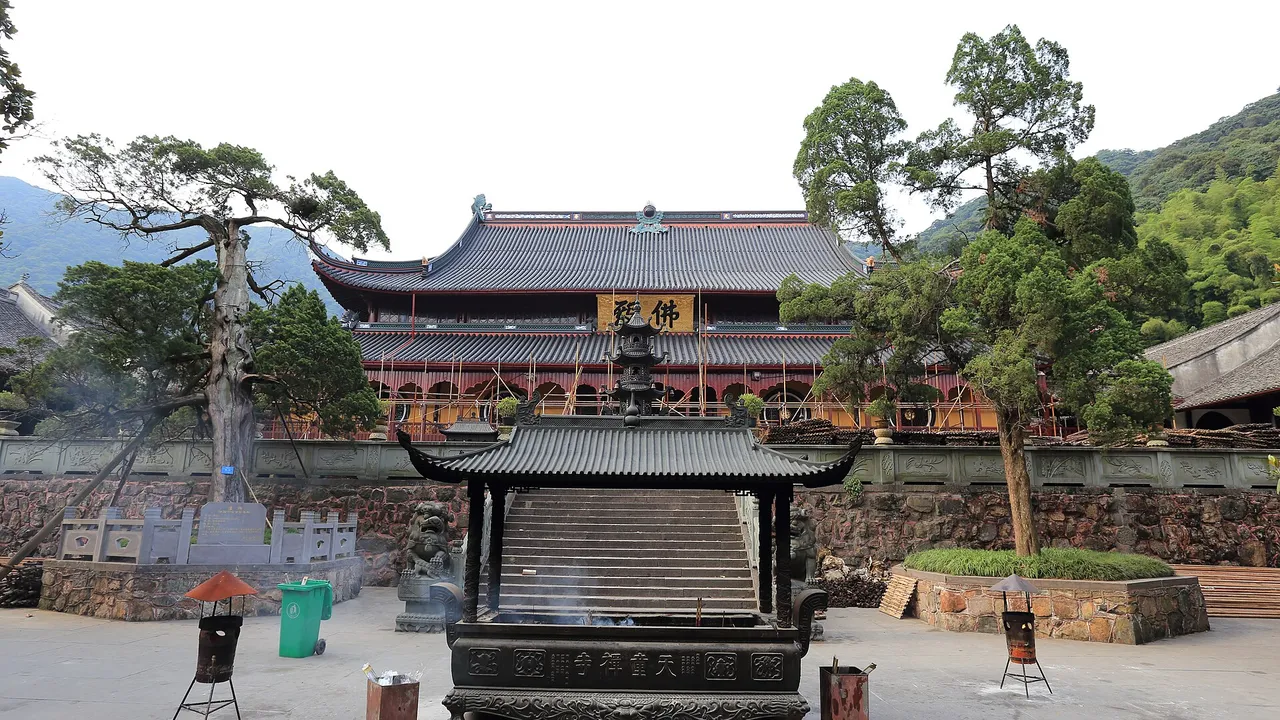
East Sea Bianban Mountain: Sea-Cut Platforms at Dusk
Evening doubles back south to East Sea Bianban, home to Ningbo's only shoreline of its kind: tiered sea-cut platforms stepping into the water like natural stairs, fully exposed at low tide. Dusk sidelight hits the platforms so rock grain and pooled water shine together, the most photogenic spot on this coast.
The paths run gentle, a full circuit along the platform edge about forty minutes. On windy days stand well back, waves reaching farther across the platforms than they look. If the day is already full, compress this to a ten-minute overlook stop.
Crossing from Shipu Harbor: Bound for Huiao Island
Day three's main act is at sea. Scheduled boats run from Shipu harbor to Huiao Island, about forty minutes across, with hills and fish rafts in view the whole way. Sailings follow the day's notice, stopping in peak winds, so confirm the return time before landing.
On the island, shuttles and walking cover transport, luggage should stay minimal, and a day trip is the safe play. At the visitor center first confirm the stone-forest route and tide advisories before setting out.
The Marine Stone Forest: Volcanic Columnar Joints
Huiao's core sight is the marine stone forest: basalt from eruptions eons ago cooled and shrank into dense columns standing at the coast like organ pipes, some tens of meters tall. Columnar jointing this exposed is rare on China's coastline, and the first sight from the deck is hard to believe natural.
At low tide the column bases emerge and you can walk the flats to hexagonal cross-sections up close; at high tide surf slams the pillars for a wholly different drama. Both windows earn the wait. The paths take about an hour, some stretches loose with scree.
Huiao Village and the Return: Save Time for the Wharf
On the way down, pass through the island's fishing village: stone houses, nets and fish drying in courtyards, island life in its native form. The village shop refills water bottles, and fishing families sometimes sell self-dried shrimp and fish, cheaper than the scenic area and the most down-to-earth island souvenir.
Return to the wharf forty minutes before your sailing. Back at Shipu you can ride straight to Ningbo, about two hours; if night driving holds no appeal, stay another Shipu night and browse the county seafood market next morning for a gentler rhythm.
| Getting around |
|
| Budget | Three days of tickets total about RMB 200-280 pp, meals (mostly seafood) RMB 300-500, transport RMB 200-300. |
| Best time | May-June and Sep-Oct best; after the mid-September fishing season opening, seafood is fattest and fairest priced, while summer beaches demand early arrival. |
FAQs
Can this route work without a car?
Yes, if you pin lodging at Shipu. Buses run Ningbo to Xiangshan and on to Shipu, and beyond Songlan and the studio, which need shared rides or taxis (about RMB 40-60 each way), everything 漫步s or ferries. Solo travelers will feel transport costs, so pairs and up should hire. Reconfirm timetables at the station window on the day.
When is seafood best and cheapest?
After the September season opening is the year's peak: the closed season ends, the first nets land the fattest catch, supply pushes prices honest, and competition among Shipu stalls presses further. Summer is busy but mediocre fishing at higher prices; winter brings hairtail and crab in saltier registers. Avoid the windy stretch around Qingming when ferries turn unreliable.
Does Huiao Island deserve a full day?
For stone-forest and geology fans, yes: ferry, forest and village fill the daylight comfortably. Casual interest can halve it, forest only, banking the time for Songlan or Bianban. Either way, confirm sailings and weather first, since cancellation risk is the route's biggest variable.
How do tickets and ferry fares work on the Shipu line?
Shipu old town about RMB 60, China Fishing Village about 60, the film studio RMB 100-150 by zone combo, all a few yuan cheaper online without queues; Huiao ferry tickets buy at the Shipu wharf, RMB 20-30 one way, sailings per the day's weather notice. In season, buy the old town ticket online the day before and leave the wharf for ferries only.