 TripMyChinaJOURNEYS THROUGH REAL CHINA✦ AI Trip✦ Plan My Trip
English
简体中文
繁體中文
日本語
한국어
ไทย
Tiếng Việt
Bahasa Indonesia
Italiano
Español
العربية
Русский
Deutsch
Français
Bahasa Malaysia
TripMyChinaJOURNEYS THROUGH REAL CHINA✦ AI Trip✦ Plan My TripTurpan · Attractions
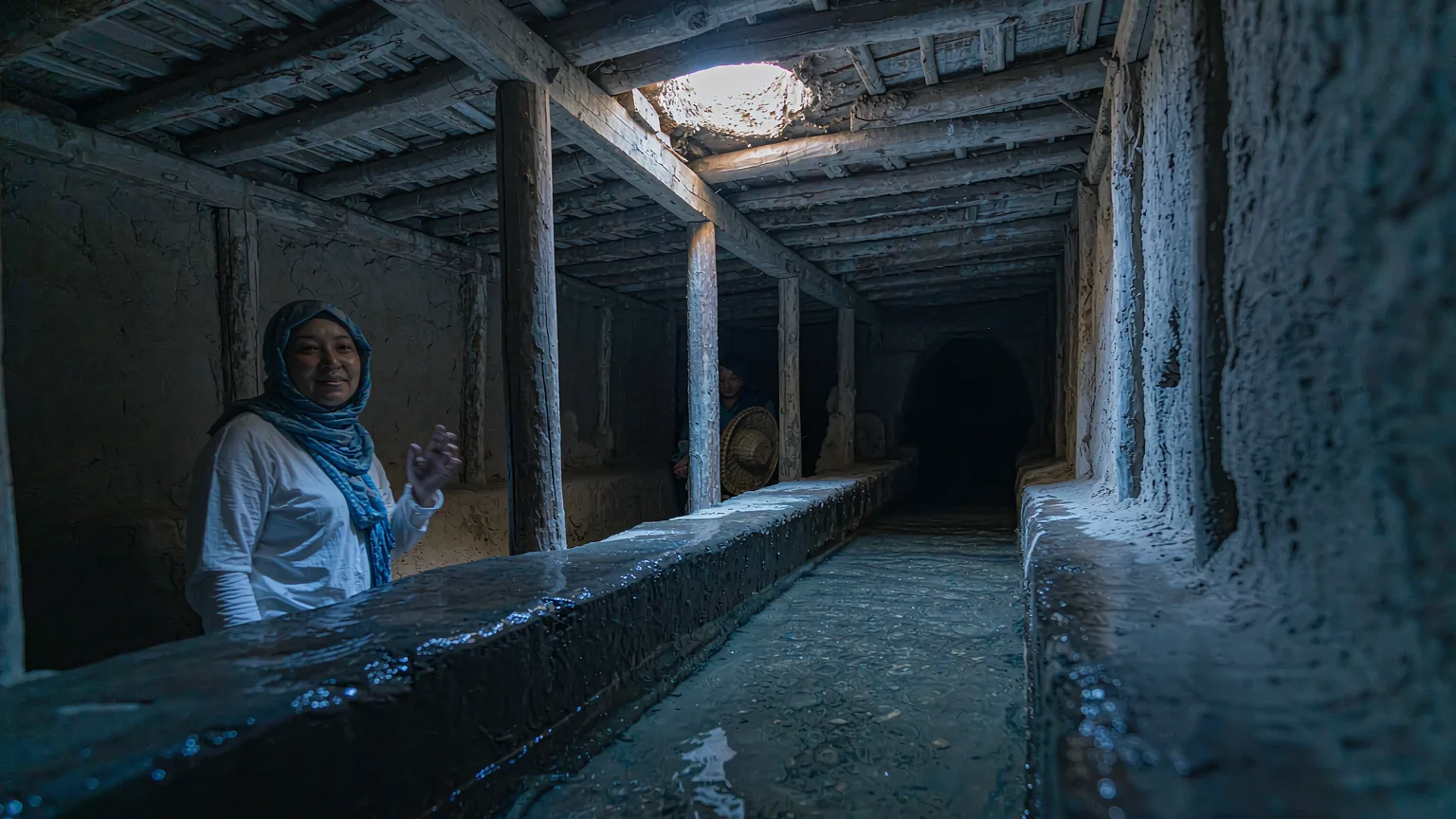
The karez of Turpan are hand-dug underground channels that carry snowmelt from the foot of the Tianshan to the fields. Turpan has about 1,100 of them, with a combined length of roughly 5,000 km, and they are the reason a city exists in a basin that gets 16 mm of rain a year. Two sites in the city open a 100-metre section of tunnel to visitors, 40 yuan, 20 degrees underground. The two sites are commercial and simple: a museum room, a walk through the tunnel, a shop selling raisins. The engineering is the point, and 20 minutes underground explains more about Turpan than any museum does. The tunnel is cool and damp, and the sound of water is the whole visit.
The system works by gravity and by keeping the water out of the sun. A mother well is dug at the foot of the mountains, where the aquifer runs, and a tunnel is driven from it towards the oasis at a gradient of about 1 in 1,000, so slight that the water moves slowly and does not scour the floor. Vertical shafts every 20 to 30 metres let the diggers remove spoil and give the tunnel air; from the surface they look like a line of earth mounds crossing the desert. The gradient matters more than the digging: too steep and the water scours the floor and collapses the roof, too flat and it stops moving. Diggers worked by lamp and kept the line with a plumb line and two stakes.
Nobody is sure when the technique arrived. It is usually linked to the well-and-channel methods of the Han dynasty frontier garrisons, and most of the surviving channels were dug in the Qing period, when the population and the fields expanded. Lin Zexu, exiled to Yili in 1842, is credited in local accounts with promoting repairs. The tunnels are still maintained by the villages that use them, though groundwater pumping and the falling water table have dried up several hundred. The channels are why the oasis is where it is: settlements sit at the point where the tunnel reaches the surface, not where the river is. Drive across the plain and you can date a village by the age of its outlet.
40 yuan at either site, 9:00 to 20:00 from April to October, to 18:00 in winter. No booking.
Two sites: the Karez Paradise at Yaryar village, 6 km west near Jiaohe, and the Folk Garden on the Xincheng road. Both are 20 minutes and about 20 yuan by taxi from the centre.
Midday in summer, when the tunnel is 20 degrees and the surface is 40. This is the one site in Turpan that is better at noon.
No. You walk through a working channel with water in it, then see the outlet and the fields it feeds.
Yes. Drive 5 km north of the oasis and the line of mounds is visible from the road.
 Full day · 8–10 hours
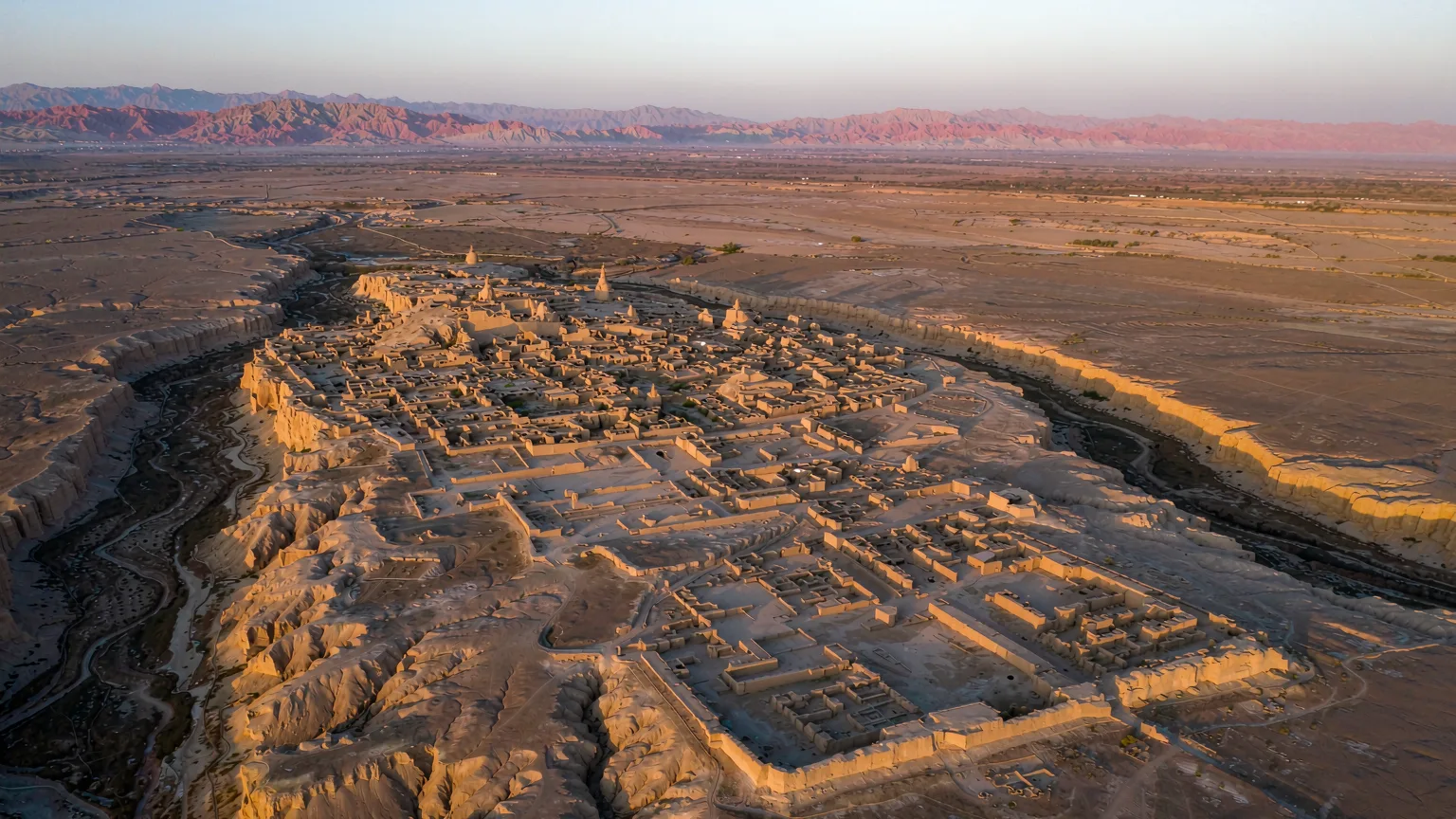
A full day through Turpan's must-see historical and natural icons
View details →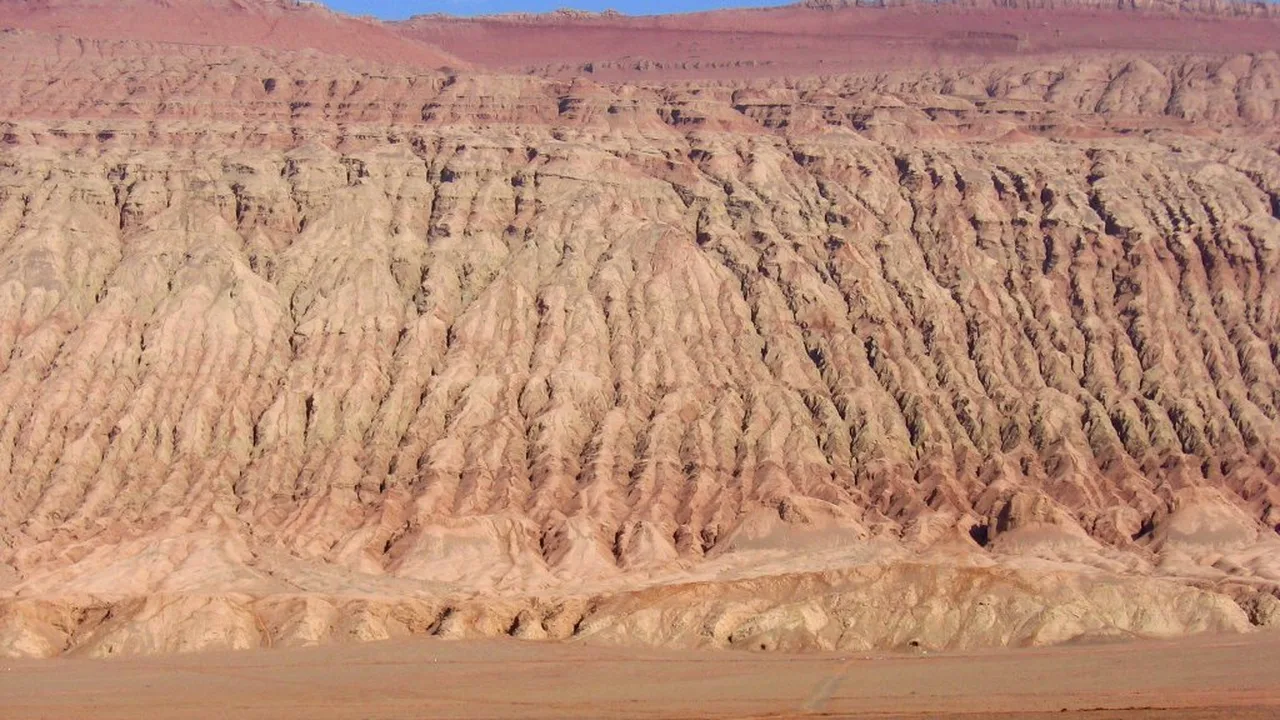 Full day · 8–10 hours
Escape the city to explore a hidden canyon village and ancient Buddhist caves
View details →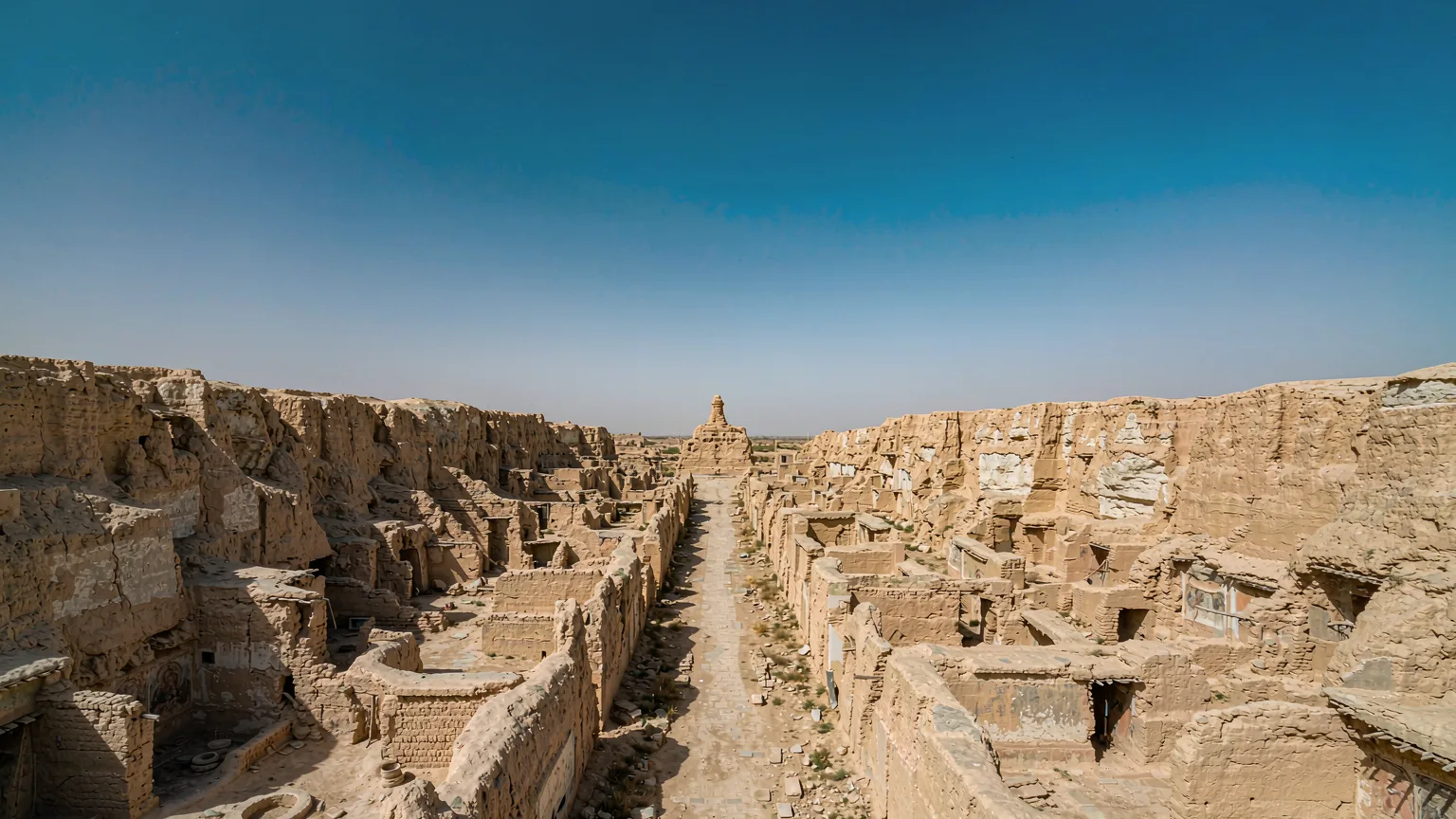 Half day · 4–5 hours
Explore the world's largest and oldest earthen city, a Silk Road marvel
View details → 2 days · 1 night · private
A two-day express through the Turpan Depression, an ancient oasis belo
View details →3 days · 2 nights · privateThree days give the Turpan Depression its full classic loop: Jiaohe's
View details →We booked a private guide for Turpan and it was worth every yuan. Standing at the edge of Jiaohe Ancient City while our guide explained how the Silk Road trade actually worked made the ruins come alive. The karez visit was the surprise highlight — I had no idea people dug underground canals like that centuries ago.
Took the kids to Grape Valley and they basically ate their weight in seedless white grapes straight off the vine. The Flaming Mountains really do look like something out of Journey to the West, my son kept asking if the Monkey King was nearby. Only gripe: midday heat is brutal, so plan around it or you'll be miserable.
Private car & driver, day trips and multi-day routes from Turpan. · Free consultation · reply within 12h