 TripMyChinaJOURNEYS THROUGH REAL CHINA✦ AI Trip✦ Plan My Trip
English
简体中文
繁體中文
日本語
한국어
ไทย
Tiếng Việt
Bahasa Indonesia
Italiano
Español
العربية
Русский
Deutsch
Français
Bahasa Malaysia
TripMyChinaJOURNEYS THROUGH REAL CHINA✦ AI Trip✦ Plan My TripHuoyan Tulufan, the scorching heat of the Flaming Mountains and the coolness of Grape Valley, plus the thousand-year vicissitudes of the Jiaohe Ancient City.
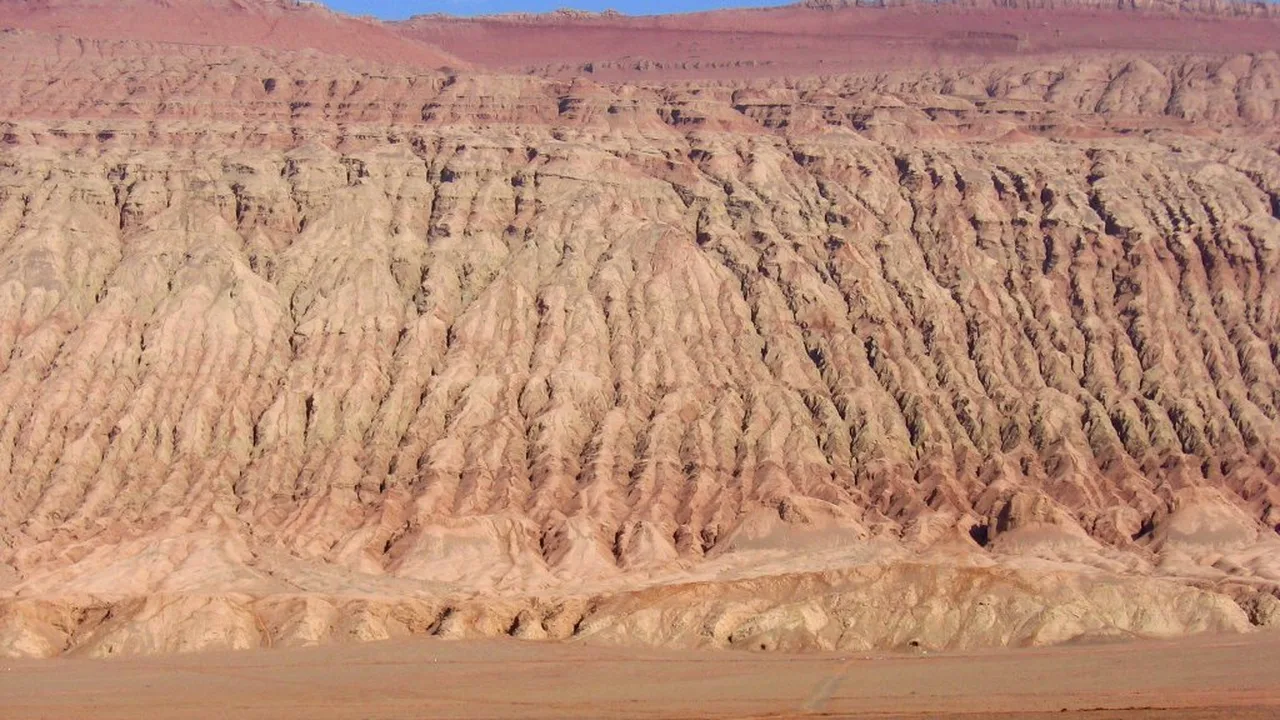
Turpan, known as the 'Oasis of Fire and Grapes', is a historic Silk Road city in the Xinjiang Uyghur Autonomous Region of China. Situated in the Turpan Depression, the lowest point in China at 154 meters below sea level, it has been a vital stopover for traders and travelers for over two millennia. The city's name means 'the lowest place' in Uyghur, reflecting its unique geography. Turpan's rich history includes the ancient Jiaohe and Gaochang kingdoms, and it was a key center of Buddhism, as evidenced by the Bezeklik Thousand Buddha Caves. Today, it is a living museum of Silk Road culture, where ancient ruins, vibrant Uyghur traditions, and extreme landscapes converge.
Turpan is administratively divided into Gaochang District and the counties of Shanshan and Toksun. The urban core, Gaochang District, is where most travelers base themselves, offering hotels, bazaars, and the main transport hub. To the east lies Shanshan County, home to the Kumtag Desert and the ancient city of Loulan's lesser-known sister, the Shanshan ruins. Toksun County to the west is more rural, with lesser-visited sites. The Turpan Basin itself is a depression surrounded by mountains, with the Flaming Mountains to the north and the vast desert to the south. The Grape Valley, a lush green ribbon, cuts through the arid landscape, providing a stark contrast.
Visitors to Turpan can expect a journey through time and extremes. The climate is harsh, with scorching summers and cold winters, but the oasis agriculture thrives, producing the world's sweetest grapes and melons. Travelers can explore the ruins of Jiaohe and Gaochang, marvel at the Buddhist art in the Bezeklik Caves, and experience the unique Uyghur culture in local bazaars and vineyards. The city's layout is compact, with most attractions within a short drive. Whether you're a history buff, a culture enthusiast, or an adventure seeker, Turpan offers an unforgettable experience that combines natural wonders with human heritage.
Turpan covers an area of approximately 70,000 square kilometers and has a population of about 650,000. It is administratively divided into one district (Gaochang) and two counties (Shanshan and Toksun). The city is home to the Jiaohe Ancient City, a UNESCO World Heritage Site as part of the Silk Roads: the Routes Network of Chang'an-Tianshan Corridor, and is the lowest point in China.
World-class, national and global recognition earned over the decades.
Jiaohe, Gaochang and the Bezeklik caves were inscribed in 2014.
Turpan sits at −154 m, with summer highs above 45°C.
2,000 years of gravity-fed underground irrigation, still working.
Named in the second batch in 1986.
500+ grape varieties and most of China's raisins.

The moments that shaped the city — and the stories its people still tell.
Jiaohe was the capital of the Jushi on a river island.
The Qu family ruled a Buddhist kingdom here for 140 years.
Tang armies took Gaochang and made it Xizhou.
Three Silk Road sites in Turpan joined the listing.
In Journey to the West, Monkey King fights the Bull Demon King to cross these burning cliffs.
Three paces, one city — every route built from places we actually operate.
Weather, crowds and the best months for what you want to see.
Mild and dry, with vines waking up.
Grape harvest and comfortable heat — the best season.
45°C is normal; go out before 10am and after 6pm.
Cold and empty, with the ruins to yourself.
What this city is known for — the things worth planning your day around.
The places worth building a day around.
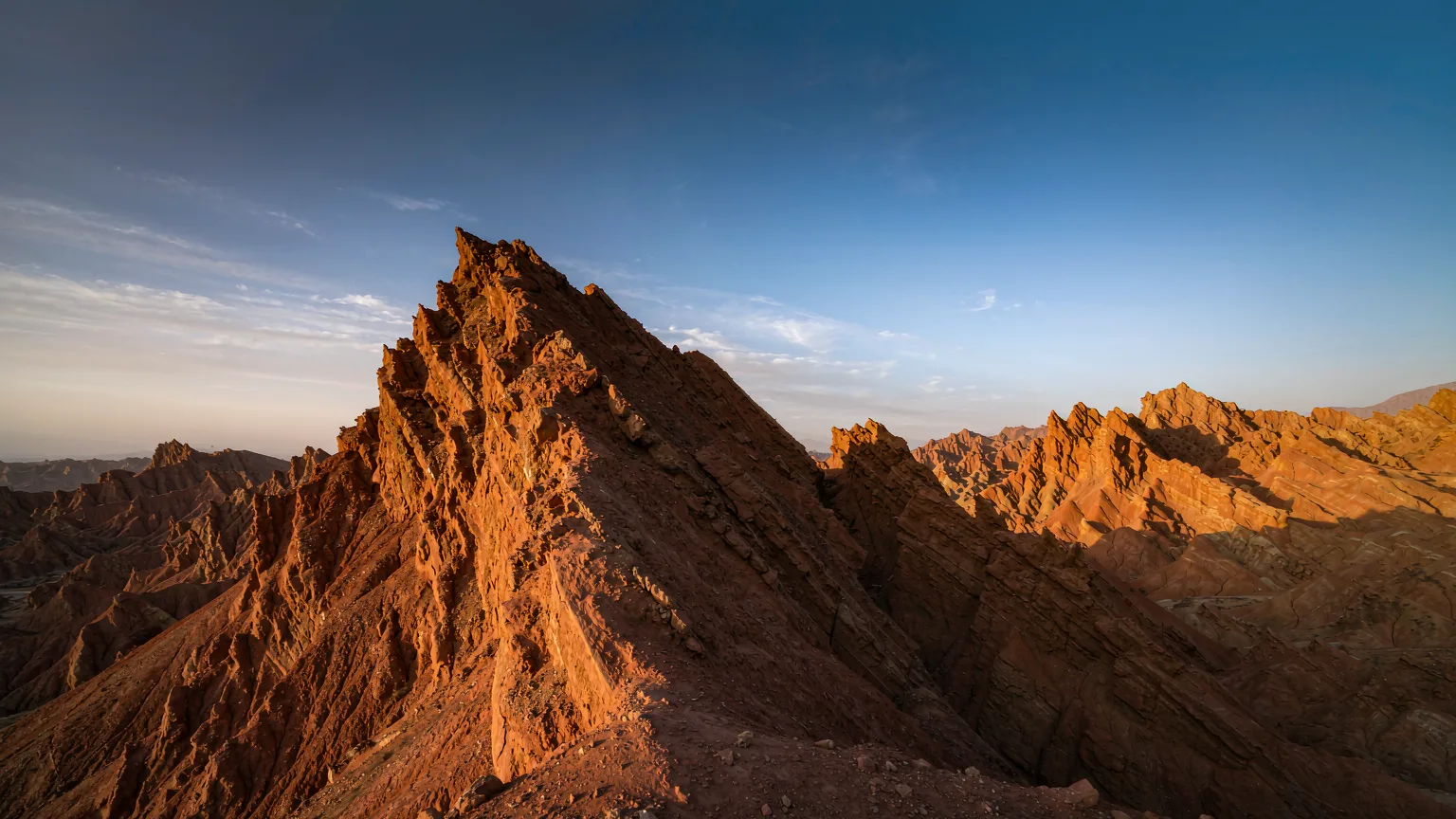
The Flaming Mountains are a ridge of red sandstone running about 100 km east to west across the Turpan basin, 10 km east of the city, topping out at 8
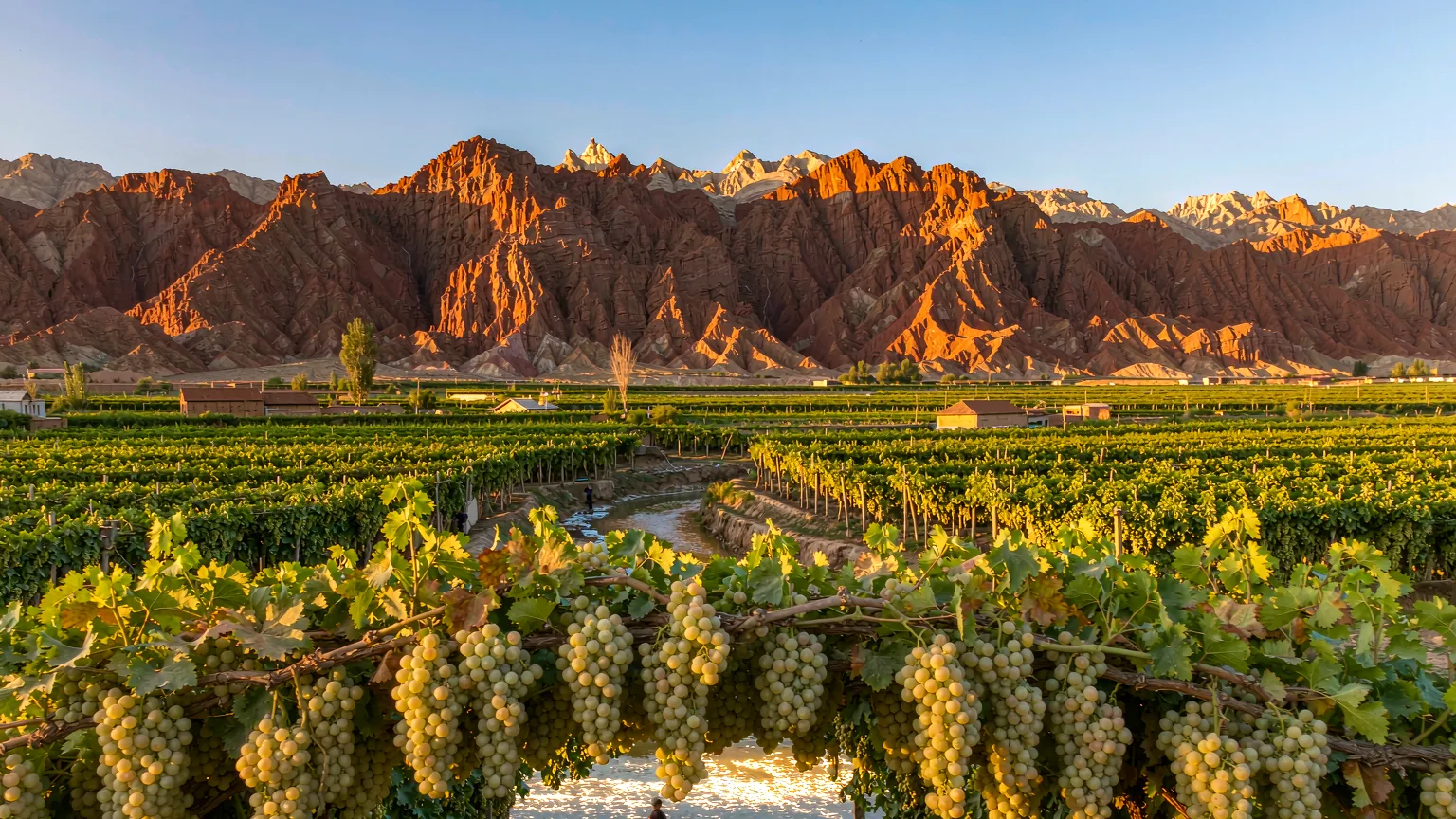
Grape Valley is an 8 km irrigated ravine 11 km north-east of Turpan, where a stream off the Bogda foothills runs between trellises of vines. It is a v
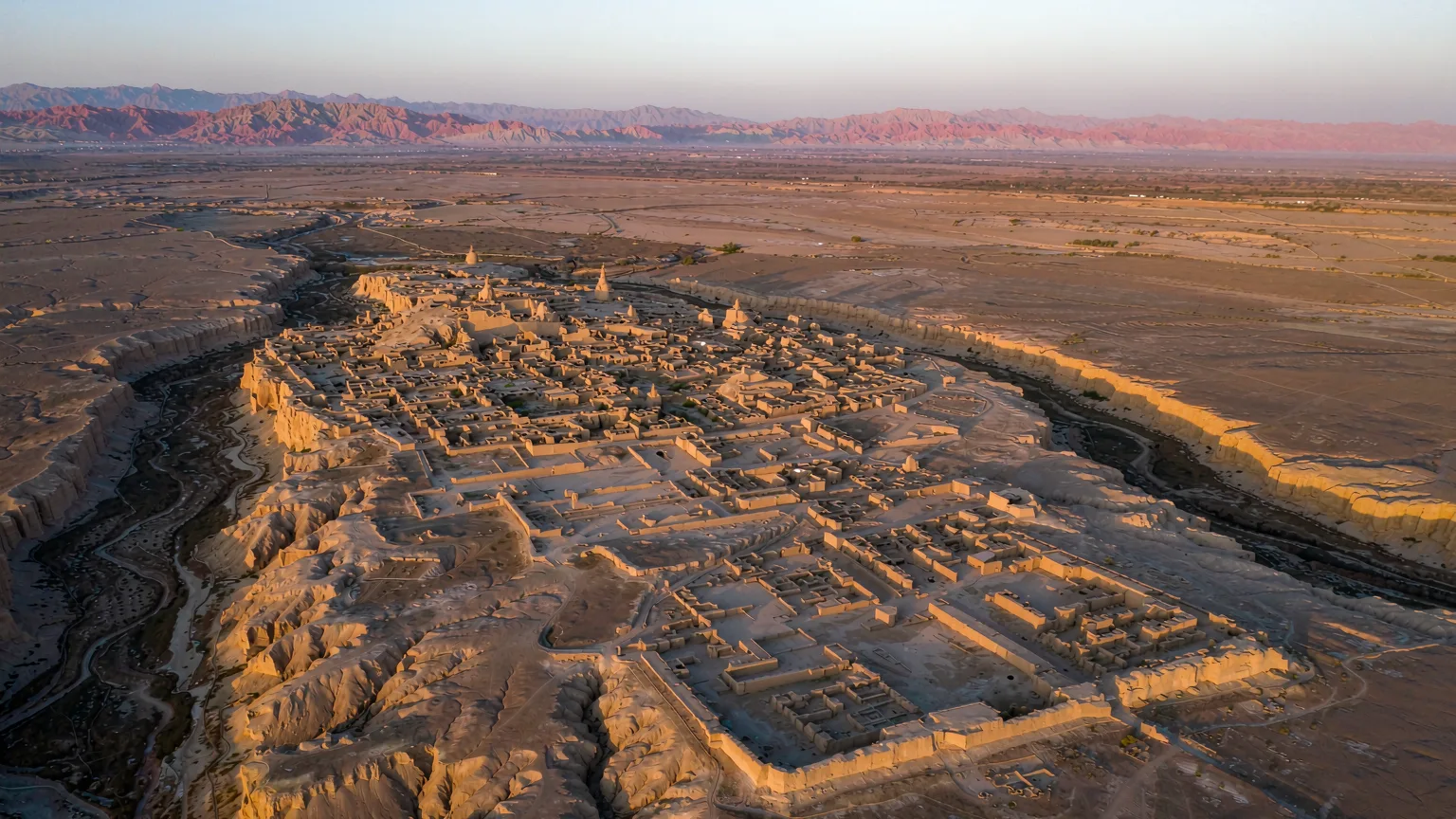
Jiaohe is a city of rammed earth standing on a 30-metre island of rock between two arms of a river, 10 km west of Turpan. It was founded around the se
A little further out, for a spare half-day.
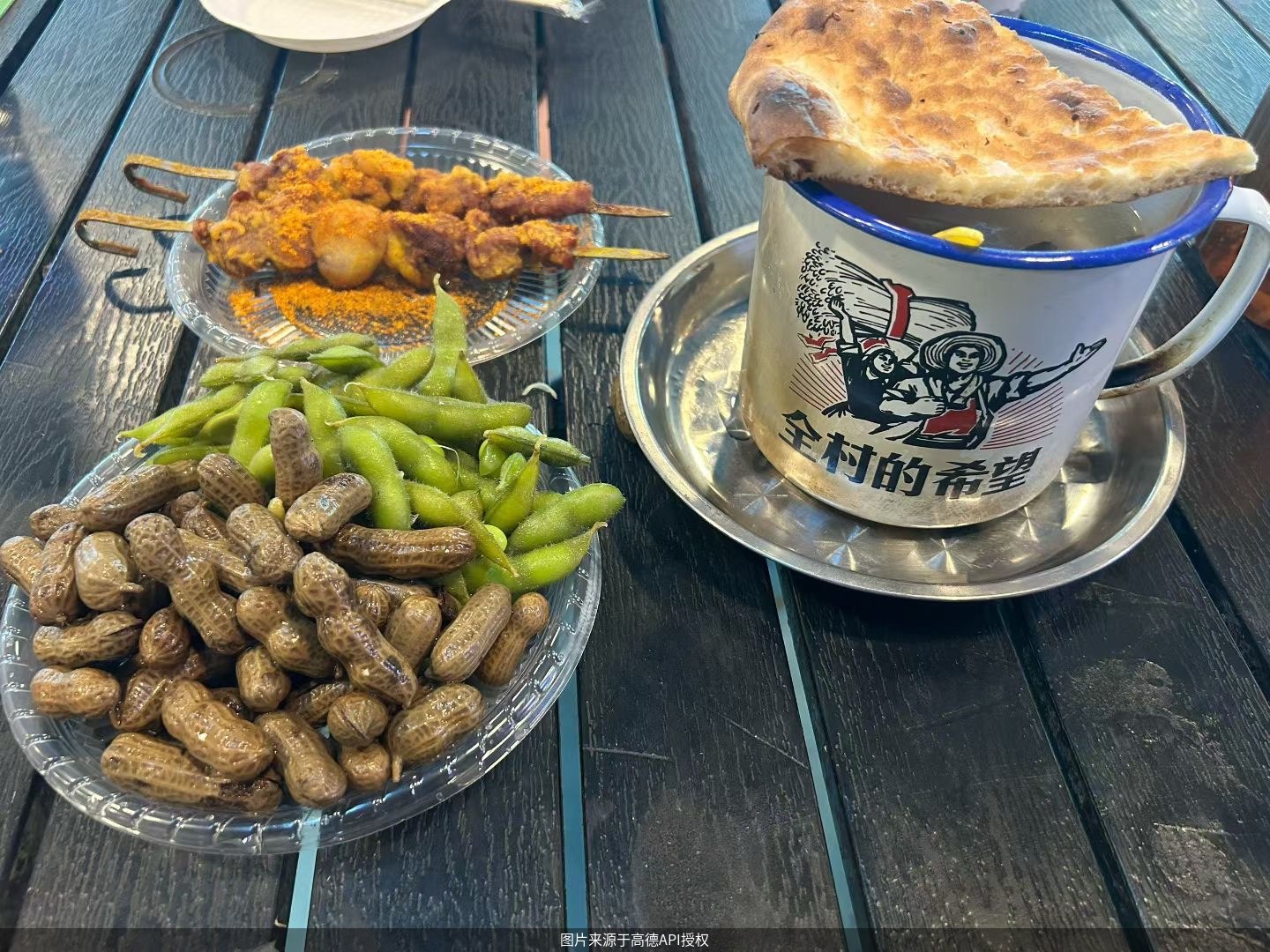
On the north section of Gaochang Road, this lively night food street specialises in Xinjiang flavours —…
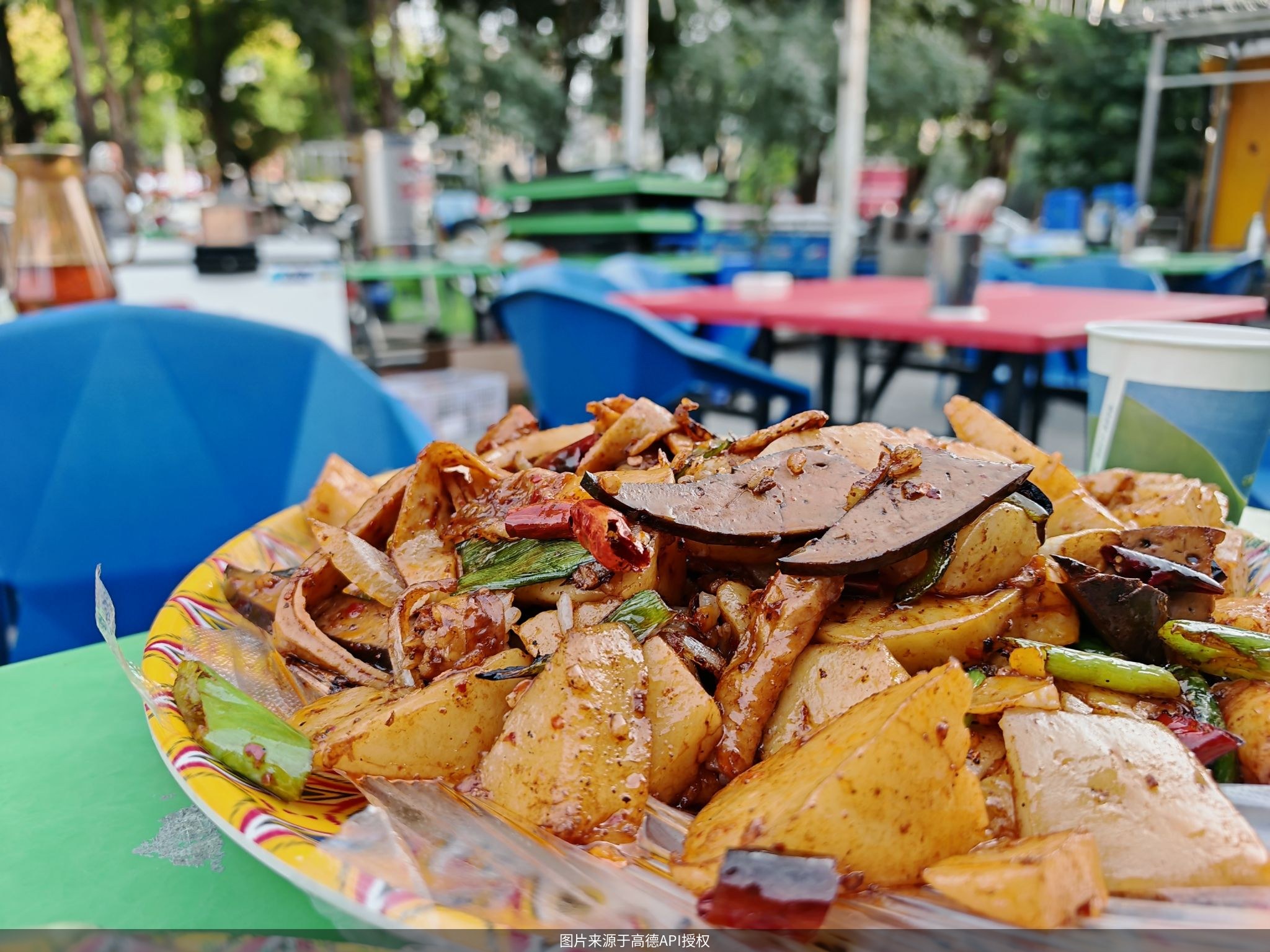
On Xincheng East Road, this is Shanshan county's larger night market, gathering lamb skewers, pepper chicken…
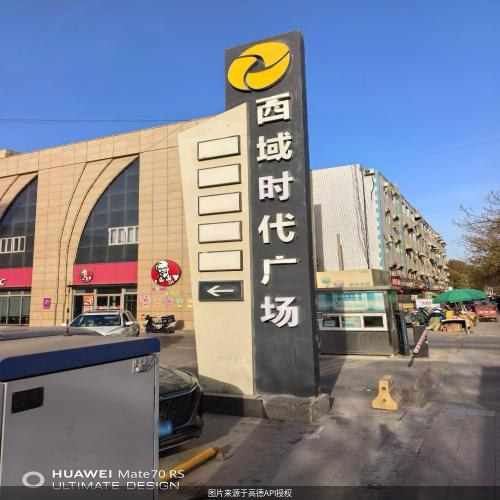
At the junction of Qingnian Road's pedestrian street and Wenhua Middle Road, this large mall houses…
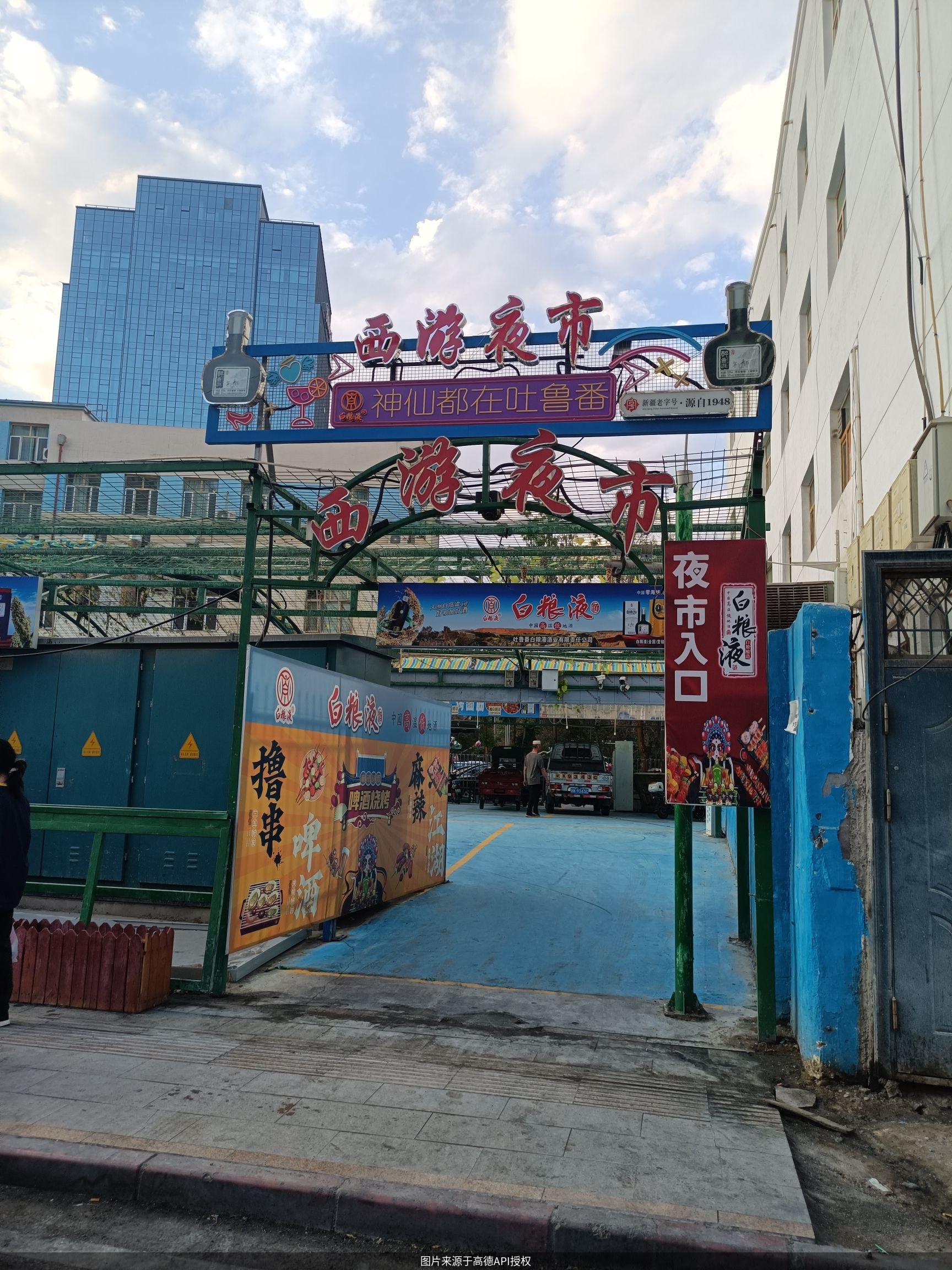
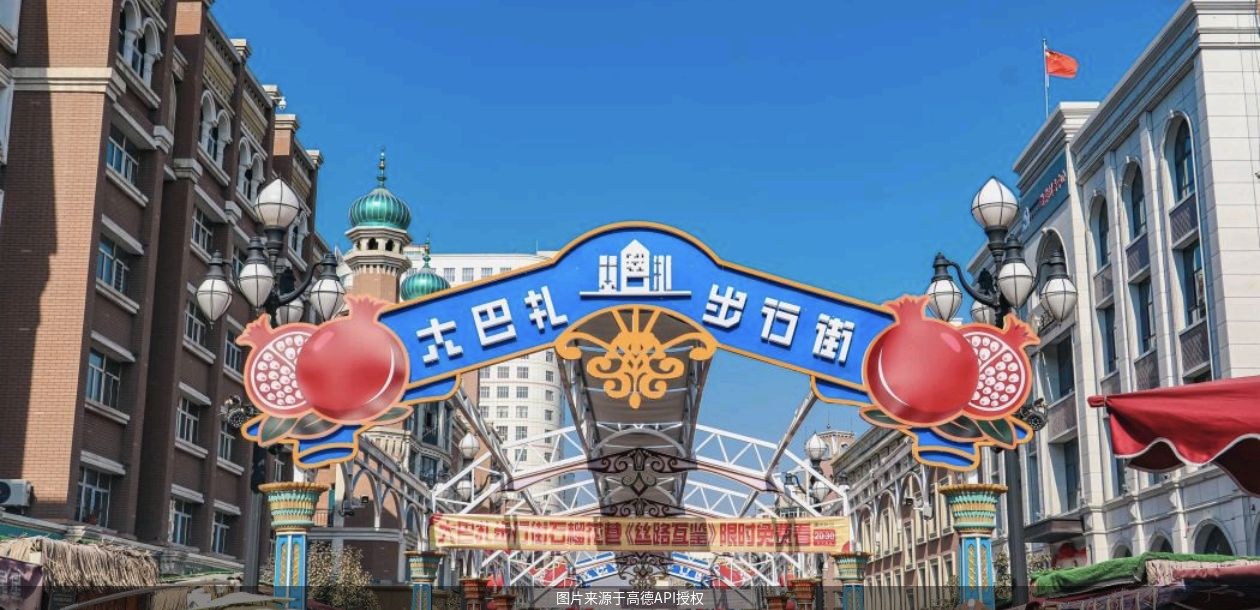
At 168 Xingfu Road, this pedestrian street is themed on Journey to the West, the classic that made the…
At 120 Bazaar Road, this large ethnic market gathers dried fruit, Hami melons, ethnic dress, carpets and…
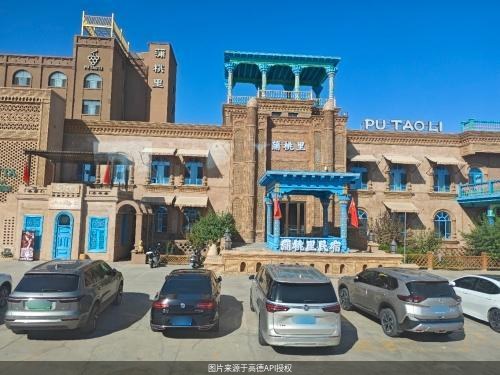
At 1555 Gaochang Road, this old teahouse offers brick tea, milk tea and local snacks in a rustic, nostalgic…
Museums, galleries and workshops still keeping old crafts alive.
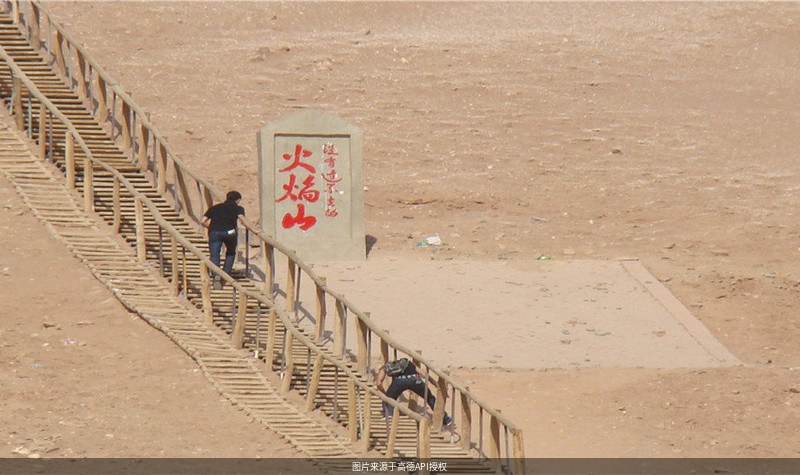
Near the Flaming Mountains, this museum shows Xinjiang folk earthen arts such as pottery and clay figurines.…
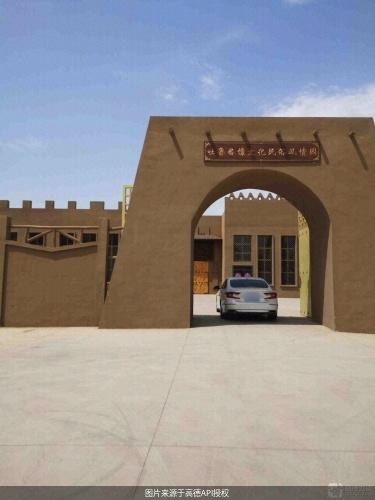
Near Tuanjie Lane in Gaochang, this folk garden centres on naan, the staple flatbread of Xinjiang whose…
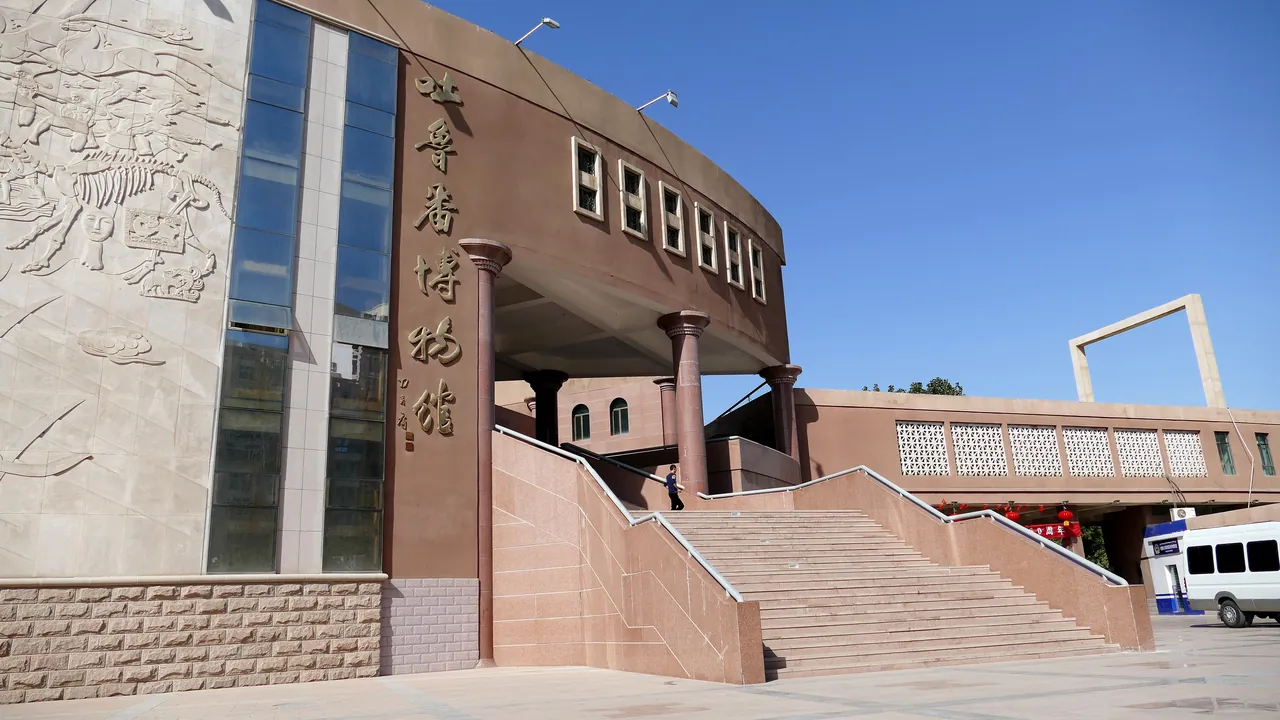
Faces from 2,000 years back, preserved by desert heat alone — meet Turpan's ancient mummies.
Where the whole street eats — the city's most famous food streets, each with its own guide page.
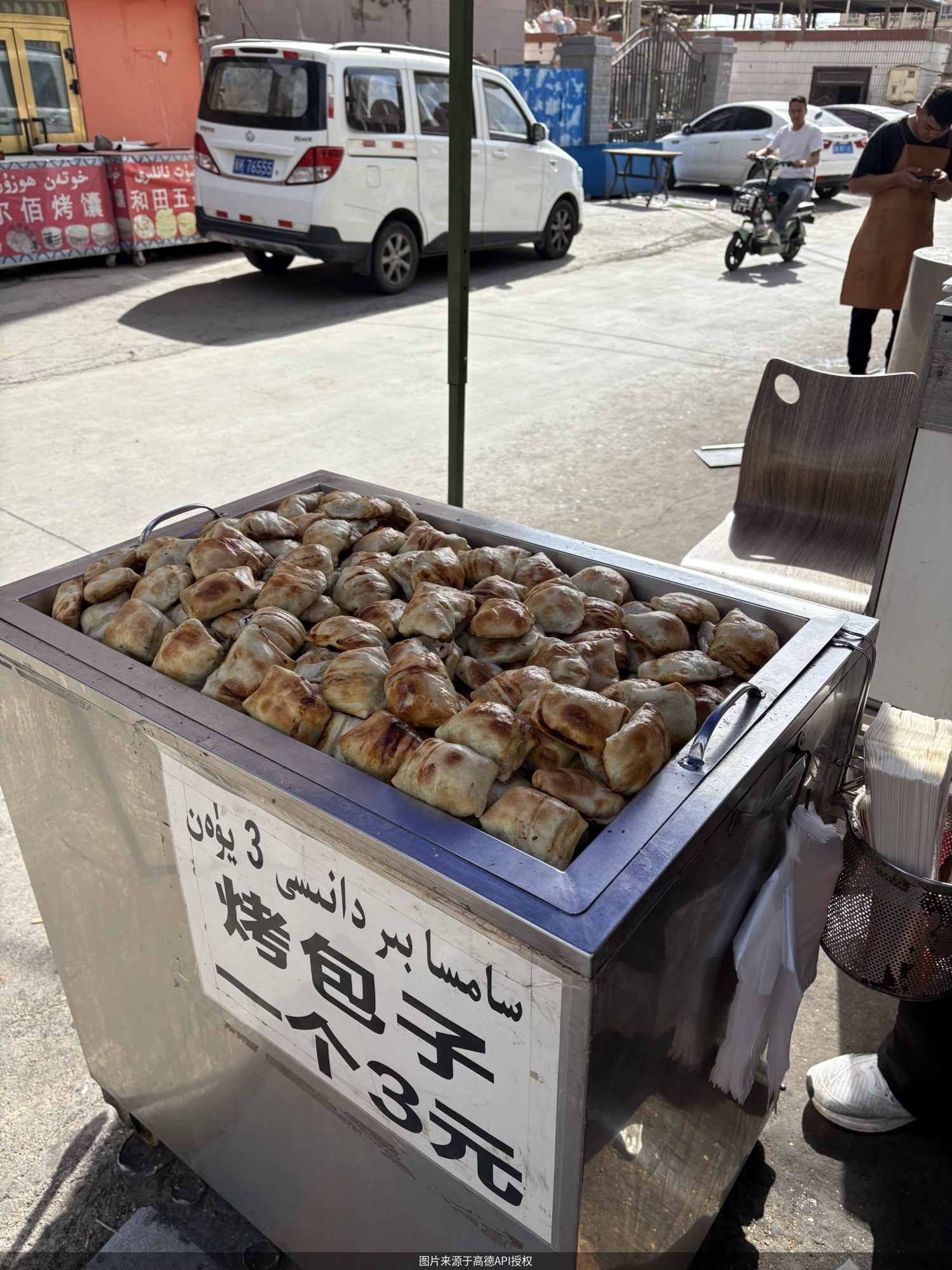
Near Shuiyun Huating in Gaochang, this long-running shop bakes samsa, lamb-and-onion-filled buns roasted in a…
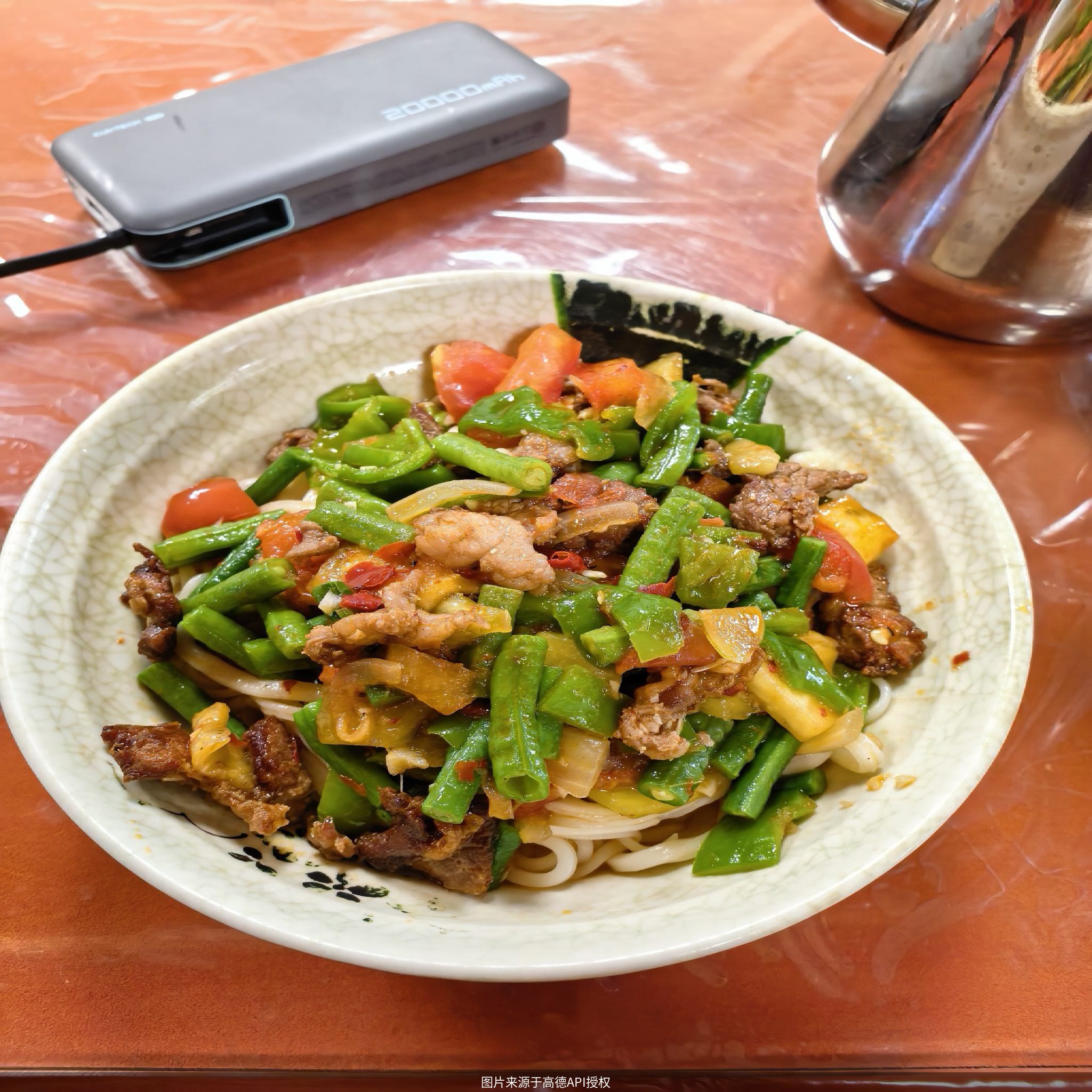
At 365 Laocheng East Road, this well-known Turpan eatery serves lamian-style hand-pulled noodles topped with…
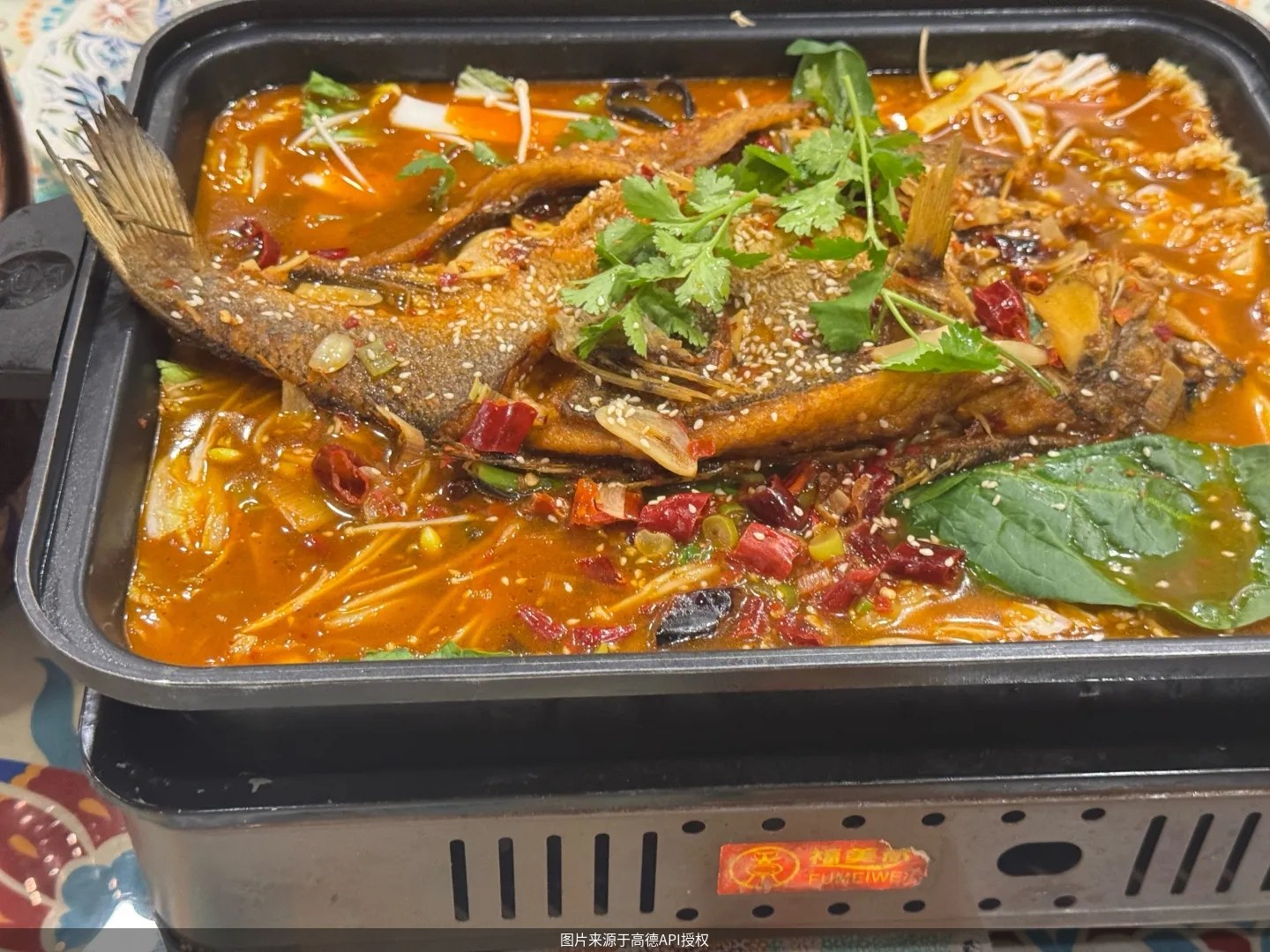
On Chunshu Road, this Xinjiang-themed restaurant is named after 'bayi', the Uyghur word for a wealthy man. It…
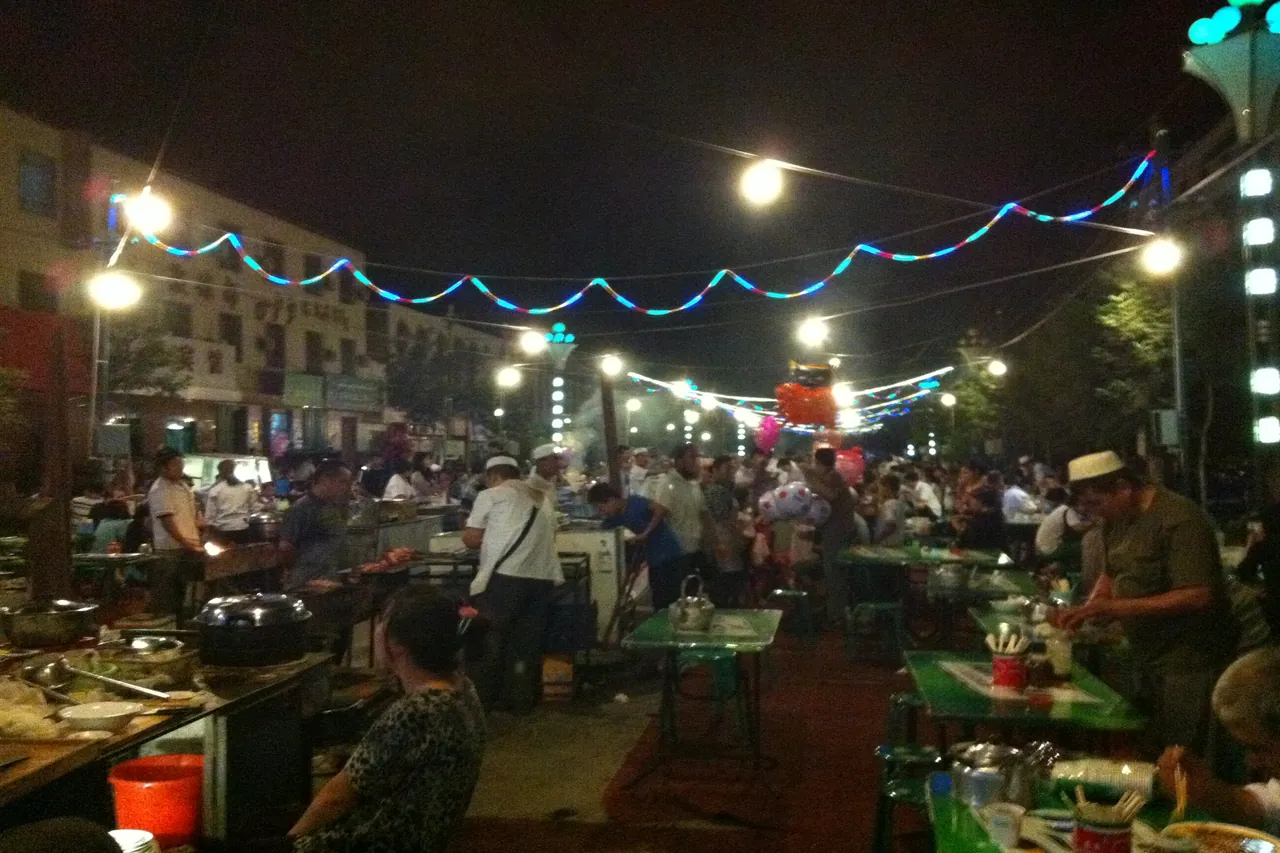
Kebabs, pilaf and baked buns.
Clear skies outside town.
Cooler after dark — Uyghur food streets and cold beer.
Listed sites and the crafts that made this city famous.
The world's largest preserved earthen city, abandoned in the 14th century.
A Silk Road capital of 30,000 people.
Air-dried in brick houses for 40 days.
The 12-part song-and-dance suite, UNESCO heritage.
Senior licensed guides with 10+ years in the field and fluent English — deep on history, culture and local life.
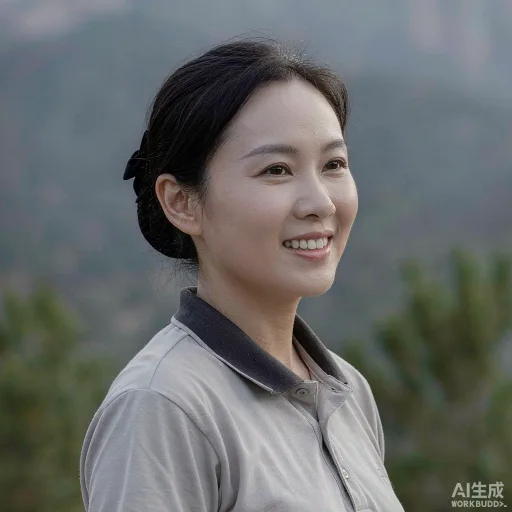
Experienced licensed guides with clear English — solid on city highlights, food and day-to-day logistics.

Licensed guides with workable English — a good-value choice for city days, transfers and standard commentary.

Chauffeur-driven by the day, plus airport and intercity transfers.
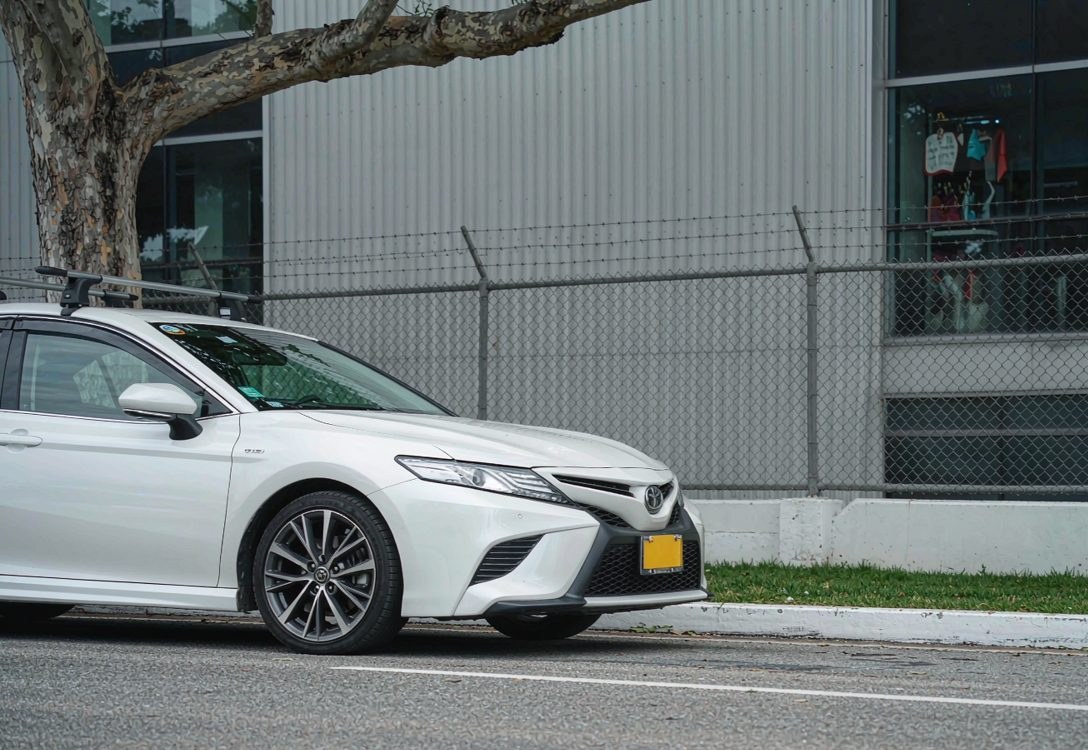

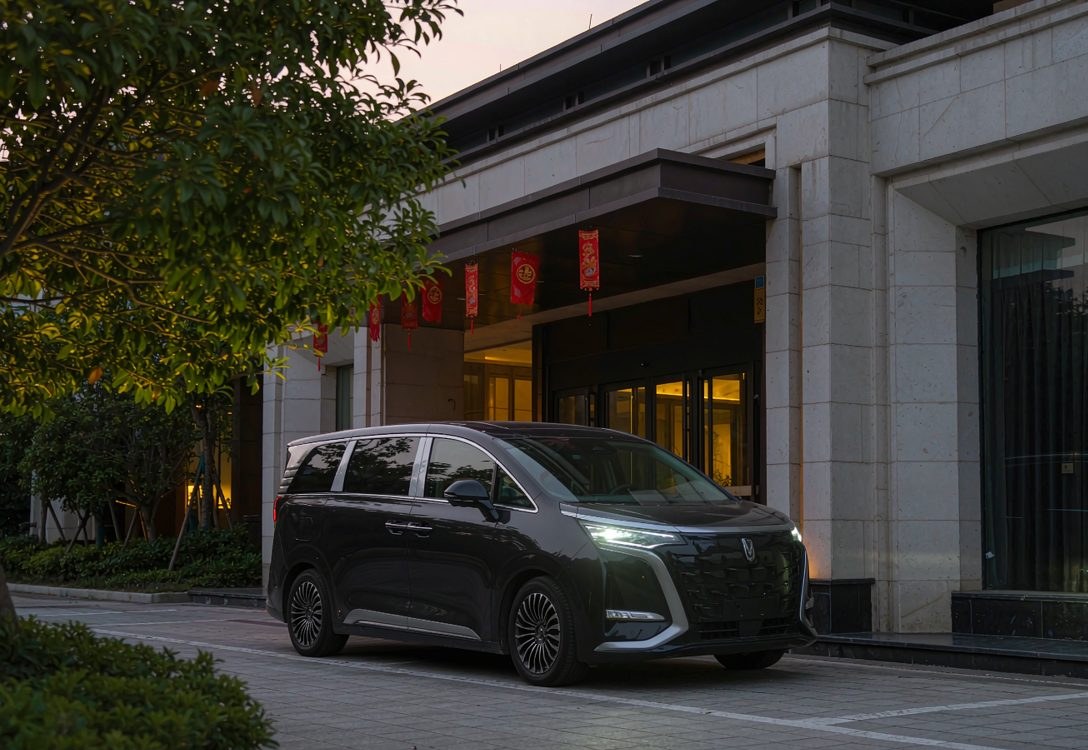
Private chauffeur-driven vehicles, priced per vehicle not per person. Airport transfer from $45; intercity transfer from $180.
On the northwest outskirts, this is Turpan's main civil airport, running flights to Urumqi and other Chinese cities. Adjacent to Turpan North Station and the bus terminal, it offers easy air-rail transfers and serves…
North of the city near Jiaohe Airport, this station sits on the Lanzhou–Xinjiang high-speed line. Its trains serve Urumqi, Hami, Lanzhou and Xi'an, cutting the Turpan–Urumqi journey to about an hour and making it the…
At the junction of Qingnian Road's pedestrian street and Wenhua Middle Road, this large mall houses department stores, dining, a cinema and children's entertainment under one roof. With a broad brand mix, it is one of…
At 168 Xingfu Road, this pedestrian street is themed on Journey to the West, the classic that made the Flaming Mountains famous. Decorated with its motifs and lined with eateries, shops and leisure venues, it invites…
At 120 Bazaar Road, this large ethnic market gathers dried fruit, Hami melons, ethnic dress, carpets and handicrafts. Visitors browse Turpan's specialities amid the bustle of a Silk Road trading town — a classic stop…

10 guides split by trip length: one-day city routes, three-day escapes and longer journeys, with stops, costs and transport in each.
Enter Jiaohe at dawn, duck into the karez tunnels at noon, hide under Grape Valley's vin
Three DaysThree Heritage Days in Turpan: Two Ancient Cities, a Thousand-Buddha Grotto and the Underground CanalsDay one takes Jiaohe, the museum and the minaret, day two the Flaming Mountains, Bezekli
Multi-DayFive Classic Days in Turpan: Two Ancient Cities, the Grottoes, the Desert and the Oasis as One PuzzleTwo days for town and Jiaohe, one for the eastern Flaming Mountains line, one for Grape
Real routes, real travellers — a sense of what a trip looks like.
Most travellers spend 3 days here. Add a day for a side trip if you want a slower pace.
Spring and autumn are usually the most comfortable. Check the seasonal notes above before booking.
We arrange airport/rail transfers and private drivers. Tell us your arrival point and we plan the connection.
Send an enquiry and a human expert replies within 12 hours with a draft plan and real prices. Flexible rescheduling; clear cancellation terms in your quote.
2-day private itineraries in Turpan start from $490 per person, two travelling together. Your proposal itemises hotels, tickets, guide and car — no hidden fees.
Midday is brutal but dawn and evening are fine — and the ruins are empty because most people avoid it.
Turpan North station is on the Lanzhou–Xinjiang high-speed line, 1 hour from Urumqi.
Recent listed prices: Flaming Mountains ¥40; Grape Valley ¥60; Jiaohe Ancient City ¥70; Karez Irrigation System ¥40. Ticket prices change seasonally — we confirm them in your quote.