 TripMyChinaJOURNEYS THROUGH REAL CHINA✦ AI Trip✦ Plan My Trip
English
简体中文
繁體中文
日本語
한국어
ไทย
Tiếng Việt
Bahasa Indonesia
Italiano
Español
العربية
Русский
Deutsch
Français
Bahasa Malaysia
TripMyChinaJOURNEYS THROUGH REAL CHINA✦ AI Trip✦ Plan My TripNanjing · Attractions
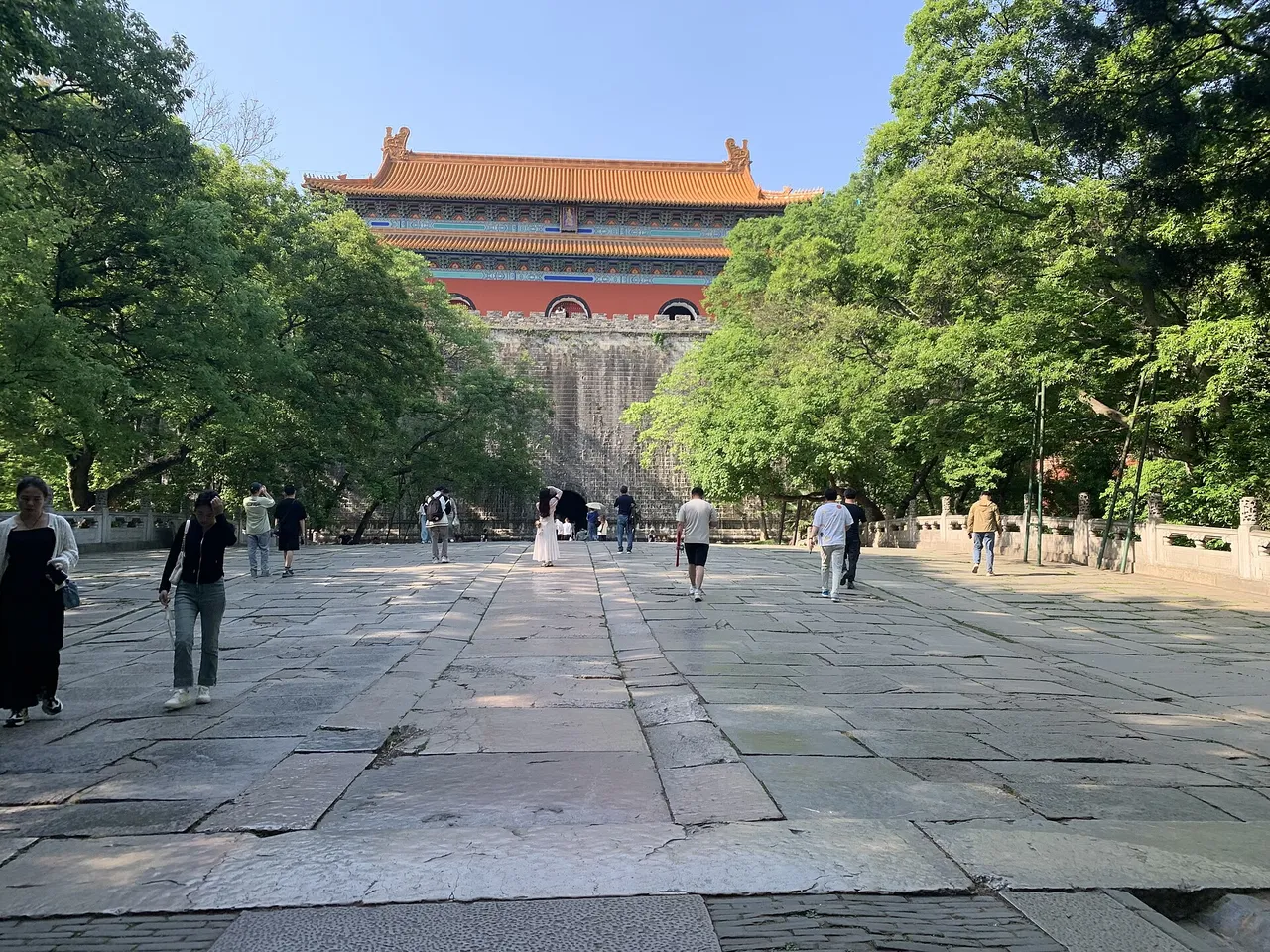
Ming Xiaoling is the resting place of Zhu Yuanzhang, the founder of the Ming dynasty, and the mausoleum that set the architectural template for all later imperial tombs in China. Hidden in the woods of Purple Mountain, it unfolds along a Sacred Way guarded by centuries-old stone elephants, camels and lions, before reaching quiet courtyards beneath the mound itself. Listed as a UNESCO World Heritage Site, it is Nanjing's single most atmospheric historic walk — especially in late autumn, when the plane trees and maples turn the approach into a corridor of gold.
Zhu Yuanzhang rose from peasant origins to drive out the Mongol Yuan dynasty and rule as the Hongwu Emperor from his capital at Nanjing. Work on his tomb began in 1381 and continued after his death, and the layout he chose — a long Sacred Way curving around a hill, followed by ceremonial courtyards and the burial mound — became the model for the Ming tombs near Beijing and the Qing tombs after them. UNESCO inscribed the site in 2003 as part of the Imperial Tombs of the Ming and Qing dynasties.
The visit today has two halves. First comes the Shixiang Road Sacred Way, where six pairs of stone beasts give way to officials and generals, and where photographers gather in November when the surrounding trees blaze yellow. Then the main axis passes the Golden Water Bridge and the Square City terrace, atop which stands the Ming Tower overlooking the grassy mound where the emperor and Empress Ma lie together. The nearby Plum Blossom Hill and the Purple Mountain shuttle make it easy to spend a full morning here.
Ming Xiaoling charges its own admission ticket, typically a few tens of yuan, with a higher price in the plum-blossom and autumn peak seasons — confirm the current fare at the gate. The ticket also covers the main axis and the Sacred Way; the nearby Purple Mountain scenic shuttle costs a small separate fee for a day pass. Opening hours run from early morning until around 17:30, with last entry about an hour before closing, and the grounds are usually open daily rather than closing one weekday. Seniors, students and children enjoy reduced or free entry with valid ID, and passport holders should carry their documents for ticket purchase.
Take Metro Line 2 to Muxuyuan Station, then the Purple Mountain scenic shuttle or a 25-minute walk to the mausoleum gate. Taxis and ride-hailing services can drop you at the parking areas, though weekend traffic restrictions apply on mountain roads. The scenic shuttle circuit also serves Sun Yat-sen Mausoleum and Linggu Temple, so most visitors pair two of the three in one outing. From downtown Xinjiekou the whole trip takes around 40 minutes; organized tours usually combine Ming Xiaoling with the Confucius Temple district in a single day. Wear comfortable shoes — the Sacred Way alone is a 30-minute stroll each way.
Early November is the famous window: the Sacred Way's plane trees and the surrounding maples turn gold and rust-red, and morning mist between the stone animals is pure atmosphere. Late March brings the plum blossom of neighboring Plum Blossom Hill, when the whole mountain smells of flowers. Summer is lush but humid, best visited before 9:00, and winter offers quiet paths and dramatic low light. On any visit, head for Shixiang Road first thing — by mid-morning the Sacred Way fills with tour groups and photographers angling for the same empty-looking shot.
It is the mausoleum of Zhu Yuanzhang, the Hongwu Emperor who founded the Ming dynasty in 1368, buried here with Empress Ma. The tomb has never been excavated, and the original burial chamber remains untouched beneath the mound.
It was the first Ming imperial tomb and its design became the template for the Ming tombs near Beijing and the Qing tombs that followed. UNESCO inscribed it in 2003 as part of the Imperial Tombs of the Ming and Qing dynasties.
Allow two hours to walk the Sacred Way and the main axis at a relaxed pace. Adding Sun Yat-sen Mausoleum or Linggu Temple by shuttle makes a satisfying half-day on Purple Mountain.
The plane trees along Shixiang Road usually turn from late October and hold through mid-November, depending on the year. Morning light and light mist make early visits especially photogenic.
 Full day · 8–10 hours
The city's best-looking stretches are all in the east hills and the old diplomatic quarter
View details → Full day · 8–10 hours
After eight the city moves onto the river: painted boats, lanterns, and a stretch of water that has been written about for fifteen centuries
View details → Full day · 8–10 hours
The city eats roughly 300,000 ducks a day, and you can check that claim between breakfast and midnight
View details →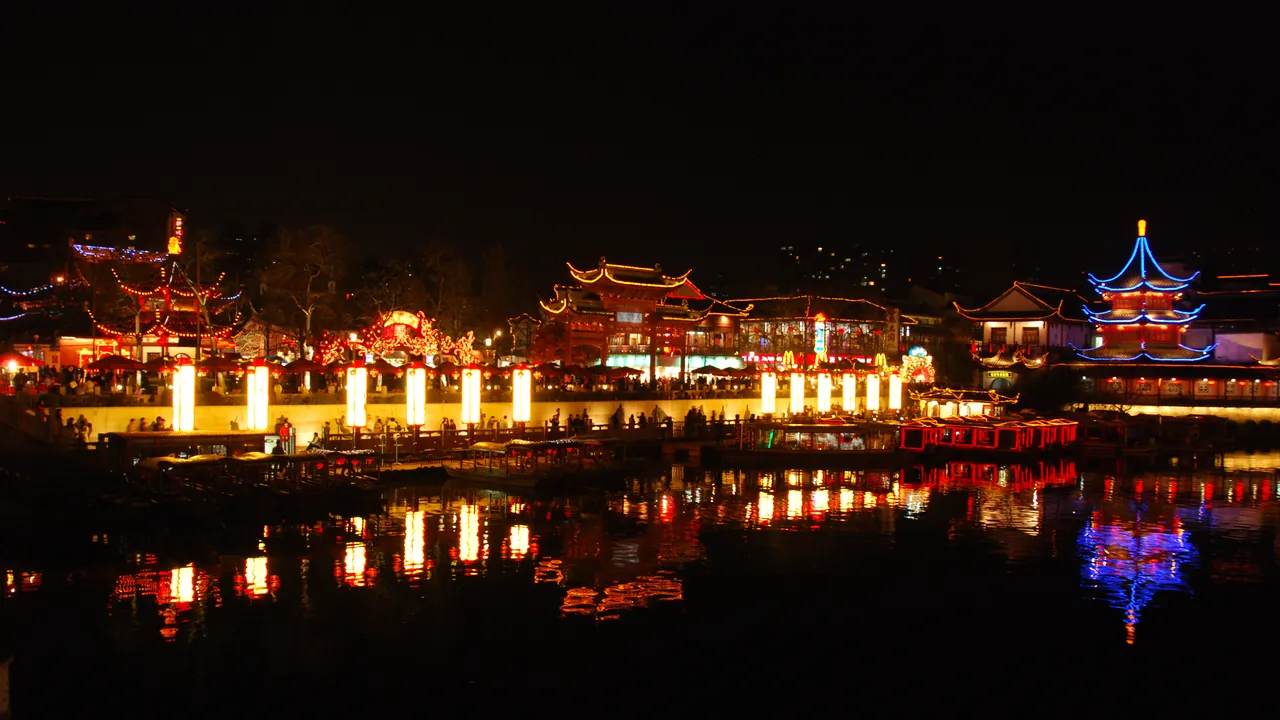 2 days · 1 night · private
This two-day express route pairs Nanjing's two essential faces: the Su
View details →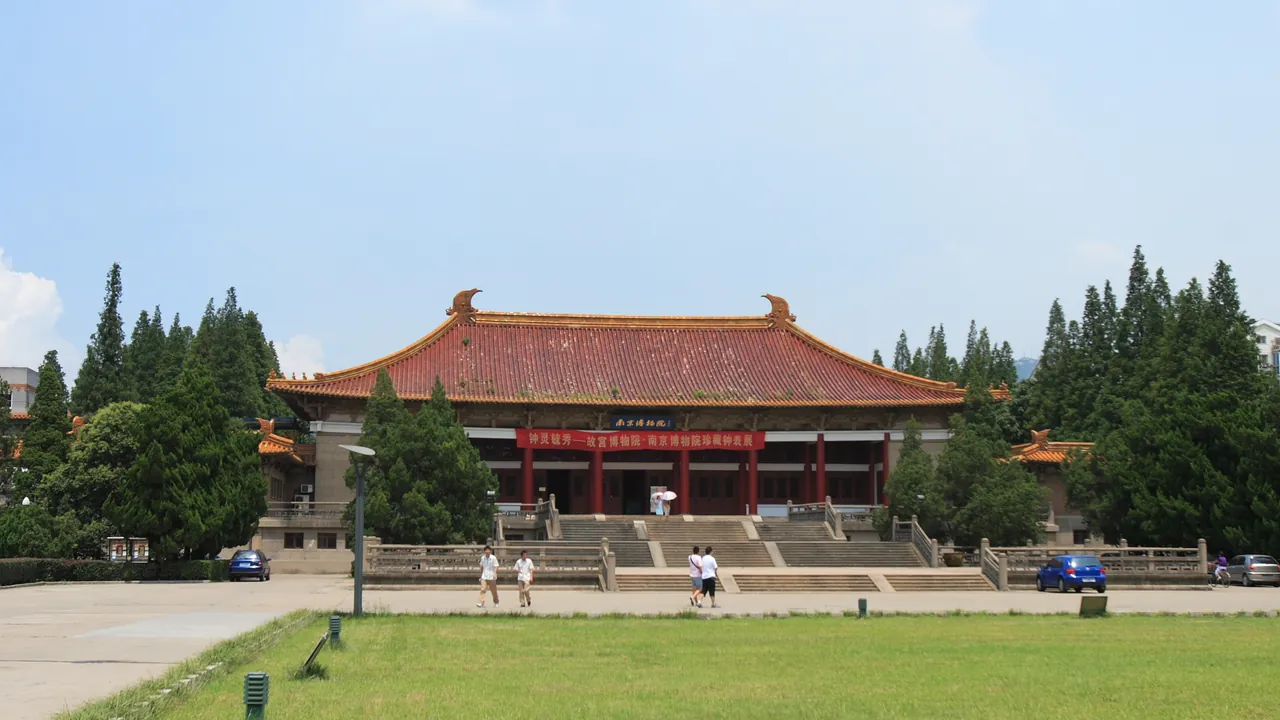 3 days · 2 nights · private
Three days cover Nanjing's classic set: the Sun Yat-sen Mausoleum and
View details →We booked a private guide for our one full day in Nanjing and it was worth every yuan. He walked us down the 600-metre spirit road at Ming Xiaoling right when the ginkgo trees were dropping yellow leaves everywhere, and he knew which stretch was quietest before the tour buses showed up. The whole thing felt like a stroll with a friend who happens to know a lot about Ming history.
Took my two kids (9 and 12) up the Ming wall at Zhonghua Gate and they loved running along the top with the city lights coming on one side. Only gripe: the steps are uneven in places and there's not much signage in English, so keep an eye on little ones. Still, a solid couple of hours and way less crowded than we expected.
Private car & driver, day trips and multi-day routes from Nanjing. · Free consultation · reply within 12h