 TripMyChinaJOURNEYS THROUGH REAL CHINA✦ AI Trip✦ Plan My Trip
English
简体中文
繁體中文
日本語
한국어
ไทย
Tiếng Việt
Bahasa Indonesia
Italiano
Español
العربية
Русский
Deutsch
Français
Bahasa Malaysia
TripMyChinaJOURNEYS THROUGH REAL CHINA✦ AI Trip✦ Plan My TripNingbo · Attractions
Qita Temple — the Temple of Seven Pagodas — is that rare thing: a working Buddhist monastery in the middle of a busy downtown, its incense smoke rising between office towers. Founded in the Tang dynasty and rebuilt many times since, it remains Ningbo's most active urban temple, where locals pray before work and the evening chant drifts over the shopping streets. A visit takes under an hour, costs almost nothing, and gives travelers a genuine slice of living Chinese Buddhism — no mountain hike required, just a five-minute walk from the metro.
The temple's origins reach back to the Tang dynasty, and its name comes from seven small pagodas that once marked its forecourt. It rose to prominence in the Song era and was extensively rebuilt in the Qing dynasty after destructive fires, which is why the present halls carry a handsome late-imperial style: gray brick, carved stone gateways and gilt Buddhas under dark beams. It belongs to the Chan (Zen) tradition and keeps a full monastic schedule of chanting, study and ritual.
What visitors notice first is the rhythm of daily devotion. Grandmothers light candles at dawn, businesspeople bow between meetings, and the courtyard's stone incense burners work overtime on the first and fifteenth days of the lunar month. The halls enshrine a celebrated set of gilded Buddha figures, and the temple's stone steles record a millennium of patronage. Between the Drum Tower's food streets and the old-city shopping core, it slots effortlessly into any central Ningbo walk — an authentic contrast to the polished tourist temples elsewhere.
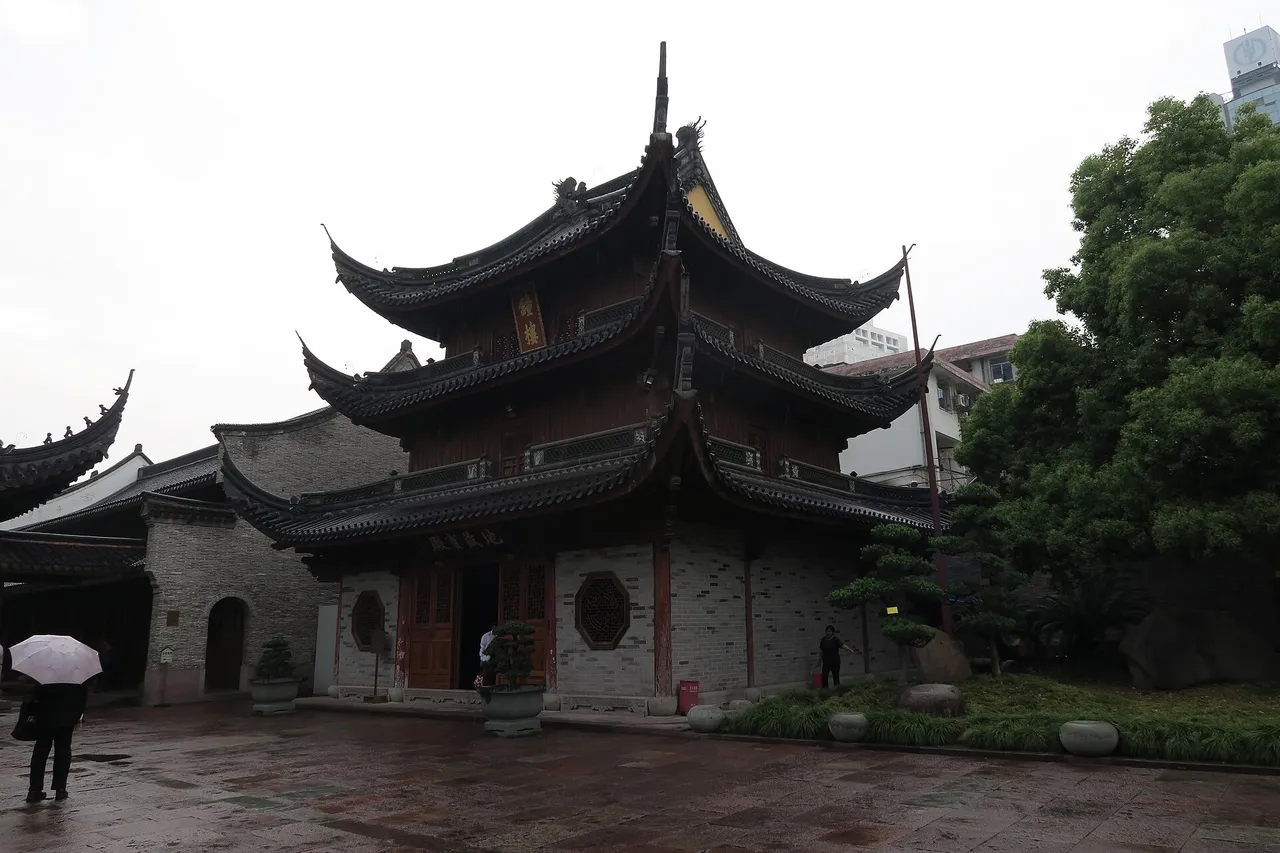
Admission is free or a nominal few yuan depending on the period — the temple operates primarily as a place of worship rather than a ticketed attraction, and policies occasionally change. Opening hours generally follow daylight: roughly from early morning until about 16:30 or 17:00, with the most devotional atmosphere at dawn and during the lunar month's first and fifteenth days. Incense is provided or sold cheaply on site. As access rules and hours can shift with religious festivals and renovations, a quick confirm with your hotel or guide on the day is wise; no advance booking has been needed in recent years.
Qita Temple stands on Zhongshan Road in the heart of the old city, a two-minute walk from the Caihong Road/Ningbo metro interchange area served by Lines 1 and 2. From Ningbo Railway Station it is two stops by metro or a 15-minute taxi ride. The Drum Tower and its food streets are ten minutes on foot to the west, and Tianyi Pavilion and Moon Lake about 20 minutes further — an easy all-pedestrian loop of the old city's core. The temple is compact, with the main halls on a single axis, so allow 30 to 60 minutes. Come after the morning rush if you want quieter courtyards, or on a festival morning if you want the full spectacle.
Any morning works, but two windows stand out. First, early weekday mornings around 7:00 to 8:00, when locals pray before work, monks chant, and the courtyards feel authentically local rather than touristic. Second, festival mornings — lunar new year, Buddha's birthday and the first and fifteenth of each lunar month — when candle queues stretch across the forecourt and the air turns thick with incense; extraordinary to witness, though crowded. Avoid mid-afternoon, when the halls are dim and sleepy. Winter light through the gate smoke makes surprisingly good photographs; in summer, come early before the stone courtyards heat up.
The name comes from seven small pagodas that once stood in its forecourt in the Tang dynasty. The pagodas are gone, but the name has marked the temple for over a thousand years.
It is free or charges a nominal few yuan, depending on the period. The temple functions first as a place of worship, and no advance booking has been required in recent years.
Thirty to sixty minutes covers the halls and courtyards comfortably. Its central location means you can easily slot it between the Drum Tower and Moon Lake in one walking loop.
Yes — visitors may quietly observe morning and evening chanting from the courtyard or hall edges, following locals' cues on etiquette. Photography during services should be discreet and without flash.
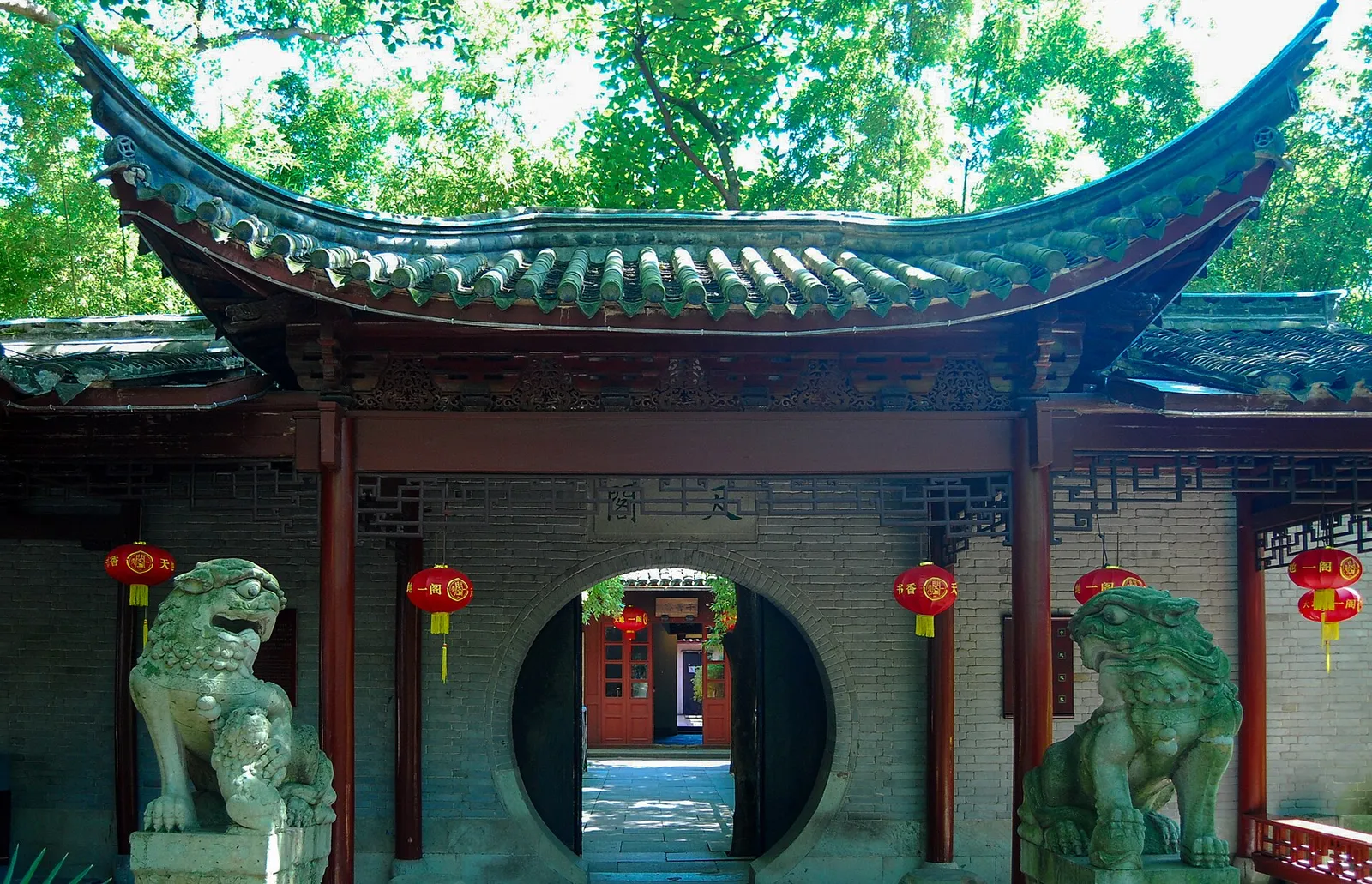 Full day · 8–10 hours
The oldest private library in Asia, a timber hall from 1013, and a riverfront opened to foreign trade in 1844
View details →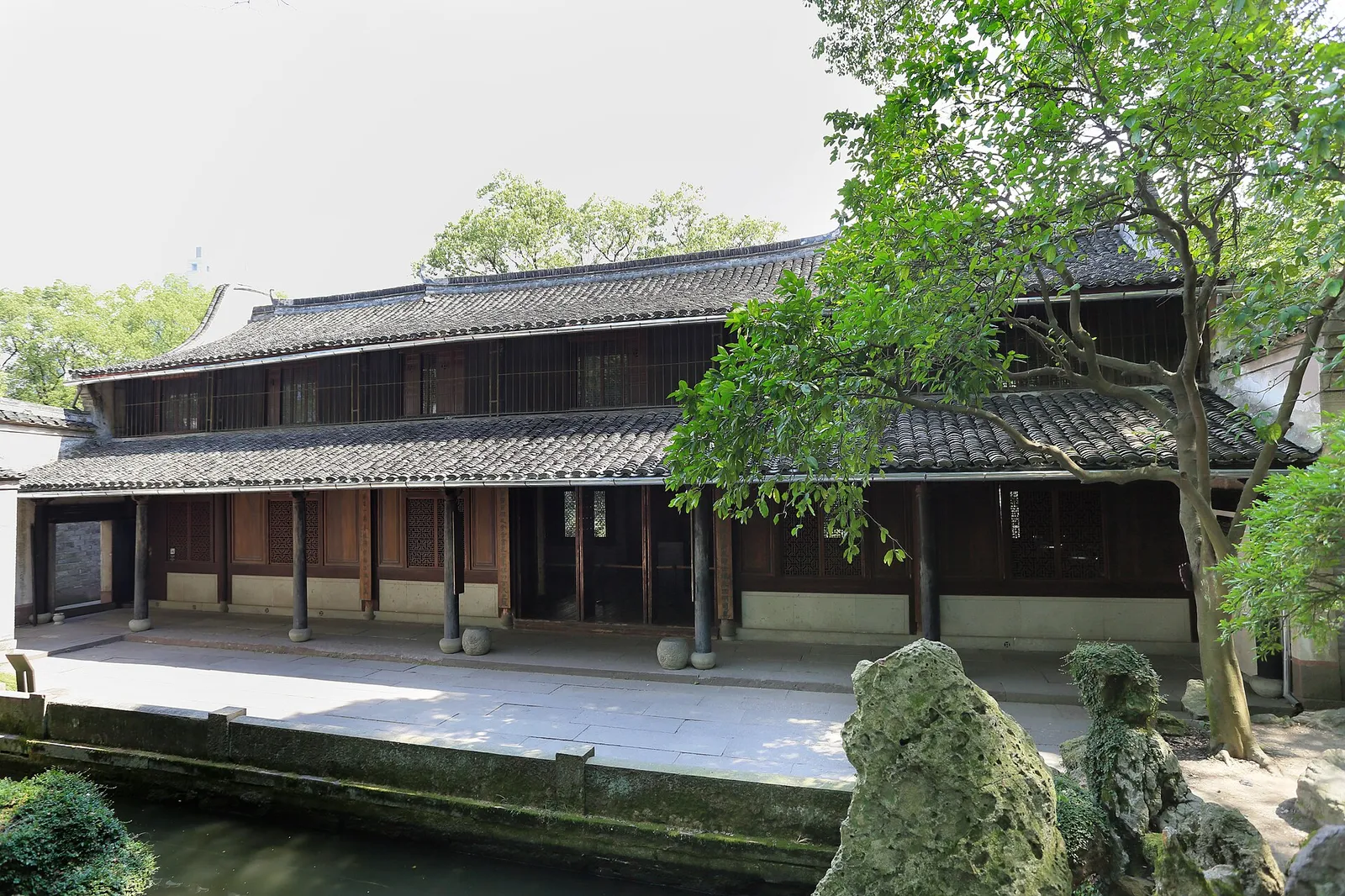 Full day · 8–10 hours
A lake three times the size of Hangzhou's West Lake, a hillside of Song statuary, then a mountain road
View details →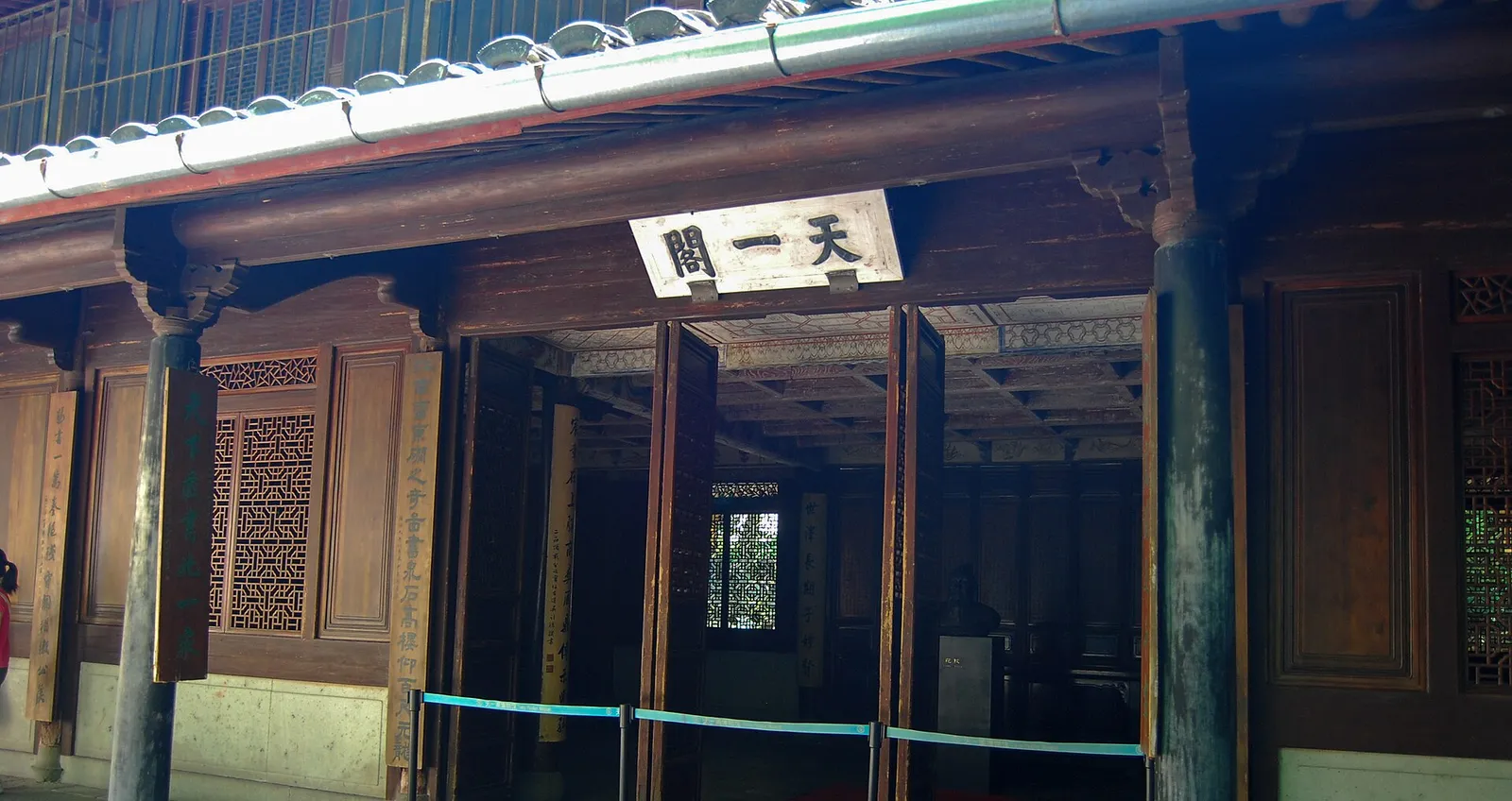 Full day · 8–10 hours
Hands-on exhibits before lunch, then four floors of indoor rides while the weather does what it likes
View details → 2 days · 1 night · private
Two compact days covering Ningbo's essentials. Walk Tianyi Pavilion's
View details → 3 days · 2 nights · private
Three days covering Ningbo's full register. Read Tianyi Pavilion besid
View details →Booked a private guide for one day and he took me to Tianyi Pavilion right at 8am. We were the only two people in that garden for almost half an hour, and he explained the library's history in a way that felt like a conversation, not a lecture. Cost more than a group tour but worth it for the quiet alone.
Took our two kids (9 and 12) to the Ningbo Museum and they actually stayed interested for over an hour, which never happens. The building itself is made from bricks and tiles of torn-down old villages, and my son kept asking which house his brick came from. We spent the rest of the afternoon by Dongqian Lake, which was empty enough that the kids could run around without me worrying.
Private car & driver, day trips and multi-day routes from Ningbo. · Free consultation · reply within 12h