 TripMyChinaJOURNEYS THROUGH REAL CHINA✦ AI Trip✦ Plan My Trip
English
简体中文
繁體中文
日本語
한국어
ไทย
Tiếng Việt
Bahasa Indonesia
Italiano
Español
العربية
Русский
Deutsch
Français
Bahasa Malaysia
TripMyChinaJOURNEYS THROUGH REAL CHINA✦ AI Trip✦ Plan My TripNanchang · Attractions
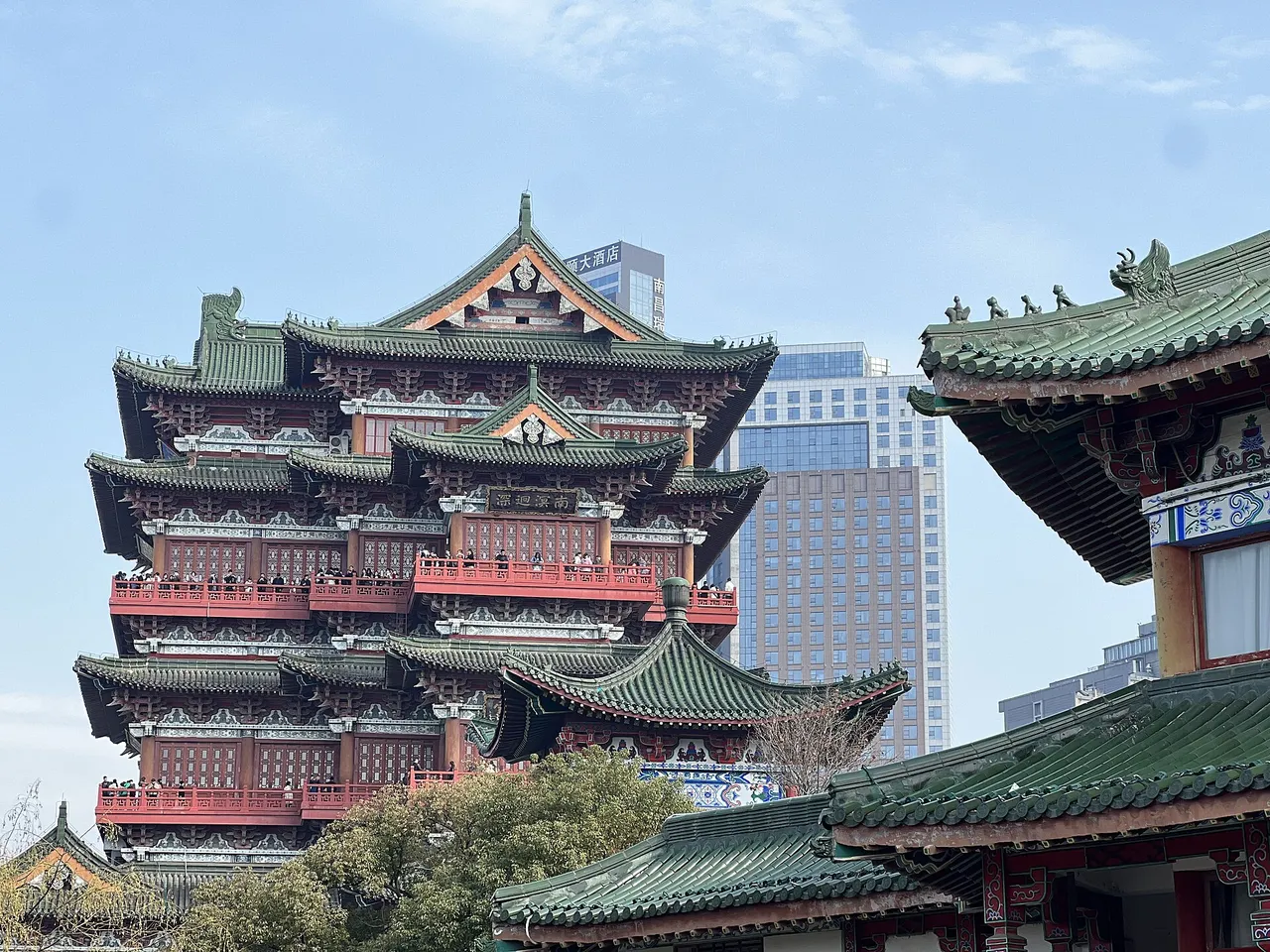
The Pavilion of Prince Teng (Tengwang Ge) is Nanchang's emblem and one of the Three Great Towers of southern China, standing in a green park above the Gan River. First built in 653 AD by a Tang prince, it was immortalized a generation later when the young genius Wang Bo wrote his Preface to the Pavilion of Prince Teng, one of the most celebrated works in Chinese literature. The current building, the 29th reconstruction, rises nearly 60 meters in resplendent Tang-style concrete and timber, and its upper galleries deliver the finest river views in the city.
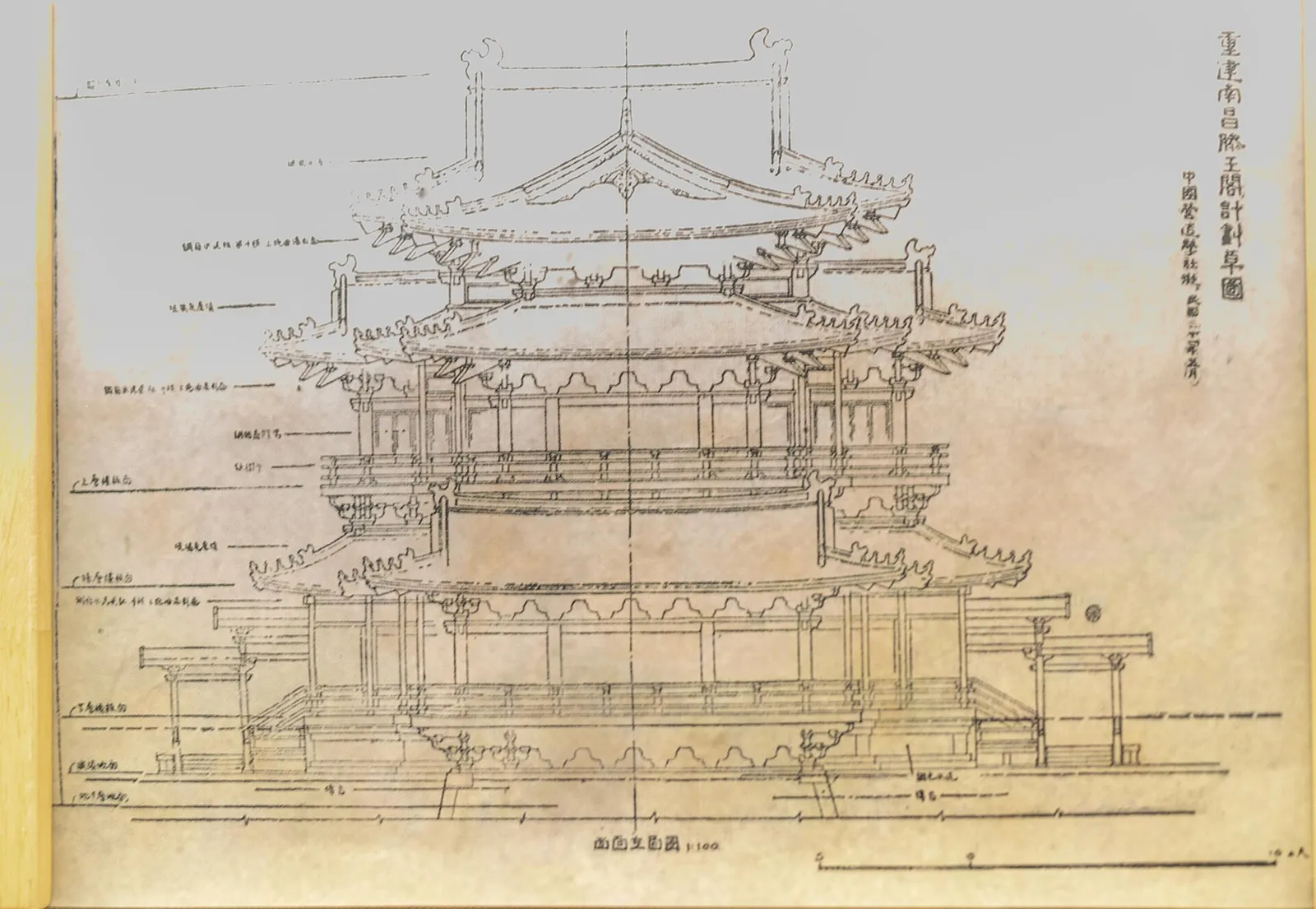
The pavilion owes its fame to literature rather than architecture. In 675, at a banquet held in the freshly rebuilt tower, the poet Wang Bo composed the Tengwang Ge Xu on the spot, coining phrases so beloved that they remain household idioms today, including the evocation of sunset clouds flying with a lone duck and autumn waters sharing one color with the long sky. The building was destroyed and rebuilt 28 times over the centuries, each era redrawing it, until the current 1989 reconstruction restored it in monumental Tang style based on Song-dynasty paintings.
Inside, the pavilion is arranged as a vertical museum: each floor holds exhibits on the preface, Tang-era Nanchang, porcelain and the many reconstructions, culminating in a top-floor hall with a gilded panorama mural. The observation galleries wrap all four sides, looking over the Gan River bridges, the riverside promenades and the old city. At night the tower is floodlit and the riverside glows, so evening visits reward photographers. The site anchors the old-town sightseeing chain together with the Wanshou Palace historic district and Youmin Temple, all within a short walk or taxi ride.
Entrance to the pavilion requires a ticket, priced in the moderate range for a major Chinese landmark, with discounts for students, children and seniors; night sessions, when offered, may be ticketed separately, so check the official channels or at the gate. The site is typically open from morning to early evening, roughly 8:00 or 9:00 until 17:30 or 18:00, with extended evening hours in peak seasons and holidays. Foreign visitors should carry a passport for ticket purchase or reservation, as identity documents are commonly required. Expect crowds during Chinese holidays and around sunset; the climb is manageable via stairs with an elevator serving visitors with mobility needs. Keep 1.5 to 2.5 hours for the full experience including the museum floors.
The Pavilion of Prince Teng stands in a riverside park on the west edge of Nanchang's old town, where Fanggu Road meets the Gan River embankment. Nanchang Metro Line 1 stops within a few minutes' walk, and taxis from anywhere downtown take 10 to 15 minutes. The visit takes 1.5 to 2.5 hours including the climb and exhibits, with elevators available for those who need them. It pairs naturally with the Wanshou Palace historic district a short ride away for evening food streets, Youmin Temple in the city center, and the riverside walkways along the Gan. Many travelers also continue to the Nanchang Star Ferris Wheel across the river for a sunset-to-night combination.
The pavilion is an all-weather, all-season sight, but the finest moments are sunset and blue hour, when the Gan River turns gold and then the city lights come on around the floodlit tower. Clear autumn days, from October to December, offer the crispest long views up and down the river. Summer mornings are comfortable before the Jiangxi heat builds, and even rainy days suit the interior museum floors. Avoid national holiday middays when the narrow upper galleries congest; on ordinary weekends, arriving an hour before sunset secures the light without the peak crush. If your schedule allows only one Nanchang landmark, this is the one that condenses the city's history, poetry and skyline into a single visit.
It is one of China's Three Great Towers and the subject of Wang Bo's Preface to the Pavilion of Prince Teng (675), one of the most celebrated works of Chinese literature, written here at a Tang-dynasty banquet.
No, the pavilion was destroyed and rebuilt 29 times. The current structure dates from 1989 and reproduces Tang-style grandeur based on Song-dynasty paintings of the tower.
Plan for 1.5 to 2.5 hours, covering the climb, the exhibition floors and the observation galleries. Photographers staying for sunset often linger longer.
Yes, an elevator serves visitors with mobility needs, and the upper galleries are reachable without climbing the full stairway.
 Full day · 8–10 hours
The city runs on four-yuan soup and three-yuan noodles, and it is proud of it
View details →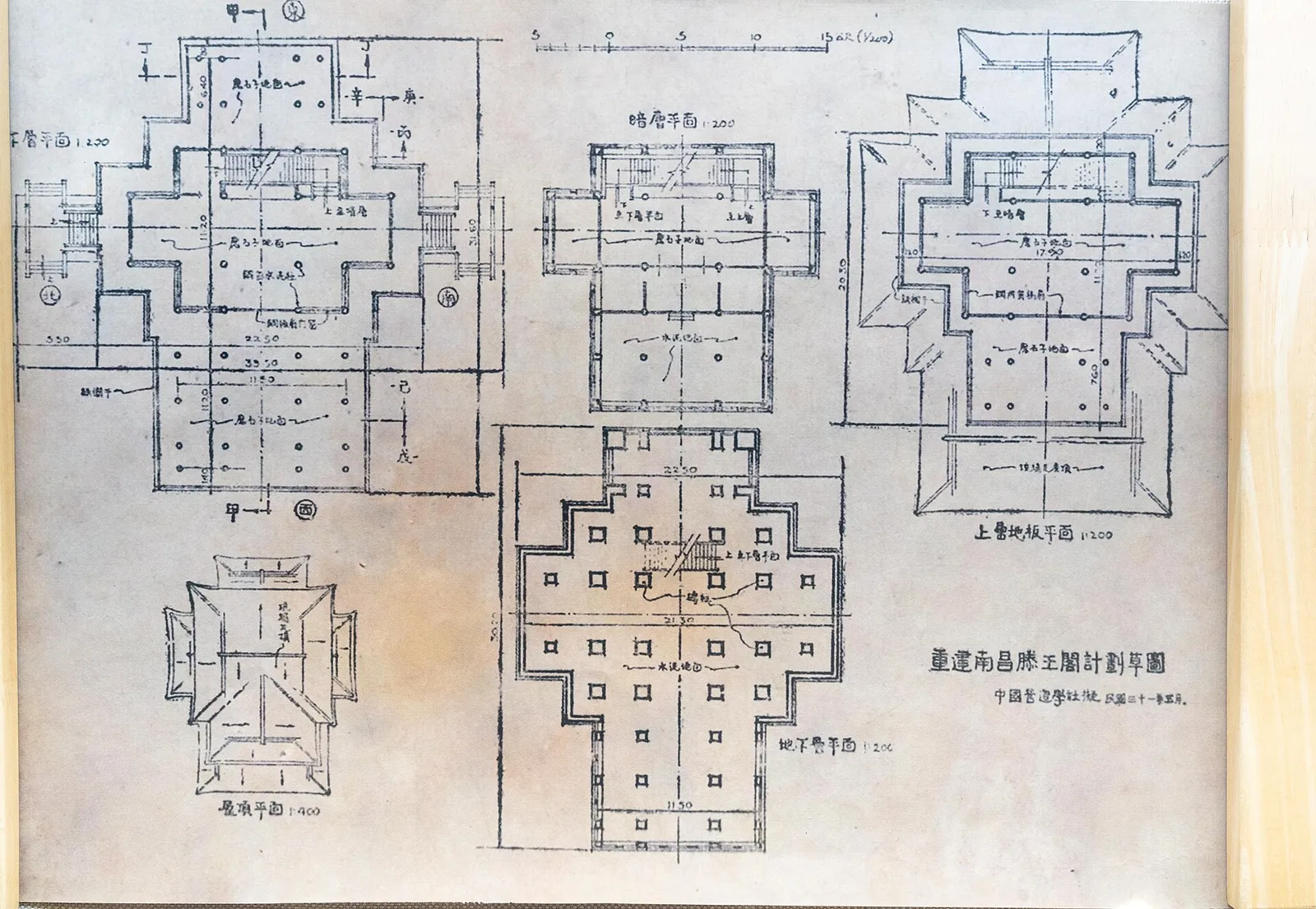 Full day · 8–10 hours
A Tang poem, a gunshot that started a war, and the old commercial quarter
View details →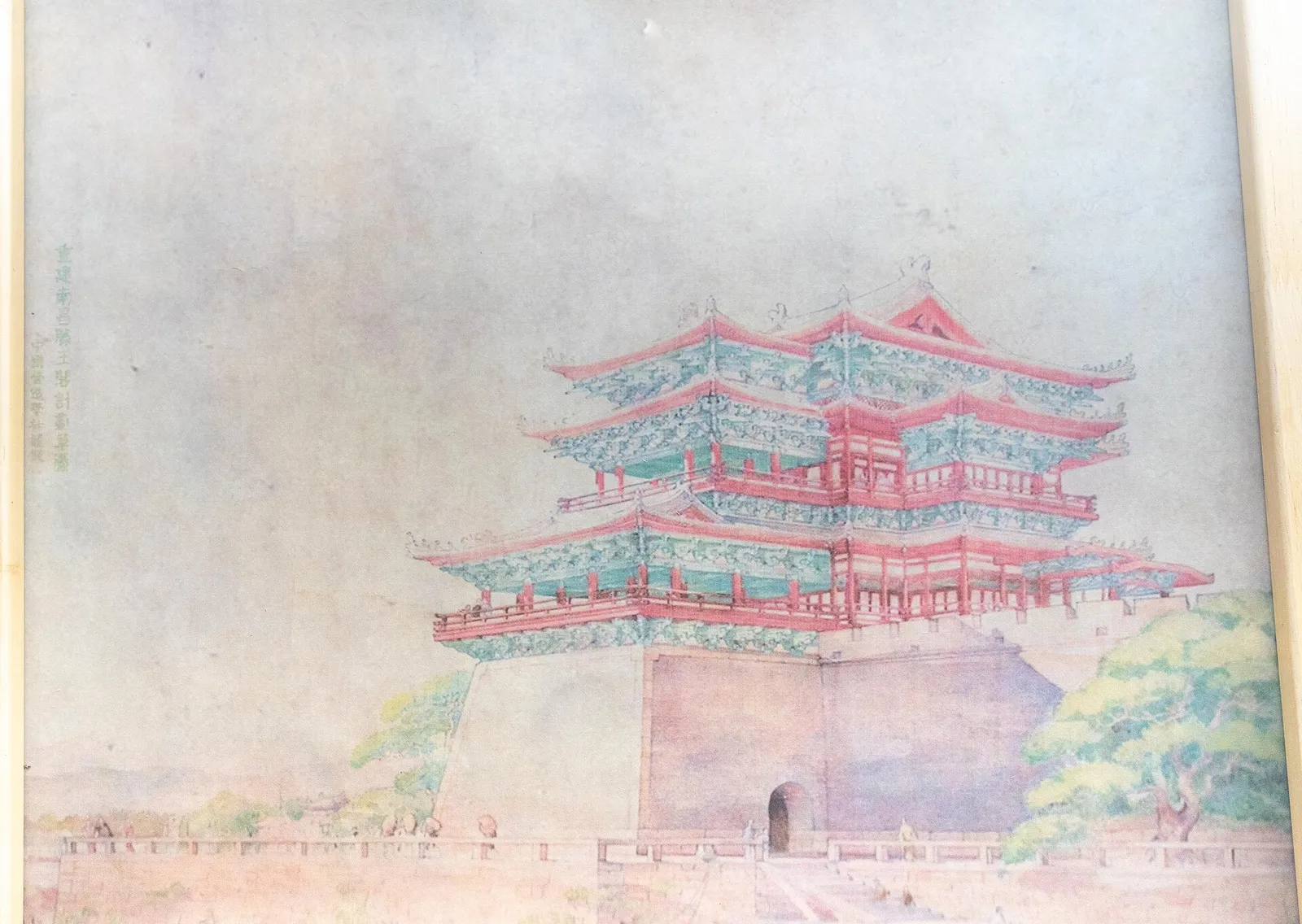 Full day · 8–10 hours
Out of the city in 40 minutes, into a forest that stays cool in August
View details → 7 days · 6 nights · private
Wuxia-dream valleys, harvest rooftops and the porcelain capital where
View details → 2 days · 1 night · private
A compact first-visit loop of Nanchang: the rebuilt Tengwang Pavilion
View details →Booked a private guide for one day in Nanchang and it was worth it just for Tengwang Pavilion. My guide read out chunks of Wang Bo's essay at the spots they describe, which I would have totally missed on my own. Also squeezed in the August 1 Uprising Memorial — the 1927 timeline there is laid out clearly enough that I actually followed it.
Took the kids to the August 1 Uprising Memorial and they were more into it than I expected — the old rifles and the dioramas kept them quiet for a solid hour. Wanshou Palace afterwards was a good reward, we let them pick snacks from the stalls. Only gripe: the pavilion stairs were packed on a Saturday, so go early if you have little ones.
Private car & driver, day trips and multi-day routes from Nanchang. · Free consultation · reply within 12h