 TripMyChinaJOURNEYS THROUGH REAL CHINA✦ AI Trip✦ Plan My Trip
English
简体中文
繁體中文
日本語
한국어
ไทย
Tiếng Việt
Bahasa Indonesia
Italiano
Español
العربية
Русский
Deutsch
Français
Bahasa Malaysia
TripMyChinaJOURNEYS THROUGH REAL CHINA✦ AI Trip✦ Plan My TripNanchang sits on the Gan River in Jiangxi, known for Tengwang Pavilion, made famous by Wang Bo's prose poem, and for the August 1 Uprising Memorial that marks the city's place in modern Chinese history. Its old streets and local food, from clay-pot soup to mixed rice noodles, are part of the everyday texture of the city.
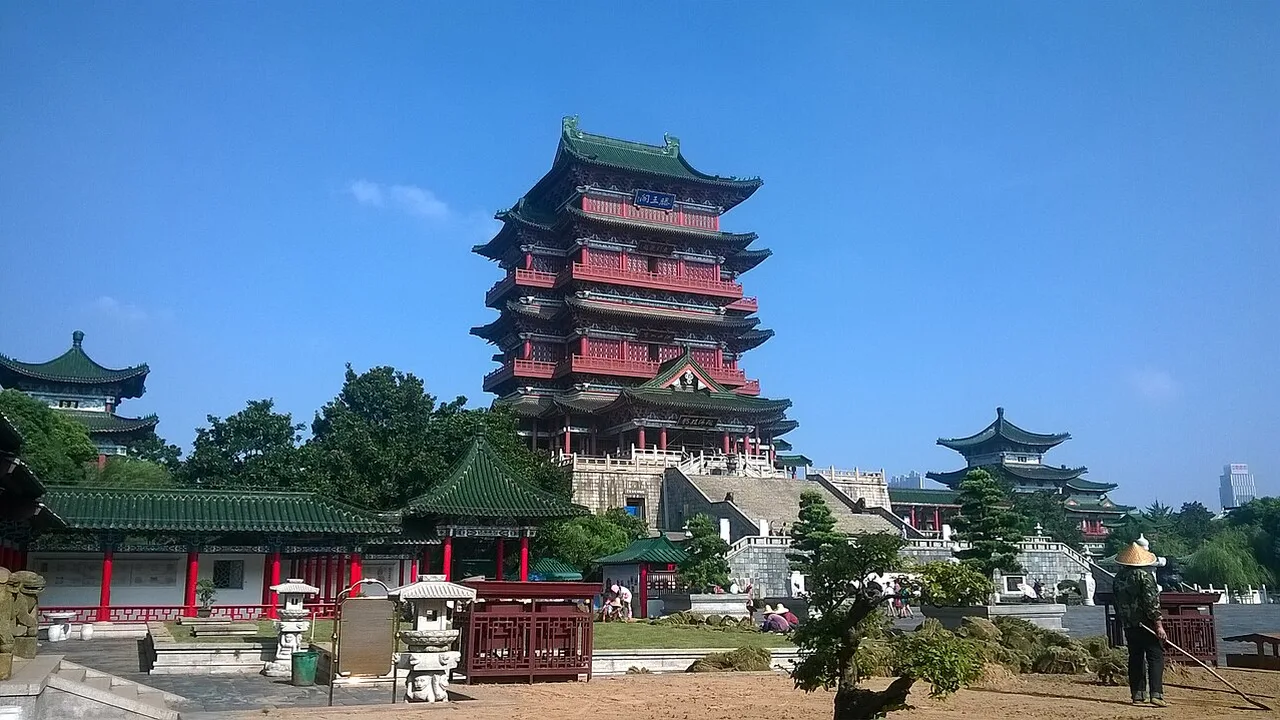
Nanchang is the capital of Jiangxi Province, sitting on the lower reaches of the Gan River in southeastern China. As the province's political, economic and transport hub, it is the natural first stop for travellers entering Jiangxi, with rail and air links to the rest of the country.
The city is best known for the Nanchang Uprising of 1927, which gives it a central place in modern Chinese history and earned it the name 'Hero City'. Older layers of its past sit alongside that: Tengwang Pavilion has drawn poets and officials since the Tang dynasty, and Buddhist temples and river trade shaped the old town long before.
Most visits centre on the old city along the Gan River. Tengwang Pavilion is the landmark, with the river and the modern skyline visible from its upper galleries. Nearby, the August 1 Uprising Memorial tells the city's modern story, while Wanshou Palace historical district, Youmin Temple and Shengjin Pagoda show the older street and religious fabric. In the evening, the riverside promenade is where locals gather for the Gan River light show.

The moments that shaped the city — and the stories its people still tell.
First built in 653 during the Tang dynasty, the pavilion became famous through Wang Bo's 'Preface to the Pavilion of Prince Teng'.
The August 1 Uprising took place in Nanchang in 1927, later commemorated by the August 1 Uprising Memorial Hall.
Shengjin Tower is a historic pagoda in Nanchang dating from the Tang dynasty.
Youmin Temple is an ancient Buddhist temple in Nanchang with Tang dynasty origins.
The Wanshou Palace area preserves historic streets and architecture in Nanchang.
The Gan River runs through Nanchang and its night scenery is a noted feature of the city.
Wang Bo's 'Preface to the Pavilion of Prince Teng' made Tengwang Pavilion famous and is still associated with the site.
Nanchang is known for wa guan tang (clay-pot soup), ban fen (mixed rice noodles) and bai tang gao (sugar cake).
The 1927 August 1 Uprising is a defining event in Nanchang's modern history, remembered at the August 1 Uprising Memorial Hall.
Three paces, one city — every route built from places we actually operate.
Weather, crowds and the best months for what you want to see.
Mild weather suits walking the historic blocks and temple grounds.
Hot days; evenings are better for the Gan River night scenery.
Clear, comfortable weather for visiting Tengwang Pavilion and Shengjin Tower.
Cooler and quieter; check official channels for opening arrangements.
What this city is known for — the things worth planning your day around.
The places worth building a day around.
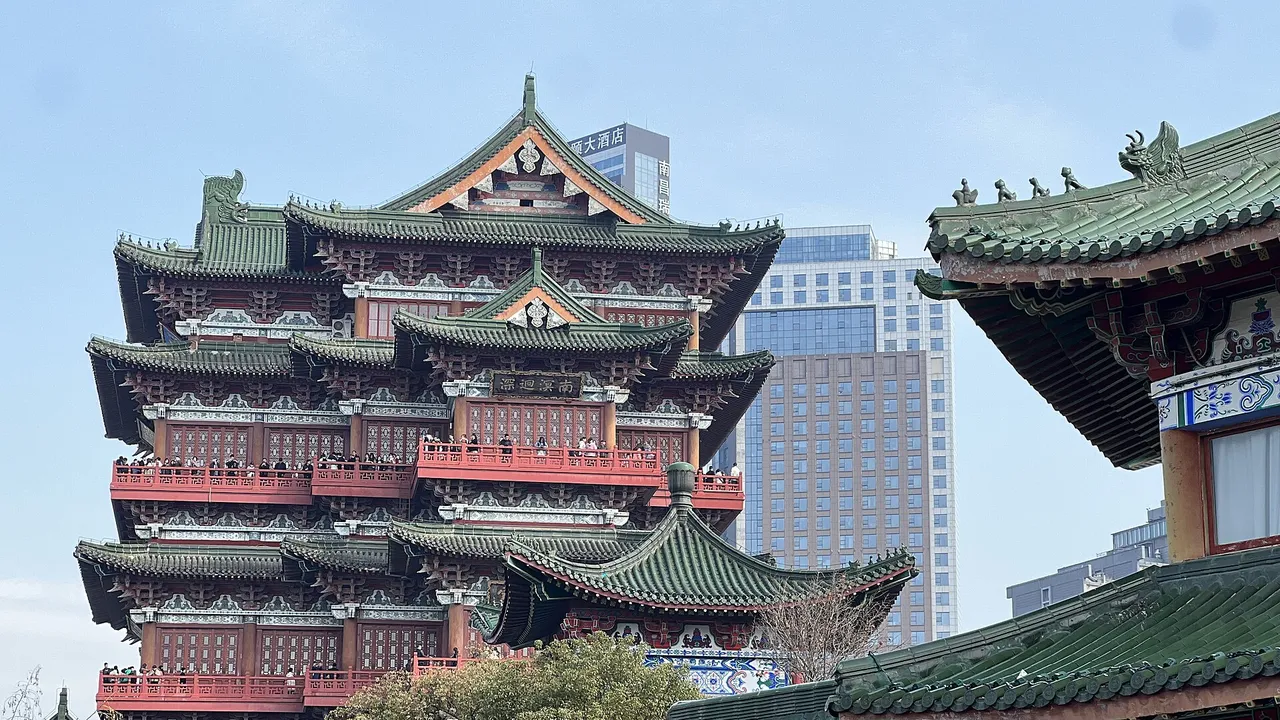
The Pavilion of Prince Teng (Tengwang Ge) is Nanchang's emblem and one of the Three Great Towers of southern China, standing in a green park above the
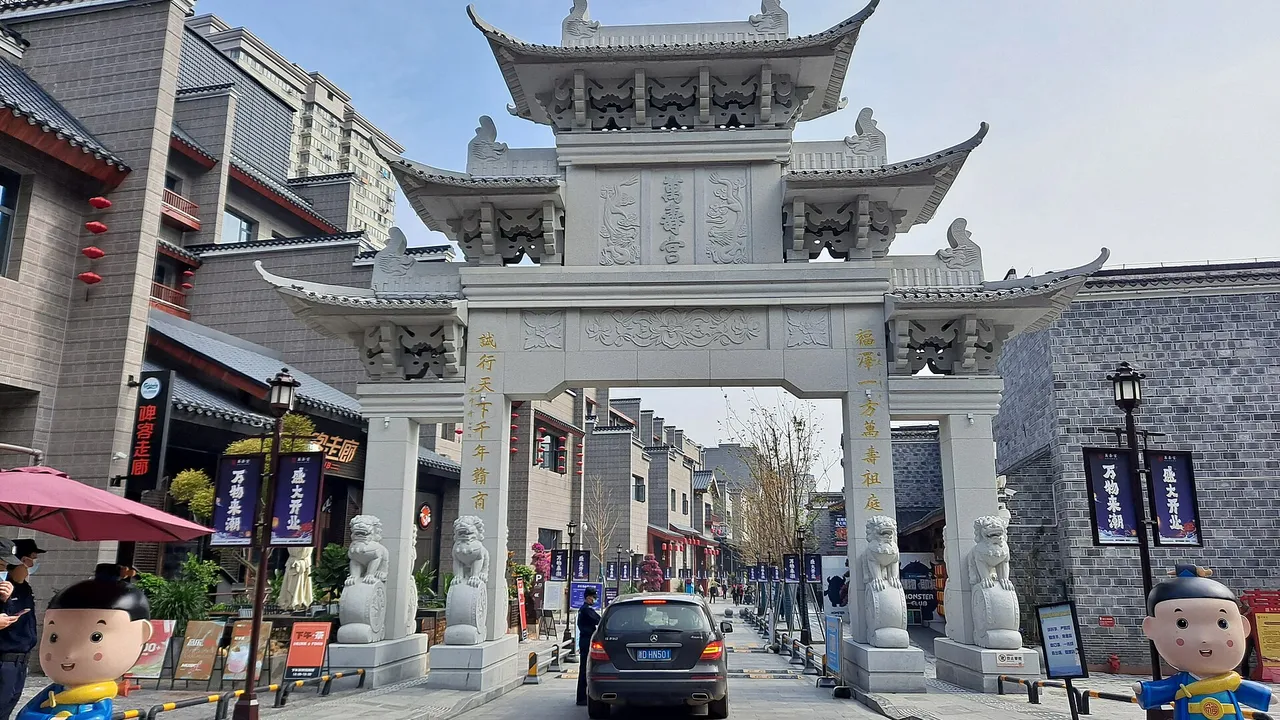
The Wanshou Palace Historic District is the beating heart of old Nanchang, a restored quarter of stone-lane streets, gray-brick facades, teahouses and
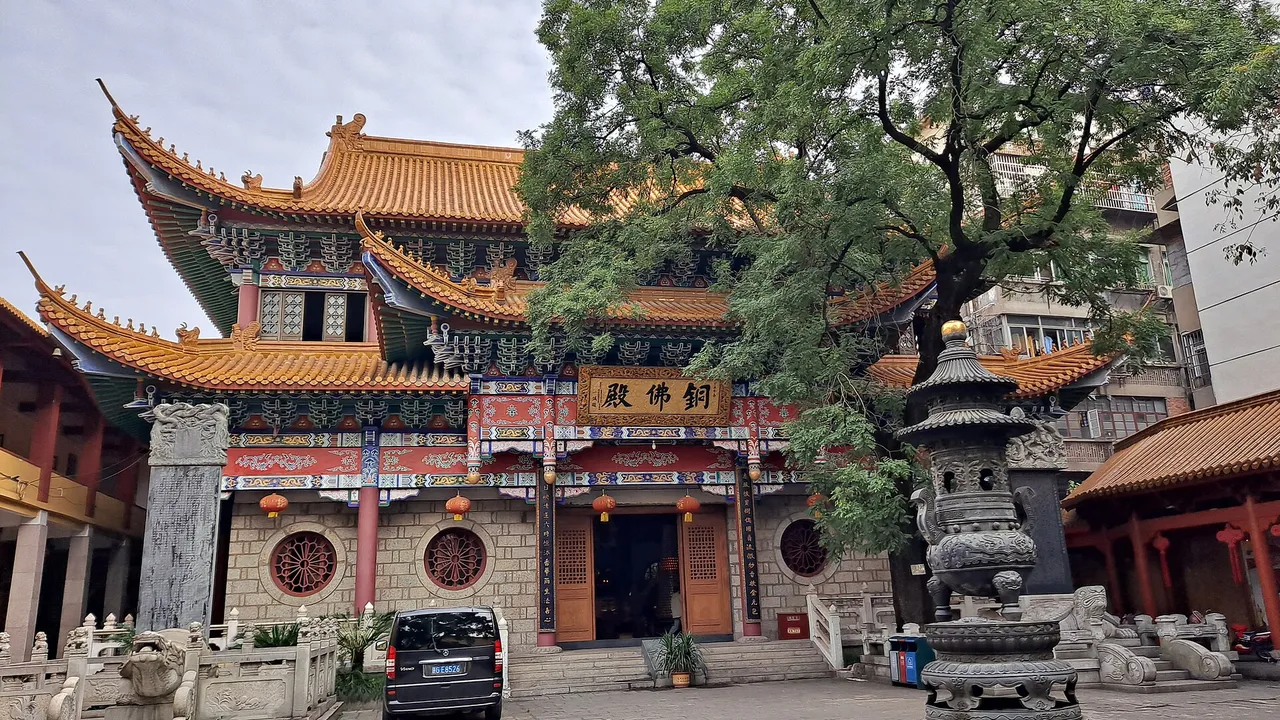
In the middle of downtown Nanchang, hemmed in by shopping streets, Youmin Temple has been a working Buddhist monastery for some 1,400 years. Founded i
Where the whole street eats — the city's most famous food streets, each with its own guide page.
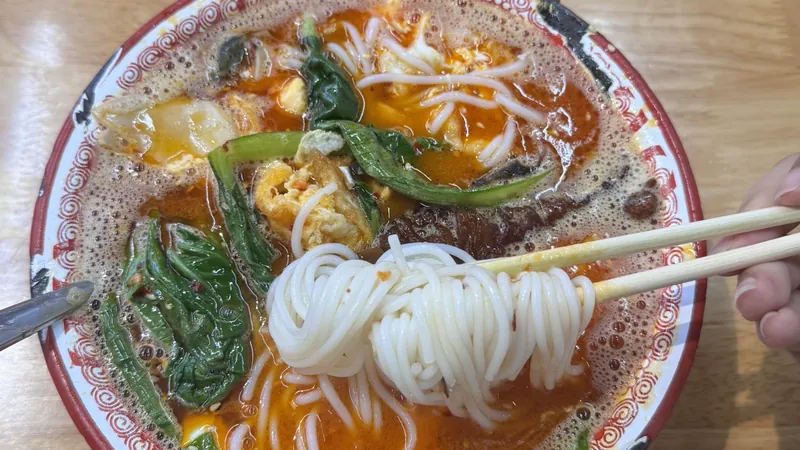
A common Nanchang soup, slow-cooked in small clay pots and often eaten at breakfast or alongside a meal.
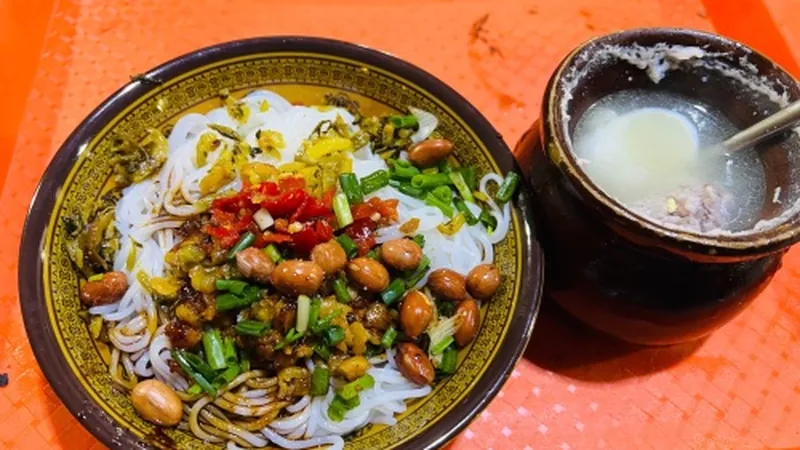
An everyday rice noodle dish in Nanchang, tossed with seasonings and often eaten with clay-pot soup.
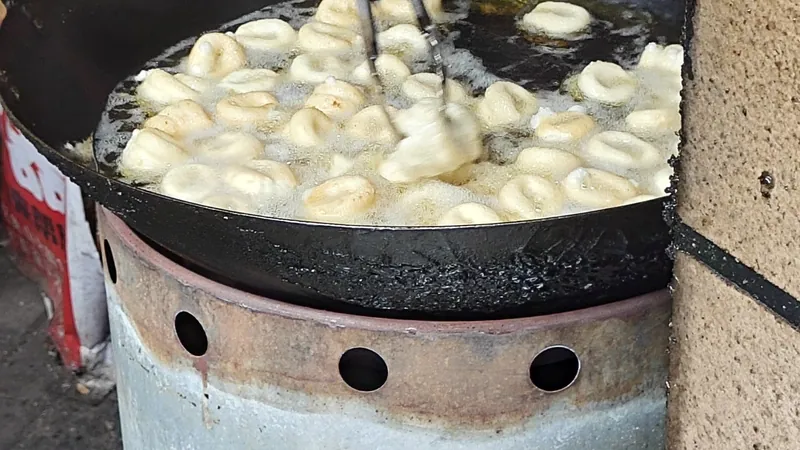
A traditional Nanchang sweet snack seasoned with white sugar, commonly found locally.
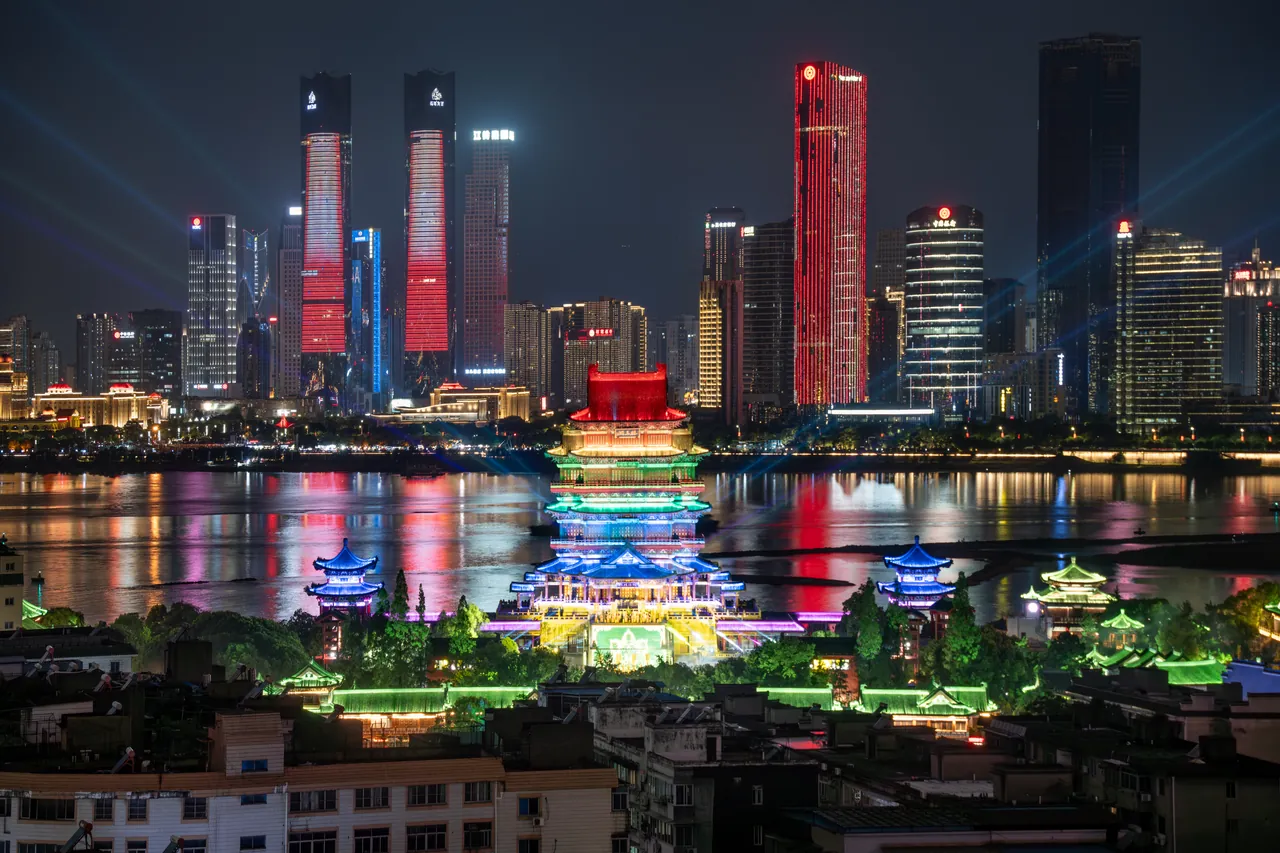
The riverfront is a straightforward evening walk with views across the water.
Old-street lanes that are pleasant to wander in the evening.
A local soup tradition, often eaten as a simple evening meal.
Rice noodles mixed with seasonings, a common local staple.
Evenings in Nanchang center on the Gan River and the old streets, with local snacks close at hand.
Listed sites and the crafts that made this city famous.
A historic and cultural block in Nanchang, known for its old streets and lanes.
A memorial hall commemorating the August 1 Uprising, a key site in Nanchang.
A pavilion made famous by Wang Bo's 'Preface to the Pavilion of Prince Teng'.
A pagoda in Nanchang and one of the city's recognized landmarks.
A local soup tradition in Nanchang, cooked and served in clay pots.
Rice noodles mixed with seasonings, a everyday local food.
A sweet local snack often eaten between meals.
A literary work closely tied to Tengwang Pavilion and Nanchang's identity.
Senior licensed guides with 10+ years in the field and fluent English — deep on history, culture and local life.

Experienced licensed guides with clear English — solid on city highlights, food and day-to-day logistics.

Licensed guides with workable English — a good-value choice for city days, transfers and standard commentary.

Chauffeur-driven by the day, plus airport and intercity transfers.



Private chauffeur-driven vehicles, priced per vehicle not per person. Airport transfer from $45; intercity transfer from $180.
10 guides split by trip length: one-day city routes, three-day escapes and longer journeys, with stops, costs and transport in each.
Catch the memorial at opening, graze through Wanshou Palace lanes at noon, climb Tengwan
Multi-DayNanchang in Five Classic Days: Two Millennia in Town, One Day OutTwo days learning the city's metro lines, a long day for the Haihun site, a slow old-tow
Real routes, real travellers — a sense of what a trip looks like.
Used the one-day route to see Tengwang Pavilion and the Gan River night view.
Followed the three-day plan and tried wa guan tang and ban fen.
Spent five days, revisiting Wanshou Palace block in the evening.
Most travellers spend 3 days here. Add a day for a side trip if you want a slower pace.
Spring and autumn are usually the most comfortable. Check the seasonal notes above before booking.
We arrange airport/rail transfers and private drivers. Tell us your arrival point and we plan the connection.
Send an enquiry and a human expert replies within 12 hours with a draft plan and real prices. Flexible rescheduling; clear cancellation terms in your quote.
2-day private itineraries in Nanchang start from $540 per person, two travelling together. Your proposal itemises hotels, tickets, guide and car — no hidden fees.
Tengwang Pavilion, Bayi Uprising Memorial Hall, Shengjin Pagoda, Wanshou Palace Historic and Cultural Block and Youmin Temple.
Wa guan tang (clay-pot soup), ban fen (mixed rice noodles) and white sugar cake.
Ticket prices and reservation rules are not listed here; check official channels for each site before visiting.
Opening hours are not provided in this material; confirm with official channels.
In the evening; the riverfront is a straightforward walk after dinner.
One day covers the main landmarks; three to five days allow a slower pace with food and river evenings.
Yes, it is associated with Wang Bo's 'Preface to the Pavilion of Prince Teng'.
They can be combined in one day, but check official channels for opening hours and any reservation rules.
Recent listed prices: Pavilion of Prince Teng ¥50; Wanshou Palace Historic District 免费; Youmin Temple 免费; Baihuazhou 免费; Nanchang Star Ferris Wheel 游乐园通票约¥105(现场购票). Ticket prices change seasonally — we confirm them in your quote.