 TripMyChinaJOURNEYS THROUGH REAL CHINA✦ AI Trip✦ Plan My Trip
English
简体中文
繁體中文
日本語
한국어
ไทย
Tiếng Việt
Bahasa Indonesia
Italiano
Español
العربية
Русский
Deutsch
Français
Bahasa Malaysia
TripMyChinaJOURNEYS THROUGH REAL CHINA✦ AI Trip✦ Plan My TripChangsha · Attractions
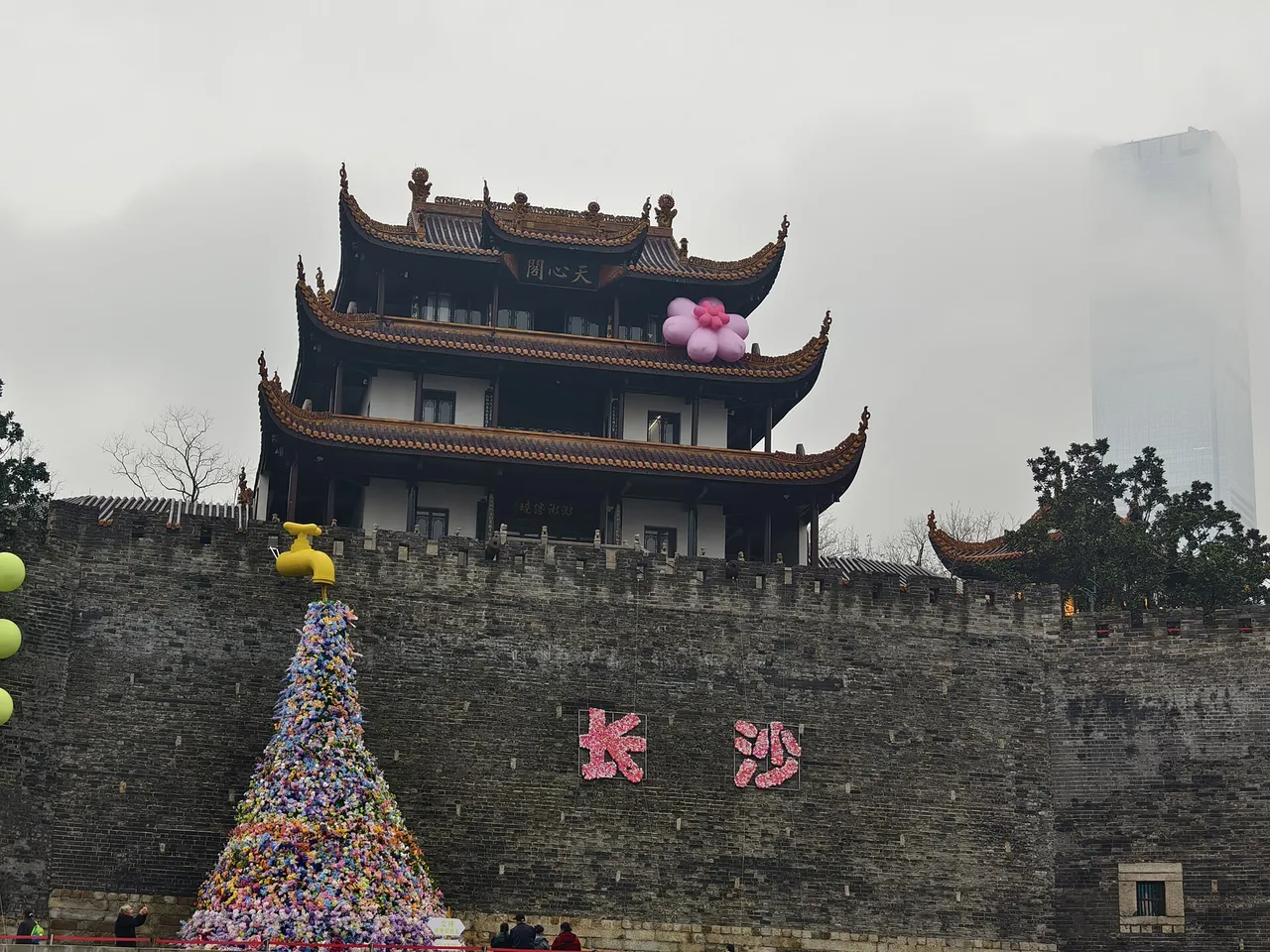
Tianxin Pavilion is Changsha's old soul: a trio of tiered towers standing on the last surviving stretch of the city's ancient wall, on a low rise just southeast of the downtown core. The pavilion, rebuilt in 1983 on a site venerated for centuries, crowns grey brick ramparts where cannons still recall the city's stubborn defences. Climb the wall for a curious double view — one side old rooftops and plane trees, the other Changsha's glassy skyline. Compact, central and atmospheric after dark when the towers are floodlit, it is the easiest historical stop to fold into a downtown day.
The site's history runs back to the Ming dynasty, when the city wall enclosed old Changsha and a temple on this rise marked the city's geomantic heart. The pavilion that grew there became a literati favourite, praised in poems as the highest point from which to survey the city. Changsha's walls were mostly demolished in the 1920s, but this stretch survived, together with cannons commemorating the fierce defences of the Taiping-era siege in the 1850s. The current three-part pavilion, rebuilt in traditional style in 1983, shelters exhibition halls on the city's history inside its base.
Today Tianxin Pavilion anchors a small heritage park that doubles as a neighbourhood garden: locals play chess under banyans, elders sing in the pavilions, and wedding photos happen on the wall year-round. The tower view pairs old and new Changsha in one sweep, best at dusk when the floodlights come on. The location is deeply central — a short hop from the Wuyi Square shopping district and the food streets — so it slots easily between meals and shopping, or precedes an evening at the riverside <a href="/attractions/dufu-pavilion/">Du Fu River Pavilion</a>. Allow about an hour, more if you enter the exhibition halls.
Admission is by a modest ticket that covers the pavilion towers, the wall walk and the exhibition halls, with discounts for children, students and seniors — prices are adjusted from time to time, so confirm current rates at the gate or on official channels. The surrounding park grounds are free to stroll if you only want the atmosphere and the exterior view. Opening hours generally run from morning to early evening, with the towers closing before the floodlit night scene begins outside; night viewing of the lit pavilion from the park costs nothing. Bring your passport for ticketed entry, and use mobile payment or cash at the counter — foreign cards are not reliably accepted. Weekday mornings are quiet; holidays bring school groups and photo tours.
Tianxin Pavilion sits just southeast of central Changsha, inside the Third Ring of urban districts, and is easy to reach: metro Line 1 stops within a short walk at Tianxin Pavilion area stations, and buses from Wuyi Square take under ten minutes. From the railway station a taxi runs about 15 minutes; from the airport, 40 to 50 minutes. The main entrance faces the park on the wall's north side, with the historic gate structure marking the way in. Within the grounds everything is on foot, and climbing the wall involves stairs only. The pavilion combines naturally with downtown errands — Wuyi Square, Taiping Old Street and the riverside are all within a few minutes' ride.
Tianxin Pavilion changes character through the day more than through the year. Morning offers quiet wall walks and clear light on the old bricks; late afternoon warms the grey tower and lengthens shadows over the park. Dusk is the signature hour — the floodlit pavilion against a darkening skyline is the photograph everyone wants, visible for free from the park below. Seasonally, spring and autumn are the most comfortable for climbing, summer mornings beat the heat, and a rare snowfall turns the wall into a classical print. Within the week, weekdays are calm while weekends fill with wedding photo parties and family groups. Slot it into a downtown itinerary between lunch and an evening on the river.
It is a rebuilt three-section traditional tower standing on the last surviving stretch of Changsha's ancient city wall, on a rise southeast of downtown. It functions as a heritage park, viewpoint and small history museum in one.
The surrounding park is free and gives fine exterior views, especially at night when the pavilion is floodlit. A modest ticket covers climbing the towers and wall and entering the exhibition halls.
About an hour covers the wall walk and towers at a relaxed pace. Add 30 to 45 minutes if you go through the history exhibitions inside the base.
Late afternoon into dusk, when the light warms the brick and the floodlights switch on against the darkening skyline. Weekday mornings are the quietest time to climb.
 Full day · 8–10 hours
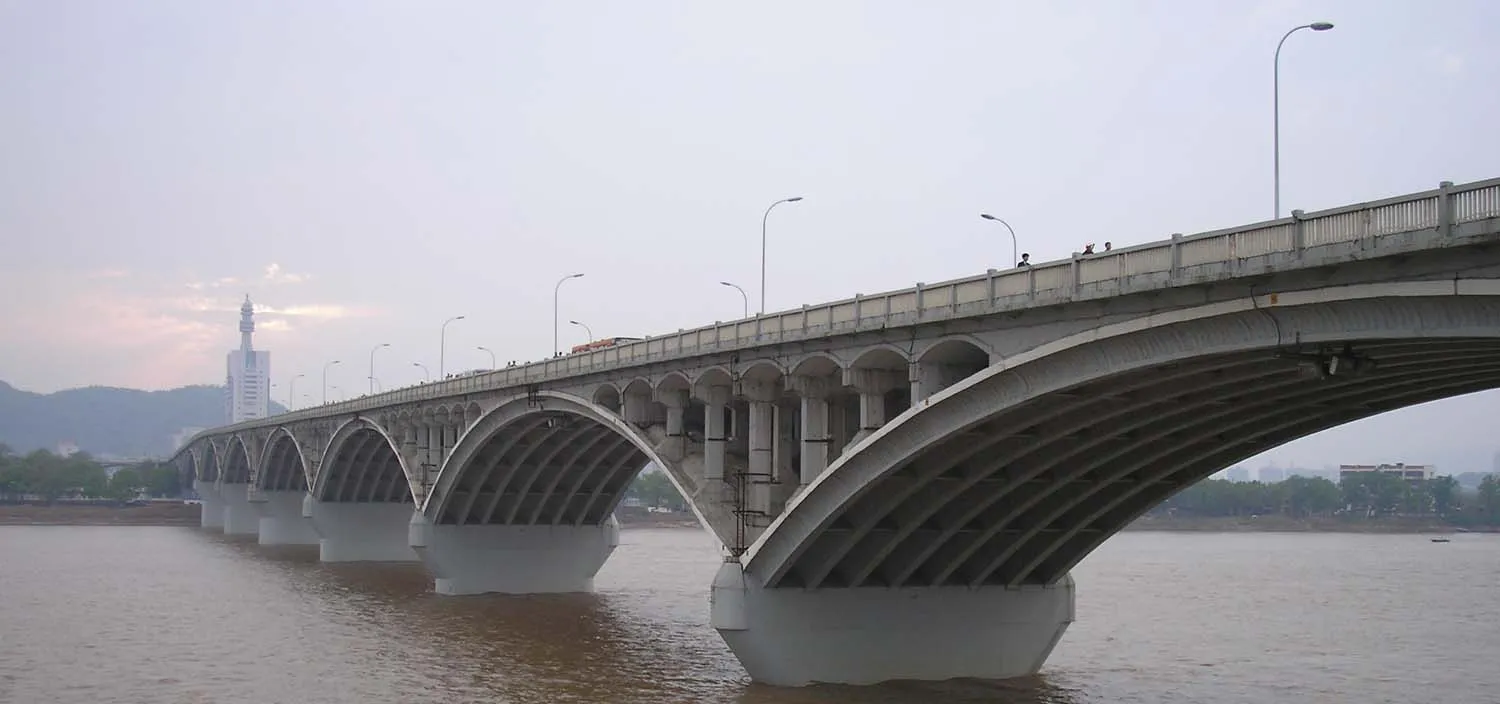
A hill, a Song-dynasty academy and the sandbar in the middle of the Xiang River
View details →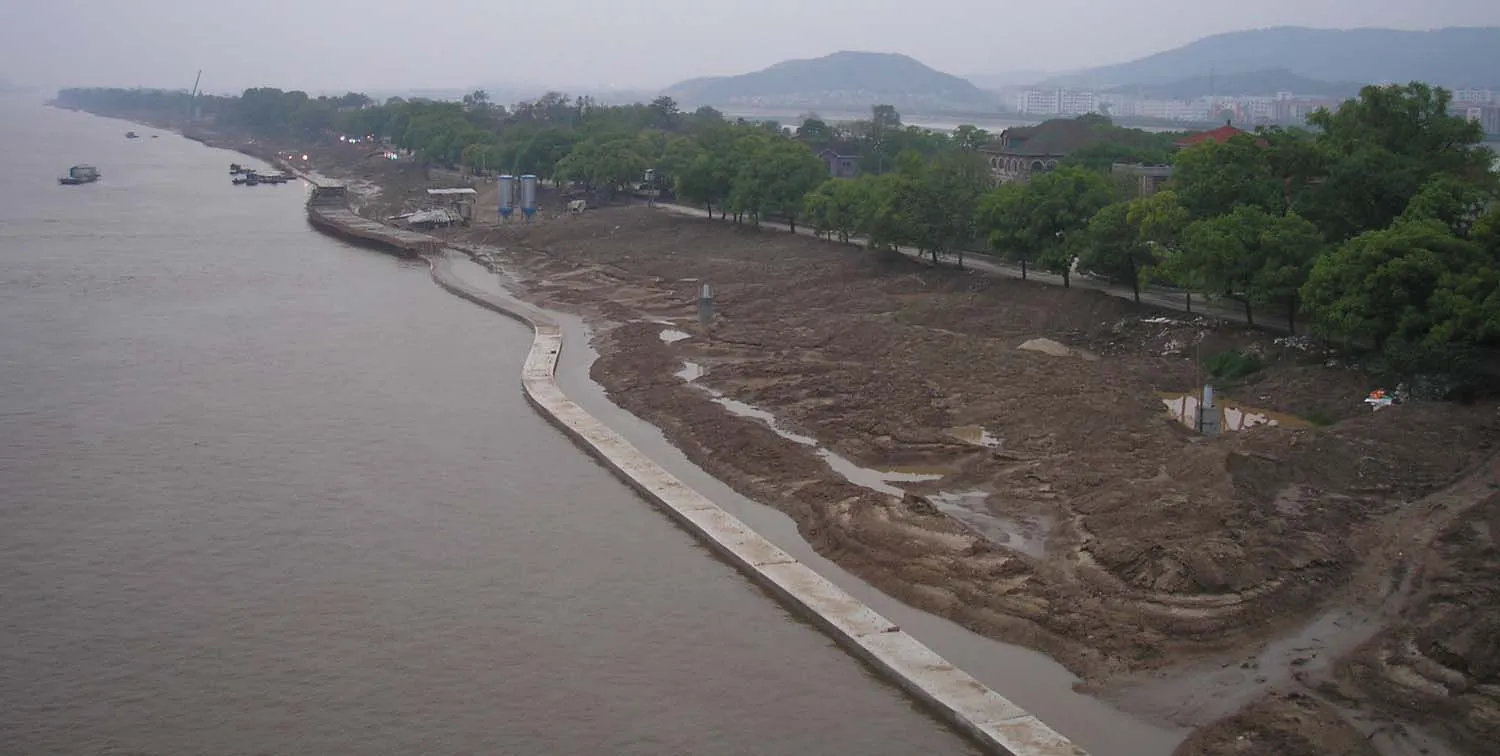 Full day · 8–10 hours
A tomb sealed in 168 BC, a 49-gram silk robe, and pandas in the afternoon
View details →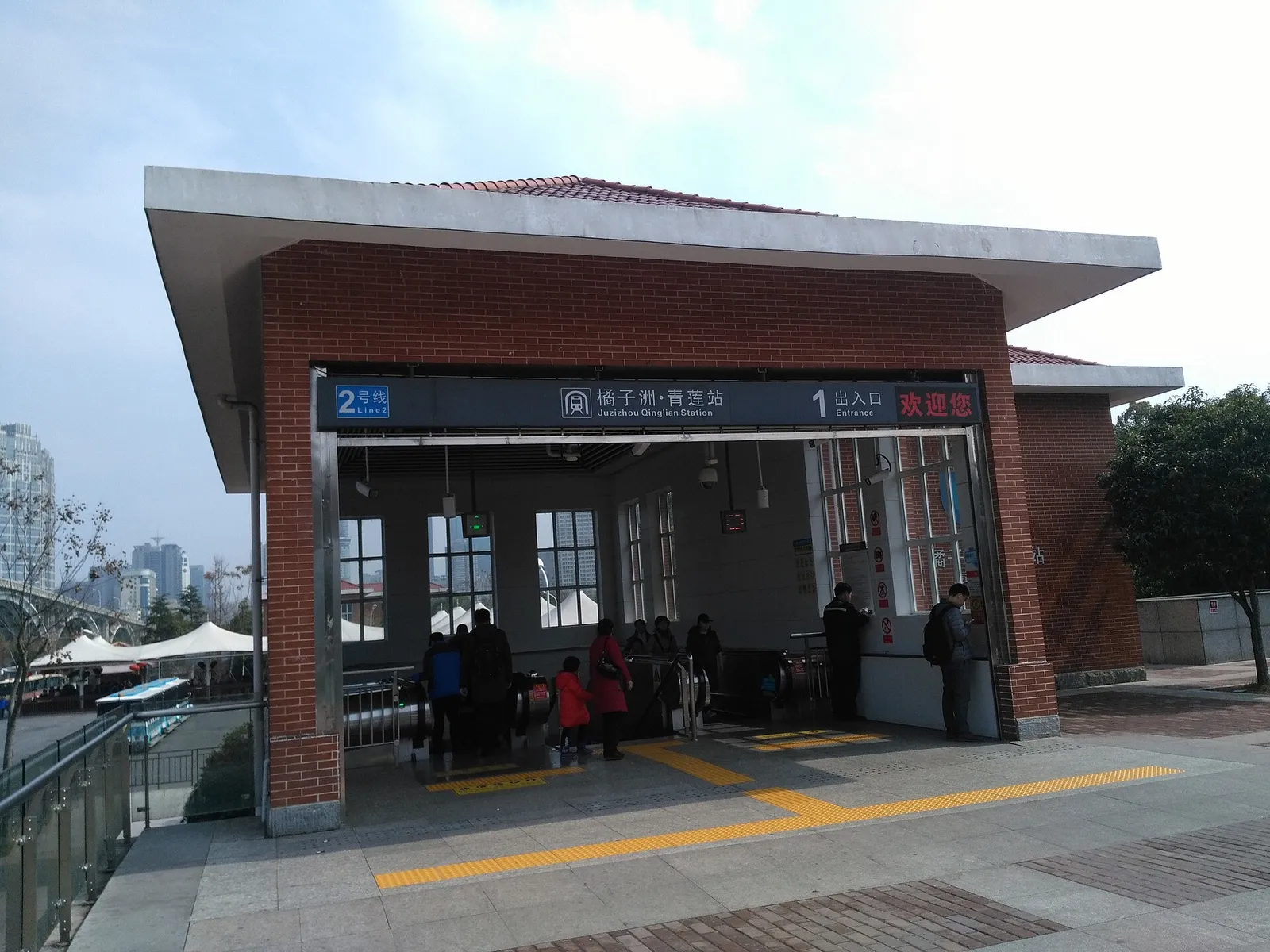 Full day · 8–10 hours
Neon, stinky tofu and the best night skyline in Hunan
View details →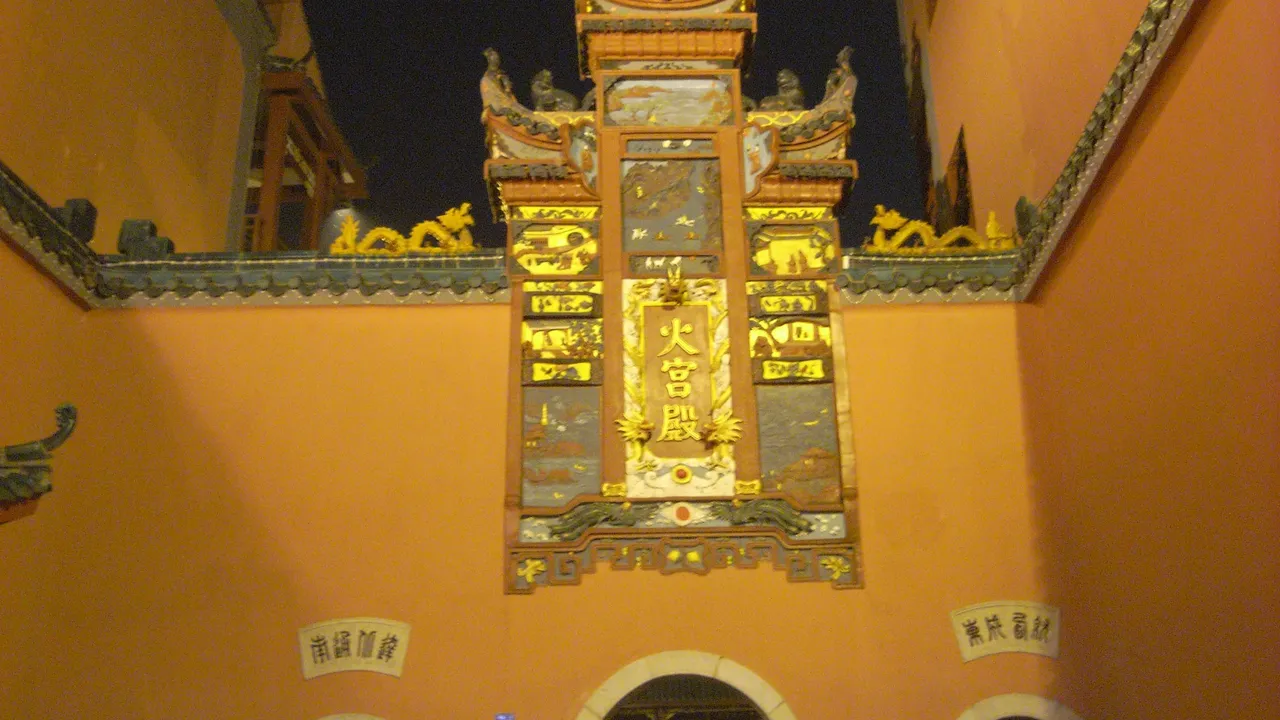 2 days · 1 night · private
A compact first-visit loop of Changsha: the Mawangdui treasures at Hun
View details → 3 days · 2 nights · private
The classic Changsha triangle: Han-dynasty treasures at Hunan Museum,
View details →I got up at 6:30 just to eat rice noodles standing on the sidewalk with office workers, and honestly that was the best part of my whole trip. Broth was so hot I burned my tongue and didn't care. Hunan Museum was worth the hassle too — I set an alarm 7 days ahead to grab the Mawangdui ticket and it sold out in minutes, so do not wing it.
Booked a private guide for the Hunan Museum mainly because I wanted someone to explain the Mawangdui stuff properly, and she was great — spent nearly an hour just on the lacquerware. She also dragged me to Aiwan Pavilion afterwards even though the maples weren't fully red yet. Still a nice walk, and way fewer people than I expected on a weekday.
Private car & driver, day trips and multi-day routes from Changsha. · Free consultation · reply within 12h