 TripMyChinaJOURNEYS THROUGH REAL CHINA✦ AI Trip✦ Plan My Trip
English
简体中文
繁體中文
日本語
한국어
ไทย
Tiếng Việt
Bahasa Indonesia
Italiano
Español
العربية
Русский
Deutsch
Français
Bahasa Malaysia
TripMyChinaJOURNEYS THROUGH REAL CHINA✦ AI Trip✦ Plan My TripThree thousand years on the same site, and the city still eats on the pavement at midnight. Changsha keeps its treasures — Lady Dai's silk, the academy founded in 976 — inside the city, not behind a ticket gate at the edge of town.
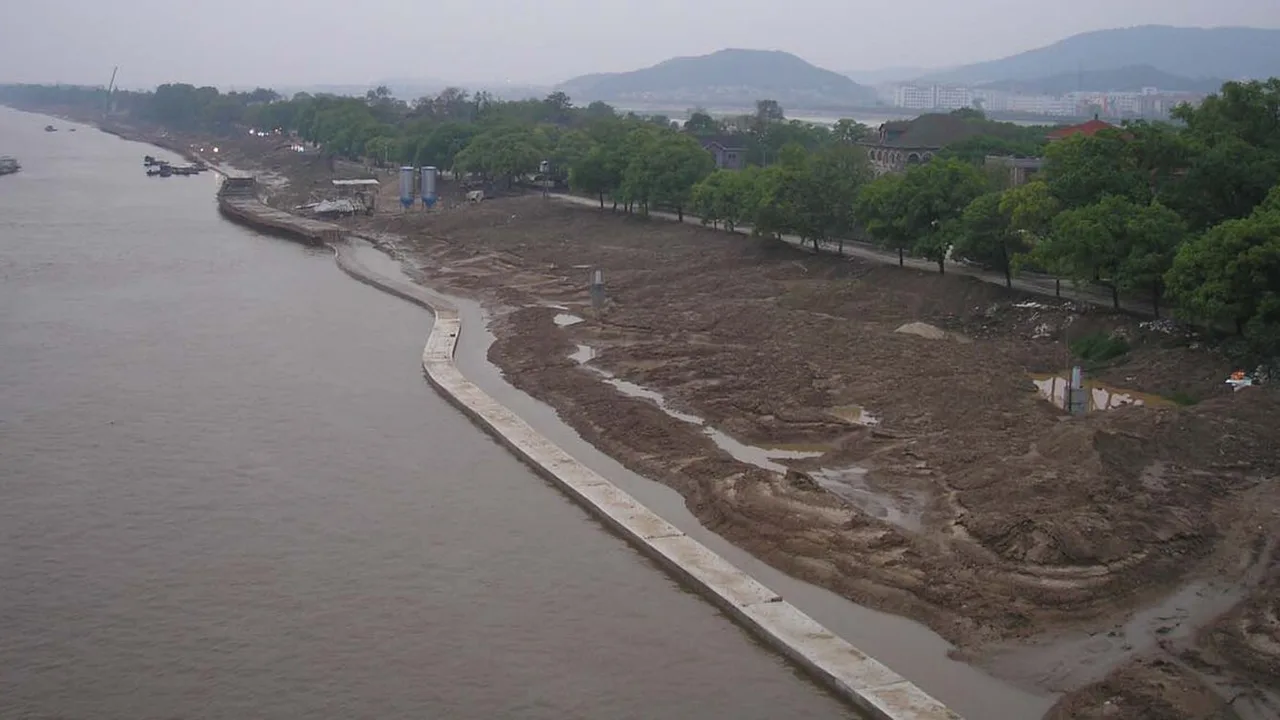
Changsha is the capital of Hunan Province, sitting in the central-south of China where the Xiang River runs north through the city. It is the political, economic and cultural centre of the province, and a major rail junction linking the Yangtze Delta, the Pearl River Delta and southwest China.
The city has been continuously inhabited for millennia, and its historical layer is unusually dense: bamboo slips and lacquerware from the Chu and Han periods, the Song-dynasty Yuelu Academy that kept Confucian teaching alive for centuries, and the early-20th-century political movements that shaped modern China. The mood is lively and unpretentious — a working city that happens to have a very long memory.
Most visits start with the Hunan Museum, whose Mawangdui collection is the reason many travellers come. Across the river, Yuelu Academy and Aiwan Pavilion sit on the wooded slopes of Yuelu Mountain, good for a half-day walk. Back in the centre, Taiping Old Street and Wuyi Square show the city's commercial and street-food life, while Tianxin Pavilion and Kaifu Temple offer quieter stops; Changsha Window of the World is a theme park on the eastern edge, mainly of interest to families.
World-class, national and global recognition earned over the decades.
Named in 2017 — the first Chinese city on the media arts list, built around the Mango TV and Malanshan studios.
Designated for its Chu-Han heritage and the Mawangdui finds.
Among the first batch designated in 1982, with a city site unchanged for 3,000 years.
First batch national public culture demonstration zone, with four national night-culture districts.
Where the heavy-oil, heavy-chilli school of Chinese cooking is at its most confident.
China's second-largest streaming and variety production base sits in Malanshan.

The moments that shaped the city — and the stories its people still tell.
A Chu town was established on the Xiang River, and the site has not moved since.
Qu Yuan was exiled through here and Jia Yi governed the region — the two names that gave Changsha its literary reputation.
Three Han tombs opened with 3,000 objects intact, including a silk gown light enough to fold into a matchbox and the preserved body of Lady Dai.
Changsha kiln invented underglaze multi-colour decoration, exporting across the Indian Ocean — one of the maritime Silk Road's starting points.
275 revolutionary sites across the city — the CCP's early organising and the Autumn Harvest Uprising both passed through Hunan.
Designated among the first 24 national historic cities, with 29 national-level protected sites.
Changsha takes its other name from the Changsha star in Chinese astronomy — the city below mirrors the sky above.
Liu Fa, enfeoffed here in the Han, is said to have built a terrace to look toward Chang'an and his mother — filial piety turned into architecture.
The Huaguxi opera every Changsha child knows: a woodcutter marries a fox who has taken human form, and wins her back from a monk.
The temple on Pozi Street honours Huoshen; local lore says the neighbourhood has never burned since it was built.
Originally Chaozong — 'paying respects to ancestors'. Water carriers kept the flagstones wet all day, and the character drifted to 'chao', damp.
LiuYang's chrysanthemum stone holds flower shapes formed 270 million years ago; carvers follow what the rock already drew.
Three paces, one city — every route built from places we actually operate.
Weather, crowds and the best months for what you want to see.
10–20°C, damp and changeable. Plum on Orange Isle, azaleas on Yuelu. Fewest visitors and the best prices of the year.
28–36°C and humid. The worst weather but the best nights — crayfish, beer and queues at every famous shop. Go indoors midday.
The reason to come: 18–28°C, dry, and Aiwan Pavilion's maples turning. Weekends in red-leaf season get busy — go on a weekday.
3–10°C, damp cold that feels colder than the number. Ice on Yuelu, no queues anywhere, cheapest rooms.
Night markets at full volume; the dish is eaten outdoors with plastic gloves and a lot of beer.
What this city is known for — the things worth planning your day around.
The places worth building a day around.
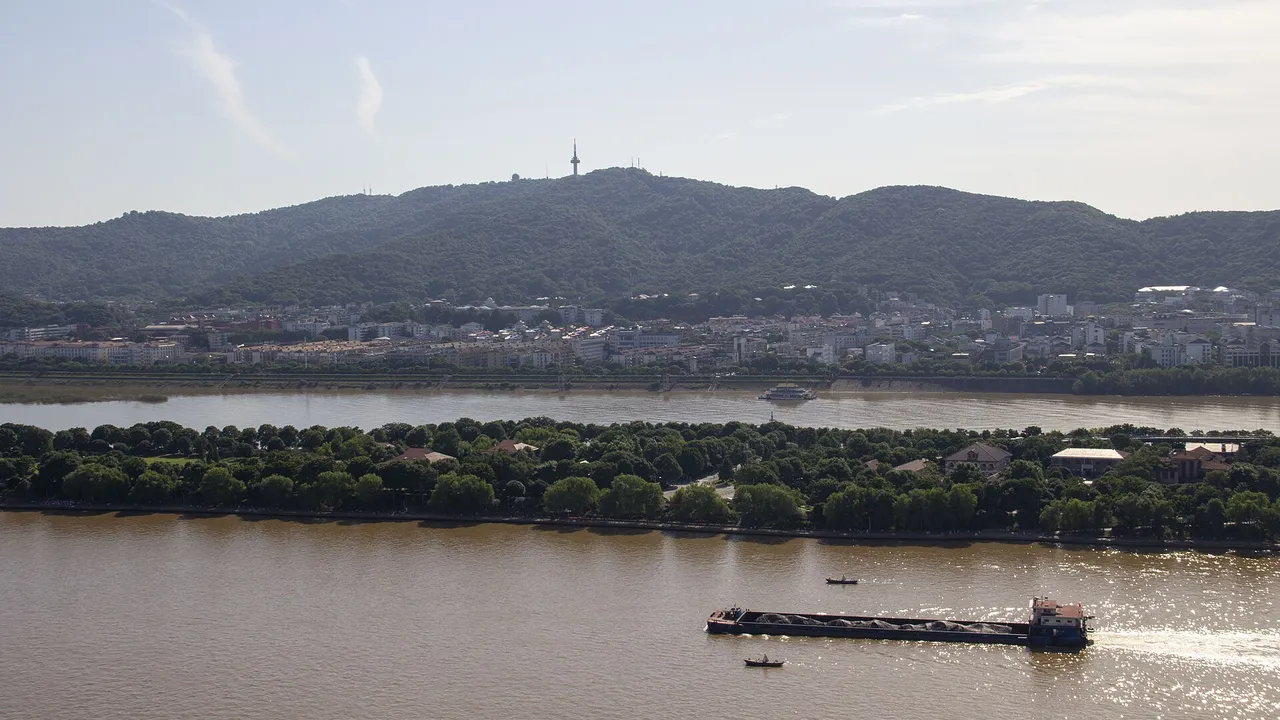
Yuelu Mountain, rising on the west bank of the Xiang River opposite downtown Changsha, is that rare city hill that packs a thousand years of culture i
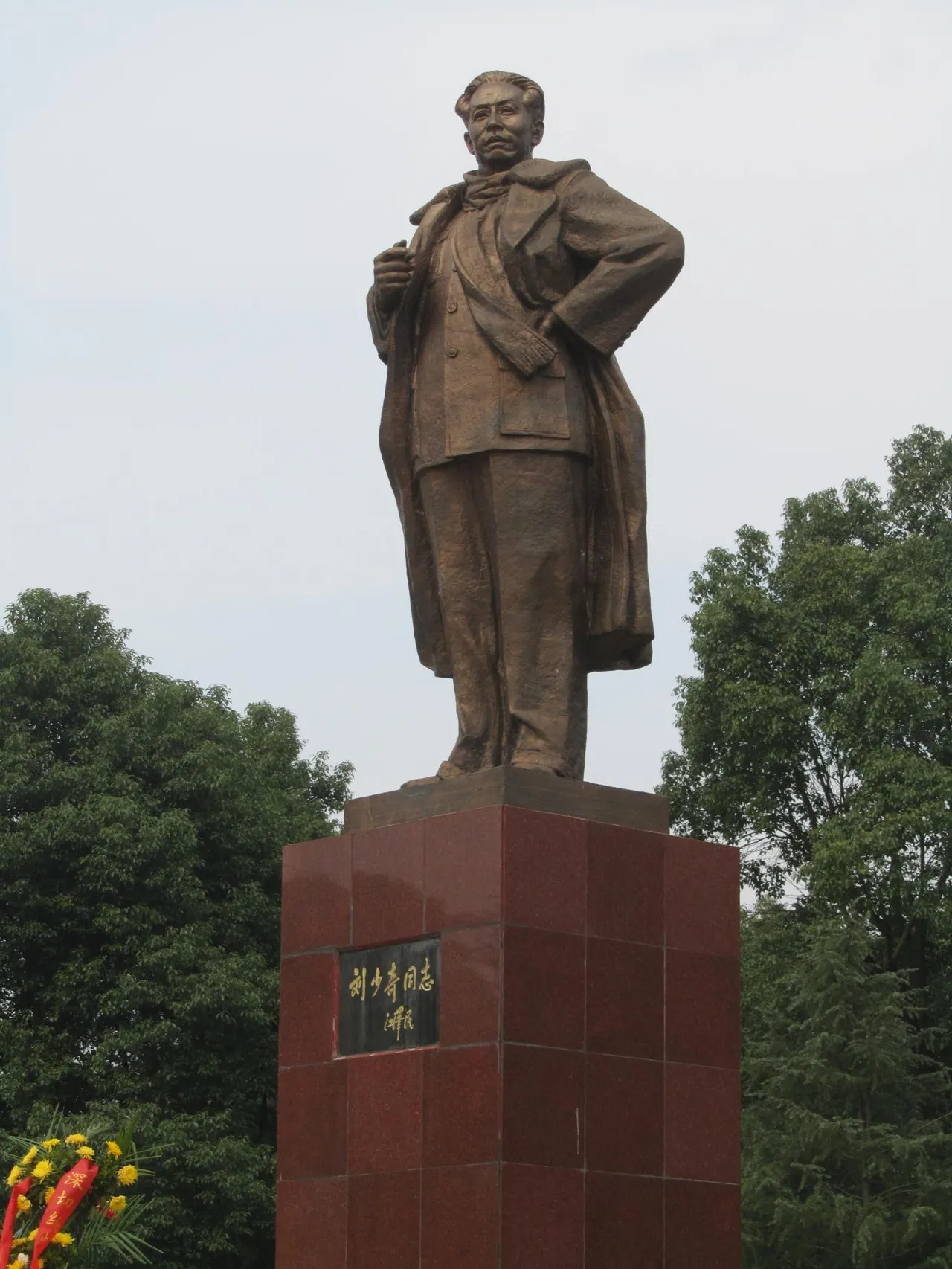
Huaminglou, the birthplace of President Liu Shaoqi, is a national 5A red-tourism site 50 km from Changsha. The memorial hall, bronze statue square and
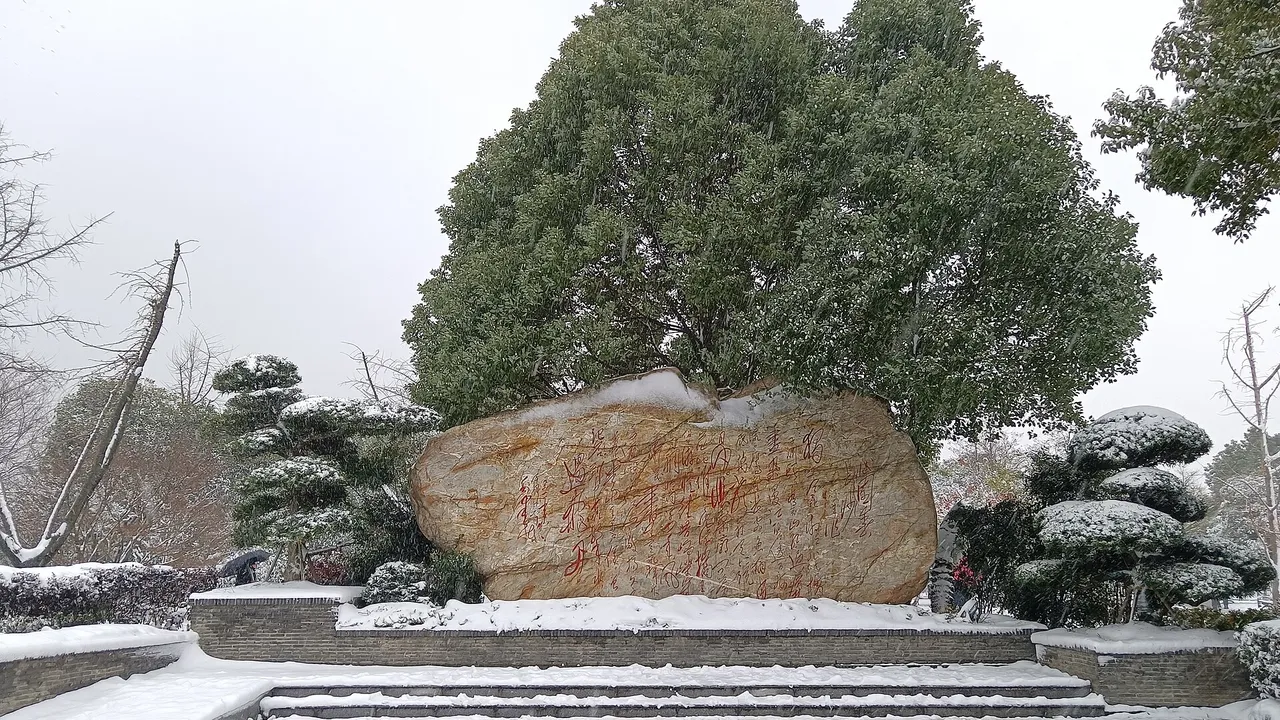
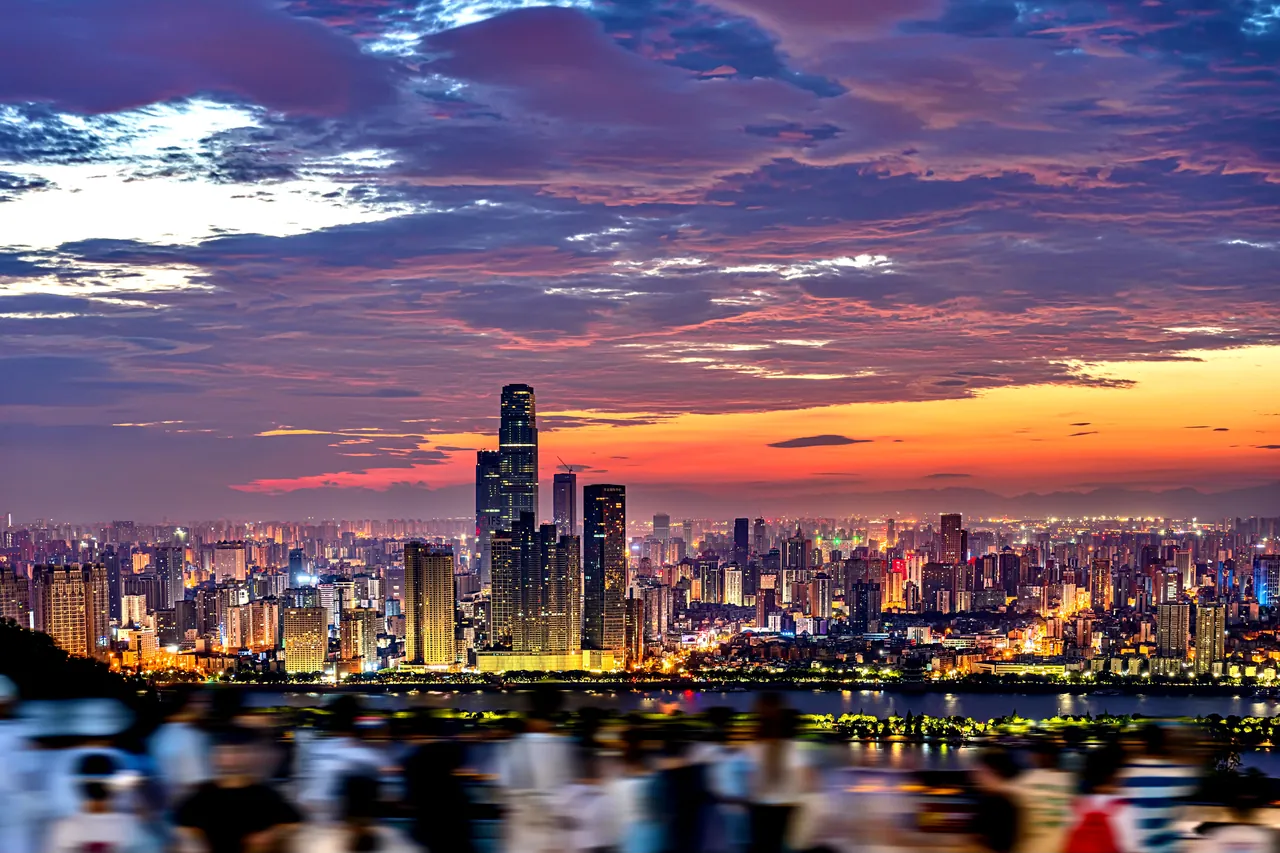
Orange Isle, or Juzizhou, is a five-kilometre ribbon of parkland lying mid-stream in the Xiang River, right in front of Changsha's skyline. The island
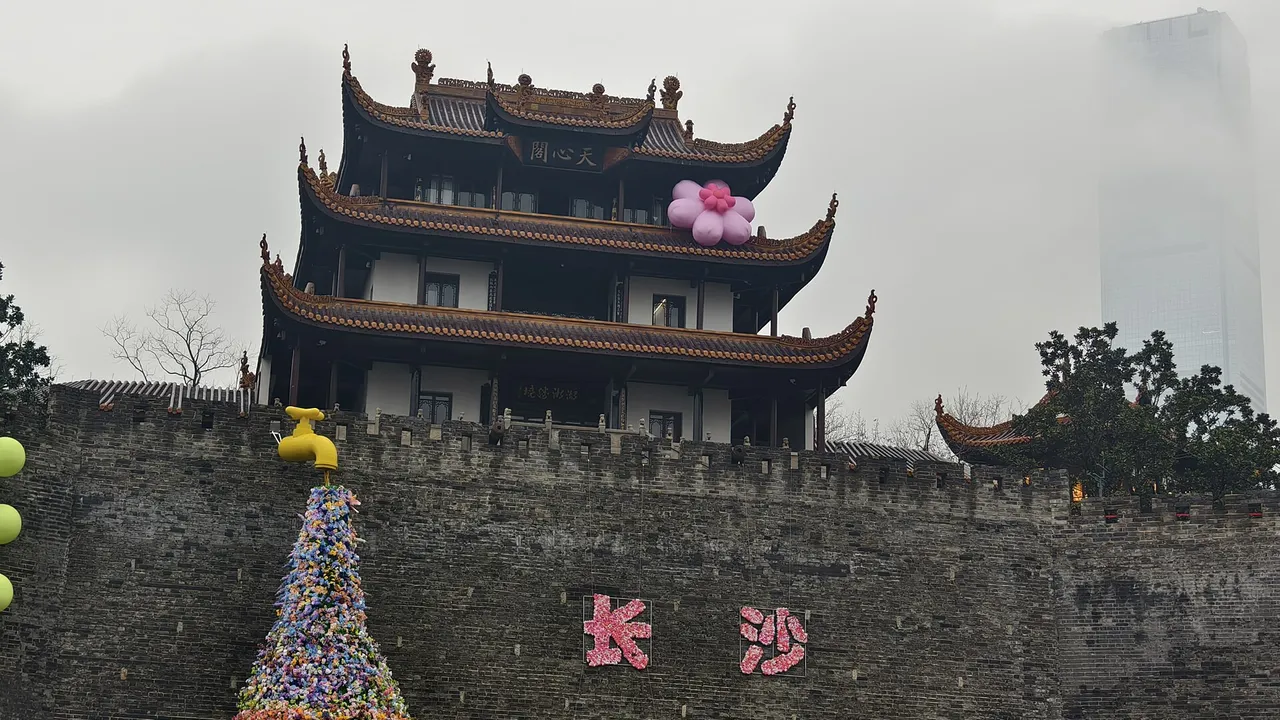
Tianxin Pavilion is Changsha's old soul: a trio of tiered towers standing on the last surviving stretch of the city's ancient wall, on a low rise just
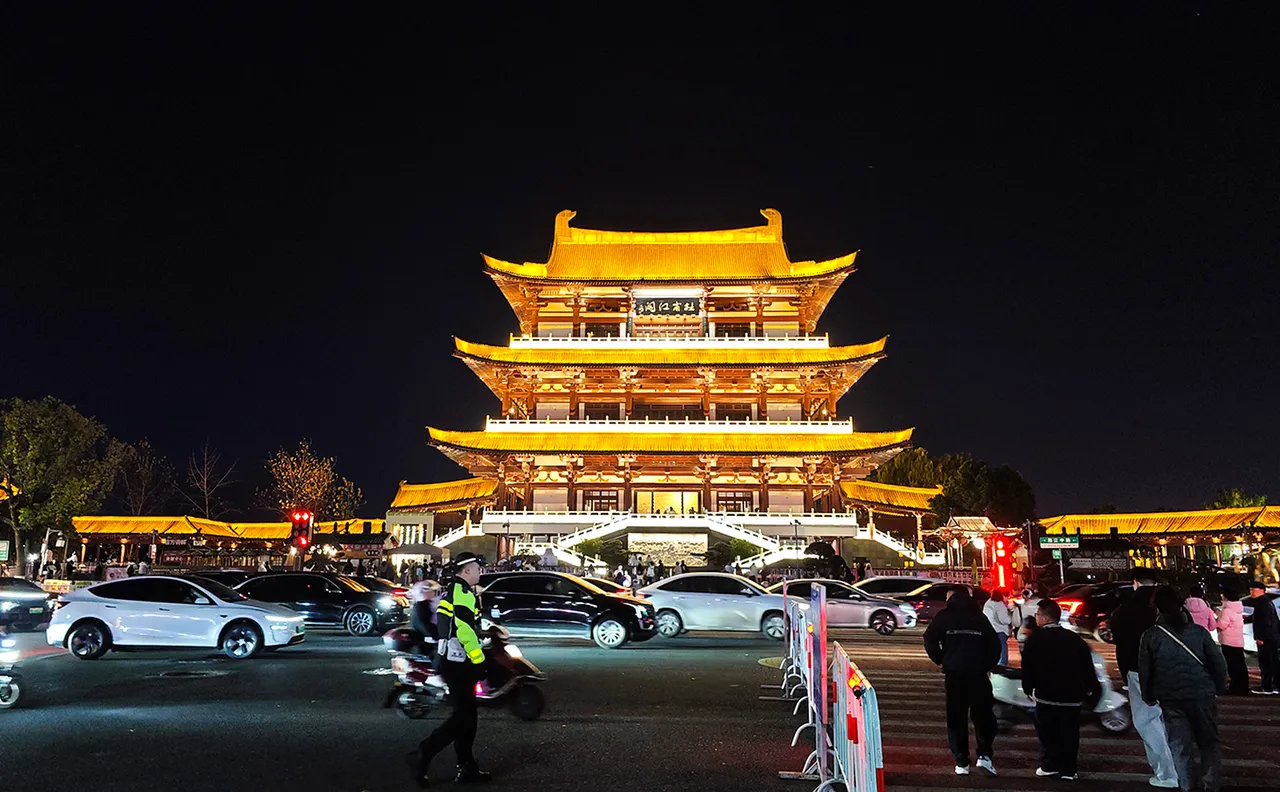
Du Fu River Pavilion stands on the east bank of the Xiang River in central Changsha, a stately modern tower in Tang style built to honour the great po
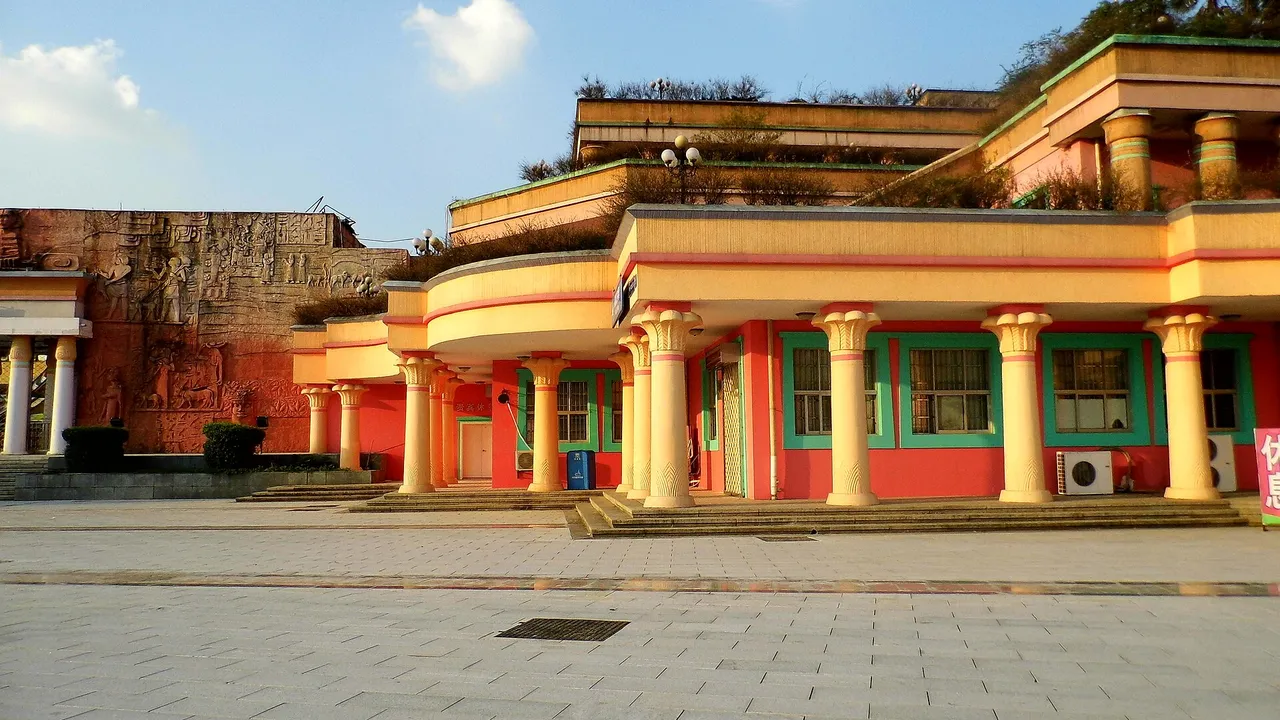
Changsha Window of the World is the city's big, cheerful theme park on the northeastern edge of town, where scaled-down world landmarks — an Eiffel To
Where the whole street eats — the city's most famous food streets, each with its own guide page.
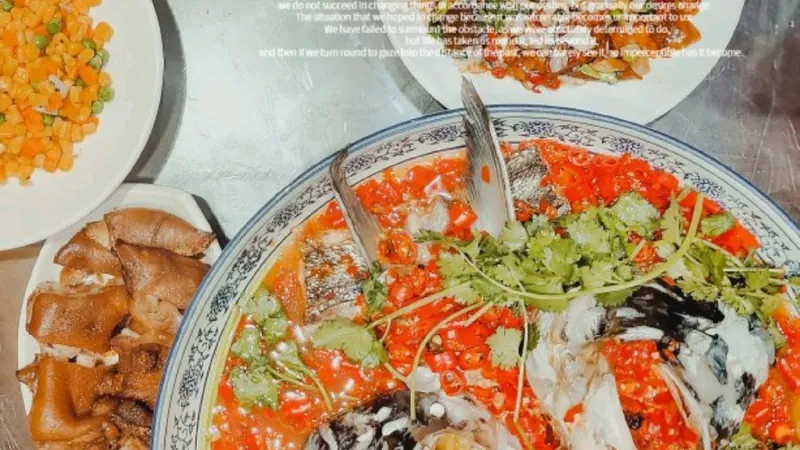
Fish heads killed and steamed to order — hot, fresh, generous. Order the chilli-steamed head, the beef, the…
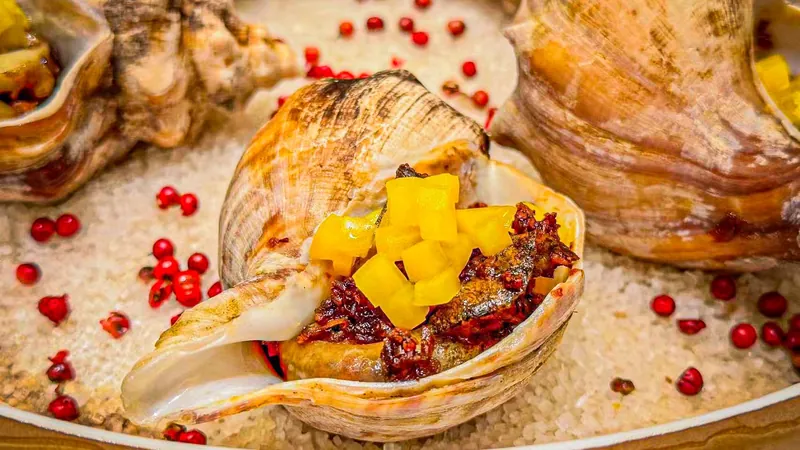
Where locals take guests: three-year aged chilli-steamed fish head, sea cucumber with chilli, crisp squab.

Beside the Huangxing Road metro exit, always queuing: crisp outside, juicy inside, with a fat sausage and…
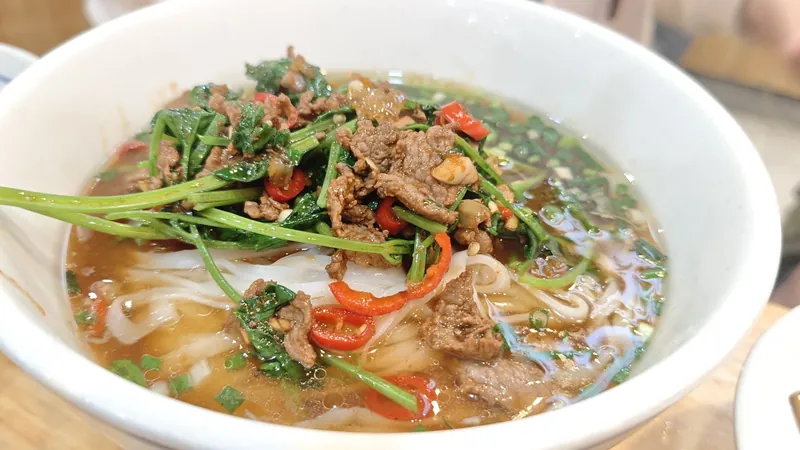
A heritage-listed noodle shop on Xianzheng Street: hand-made rice noodles in pork broth, braised beef, or…
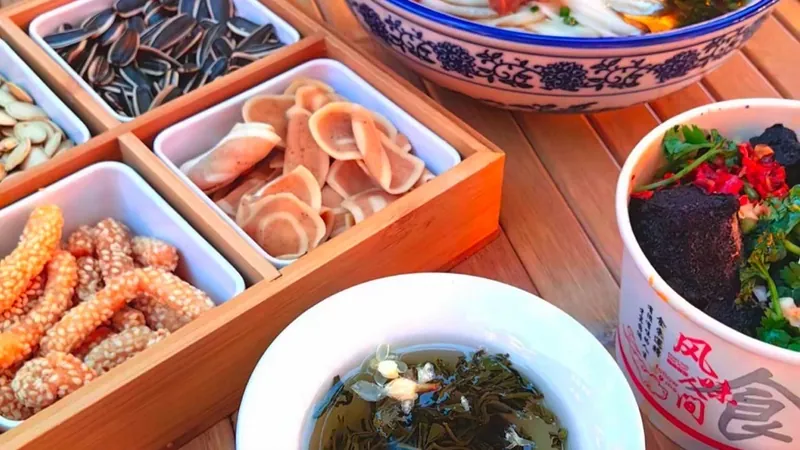
A century-old name on Pozi Street with open counters: heritage stinky tofu, Mao-family braised pork…
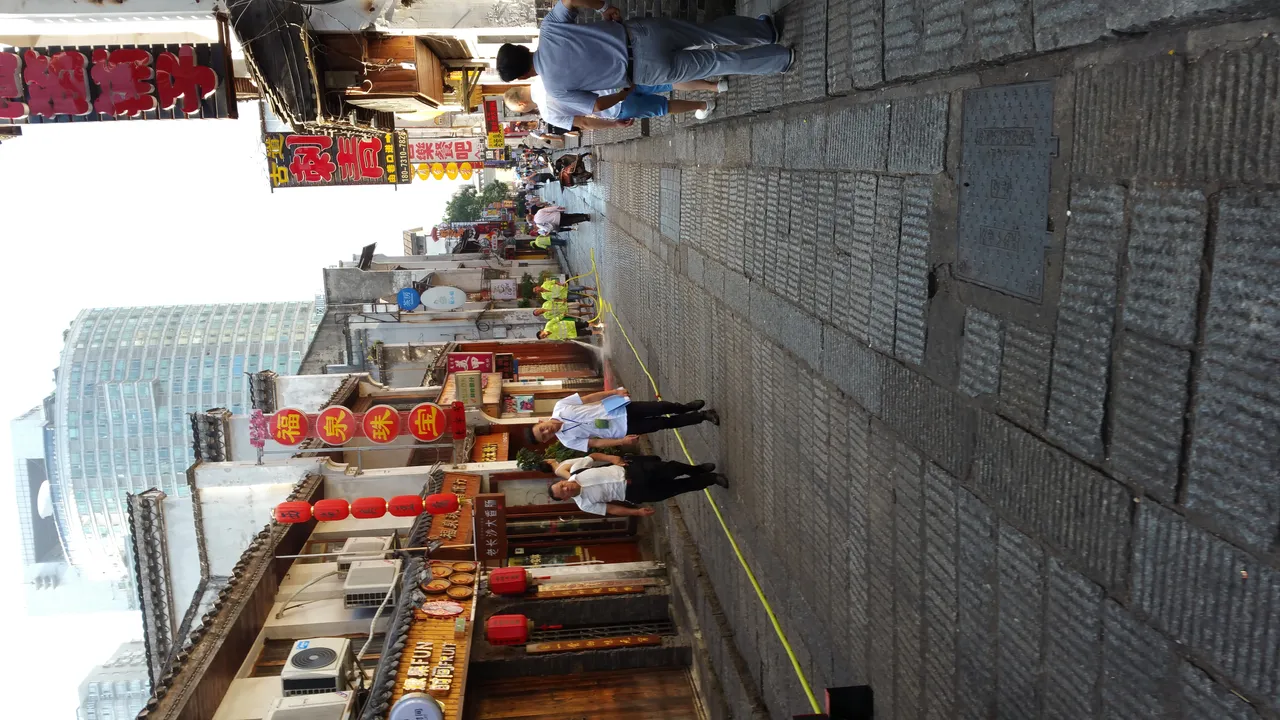
Old flagstones and the smell of stinky tofu share one narrow lane where poet Jia Yi once lived.
The largest in the city: a cross-shaped grid of over a thousand stalls — seafood, skewers, braised offal, rice noodles, dessert.
Where old Changsha eats after midnight — crayfish, snails, skewers, braised dishes, open late.
Lit around 19:00. Stand across the road, don't pay to go up — the point is the reflection in the Xiang River.
The bar strip — loud, crowded, livehouses. Peak after 22:00.
Changsha eats late and loudly. The night here is not a bar scene first — it is a street-food scene that happens to have bars inside it.
Listed sites and the crafts that made this city famous.
The Tang-Song kiln that invented underglaze multi-colour painting, shipping ceramics across the Indian Ocean a thousand years before export porcelain was a European word.
A Western Zhou bronze-culture site in Ningxiang, source of the famous four-ram wine vessel.
Founded in 976, one of China's four great academies, and still a working faculty of Hunan University.
The last surviving stretch of the Ming city wall, with the pavilion rebuilt on top of it.
One of China's four great embroideries, known for tigers and lions worked in a split-hair stitch that makes fur look real.
Underglaze colour under a single firing — the technique that broke the north-white south-green monopoly.
Stone from Liuyang's Yonghe town with crystal flowers grown 270 million years ago; carving means following what is already there.
Brine, mould, fry — black outside, fragrant inside. The recipe has run since 1747.
A single singer with a yueqin, telling historical stories in Changsha dialect.
Four vocal systems in one tradition — gaoqiang, low tunes, kunqu and tanqiang — sung in Changsha Mandarin.
Senior licensed guides with 10+ years in the field and fluent English — deep on history, culture and local life.

Experienced licensed guides with clear English — solid on city highlights, food and day-to-day logistics.

Licensed guides with workable English — a good-value choice for city days, transfers and standard commentary.

Chauffeur-driven by the day, plus airport and intercity transfers.



Private chauffeur-driven vehicles, priced per vehicle not per person. Airport transfer from $45; intercity transfer from $180.
10 guides split by trip length: one-day city routes, three-day escapes and longer journeys, with stops, costs and transport in each.
Grab the opening slot at the Hunan Museum for Mawangdui, cross the river at noon for Yue
Three DaysThree Days Around Changsha: Wetlands, Old Towns and the Fields of Both BanksDay one soaks the Yanghu wetlands and a film town, day two runs south to Shiyahu Lake an
Multi-DayThree Days of Changsha History: A Millennium-Deep Run from Mawangdui to TongguanDay one reads the Han tombs and slips in town, day two climbs Yuelu for the academy and
Real routes, real travellers — a sense of what a trip looks like.
4 days · Changsha · "We came for Mawangdui and stayed for the noodles. Our guide took us to a standing-only shop at 7am and it ruined every other breakfast."
3 days · Changsha + Zhangjiajie · "The night market at 11pm was more alive than any bar street I've been to in the US."
5 days · Hunan · "Aiwan Pavilion in November — my parents had seen it in textbooks. They cried a bit. So did I."
Most travellers spend 3 days here. Add a day for a side trip if you want a slower pace.
Spring and autumn are usually the most comfortable. Check the seasonal notes above before booking.
We arrange airport/rail transfers and private drivers. Tell us your arrival point and we plan the connection.
Send an enquiry and a human expert replies within 12 hours with a draft plan and real prices. Flexible rescheduling; clear cancellation terms in your quote.
2-day private itineraries in Changsha start from $590 per person, two travelling together. Your proposal itemises hotels, tickets, guide and car — no hidden fees.
Yes, and it's the hardest ticket in the city: 7 days ahead on the official account, released at 20:00. Closed Mondays. Go 2F Hunan people, 3F Mawangdui, 1F Lady Dai.
Metro Line 2 to Juzizhou station. Free entry but needs a reservation 3 days out. Take the sightseeing train — the island is 5 km long and walking both ways is a mistake.
Not really — 300 m, and there's a cable car and shuttle. Enter by the south gate so you hit Aiwan Pavilion and the academy first, then ride up.
Say 'wei la' — mild. It still has chilli. Kitchens here don't have a truly non-spicy setting, so bring stomach medicine and order one plain dish.
Wuyi Square for everything on foot (noisy); Peiyuanqiao or Furong Square one metro stop out for half the price and quiet; Xiangjiang Road for river views.
Late September to November: dry, 18–28°C, Aiwan Pavilion's maples red. Spring is quiet and cheap but damp.
Yes — Mawangdui alone justifies it, and the food is a reason in itself. Most people come for one night and stay three.
Metro covers 90% of the sights; Alipay's Changsha metro QR works. Don't take the motorcycle taxis at exits.
Recent listed prices: Yuelu Mountain 景区免费(观光车 20 元单程); Huaminglou Scenic Area (Liu Shaoqi’s Hometown) 免费(凭身份证入园;讲解 ¥80-608、电瓶车+徽章 ¥15 另收); Orange Isle (Juzizhou) 免费(小火车另计); Tianxin Pavilion 约 32 元; Du Fu River Pavilion 免费. Ticket prices change seasonally — we confirm them in your quote.