 TripMyChinaJOURNEYS THROUGH REAL CHINA✦ AI Trip✦ Plan My Trip
English
简体中文
繁體中文
日本語
한국어
ไทย
Tiếng Việt
Bahasa Indonesia
Italiano
Español
العربية
Русский
Deutsch
Français
Bahasa Malaysia
TripMyChinaJOURNEYS THROUGH REAL CHINA✦ AI Trip✦ Plan My TripHohhot · Attractions
Xilituzhao is the grandest of Hohhot's old monasteries, a working Tibetan Buddhist temple whose gilded roofs and white walls rise just off the city's old commercial streets. Founded in the Ming dynasty and long the seat of a line of high reincarnate lamas, it played host to emperors and caravans alike, and today its halls still fill with the low throb of horns and murmured chanting. Compact enough to see in an hour, atmospheric enough to remember for far longer, it pairs naturally with the neighbouring Dazhao Temple and the Muslim quarter nearby. This guide covers what to see and how to visit.
Xilituzhao, whose name derives from the Mongolian for a seat of honour, was established in the late sixteenth century and rose to prominence as the residence of a series of high lamas whose authority stretched across the region. The Fourth Living Buddha here famously helped negotiate relations between the Mongol lords and the rising Qing dynasty, and successive emperors granted the temple plaques, treasures and expanding precincts. Its role made it wealthy, and the complex grew into a dense enclave of prayer halls, stupas and monks' quarters in the heart of the old city.
The temple's architecture layers Tibetan, Han Chinese and Mongolian styles: a great entry gate opens to courts of carved stone, the main hall mingles Chinese hip roofs with Tibetan detailing, and a gilded stupa shrine stands at the rear. Monks still study here, and visitors moving through the dim, butter-lamp-scented halls often encounter rituals in progress. Compared with the nearby Dazhao Temple, its great rival a few minutes' walk away, Xilituzhao feels more ornate and less touristed, and the two together form the essential introduction to Hohhot's Buddhist heritage.
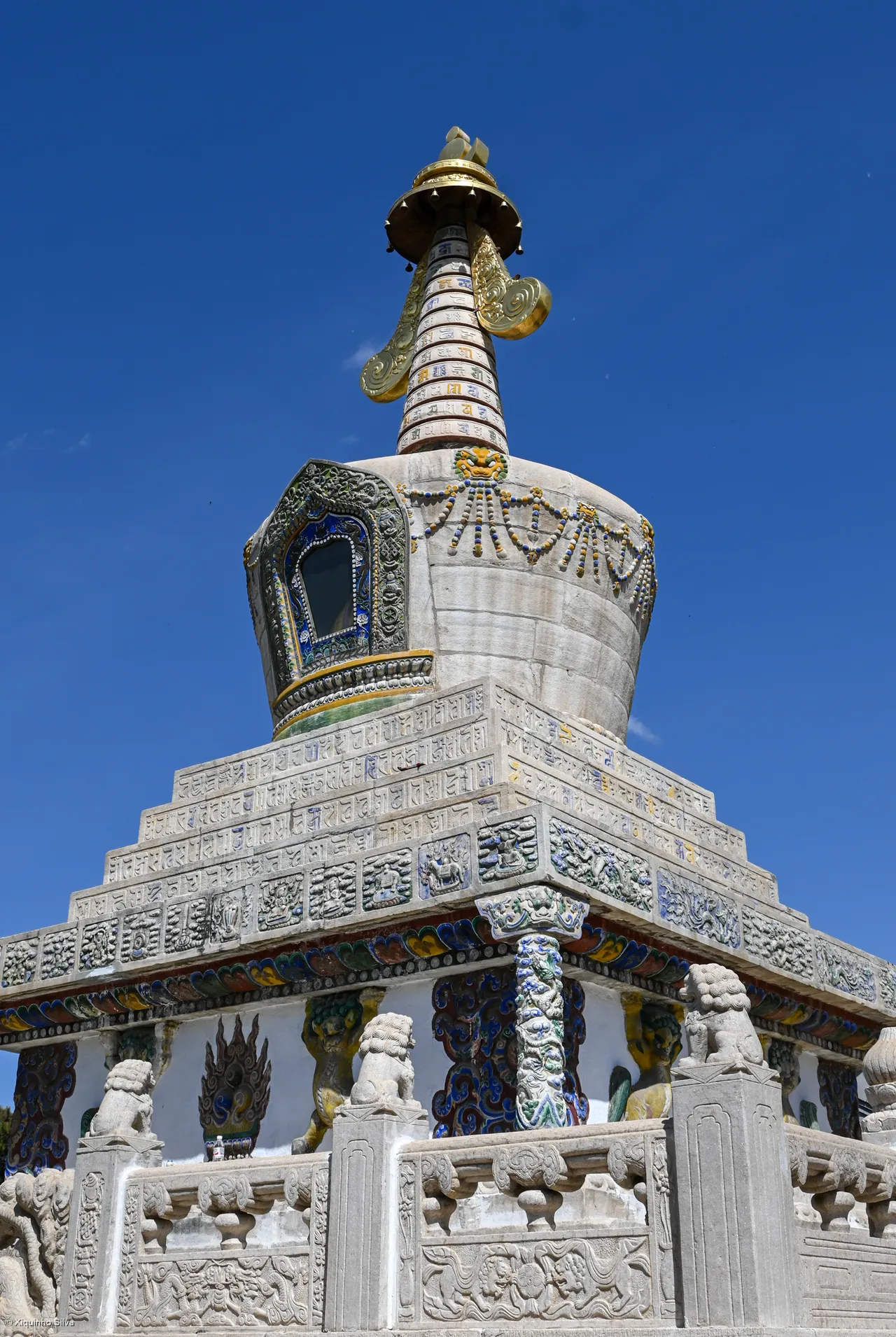
Xilituzhao charges a modest admission ticket at the gate, with the price occasionally adjusted over the years, so confirm at the entrance or through your hotel; opening hours generally run from about 8:30 or 9:00 to 17:30 in the warm season, with shorter winter hours, and last entry before closing. The ticket covers the courts, main halls and stupa shrine; special photography rules may apply inside halls, where flash and tripods are typically barred. As an active monastery, it asks visitors to follow the flow of worshippers clockwise and to keep voices low in the halls. Bring your passport for ticket purchase, carry small cash or mobile payment, and budget 45 minutes to an hour for an unhurried circuit.
Xilituzhao stands on Shilituzhao Street in Hohhot's old Yuquan district, a few minutes' walk from the Dazhao Temple and the Great Mosque area, and is easy to reach from anywhere downtown. City buses stop along the old quarter's main roads, taxis and ride-hail cars are cheap and plentiful, and the metro's nearest stations connect with a short walk or bus hop. From Hohhot railway station, a taxi takes about 15 to 20 minutes. The visit itself is compact, an hour or so, and slots naturally into an old-city circuit: Dazhao Temple first, then Xilituzhao, then lunch in the Muslim quarter's food streets, all within walking distance.
Hohhot's monasteries are comfortable to visit from late spring to early autumn, from May to September, when the light is strong on the white walls and golden roofs, and winter visits are equally feasible though bitter cold outdoors. Within the day, morning is the finest time: the halls are at their most active, with chanting and rituals under way, and the courts are quiet before tour groups arrive. Late afternoon brings warm slanting light on the facades and a gentler mood. Weekdays are noticeably calmer than weekends, when local worshippers fill the halls. An hour suffices for a first visit, and combining it with Dazhao Temple in the same morning makes the ideal introduction to the city's Buddhist heritage.
It is Hohhot's grandest Tibetan Buddhist monastery, founded in the late Ming dynasty as the seat of a line of high reincarnate lamas, and still an active place of worship today.
It stands in the old Yuquan district of central Hohhot, a few minutes' walk from Dazhao Temple and the Great Mosque area, making it easy to include in a walking circuit of the old city.
Yes, a modest ticket is sold at the gate, with the amount occasionally adjusted. It covers the courts, halls and stupa shrine, and an unhurried visit takes about an hour.
Yes, visitors may quietly observe chanting and ceremonies in progress from the sides of the halls. Keep your voice low, move clockwise, and ask before taking photographs of monks.
 Full day · 8–10 hours
Shaomai here is sold by the weight of the wrappers, eight to a liang, and the shops fill up by seven
View details → Full day · 8–10 hours
A temple of 1579, a tower of 1732, and a skeleton twenty-six metres long
View details → Full day · 8–10 hours
Two hours out of the city to open steppe, where the horse and the whole-sheep banquet need their prices settled first
View details → 2 days · 1 night · private
A compact first-visit loop of Hohhot: the silver Buddha of Dazhao Temp
View details →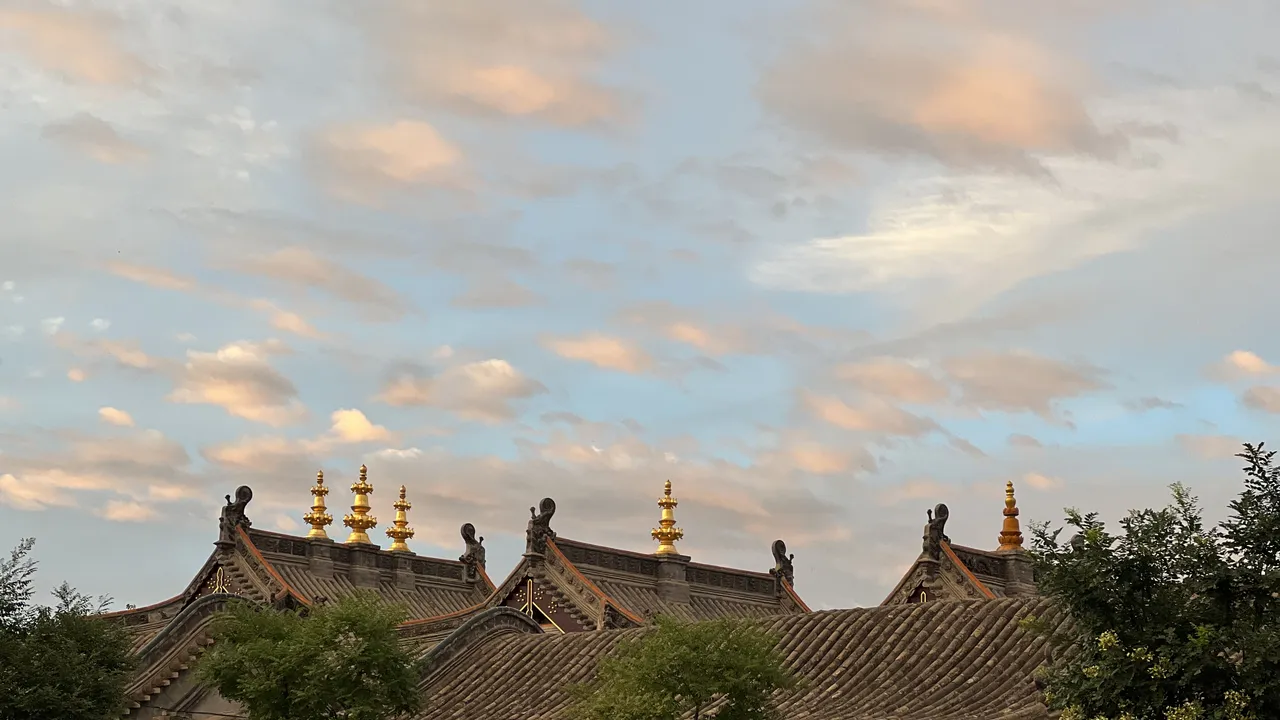 3 days · 2 nights · private
The classic Hohhot triangle: Dazhao Temple and the old street, a night
View details →Booked a private guide for the day and it was worth it just for Dazhao Temple. The silver Buddha inside is huge, and my guide explained the eight stupas one by one, which I never would have figured out on my own. We finished at a small place near the temple with hand-grabbed mutton and milk tea — messy to eat, but that's half the fun.
Took the kids to the Inner Mongolia Museum one morning and they actually stayed interested — the grassland culture displays with the yurts and horse gear kept them busy for two hours. Only gripe: almost everything is in Chinese with tiny English labels, so I was translating nonstop. Five-Pagoda Temple in the afternoon was a quick stop but the carved base of the stupa is worth a slow look.
Private car & driver, day trips and multi-day routes from Hohhot. · Free consultation · reply within 12h