 TripMyChinaJOURNEYS THROUGH REAL CHINA✦ AI Trip✦ Plan My Trip
English
简体中文
繁體中文
日本語
한국어
ไทย
Tiếng Việt
Bahasa Indonesia
Italiano
Español
العربية
Русский
Deutsch
Français
Bahasa Malaysia
TripMyChinaJOURNEYS THROUGH REAL CHINA✦ AI Trip✦ Plan My TripHohhot is the capital of Inner Mongolia, where Tibetan Buddhist temples such as Dazhao and Xilitu Zhao stand within the old city. The Inner Mongolia Museum and the Zhaojun Tomb lie beyond the temple quarter, and local tables center on hand-grabbed mutton, shaomai and milk tea.
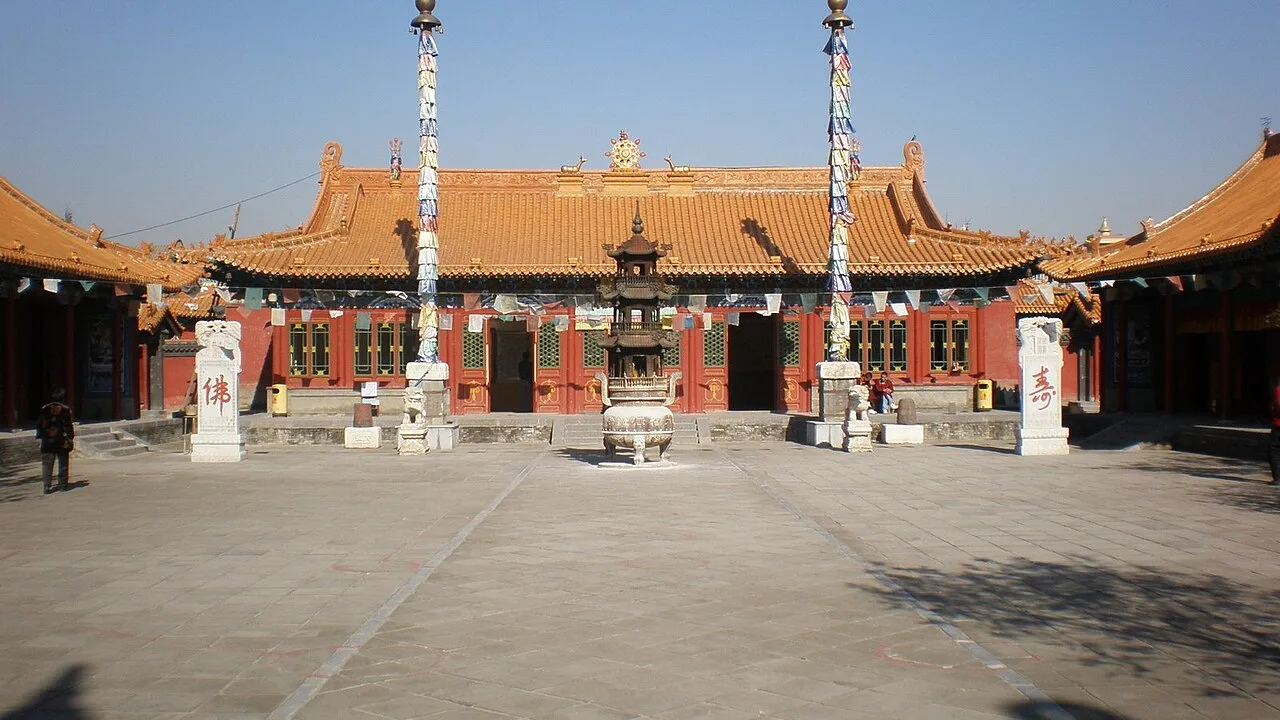
Hohhot is the capital of Inner Mongolia, a city on the northern edge of the North China region where the Mongolian plateau meets the Yellow River plain. It serves as the region's political and cultural center and is the main gateway for travelers arriving by air or rail from Beijing and other Chinese cities.
The city grew around Tibetan Buddhist monasteries founded in the Ming and Qing dynasties, and its older quarters still carry that layering of temple, market and Hui Muslim neighborhood. Mongolian, Han and Hui communities have long lived side by side here, which gives Hohhot a quieter, more everyday character than its frontier reputation suggests.
Most visits center on the old temple district: Dazhao Temple with its silver Buddha image, nearby Xilitu Zhao, and the Five-Pagoda Temple with its carved stupas. The Inner Mongolia Museum gives context on the region's archaeology and nomadic history, while the Tomb of Wang Zhaojun and the reconstructed streets of Saishang Old Street round out a stay.

The moments that shaped the city — and the stories its people still tell.
A Tibetan Buddhist temple known for its silver Buddha statue and the Eight Stupas of Shakyamuni.
A Tibetan Buddhist monastery in Hohhot.
Also known as the Vajra Seat Stupa, a Buddhist pagoda with five towers.
Also called the Green Tomb, associated with Wang Zhaojun of the Han dynasty.
A historic street in Hohhot.
A museum in Hohhot displaying collections on Inner Mongolian history and culture.
Three paces, one city — every route built from places we actually operate.
Weather, crowds and the best months for what you want to see.
Cool and windy; check official channels for temple and museum opening hours.
Mild and relatively dry; a common season for visiting the grasslands and temples.
Cool and clear; temperatures drop quickly toward November.
Cold and dry; indoor sites such as the Inner Mongolia Museum remain options.
Mild weather makes it the most comfortable season for outdoor sites and grasslands.
What this city is known for — the things worth planning your day around.
The places worth building a day around.
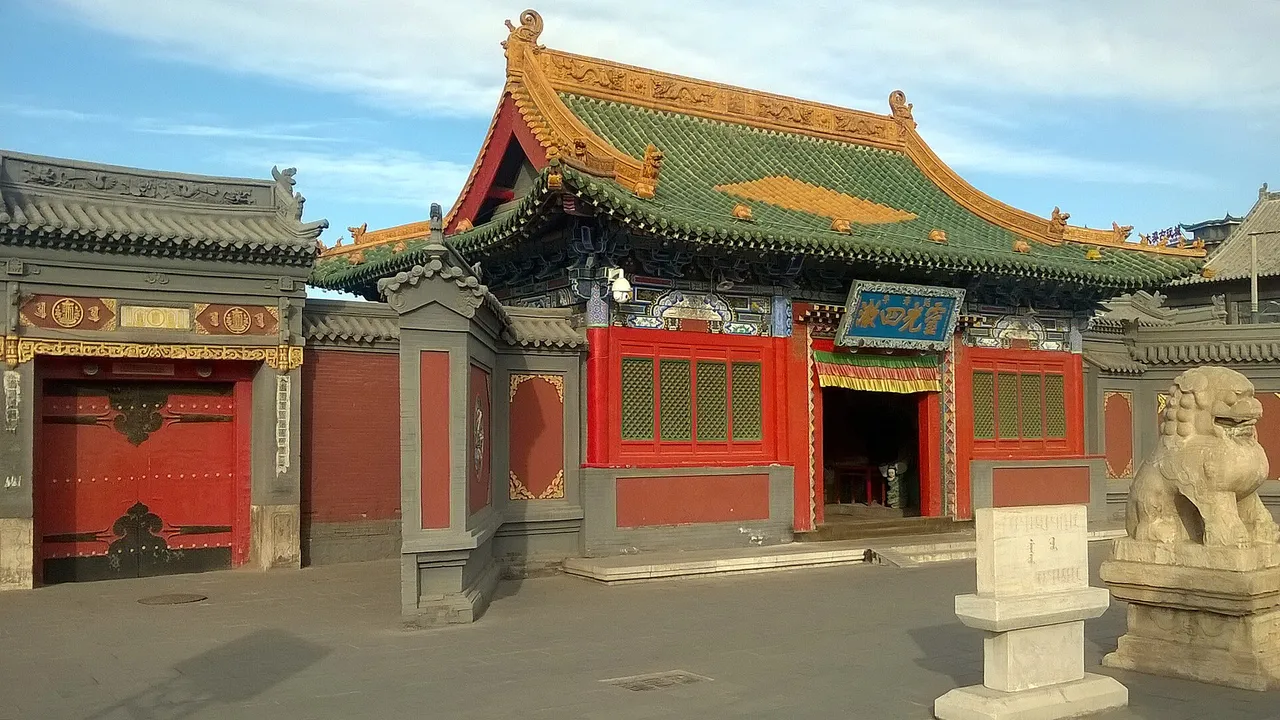
Xilituzhao is the grandest of Hohhot's old monasteries, a working Tibetan Buddhist temple whose gilded roofs and white walls rise just off the city's
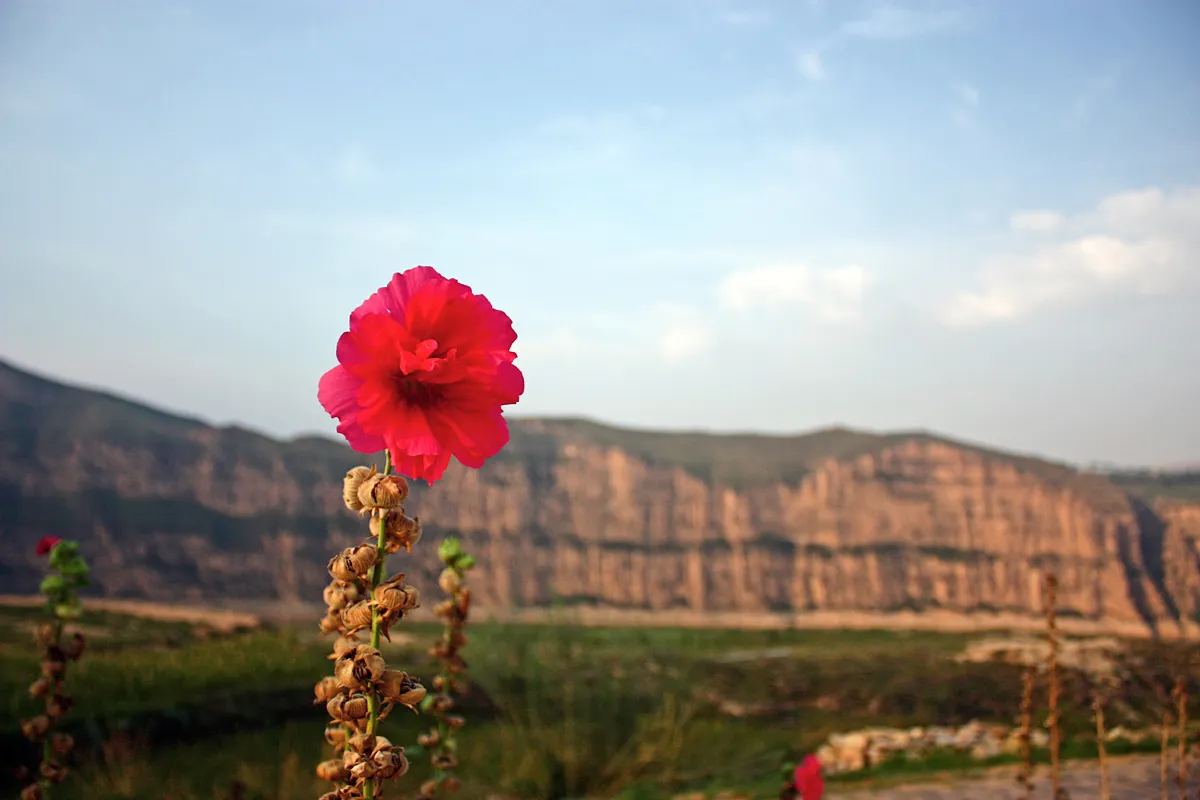
Laoniuwan is where the Yellow River meets the ancient Great Wall — the only place in China where the two 'dragons' embrace. The gorge section in Qings
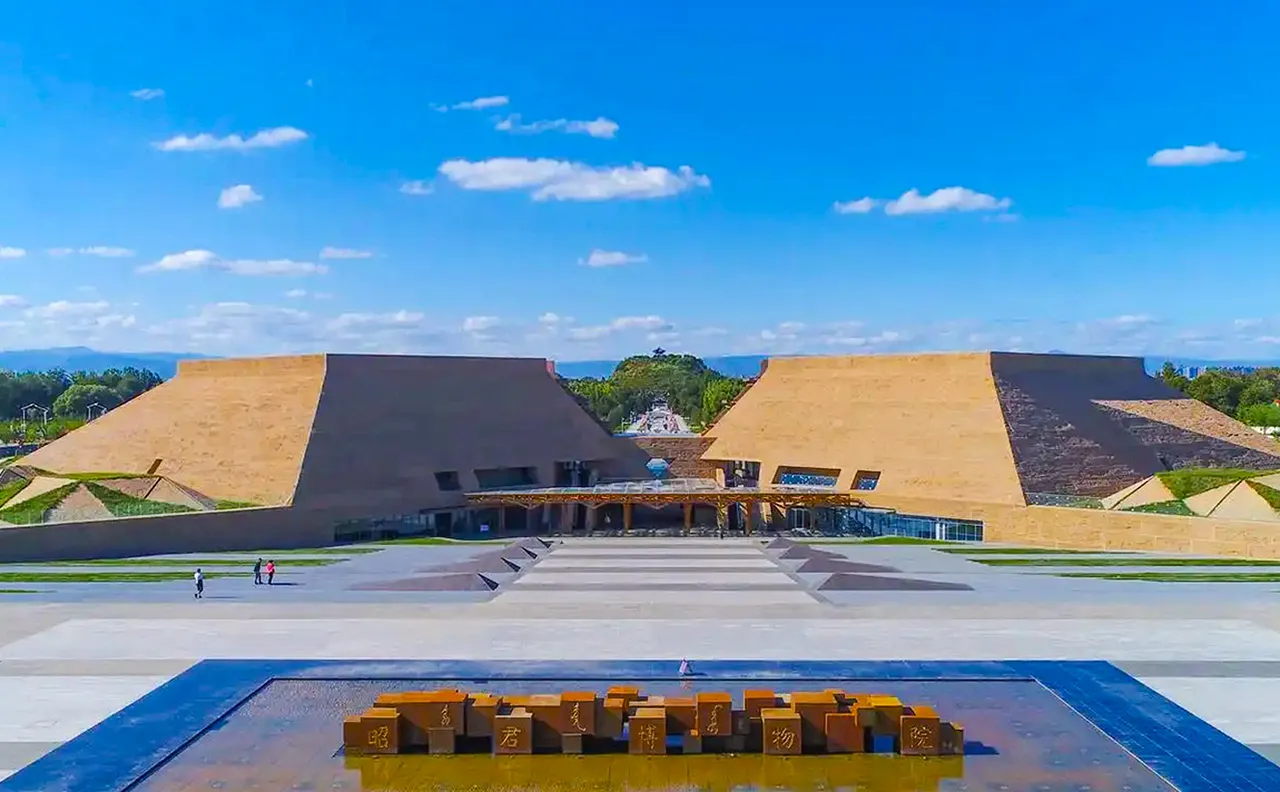
South of Hohhot, beneath a tree-covered earthen mound, lies one of Chinese history's most famous graves: the tomb of Wang Zhaojun, the Han-dynasty pal
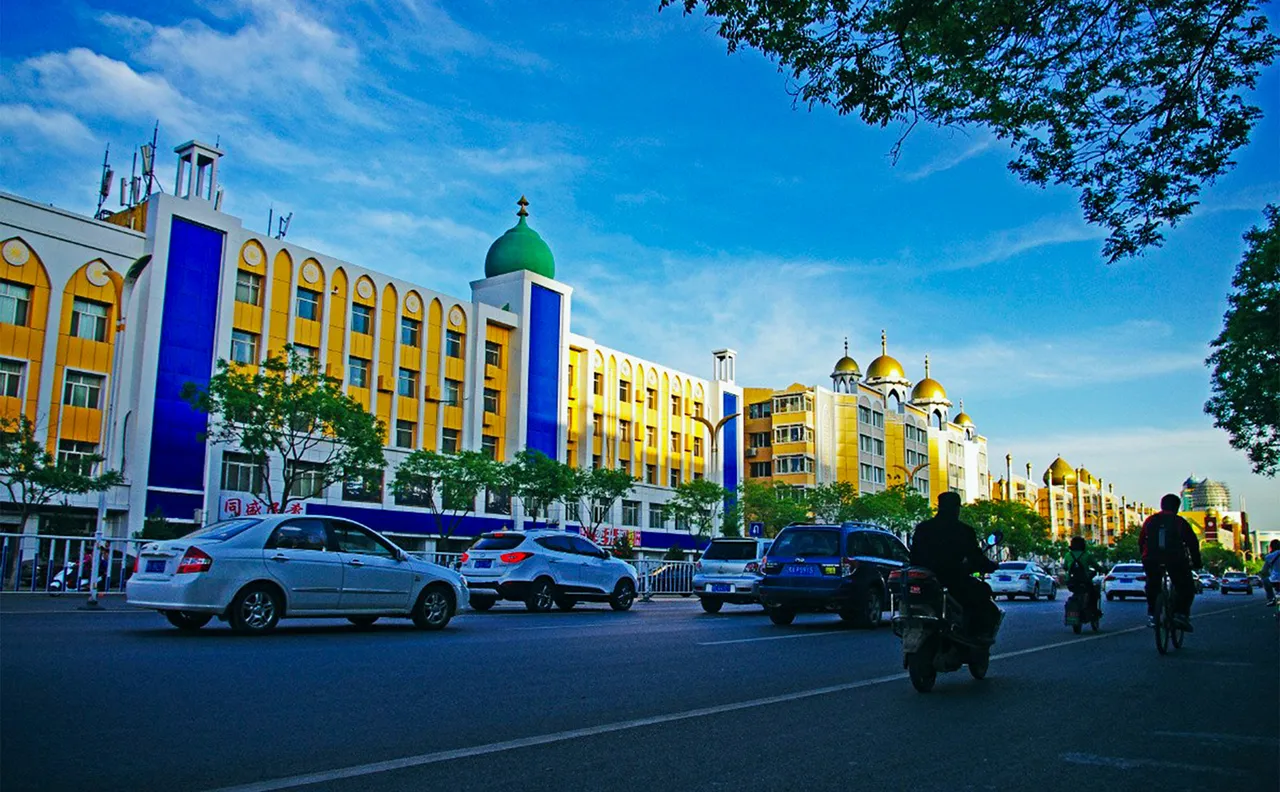
Islamic Style Street is the most colourful few hundred metres in Hohhot: a thoroughfare in the old Muslim quarter where shops, restaurants and apartme
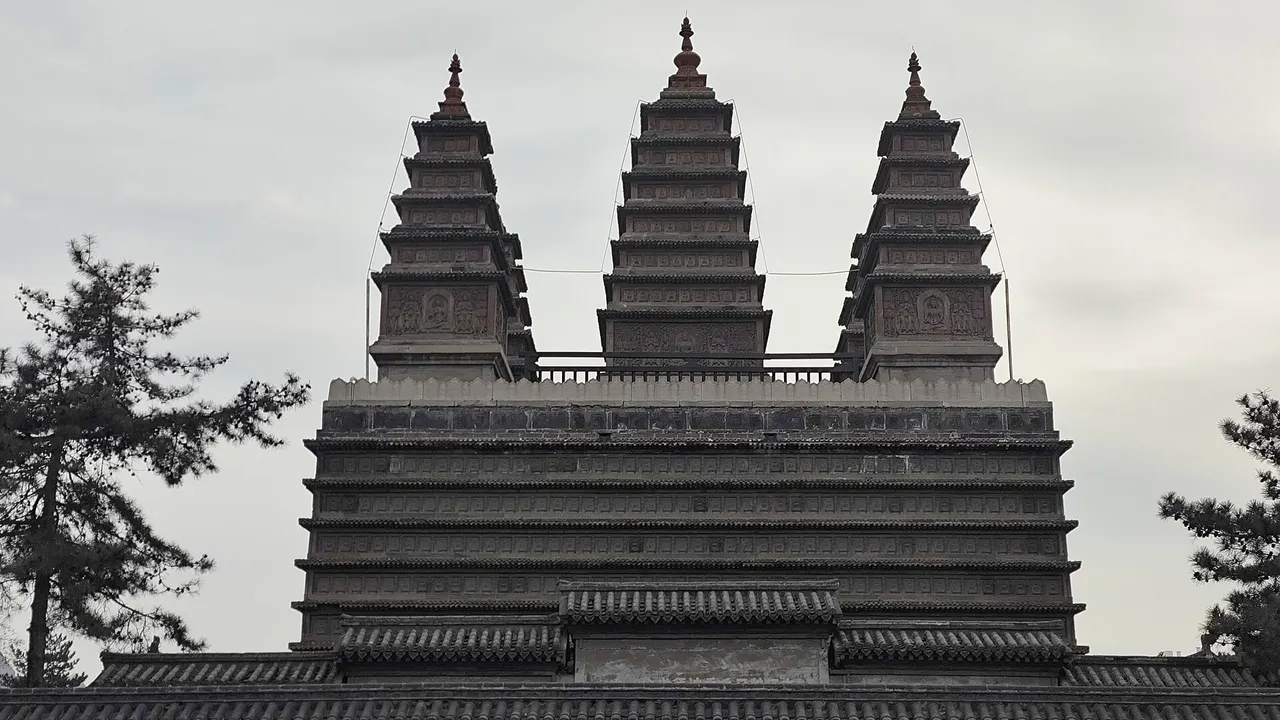
The Five-Pagoda Temple hides one of the most extraordinary buildings in Inner Mongolia at the end of a quiet lane in old Hohhot: a diamond-throne pago
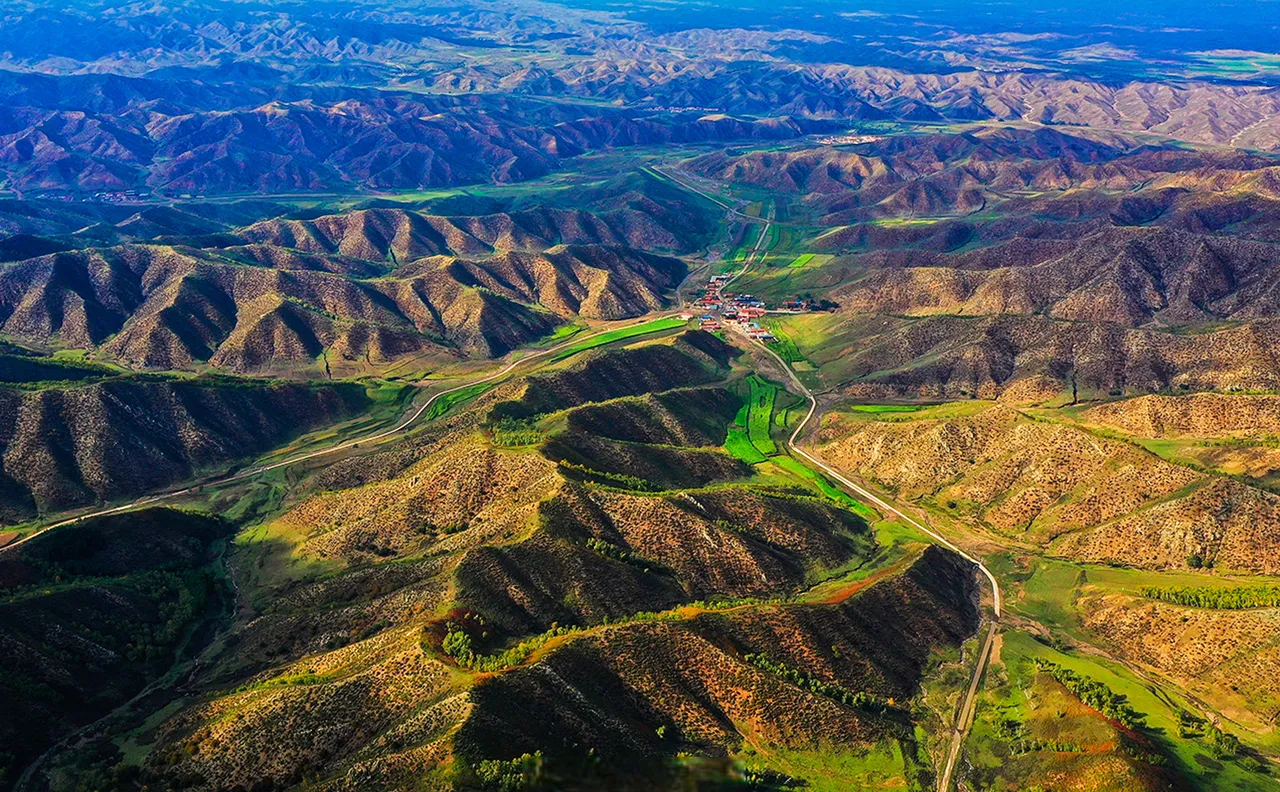
The Daqing Mountains, the Great Green Mountains, rise like a wall straight north of Hohhot, their forested slopes and rocky ridges forming the city's
Where the whole street eats — the city's most famous food streets, each with its own guide page.
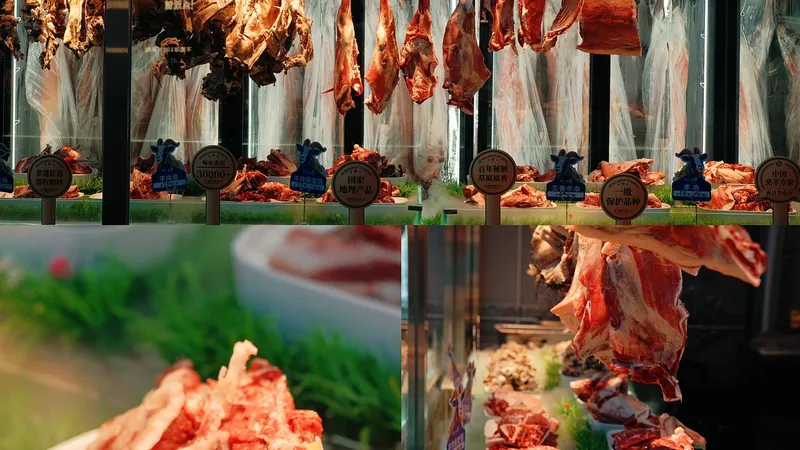
Mutton boiled in large pieces and eaten by hand, a common main dish in the region.
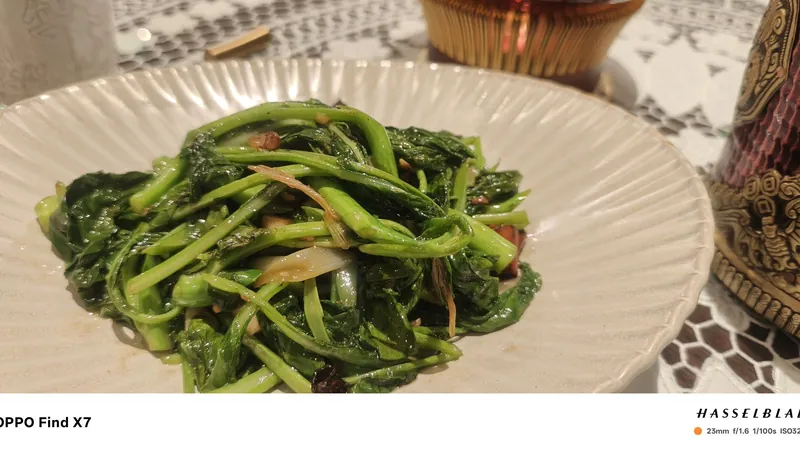
Mongolian salted milk tea, brewed from brick tea with fresh milk and salt, usually served with dairy snacks.
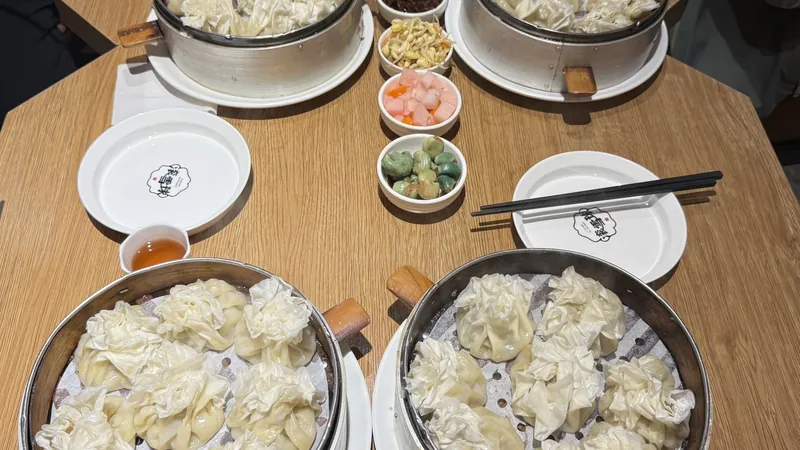
Local breakfast shops where freshly steamed shaomai are served with milk tea.
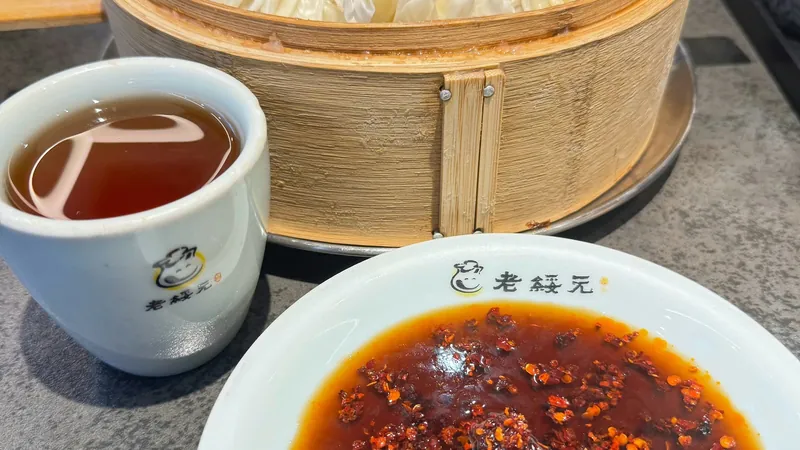
Hohhot shaomai are filled with mutton and scallion, thin-skinned and substantial, often eaten for breakfast.

Everyday mutton restaurants in Hohhot serving hand-held mutton and other Mongolian dishes.
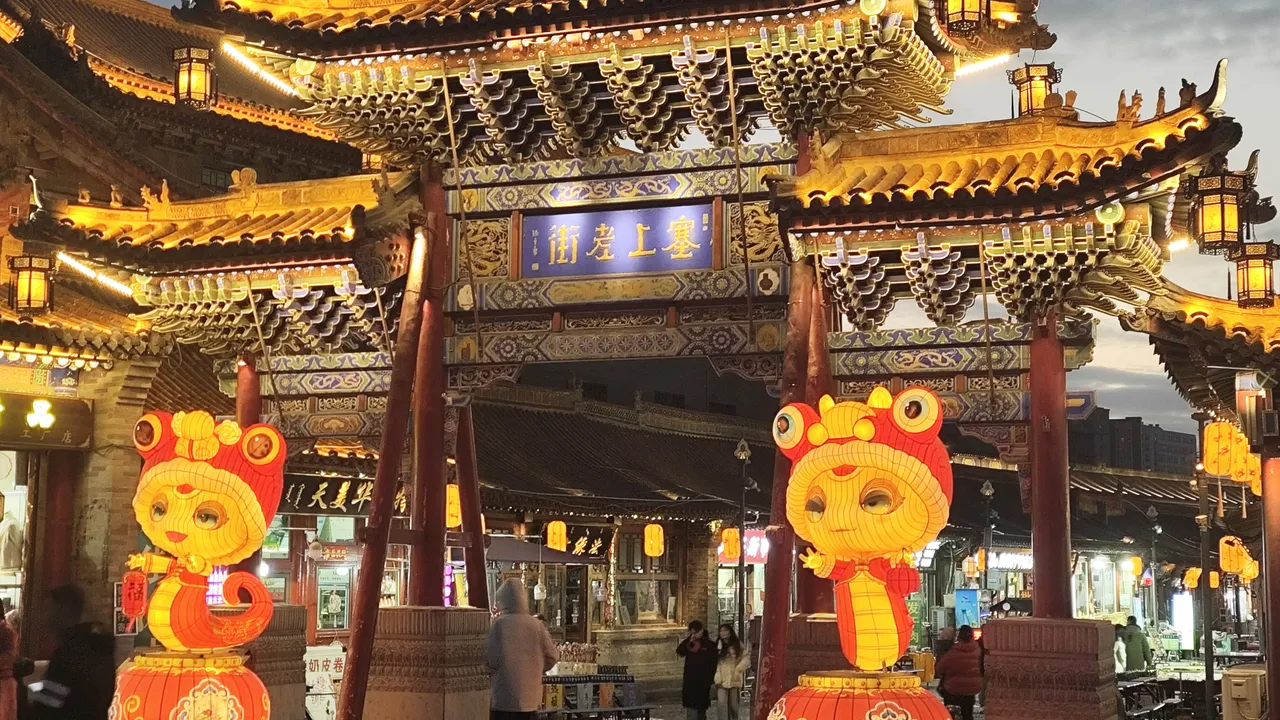
A Ming-Qing style street by Dazhao Temple — leather art, dairy snacks and tea houses under grey brick eaves.
Lantern-lit street near Dazhao Temple, good for an evening walk.
The temple quarter is quiet in the evening; check official channels for opening hours.
Shaomai, milk tea and milk skin are easy to find around the old street.
A slow evening meal of hand-held mutton, a local specialty.
Evenings center on Saishang Old Street and the temple quarter, with local food close by.
Listed sites and the crafts that made this city famous.
A temple known for its Silver Buddha and the Eight Stupas of Shakyamuni.
Also known as the Vajra Throne Stupa, a distinctive pagoda in Hohhot.
A historic street near Dazhao Temple, now a walking area.
Known as Qingzhong, the tomb associated with Wang Zhaojun.
A local steamed dumpling, often eaten for lunch with milk tea.
A daily drink in Hohhot, served with meals.
Boiled mutton eaten by hand, a local specialty.
A dairy product made from milk, eaten as a snack or with tea.
Temple fairs around Dazhao Temple are part of local life; dates vary.
Long-song singing is part of the region's cultural fabric.
Senior licensed guides with 10+ years in the field and fluent English — deep on history, culture and local life.

Experienced licensed guides with clear English — solid on city highlights, food and day-to-day logistics.

Licensed guides with workable English — a good-value choice for city days, transfers and standard commentary.

Chauffeur-driven by the day, plus airport and intercity transfers.



Private chauffeur-driven vehicles, priced per vehicle not per person. Airport transfer from $45; intercity transfer from $180.
10 guides split by trip length: one-day city routes, three-day escapes and longer journeys, with stops, costs and transport in each.
See the Silver Buddha at Dazhao in the morning, eat shaomai on Saishang Old Street at no
Three DaysThree Heritage Days in Hohhot: The Full Lineage of Temple City, Yamen and Green TombDay one reads the temples and the old city, day two walks the yamen, a princess residenc
Multi-DayFive Classic Days in Hohhot: Temple City, Museum and the Steppe in One SweepThe old city as base, museum and yamen drawing the axis, a full steppe day as the anchor
Real routes, real travellers — a sense of what a trip looks like.
“Three days was right: temples, museum, then Zhaojun Tomb.”
“Saishang Old Street in the evening was the highlight.”
“Shaomai and milk tea for lunch, every day.”
Most travellers spend 3 days here. Add a day for a side trip if you want a slower pace.
Spring and autumn are usually the most comfortable. Check the seasonal notes above before booking.
We arrange airport/rail transfers and private drivers. Tell us your arrival point and we plan the connection.
Send an enquiry and a human expert replies within 12 hours with a draft plan and real prices. Flexible rescheduling; clear cancellation terms in your quote.
2-day private itineraries in Hohhot start from $540 per person, two travelling together. Your proposal itemises hotels, tickets, guide and car — no hidden fees.
Dazhao Temple, Xilitu Zhao, Five Pagoda Temple, Zhaojun Tomb, Saishang Old Street and the Inner Mongolia Museum.
Ticket and booking rules are not listed here; check official channels for each site.
Opening hours are not given in this material; confirm on official channels before visiting.
Hand-held mutton, shaomai, milk tea and milk skin.
One day covers the temple quarter and museum; three to five days adds Zhaojun Tomb and local food at a slower pace.
Yes, it is a lantern-lit walking street near Dazhao Temple; hours vary by shop.
It is one of the city's main museums; check official channels for location details and hours.
It is also called the Vajra Throne Stupa, a distinctive pagoda in Hohhot.
Recent listed prices: Xilituzhao Temple ¥25; Laoniuwan Yellow River Grand Canyon ¥40 起(优待 ¥20;三景区联票 ¥90 可选); Zhaojun Museum 免费(以现场为准); Islamic Style Street 现场购票(以景区公示为准); Five-Pagoda Temple 免费. Ticket prices change seasonally — we confirm them in your quote.