
Hohhot was long called the city of temples, its Ming and Qing streets ringed by monasteries, the saying going seven great lamaseries, eight small ones and seventy-two in-between. The classic day follows that grain: the Silver Buddha and murals at Dazhao in the morning with Saishang Old Street on foot, the Mongolian star chart carved in stone at the Five Pagoda Temple in the afternoon, and the grand arc of steppe civilization gathered in at the Inner Mongolia Museum by dusk.
The rhythm gives the morning to the old city and the afternoon to the east: the temple cluster sits in Yuquan district while the museum stands on the city's east side, chained by metro line 1 along Xinhua Street. At noon, shaomai on the old street, ordered by the liang and priced by the dough skin, this city's signature proper meal.
Itinerary at a glance
| 09:00 | Dazhao Temple: Silver Buddha, Carved Dragon and Murals |
| 11:00 | Saishang Old Street: Ming-Qing Storefronts and a Shaomai Lunch |
| 14:00 | The Five Pagoda Temple: A Sky Carved in Stone |
| 16:00 | Inner Mongolia Museum: An Afternoon of Steppe Civilization |
The route, stop by stop
Dazhao Temple: Silver Buddha, Carved Dragon and Murals
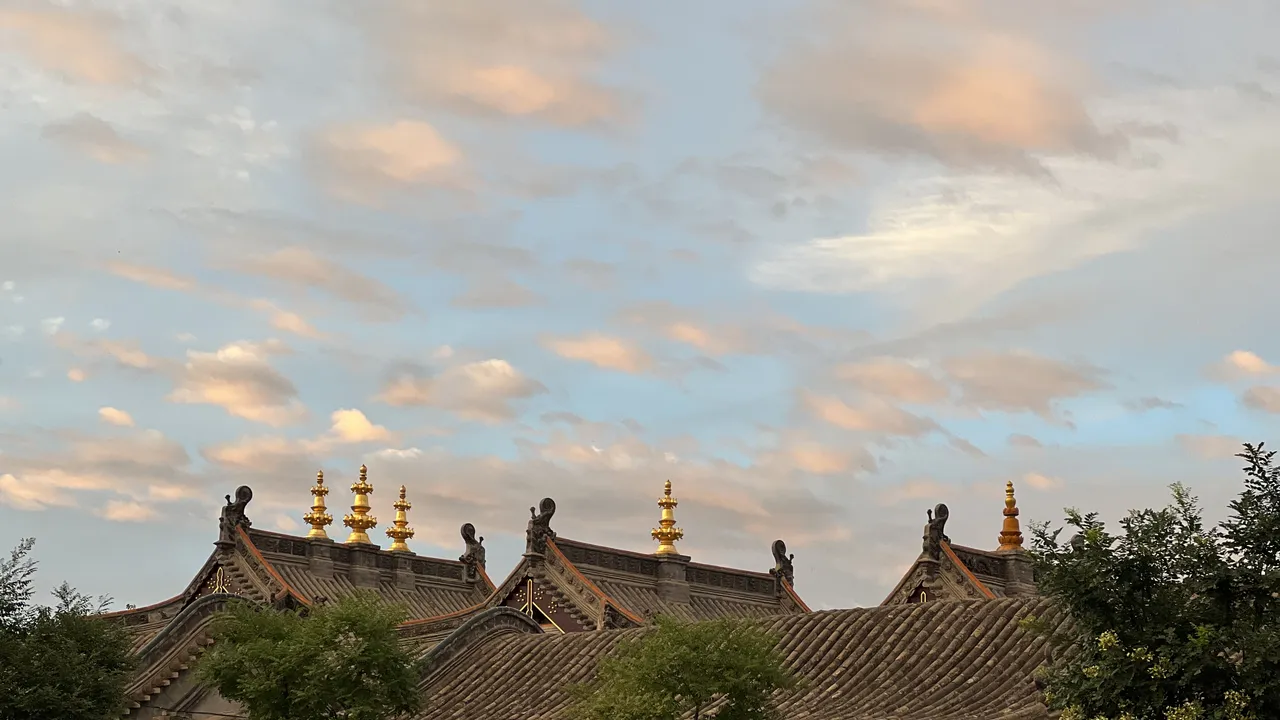
Dazhao dates to the Wanli reign of the Ming, part of the founding story of Hohhot itself, also called the Silver Buddha Temple for its icon. Its trio of wonders, the silver Buddha, the carved dragon and the murals: a gilded-silver Shakyamuni over three meters tall, dragon plaques and coiling dragons of dense workmanship overhead, and cloister murals packing the sutra tales without breathing room.
The way to see Dazhao is slowly: the halls run dim, and only once your eyes adapt do the murals' layers resolve. The temple opens straight onto Saishang Old Street, the old city of Yuquan district orbiting here, with Xilitu Zhao a few lanes away, an easy add-on if time allows.
Saishang Old Street: Ming-Qing Storefronts and a Shaomai Lunch
Saishang Old Street runs along the back wall of Dazhao, Ming-Qing storefronts shoulder to shoulder selling leather pictures, silverwork, curios and dairy snacks. The street's real charm is architectural: brick-carved gate lintels, old plank doors and painted eaves, worth more attention than the merchandise. Nearby, Tongshun Lane strings snack stalls in a line.
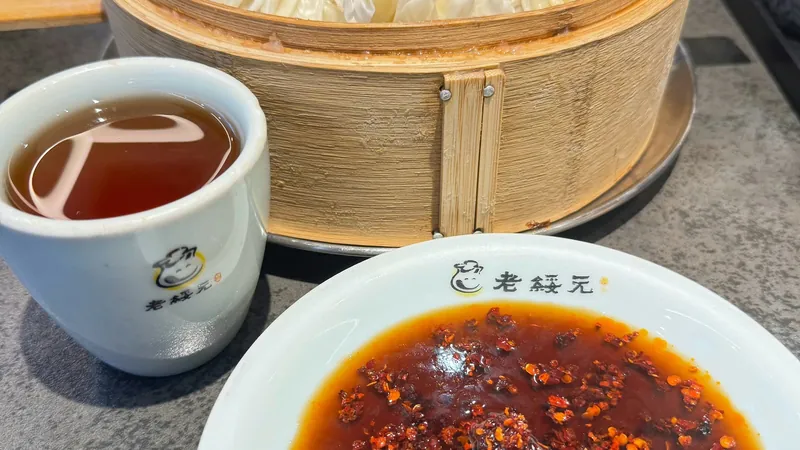
Lunch happens here. Hohhot shaomai is a proper meal, not a snack: priced by the liang measured in dough skins, roughly six to eight pieces, lamb-and-scallion filling with brick tea, the flavor locals eat morning to night. Veteran houses and modern kitchens both sit within walking distance.
The Five Pagoda Temple: A Sky Carved in Stone
Formally the Vajrasana Pagoda, the Five Pagoda Temple is a Qing complex whose brickwork runs dense with carving, five small stupas seated on the vajra throne. The true treasure stands on the screen wall behind: a Mongolian-language star chart carved in stone, the traditional constellation system labeled across an entire wall in Mongolian, a rare survival anywhere.
Read the temple carvings first, then the sky chart: the wheel of samsara and Mount Sumeru reliefs by the gate have good interpretive signs, and around back a whole sky unfolds on the wall. The temple is small, an unhurried hour.
Inner Mongolia Museum: An Afternoon of Steppe Civilization
Among North China's largest museums, the galleries run from prehistoric giants through the Xiongnu and Xianbei to the Mongol era and modern steppe life. Four priorities: the Chagan Nure dinosaur skeleton, Liao-dynasty pieces, Mongol-era goldwork, and the saddlery and horse gear of the ethnography hall, two hours for the full arc of steppe civilization.
After four the entry flow thins, and the final hour before closing fits exactly one themed gallery. If energy runs out, save the ethnography hall for tomorrow; the museum deserves two visits.
| Getting around |
|
| Budget | Tickets total about RMB 70-100; with meals and transport plan on RMB 180-280 per person. |
| Best time | May-Sep run steadiest; winter strips the temples bare but empties them, and the museum closes Mondays, so route around it. |
FAQs
Can the old-city temples fit in one day?
Dazhao, the old street and the Five Pagoda Temple run comfortably in a day; adding Xilitu Zhao pushes the limit. Keep the classic trio, since temple fatigue sets in by the third, and leaving one for next time beats cramming.
Does the Inner Mongolia Museum need reservations?
Yes. Free but real-name booked, with slots released one to three days ahead on the official account, weekend mornings tightest in season. If full, try a weekday afternoon; released tickets often surface in the mornings, worth camping for. In season, earlier is better.
Which hours are worth keeping in the old city?
Nine to noon. Dazhao at opening for the Silver Buddha, the old street fully open by ten, a shaomai lunch to close; the old city's whole rhythm lives in these three hours. Afternoon flattens the temple light, and the museum and metro wait in the east.
What are the rules inside the temples?
Circumambulate the halls clockwise as basic etiquette, keep quiet inside, and respect photo bans in marked zones; khata scarves and blessed items are voluntary purchases. Cover your knees, and turn prayer wheels clockwise. Respecting a living place of worship outranks any tip on this list.