
The steppe is the heart of any Inner Mongolia itinerary, and Xilamuren is the nearest mature grassland destination to Hohhot, about ninety minutes by road, doable as a day trip and better with an overnight. The three days structure as city, steppe, city: tune appetite and legs on the old-city streets, give the grassland one full day, then digest with heritage crafts and the museum.
The grassland day's whole secret is sun protection and warmth coexisting: fierce ultraviolet by day, temperatures dropping below ten degrees at night. Riding and activities price on site, negotiated with the herder camps and horse teams, so settle terms before mounting.
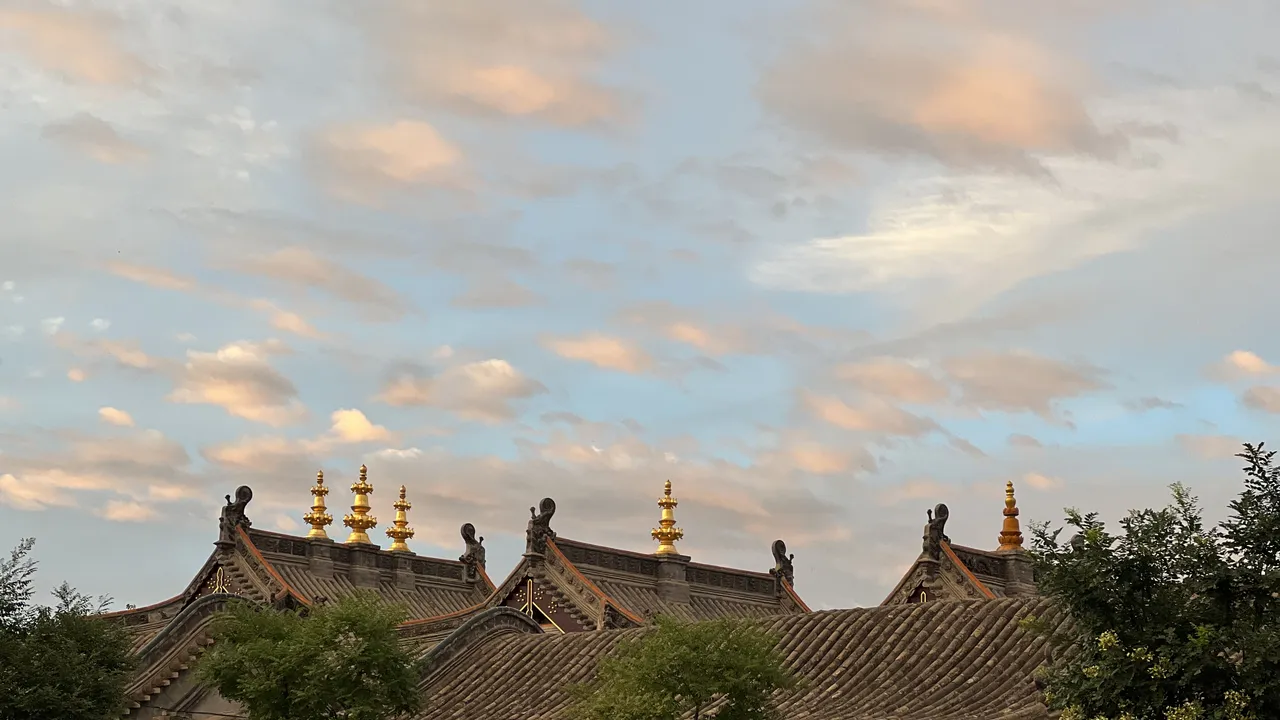
Itinerary at a glance
| 09:00 | Day 1 · Dazhao Temple: Setting the Keynote before the Steppe |
| 11:00 | Day 1 · Saishang Old Street and Tongshun Lane: Provisioning and Warming Up |
| 18:00 | Day 1 · The Old City's Evening Shaomai: The Last City Meal before the Steppe |
| 09:00 | Day 2 · The Road Out and the Welcome: City to Xilamuren |
| 11:00 | Day 2 · Riding and the Herder Household: The Steppe Done Properly |
| 13:00 | Day 2 · The Hand-Torn Mutton Feast: High Noon on the Steppe |
| 19:00 | Day 2 · Dusk, Stars and Bonfire: The Steppe at Night |
| 09:30 | Day 3 · Moni Mountain Heritage Village: Reading the Grassland Crafts |
| 14:00 | Day 3 · The Inner Mongolia Museum: Closing the Steppe Arc |
The route, stop by stop
Day 1 · Dazhao Temple: Setting the Keynote before the Steppe
Three days still open in the temple city. The morning Dazhao runs quiet, the Silver Buddha and murals pre-telling the marriage of steppe civilization and Tibetan Buddhism: this city is itself the interface of steppe and Central Plains, and carrying that understanding uphill onto the grassland, you see more than scenery.
An hour, then shaomai on the old street at noon, an afternoon of browsing and provisioning, and an early night before the road.
Day 1 · Saishang Old Street and Tongshun Lane: Provisioning and Warming Up
The morning's second half goes to the old street with three preparations for the steppe: sun protection, one warm jacket, the night chill exceeding expectations, and a little cash, since herder camps and horse teams do not all take QR codes. Street stalls sell hats and scarves, and Tongshun Lane handles lunch.
One liang of shaomai with brick tea is the standard noon sitting. Keep the afternoon free and be back at the hotel by eight, packing a one-night steppe kit: toiletries, power bank, jacket, wipes.
Day 1 · The Old City's Evening Shaomai: The Last City Meal before the Steppe
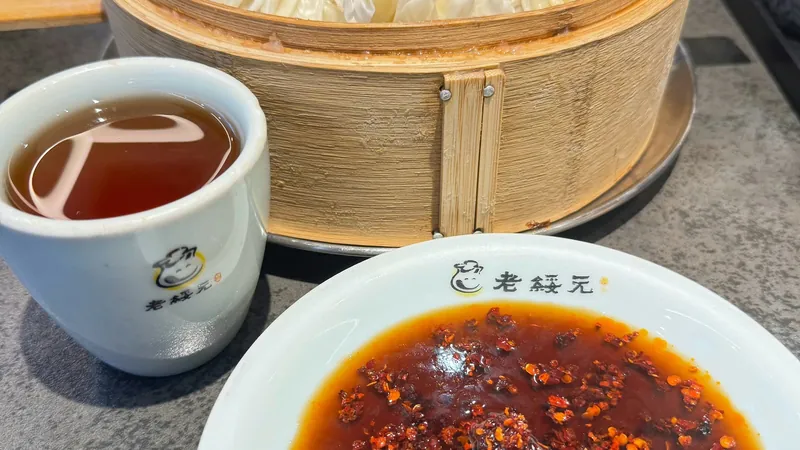
Return to the old city for one more shaomai sitting, this one as provisioning: the steppe feast runs heavy on meat, with vegetables and starches precious. One liang of dumplings, a cold-dressed plate, a pot of brick tea, banking tomorrow's fiber and carbohydrate in advance.
Afterward stroll the lantern-lit old street to digest and sleep early. The grassland day usually rolls out around eight, and a late night is tomorrow's worst enemy.
Day 2 · The Road Out and the Welcome: City to Xilamuren
Set out early, the road running north, the cityscape dissolving fast into rolling hills and pasture. About ninety minutes later the herder camp greets arrivals with the old etiquette of welcome: a cup at the stirrup and a khata scarf; non-drinkers can touch the cup to their lips as courtesy.
After settling bags, walk a lap of the camp to learn the terrain: yurt rows, dining hall, the riding muster point and the washrooms, because finding them after dark depends entirely on this morning's mental map.
Day 2 · Riding and the Herder Household: The Steppe Done Properly
Late morning is riding's golden window: light strong but not scorching, the grass at its springiest. Horse teams price by route, short loops to wetlands or cairns, longer runs to a herder household. Confirm gear before mounting and follow the wrangler, horses being temperamental partners with rules about feeding and patting.
The household visit watches milk tea being made, the sheep pens and pastoral life; hosts run hospitable, and tasting the fresh-brewed tea is mandatory etiquette. Long trousers and flat shoes required, skirts and sandals wrong on horseback.
Day 2 · The Hand-Torn Mutton Feast: High Noon on the Steppe
The noon long-table feast is the ritual core of a grassland day. Hand-torn mutton boiled plain in the old way, dressed with chive flower paste and pepper salt; blood sausage, stewed dishes and steamed buns in rotation, toasting songs rising again and again. Half the meal is eating, half listening: long song and horsehead fiddle move deeper at the table than on any stage.
Non-drinkers can simply say so, tea in place of wine honors the rite fully. Then comes the unbreakable afternoon nap, half an hour in the yurt, the whole evening's energy riding on it.
Day 2 · Dusk, Stars and Bonfire: The Steppe at Night
The steppe dusk starts laying groundwork by six, the horizon burning gold-red at sundown with zero obstructions, the complete sunset no city ever shows. Half an hour after dark the Milky Way surfaces, the night sky being the itinerary's true finale.
The bonfire party is the camp's fixed program, song, dance and games in full swing. Temperatures crash at night, jacket and long trousers non-negotiable; star shots want a tripod and long exposure, though phone night mode can produce.
Day 3 · Moni Mountain Heritage Village: Reading the Grassland Crafts
Back in town on day three, head first to the Moni Mountain heritage village. Dozens of intangible-heritage workshops cluster here, leather pictures, paper cutting, dough sculpture, horsehead-fiddle making, many with masters working on the spot. The patterns and objects you saw on the grassland yesterday find their making here.
Hands-on sessions charge per craft, leather pictures and paper cutting suiting beginners. The village runs large, two hours minimum, and the master artisans love explaining, ask and the stories flow.
Day 3 · The Inner Mongolia Museum: Closing the Steppe Arc
The three days' last block goes to the museum, viewed now with steppe memory loaded: the saddles, milk pails and cairn objects in the cases were in your hands yesterday, the yurt reconstruction matching the one you slept in, and the understanding deepens a layer.
Prioritize the ethnography and history halls, two hours. Close the arc with a hotpot or shaomai dinner, and the tale of steppe and temple city is told.
| Getting around |
|
| Budget | The grassland day with riding runs RMB 300-600; with tickets, meals and transport, three days total roughly RMB 1100-1800 per person. |
| Best time | Jun-Aug turn the steppe greenest; day-night swings are huge, so pack a jacket even in July, and weekends crowd the grassland, so aim midweek. |
FAQs
What is the easiest way to reach Xilamuren?
A charter or a local one-to-two-day grassland tour is easiest, about ninety minutes each way; public buses run sparse and still leave a gap to the camps. For two or more, a charter wins on price, with the driver waiting at camp for the return.
Is riding dangerous? Can beginners mount up?
The horses are well trained with wranglers leading throughout, making short loops quite safe; check gear before mounting, hear the briefing, and never stand behind a horse. Not advised for seniors, pregnancy or back injuries; children join at the horse team's judgment by size.
What are yurt overnight conditions like?
Modern yurts often have beds and private bathrooms, but insulation against sound and temperature is poor, with cold nights the norm. Pack a toiletry kit, slippers and a thick jacket, and earplugs for light sleepers. High standards should choose the day-trip version sleeping back in town.
How are signal and payments on the grassland?
Camps carry signal that flickers, and it vanishes once riding reaches the deep pasture; download offline maps and music ahead. Major camps take QR payment, but cash backups smooth the horse teams and small stalls, and bring ample power banks.