
Hohhot's cultural wealth splits three ways: steppe civilization in the museum, the Ming-Qing temple city in the old streets, and the story of ethnic fusion at the Zhaojun grounds. Take one stretch of each: the museum builds the coordinate system in the morning, the Five Pagoda Temple's nationally rare Mongolian star chart fills noon, the Green Tomb south of town owns the afternoon, and the old city closes the day on lanterns and temple ridgelines.
Two words rule the day: booking and driving. The museum is free but real-name slotted, and the Zhaojun grounds lie nine kilometers south, twenty minutes by taxi; the Five Pagoda Temple sits naturally between the two legs as a resting point.
Itinerary at a glance
| 09:00 | Inner Mongolia Museum: From Dinosaurs to the Mongol Horse |
| 12:30 | The Five Pagoda Temple: A Mongolian Sky on the Screen Wall |
| 14:30 | The Zhaojun Museum: The Green Tomb and the Memory of Alliance Marriage |
| 18:00 | Saishang Old Street and Dazhao at Dusk: The Temple City's Evening Pause |
The route, stop by stop
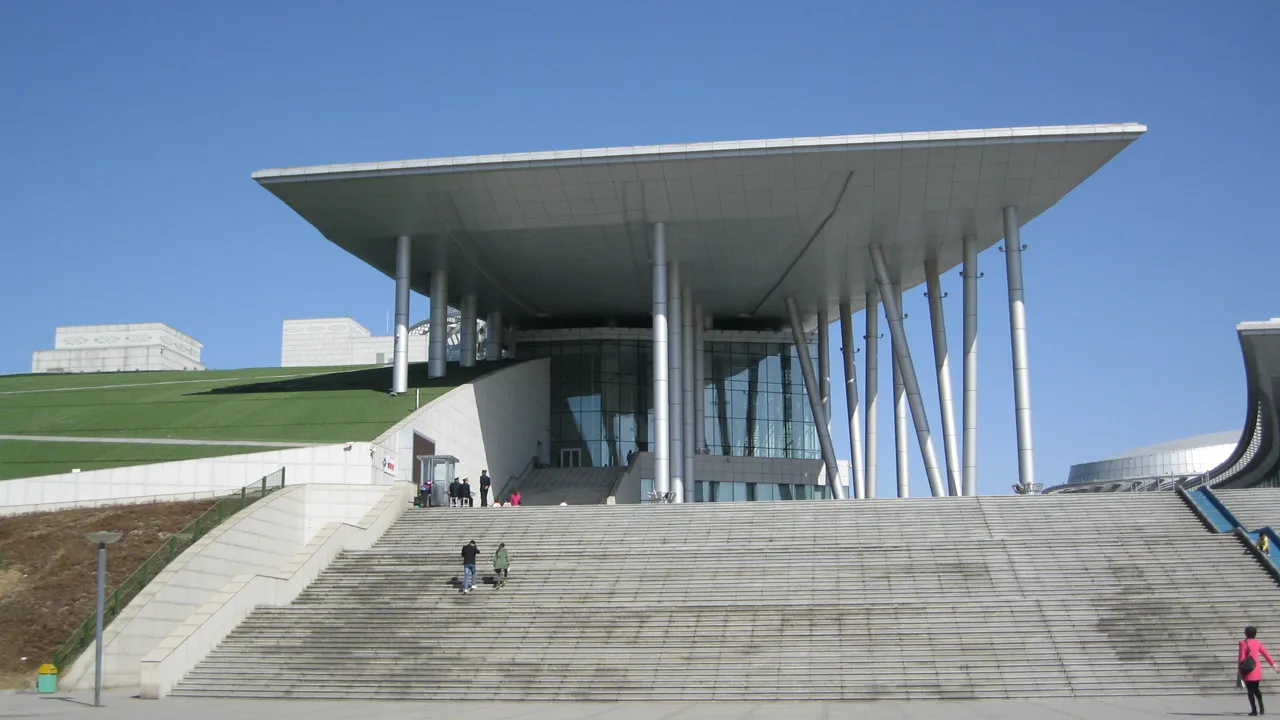
Inner Mongolia Museum: From Dinosaurs to the Mongol Horse
Enter at opening, the museum at its quietest all day. The galleries split nature and culture evenly: the paleontology hall's Chagan Nure dinosaur skeleton and mammoth fossils carry the natural line, the history halls run from Xiongnu and Xianbei through the Mongol era, and the ethnography hall's saddlery and yurt interior draw the biggest crowds.
Two to three hours covers the spine, with Liao-dynasty pieces and Mongol goldwork outshining typical provincial expectations. Lunch nearby fuels the afternoon's two drives.
The Five Pagoda Temple: A Mongolian Sky on the Screen Wall
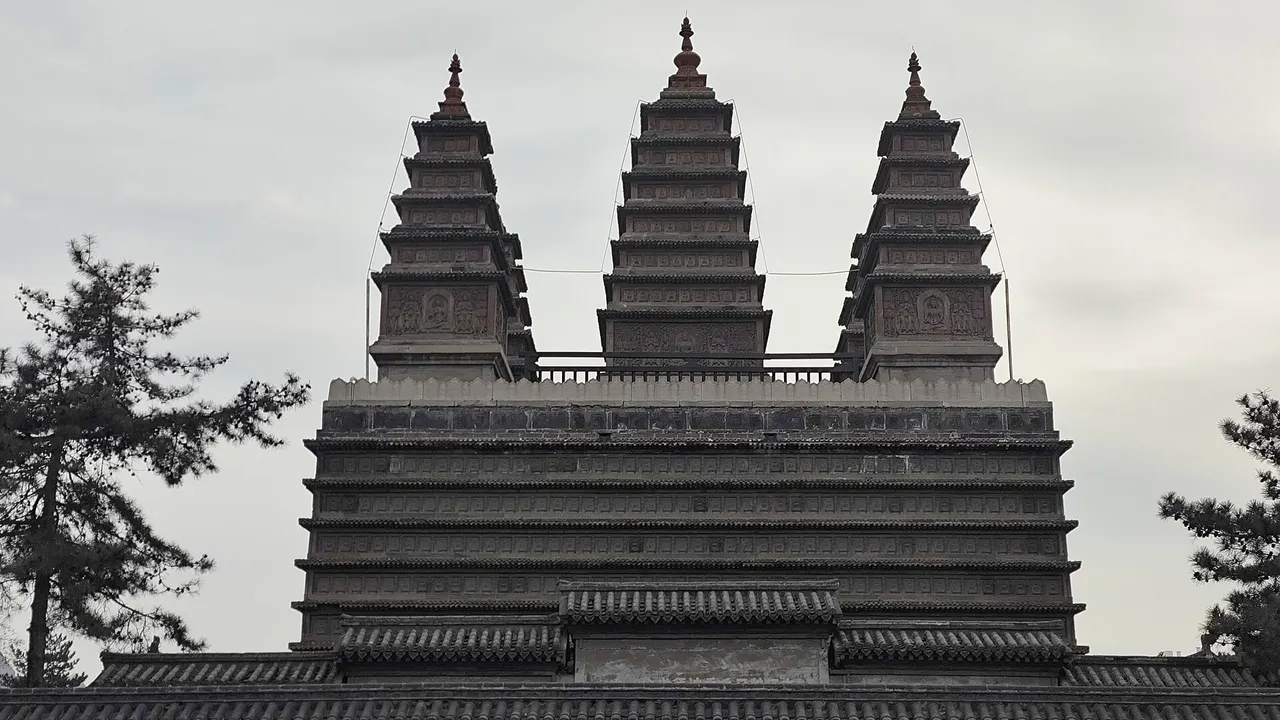
The Five Pagoda Temple slots into midday. The Vajrasana Pagoda's dense brickwork pleases, but the headline hides on the screen wall behind: a Mongolian-language star chart carved across an entire wall, the constellations labeled in Mongolian script, a rarity nationally. The interpretive signs trace the exchange between Chinese and Western astronomy clearly.
The temple is small, forty minutes to an hour. Read the samsara wheel and Mount Sumeru reliefs by the gate first, then finish on the sky chart; the right order compounds the understanding.
The Zhaojun Museum: The Green Tomb and the Memory of Alliance Marriage
Head south in the afternoon to the Zhaojun grounds. Wang Zhaojun's Green Tomb rises from the plain, a rammed mound over thirty meters crowned with grass, the legendary dark-topped grave. The park and museum lay out the history of alliance marriage, centuries of poetry and excavated pieces, a restrained and complete telling.
The mound path allows a close look at the earthwork, with dynastic steles and the recreated chanyu tent worth stops. Two unhurried hours, and pre-dusk light gilds the green crown.
Saishang Old Street and Dazhao at Dusk: The Temple City's Evening Pause
Back in the old city, close the day under Saishang Old Street's lanterns. Shops shutter by evening, yet the Ming-Qing silhouette and Dazhao's yellow walls read even sharper under night lighting. Circle the temple's perimeter, roof-ridge ornaments and prayer flags queuing in the gloaming.
Dinner on the spot, the shaomai houses' evening sitting busier than expected. With anything left, Tongshun Lane's night stalls run loud past nine.
| Getting around |
|
| Budget | The museum is free, other tickets total about RMB 70-100; with meals and transport plan on RMB 160-260 per person. |
| Best time | Year-round with climate-controlled halls; the museum closes Mondays and the Zhaojun grounds run outdoors, so mind the midday sun in summer. |
FAQs
What if museum slots are gone?
Three routes: camp each morning's release and returned slots; shift the museum to a weekday; or lead with the Zhaojun grounds and the Five Pagoda Temple and try again on the way back. The permanent galleries also have rich online resources, useful prep or a decent fallback.
Is the Zhaojun museum worth the dedicated trip?
For history and literature lovers, yes: the Green Tomb is a genuine millennium-old mound and the alliance-marriage exhibition is well done. For pure scenery seekers, the south-city drive and open grounds may read plain, so weigh it against a steppe-experience day.
Are three cultural stops too much for one day?
Moderate: two to three hours at the museum, forty minutes at the temple, two at Zhaojun, with two drives between. The real risk is museum overrun, so set a two-hour alarm there and the rest flows. Naps fit neatly into the two drives.
What should kids focus on along this line?
The museum's dinosaurs and mammoths are natural child magnets, the ethnography yurt climbable and peekable; the Zhaojun grounds suit free running, and the star chart works as a counting game. Parents can translate the historical narrative by age.