
Hohhot's table runs on its own clock: in the dawn shaomai houses, one liang of dumplings and a pot of brick tea can hold a whole morning, the locals' idea of morning tea; noon belongs to flatbread ovens and offal pots; the afternoon Mongolian kitchen puts hand-torn mutton and pot tea in the lead; and a copper-pot lamb hotpot closes the night. One day here reads the stomach of this temple city entire.
The route concentrates around the old city and Xinhua Street: morning tea in an old-city shaomai house, noon moving on foot, and both the Mongolian sitting and the evening hotpot within ten minutes by taxi. Mind that a liang weighs the dough skins, not the meat, six to eight pieces under one liang; order in that unit and you cannot go wrong.
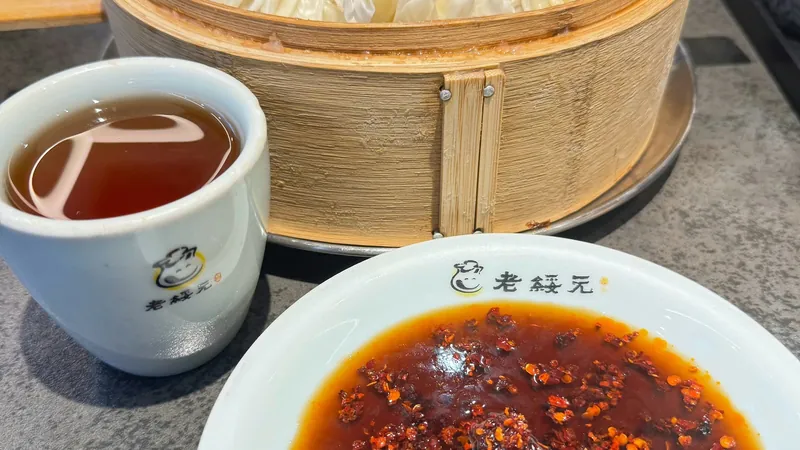
Itinerary at a glance
| 08:30 | Shaomai Morning Tea: The Ritual of One Liang |
| 12:00 | Beizi and Lamb Offal Soup: The Filling Noon Combo |
| 14:30 | A Mongolian Sitting: Hand-Torn Mutton and Pot Tea |
| 18:30 | Copper-Pot Lamb Hotpot: The Day's Close |
The route, stop by stop
Shaomai Morning Tea: The Ritual of One Liang
Hohhot's day opens in a shaomai house. The steamer lids lift, lamb-and-scallion dumplings with skins thin as paper and pleated like chrysanthemums, a scalding pot of brick tea alongside to cut the richness. Locals order one liang per person: priced by skin weight, a unit unique to this city, six to eight pieces under one liang, with ginger shred and vinegar on the side.
Veteran houses like Deshunyuan and Laosuiyuan have run for decades, each with a faithful morning-tea crowd. Sink into a table of regulars, let the neighbors' dialect small talk run its course, and only then has the morning tea been properly eaten.
Beizi and Lamb Offal Soup: The Filling Noon Combo
Noon pairs beizi flatbread with lamb offal soup. The beizi is the Hui bakers' house skill: dough loaves crusty outside and soft within, equally happy plain or stuffed with meat or egg. The offal soup here runs bolder than the Yinchuan school, potatoes and offal stewed into a pot of red chili oil, with a fresh beizi torn in to soak.
Old-city offal shops turn tables fastest at noon, locals standing through a bowl being standard practice. The combo costs just over twenty a head, the most honest lunch on Hohhot's streets.
A Mongolian Sitting: Hand-Torn Mutton and Pot Tea
The afternoon's proper meal goes Mongolian. Hand-torn mutton is the baseline of steppe lamb: bone-in cuts boiled in plain water, meat stripped off the bone by hand and dipped in chive flower paste or pepper salt, a test of the lamb itself. Pot tea simmers brick tea with milk, dried milk skin and toasted millet in a copper pot, salty, the liquid staple of the Mongolian table.
Decent Mongolian kitchens dot the city; the ordering formula is mutton by the jin, one pot of tea, plus milk tofu or yogurt strips. First-timers usually need two sips to accept salty milk tea, and a third to be unable to stop.
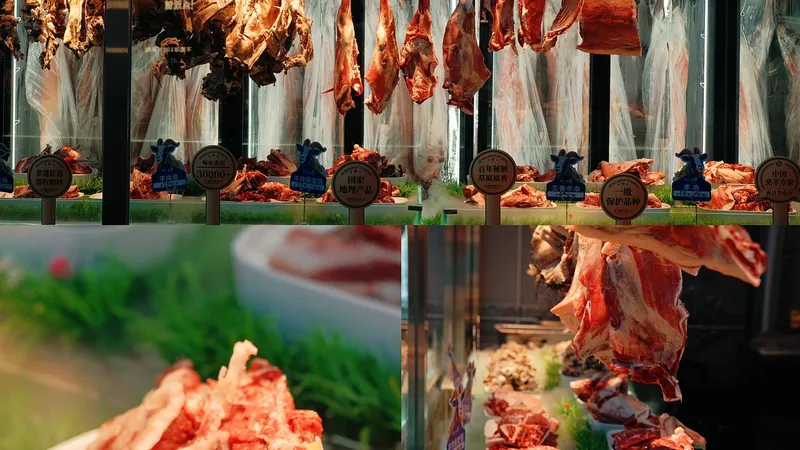
Copper-Pot Lamb Hotpot: The Day's Close
The night closes on copper-pot lamb hotpot. A charcoal copper pot with clear broth, lamb shaved gossamer-thin cooks in seconds, dipped in a bowl of sesame paste, chive flower and fermented bean curd. Hohhot judges its hotpot by the plainness of the broth: the plainer the water, the less the lamb can hide.
Pick meat by marbling like a road map, a slice melting on the tongue. Finish with a sesame biscuit or buckwheat noodles and the day's carbohydrate ledger clears at last. Veteran hotpot rooms queue after eight, so sit by six-thirty.
| Getting around |
|
| Budget | Grazing runs about RMB 90-160 per person; add a proper Mongolian sitting and the day lands near RMB 200-320. |
| Best time | Year-round; shaomai houses peak at the morning and noon sittings, and hotpot rooms queue after eight. |
FAQs
How many shaomai is one liang?
One liang weighs the skins, six to eight pieces, varying with each house's skin thickness. Benchmark: one to one-and-a-half liang with brick tea fits most adults, and clearing two liang earns local respect. Check the next table's portions before ordering.
Do the famous shaomai houses queue or take bookings?
Morning and noon peaks mean shared tables, with little booking and fast turnover; arrive before eight for calm or pick a chain's newer branch. Some veterans close by dinner, so never make shaomai the anchor of an evening plan.
What about travelers who avoid lamb?
Shaomai comes in vegetarian and beef fillings, hotpot rooms stock beef and soy products, and Mongolian pot tea, pastries and noodles involve no lamb. The Hui quarter's beef kitchens form their own school. But the line's core experience remains lamb; substitutes work while sacrificing the headliner.
What should sensitive stomachs watch on this day?
Three things: milk tea is salty with real tea kick, drinking it big and empty-handed sparks hunger and tea jitters, so pair it with pastries; eat offal soup and hotpot hot, the fat congealing when cold; and go easy on brick-tea refills after four if you value sleep. Carry basic stomach remedies for peace of mind.